Prevention of child sexual abuse
The Mídete campaign promotes the right to live a childhood and adolescence free from violence
- Español
- English
What is sexual abuse?
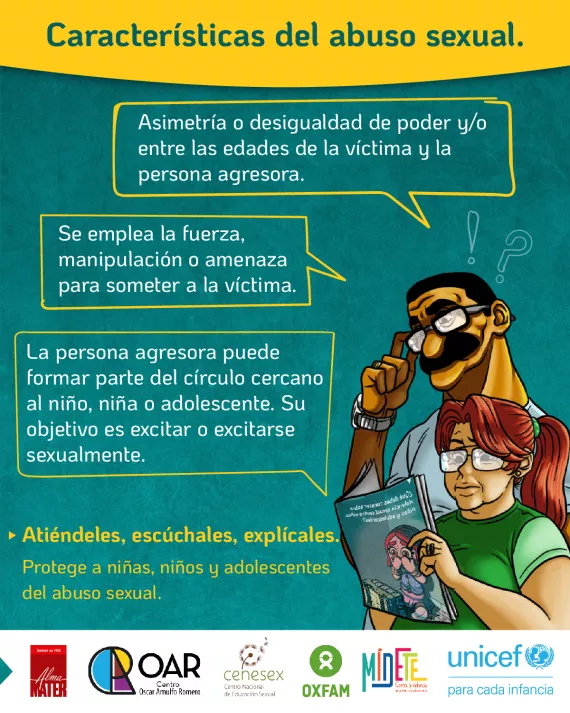
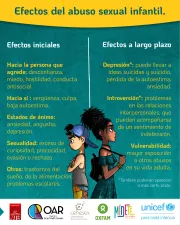
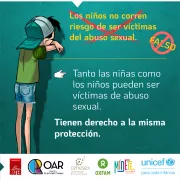
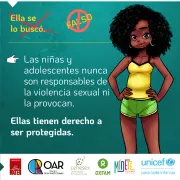
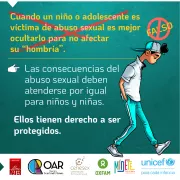
Child sexual abuse is mediated by an unequal power relationship involving a child or adolescent as victim and an adult or peer as aggressor. It is a social and health problem and a violation of children’s rights. It affects, especially, the right to decide about their body and sexuality, the right to respect for privacy and intimacy and the right to live free of violence.
Among the most frequent child sexual abuse practices are:
- Exhibiting genitals in front of children or adolescents for the purpose of sexual arousal.
- Observing children or adolescents when they are dressing, undressing or when they are in the bathroom.
- Touching, kissing and fondling of children or adolescents for sexual purposes.
- Making repeated verbal advances with sexual content.
- Forcing them to watch pornographic images or films.
- Encouraging and forcing children or adolescents to engage in sexual practices.
- Using children or adolescents in sexual commercialization or exploitation, child prostitution or pornography.
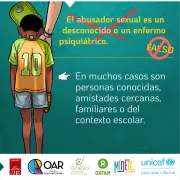
There is no one profile of the aggressor (it may be an adult or not; from the family or close environment, or even someone unknown). The strategies they use may include physical force, psychological pressure, deception, bribes, gifts and demands to keep secrets.

What can be done to avoid these situations?
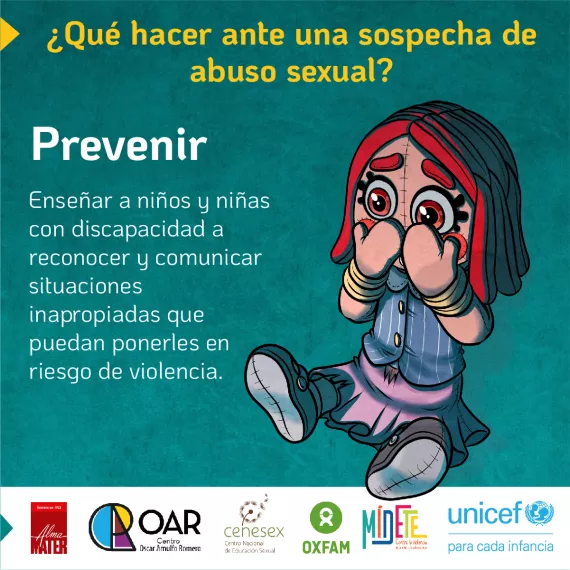
It is essential to promote children and adolescents’ self-knowledge of the body and its different parts, including private parts, so that they know how to name them appropriately.
It will help them to distinguish the types of caresses, the emotions and feelings they provoke: embarrassment, joy, anguish, fear, delight, displeasure and pleasure. To the extent that they recognize those things that are pleasurable, they will be able to avoid those that generate displeasure.
They must also recognize the difference between “good” secrets (they produce joy and are kept to surprise or please someone) and “bad” secrets (they cause discomfort, uneasiness, fear, guilt, and should not be kept).
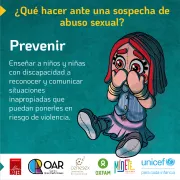
Providing them with self-confidence and encouraging them to say NO! when something displeases them, generates discomfort and they do not want it, are measures to avoid situations that may expose them to violence.
It is important to expand knowledge of their rights and the development of skills to assert them and make responsible decisions regarding their sexual health and general well-being, taking into account their level of maturity and abilities.
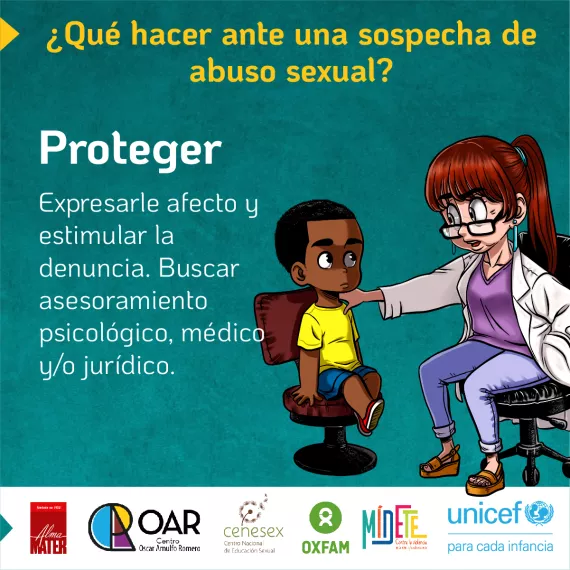
Communication is another central element in addressing issues related to sexuality, as well as others related to the child’s daily life. Creating a climate of trust to clarify their concerns without fear of reprisals and letting them know that they can turn to people they trust (mothers, fathers, other family members, teachers, medical personnel, social workers...) in case they need it, will prepare them to seek help.
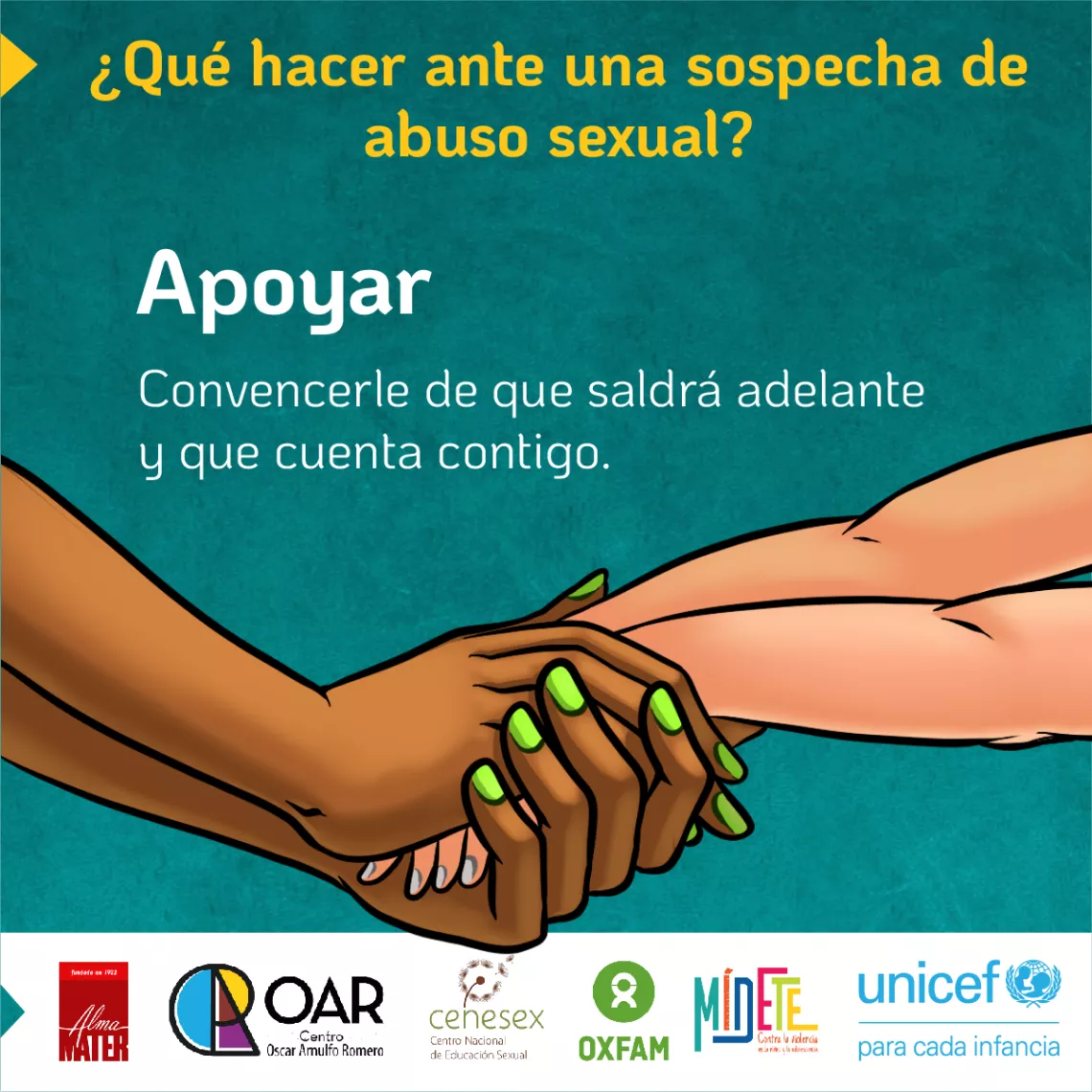
Assess yourself in the face of child sexual abuse
Evaluate your practices for preventing and responding to child sexual abuse. Award one point for each positive response:
-You pay attention to the signs you identify in the child or adolescent in your care that may indicate discomfort or that something is not right.
-You apply non-sexist upbringing guidelines to avoid traditional behaviors, roles and stereotypes that sustain gender-based inequalities and violence.
-You respect children and adolescents as subjects of rights and ensure that they are able to know and assert their rights.
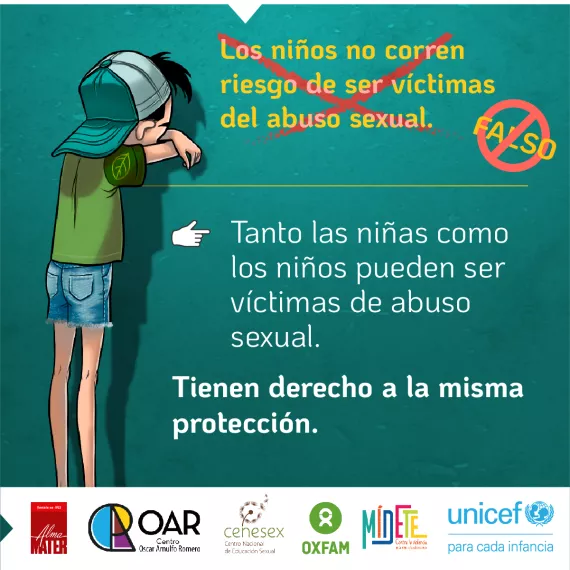
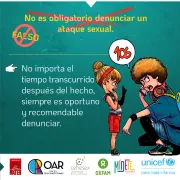
-You recognize the myths that exist around sexual violence (for example, that the abuser is sick or is an unknown person; that children are not sexually abused; that if the family knows about a case of sexual violence they immediately denounce it...) and you try to deconstruct them.
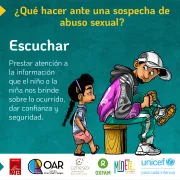
-You promote a climate of trust and habitual good communication with the child or adolescent in your care. You listen actively, showing interest in what they say and without interrupting them.
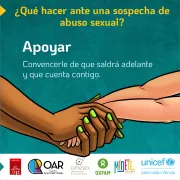
-You clarify their doubts or fears and let them know that they can always count on you.
-You consider it important to talk to children and adolescents about body parts (including intimate parts) and sexuality.
-You offer them tools for assertive communication, so that they can say no to a proposition that generates displeasure, discomfort and fear.
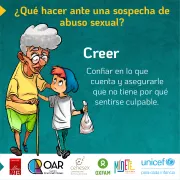
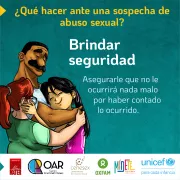
-You avoid re-victimizing or making the child or adolescent feel guilty about what happened.
-You help to reinforce the victim’s self-esteem in the face of feelings of handicap, stigmatization or loss.
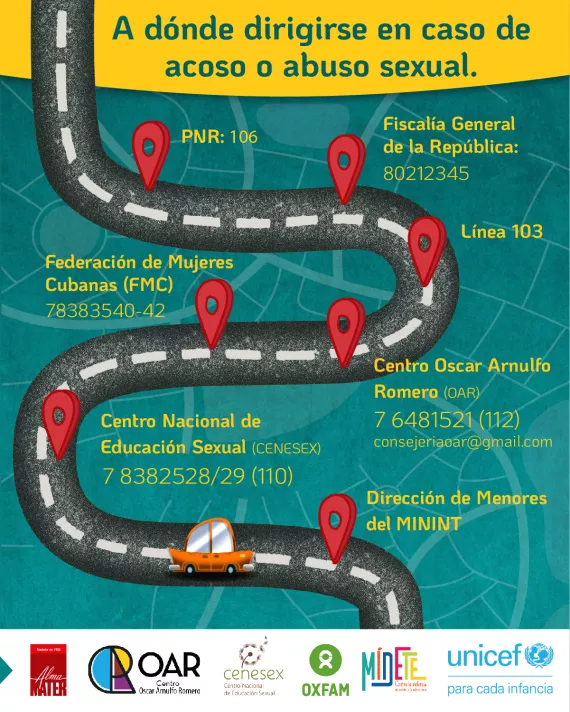
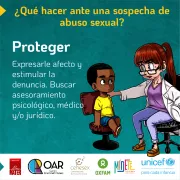
-Depending on the situation, you suggest the route to follow or report the case of sexual abuse. You can also recommend seeking professional services (health, legal, psychological).
Now check your answers!
- I educate, love and share a violence-free space: Congratulations if you managed to score 10 or 11 points, it is a sign that you contribute to preventing and acting against child sexual abuse.
- I have to make adjustments: if your score is between 5 and 9 points, consider what you need to incorporate in your daily educational or parenting practices to close the door to sexual violence.
- I have to measure myself: if the sum is equal to or less than 5 points, review each of the recommendations we shared and take the courage to make the necessary adjustments so that you can provide greater security and protection against child sexual abuse to the children or adolescents in your environment.
Publications about Prevention of child sexual abuse
Multimedia
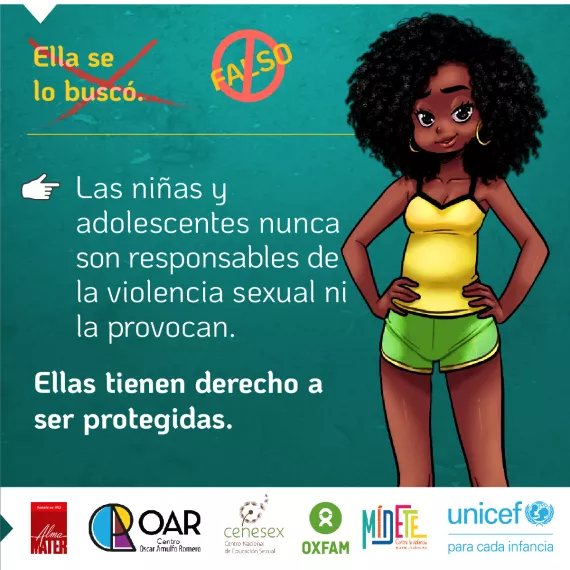
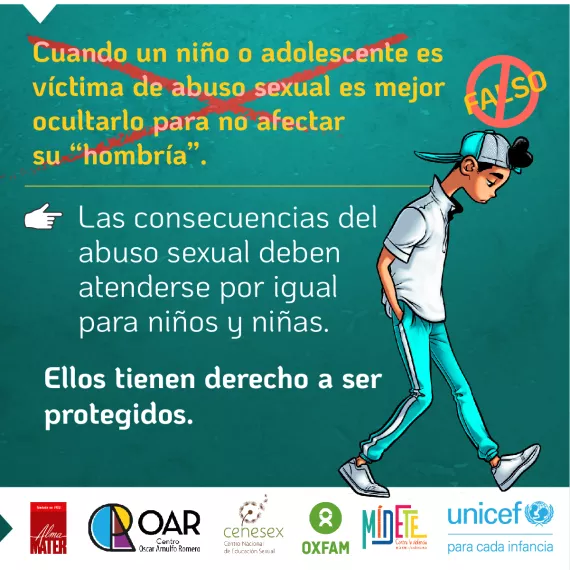
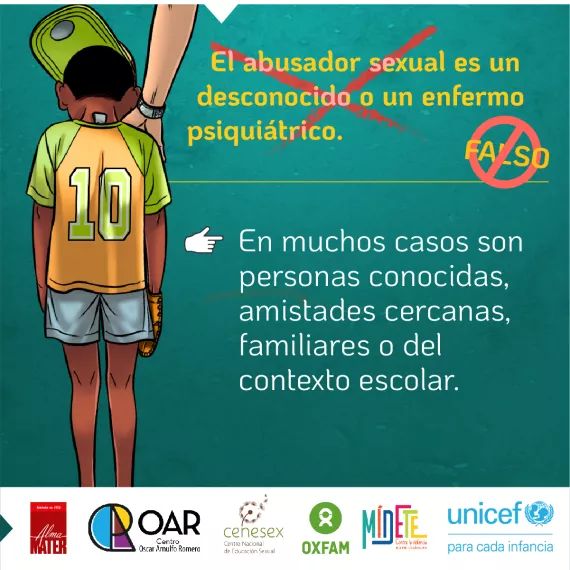
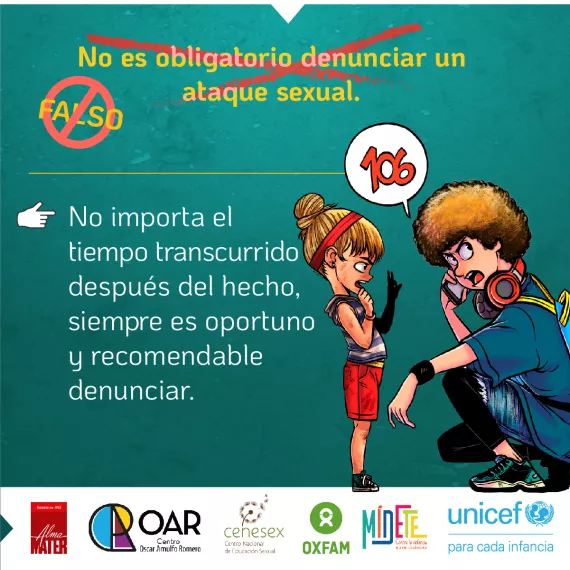
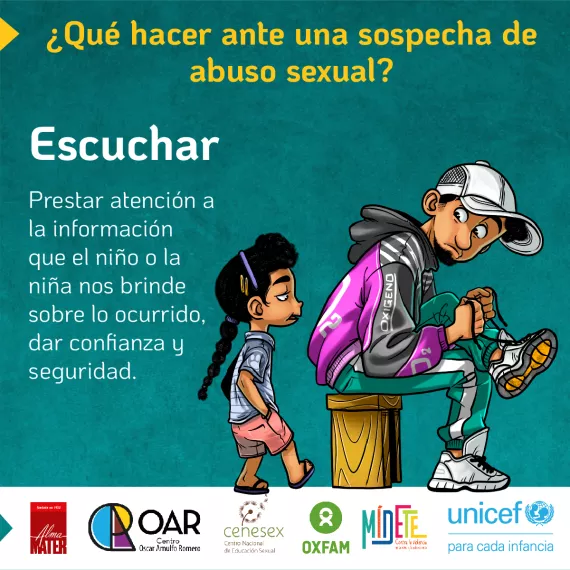
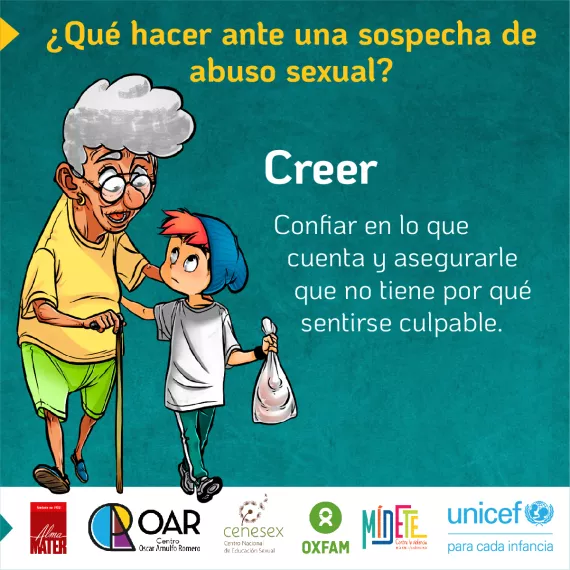
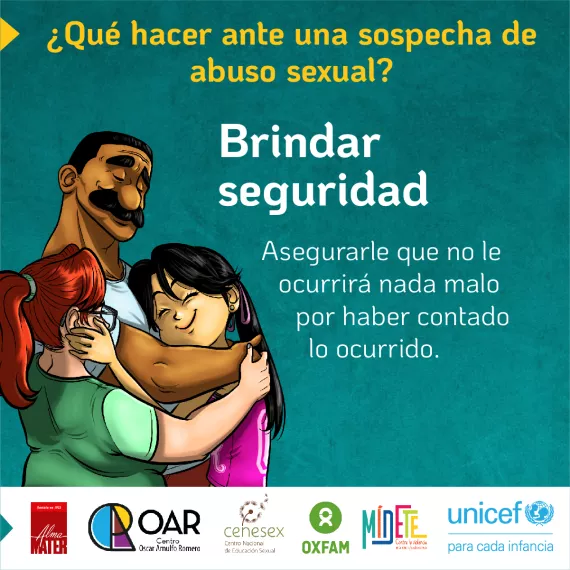
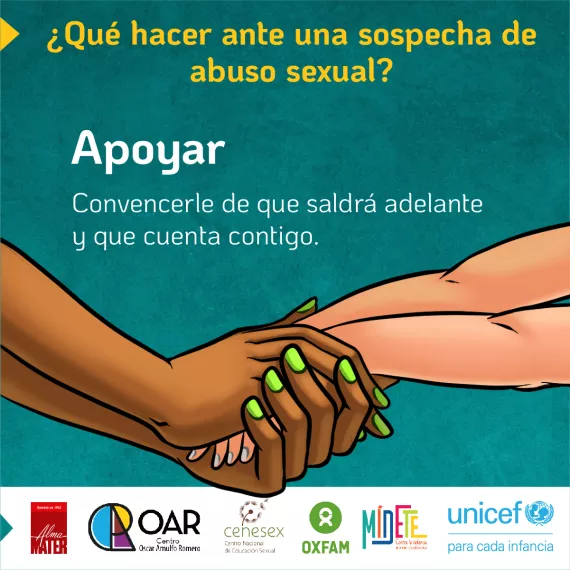
Prevention of child sexual abuse on Social Media