The 8th Media Literacy Days
Over 400 events already registered across all counties, with more registrations still coming in

- Hrvatski
- English
Zagreb, April 1, 2025 – The 8th Media Literacy Days, organized by the Agency for Electronic Media and UNICEF, under the patronage of the Ministry of Culture and Media and the Ministry of Science, Education and Youth, will take place from April 7 to April 13, 2025, featuring numerous additional events in the weeks before and after.
This year, the focus is on raising awareness among children and young people about the digital footprint they create through their online activities, safeguarding privacy, and educating them about disinformation and fact-checking.
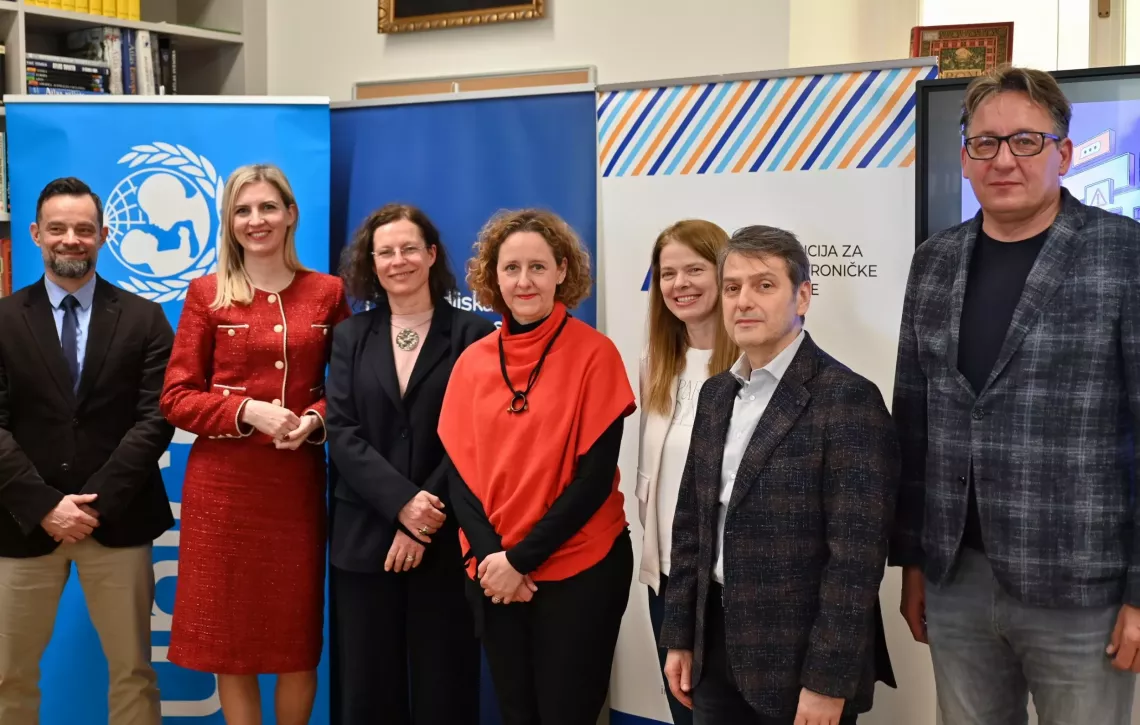
The importance of systematically providing children and young people with opportunities to learn media literacy skills is demonstrated by data from a survey conducted by Ipsos for the Agency for Electronic Media and UNICEF*:
- 62.3% of young people (aged 16–25) have not had the opportunity to learn about media literacy.
- 68.4% of respondents believe that media literacy should be more significantly incorporated into school curricula.
- Young people (aged 16–25) are most concerned about online violence, the impact of social media on mental health, identity theft, disinformation, and violent content.
- According to the October 2024 Eurobarometer, 41% of Croatian citizens aged 16 to 30 reported having been exposed to disinformation.
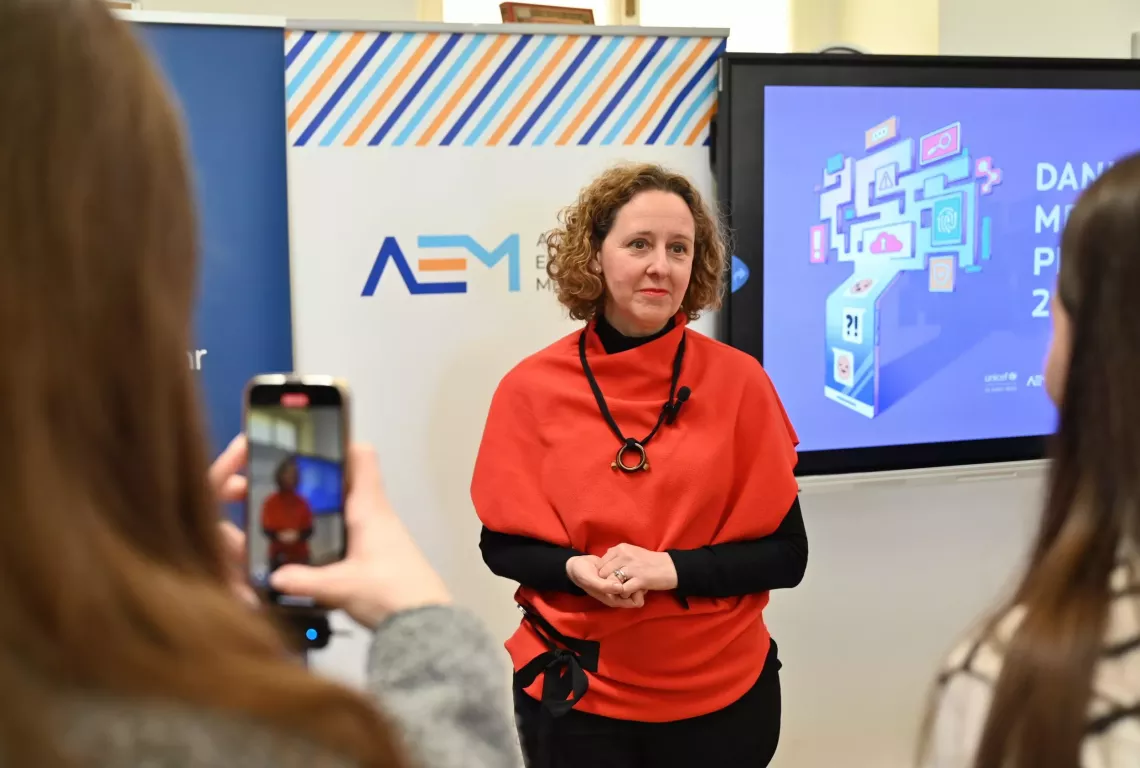
“Everything currently happening in the world confirms that our task must be to provide systematic support for empowering not just young people, but all citizens, with skills in media literacy. We need to create conditions where everyone can learn and inform themselves about how to find relevant information and protect themselves from misinformation. As part of the National Recovery and Resilience Plan, we have enabled the establishment of an information accuracy-checking system led by independent fact-checkers. This provides an additional platform to help citizens find reliable information amidst the vast amounts of data they encounter daily. We also support Media Literacy Days as an important national project that has raised awareness about media literacy and motivated schools, libraries, and other stakeholders to actively participate in promoting media education” stated Nina Obuljen Koržinek, Minister of Culture and Media.
"Media literacy in schools is key to developing critical thinking and the ability to analyse media content among students. It is an increasingly important topic in the era of digitalization and information overload. Media literacy is a crucial component of modern education as it helps students critically analyse information they receive through various media. In Croatia, media literacy is becoming an increasingly significant part of school curricula, especially given the growing presence of digital media and the influence of social networks on young people. It is integrated across various subjects," said Zrinka Mužinić Bikić, State Secretary in the Ministry of Science, Education, and Youth.
"Faced with current and emerging technologies, in the era of social media, information overload, and the rapid spread of misinformation, citizens need knowledge more than ever to protect themselves from manipulation and fraud, to recognize misinformation, and to adopt critical independence regarding media and social networks. Therefore, the right to media education—specifically, the opportunity to strengthen media literacy skills for citizens—should be as fundamental as the right to information or freedom of expression” said Robert Tomljenović, Deputy President of the Council for Electronic Media.
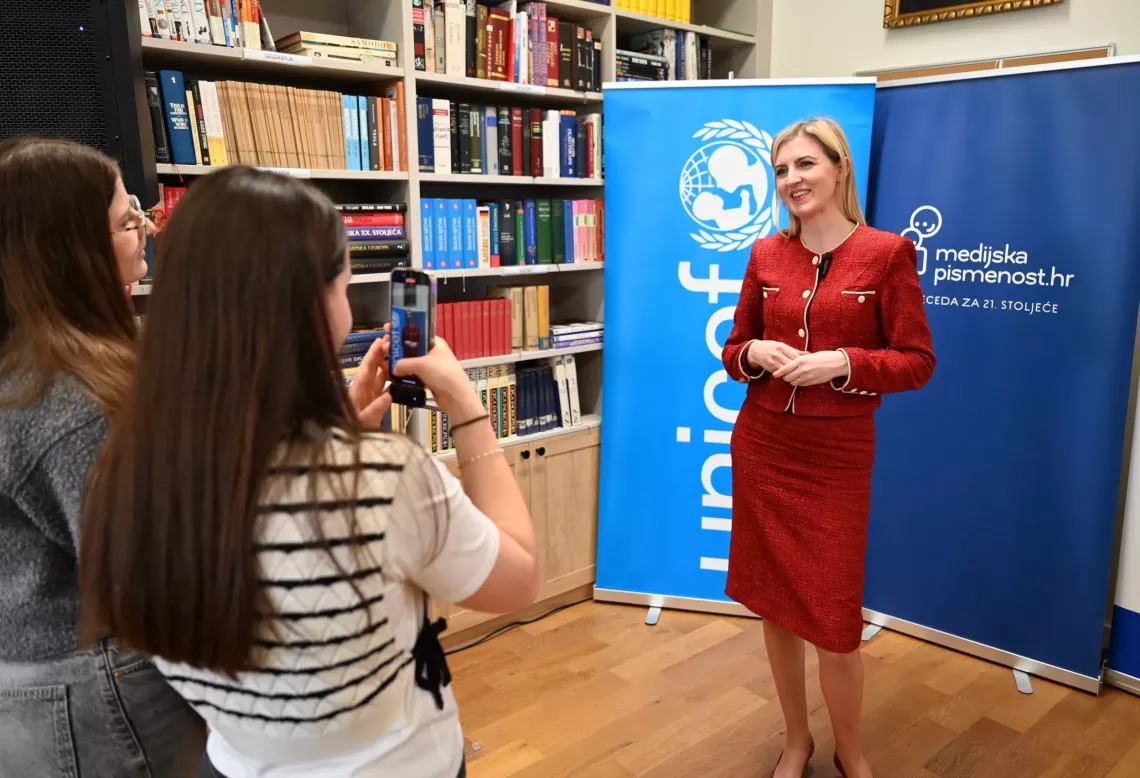
“The internet and advancements in digital technologies bring countless benefits to our everyday lives, offering opportunities for connection, learning, and growth. However, these innovations also come with challenges that demand our attention. Young people are increasingly aware of these issues, citing concerns such as cyberbullying, the impact of social media on mental health, disinformation, and personal data theft. To fully embrace the advantages of digital technologies while mitigating their risks, fostering media literacy skills is crucial. These skills flourish when the opportunities to learn are provided. I extend my heartfelt thanks to educators, teachers, and librarians who actively participate in Media Literacy Days and creating invaluable opportunities for children and young people to enhance their media literacy,” said Luisa Brumana, UNICEF Croatia representative.
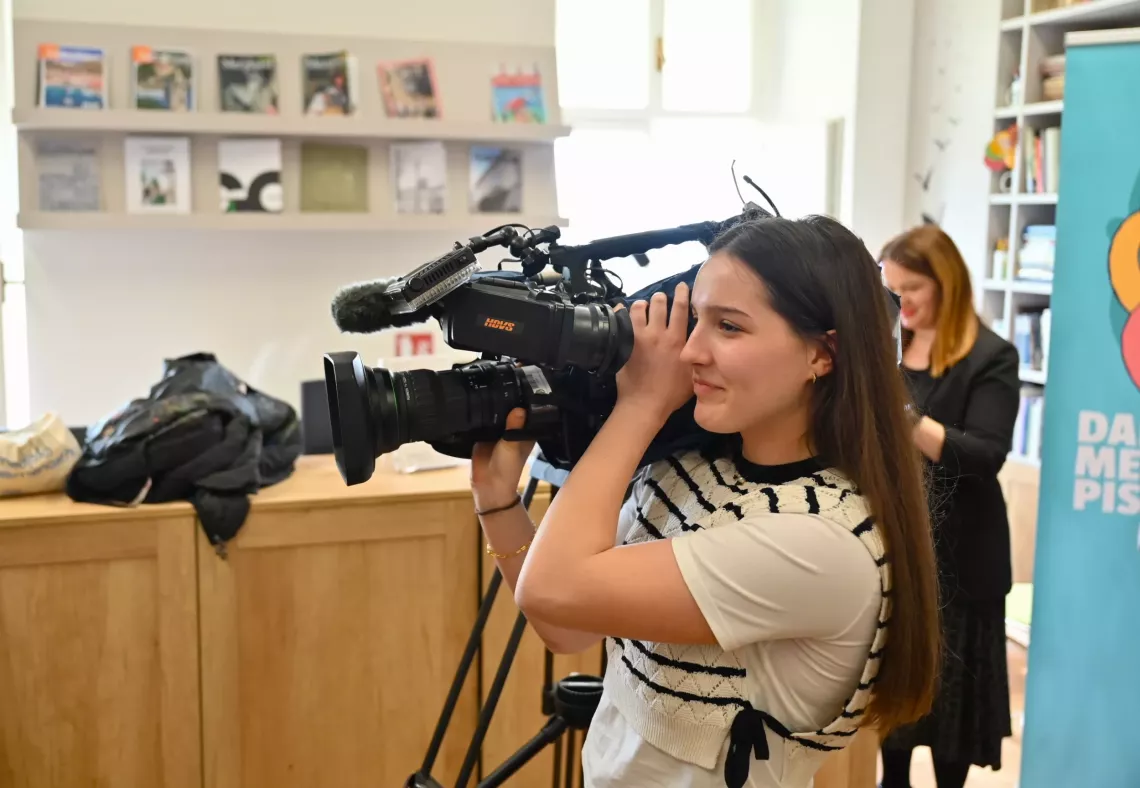
As part of Media Literacy Days, a variety of events will be held—including panel discussions, film screenings, lectures, and workshops in kindergartens, schools, universities, libraries, cinemas, and other institutions. The list of all events is available HERE. Institutions and individuals interested in joining Media Literacy Days and organising events can register via this link. For workshops and lectures, organisers can use educational materials available on the portal medijskapismenost.hr
* The IPSOS omnibus survey for Media Literacy Days, conducted in March 2025, for the Agency for Electronic Media and UNICEF.
---
Media Literacy Days were initiated in 2018 by the Agency for Electronic Media and the UNICEF Office for Croatia to educate and inform children, parents, educators, and teachers about media literacy. Media Literacy Days serve as a platform for collaboration and the development of media literacy projects, as well as support for educators through the creation of educational materials for media education. They are held under the patronage of the Ministry of Culture and Media and the Ministry of Science, Education, and Youth. From 2018 to 2024, Media Literacy Days included over 137,000 children, young people, and adults in more than 2,500 events.
Media contacts
O UNICEF-u
UNICEF promiče prava i dobrobit djece u svemu što radimo. U suradnji s partnerima, radimo u nekima od najizazovnijih dijelova svijeta kako bismo pomogli najugroženijoj djeci na svijetu. U više od 190 država i teritorija radimo za svako dijete, s posebnim fokusom na najranjiviju djecu.
Pratite što radimo za djecu i mlade u Hrvatskoj na našem Facebooku, Instagramu, Twitteru i YouTubeu.