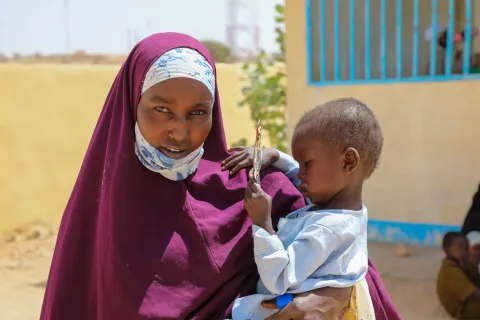
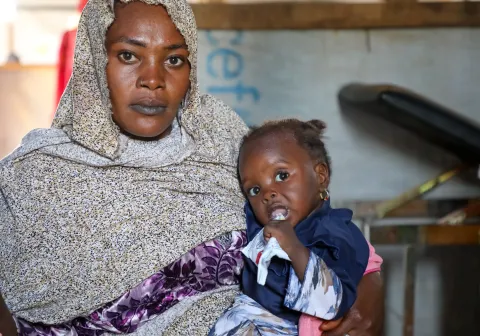
In Golonti, women mobilize against malnutrition through GASPA groups
In Golonti, women fight against malnutrition
- English
- Français
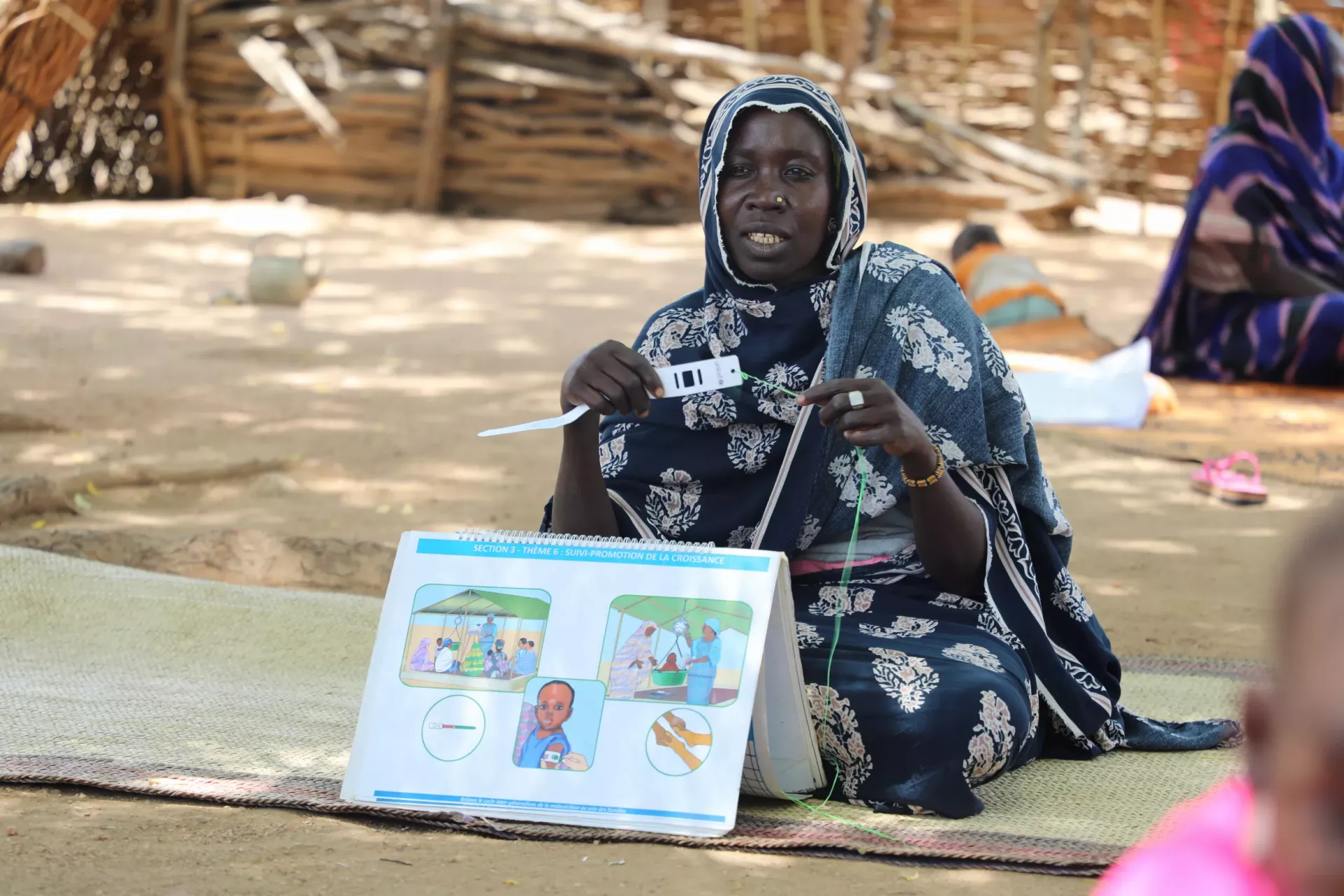
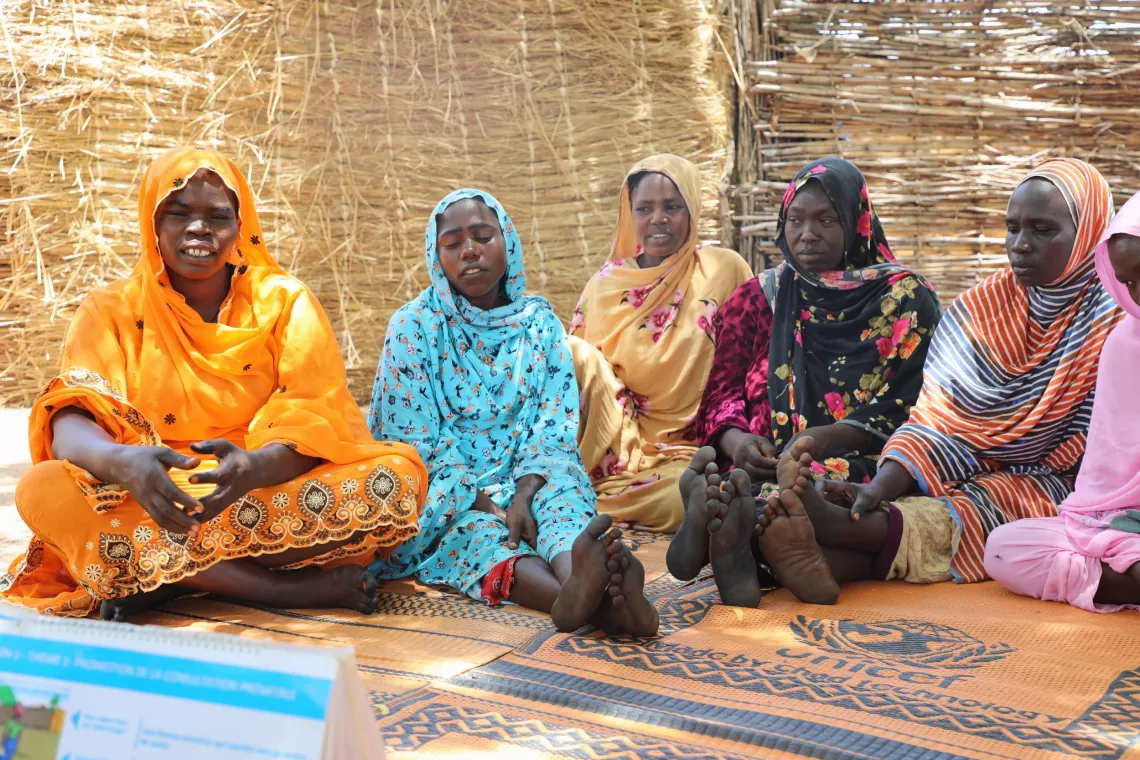
Under the wide shade of trees in Golonti, a small village located 18 kilometers from Mongo in the Guéra province, about 30 women have gathered. Split into two groups, they are actively taking part in a sensitization session led by two women from their own community. These women are facilitators of the Infant and Young Child Feeding Practices Learning and Monitoring Group (GASPA), committed to improving the health of mothers and children.
GASPA is a community-based approach implemented by UNICEF and its partners. Its goal: to prevent chronic malnutrition in children by promoting simple, effective practices adapted to the local context.
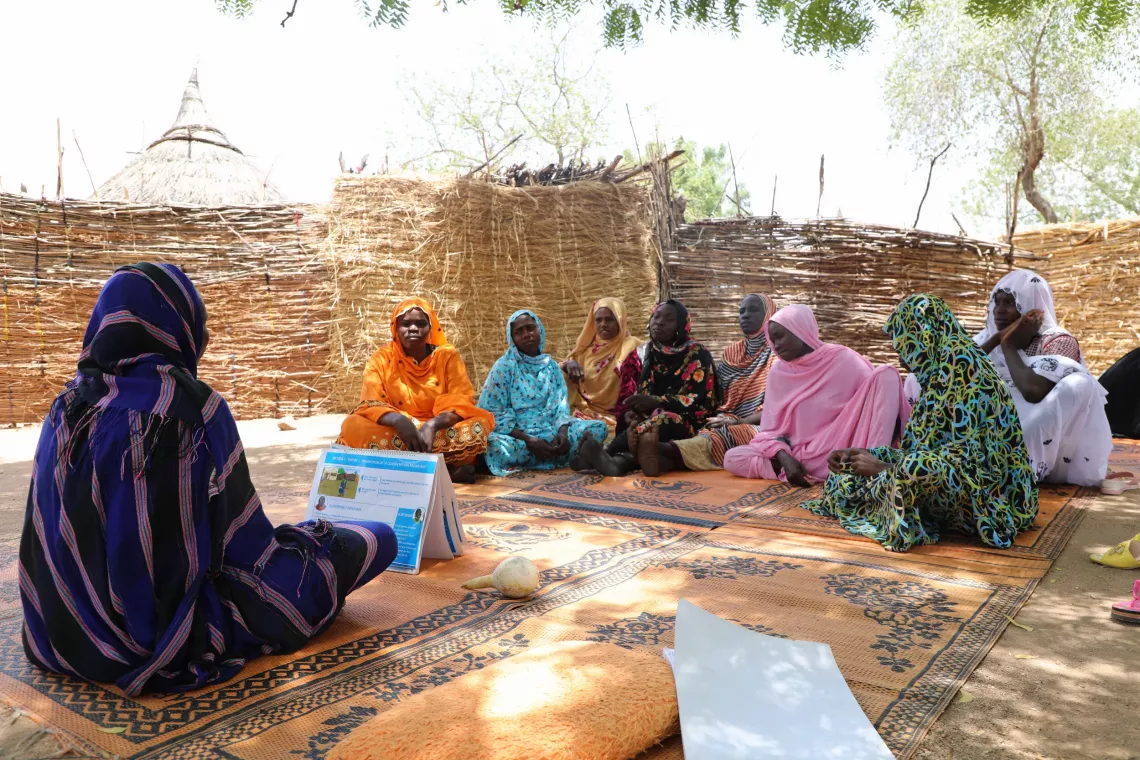
These groups are structured around the specific needs of women based on their situation: pregnant women, breastfeeding mothers with children under six months, mothers of children aged 6 to 23 months, and those with children between 24 and 59 months. Every week, they meet to discuss, learn, and practice good nutritional habits together—such as exclusive breastfeeding or preparing enriched porridge using local ingredients.
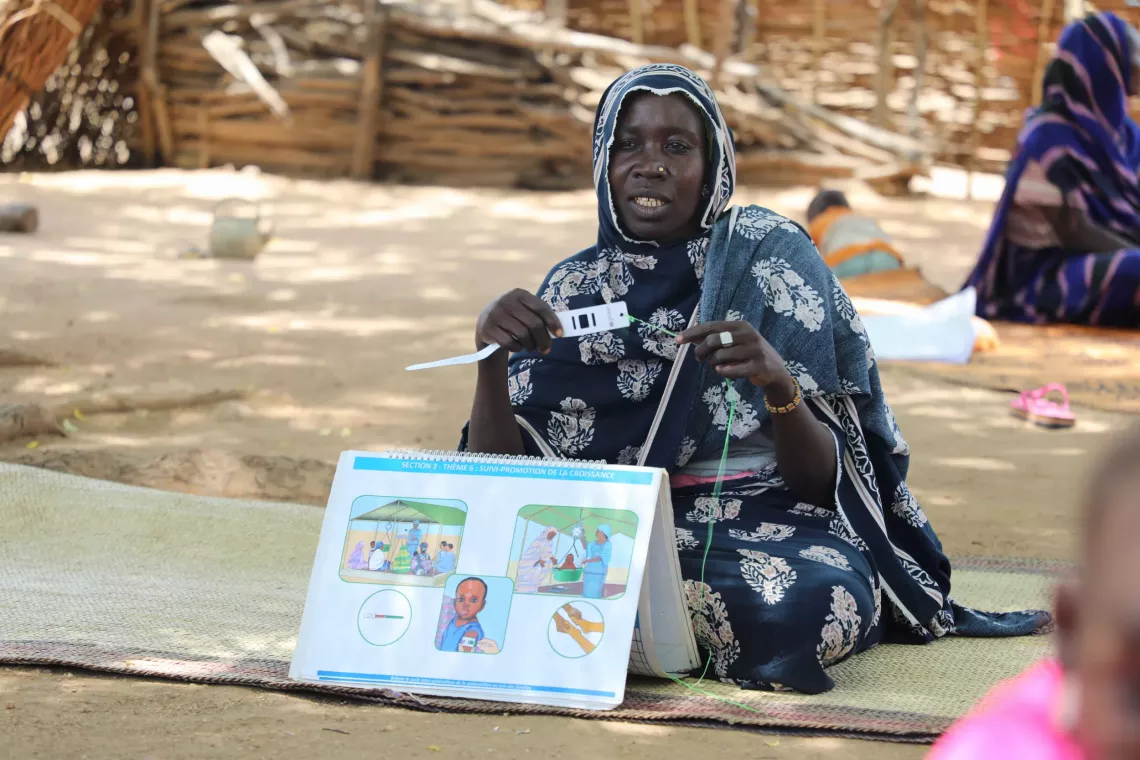
Among the facilitators in Golonti is Al-Rowda Bakaye, a 34-year-old mother of six who has been involved for nearly four years. A farmer by trade, she dedicates four days each month to her work as a GASPA facilitator. Her commitment goes far beyond awareness-raising: she accompanies pregnant women to the hospital for prenatal check-ups, encourages them to give birth in health facilities, and guides them on the importance of exclusive breastfeeding.
“I’m motivated because I want the children in my community to be healthy,”
she says.
“Before, pregnant women were often sick, and so were the children. But today, things have changed. Children are born in hospitals, are well-fed, and fall sick less often.”
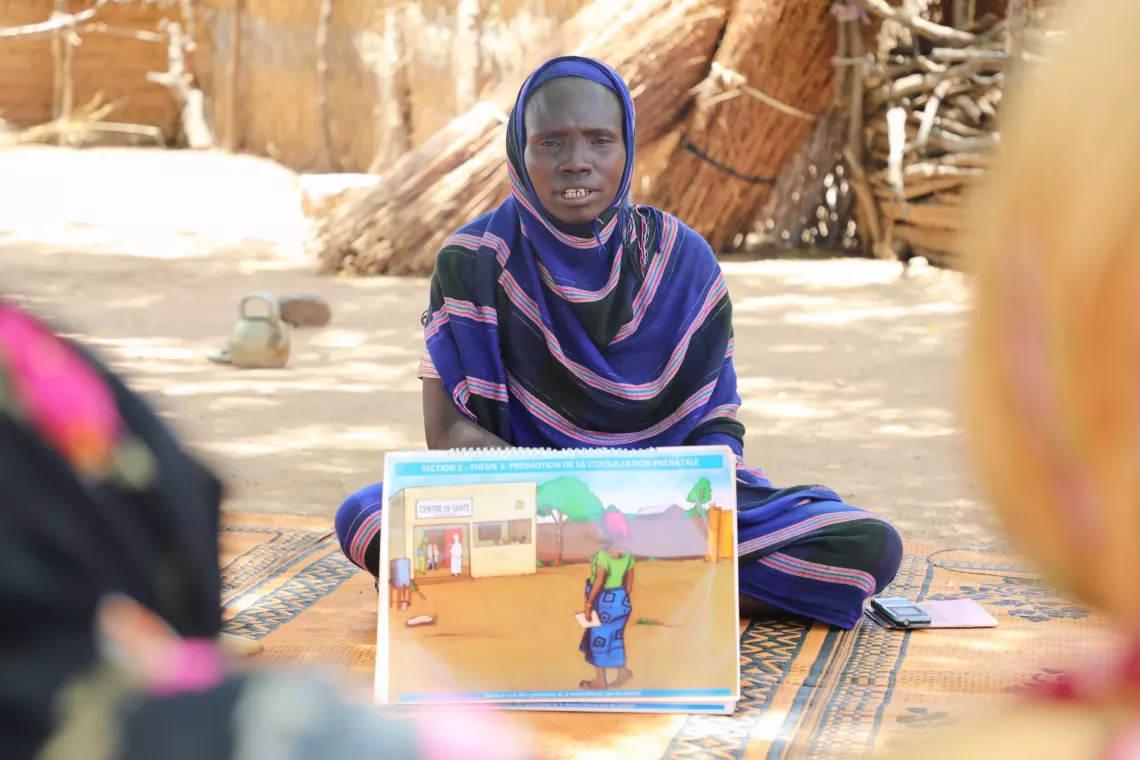
Rakhié Khamiss, 29, has been a facilitator for a year. Like many others, she is a farmer and the mother of eight children. In her group, she supports 30 women—15 pregnant and 15 breastfeeding.
“I do this work to help women save their lives and the lives of their children. We don’t want sickness or suffering in our village anymore,”
she says.
“In the past, women used to give birth at home. Now, almost all of them go to the hospital.”
Rakhié does not hesitate to go from house to house to remind women of the advice, reinforce key messages, and make sure no one is left behind.
Among the participants is Habsa Abderamane, 35, who attends the session with her one-year-old daughter, Maimouna. A homemaker and small-scale trader, and mother of 10 children, she has been taking part in GASPA activities for several years.
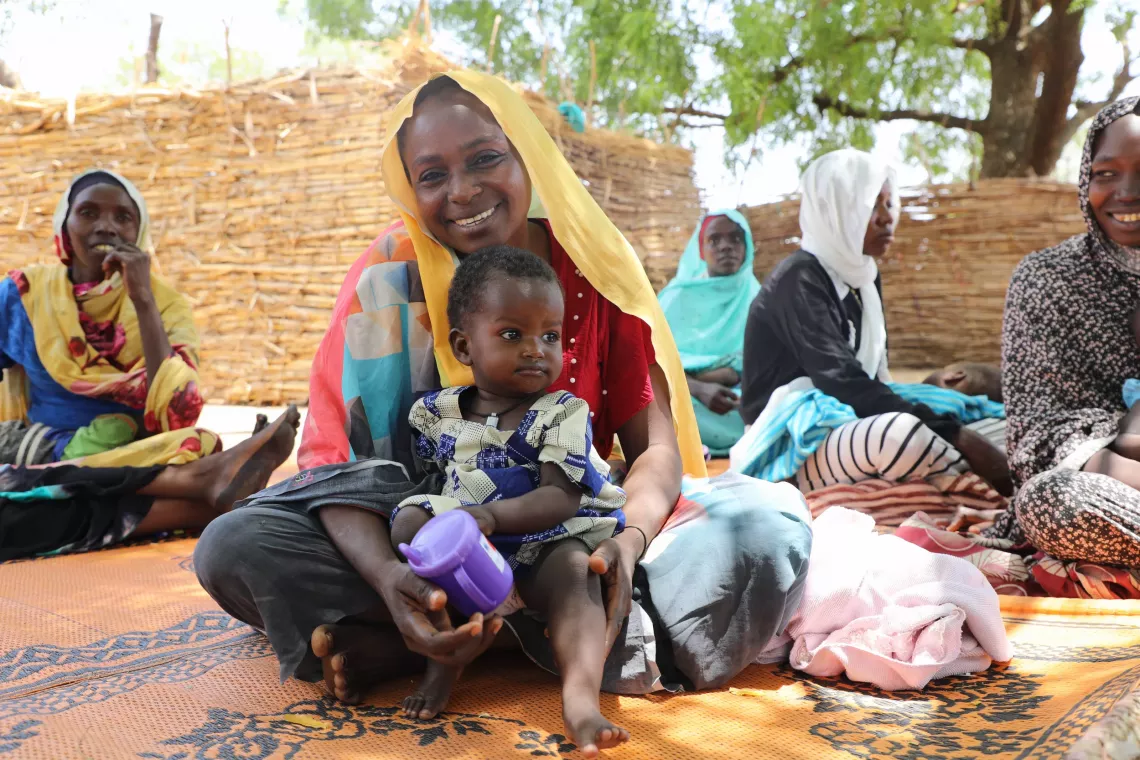
“Since my pregnancy, I’ve been attending sessions. I practiced exclusive breastfeeding. For my last three children, I applied everything I learned here,”
she says.
“I’ve understood the importance of spacing births and feeding my children properly. I come here for their well-being.”
This community-based, participatory approach allows the women of Golonti to gain confidence, support one another, and acquire the knowledge they need to protect their health and that of their children. The results are visible: a decrease in malnutrition cases, more women giving birth in health facilities, and better take-up of exclusive breastfeeding and hygiene practices.
With support from the German Government through the Sahel Resilience Partnership—implemented by UNICEF, the World Food Programme, and GIZ—UNICEF supports the Chadian government in strengthening the resilience of children, adolescents, women, and vulnerable families in the Guéra province. UNICEF works alongside communities to sustainably prevent child malnutrition by strengthening local capacities and ensuring every child gets a better start in life.
As part of this Partnership, the GASPA approach in Golonti is complemented by other multisectoral interventions, including prenatal and postnatal care, vaccination, integrated management of childhood illnesses, and birth registration. German government funding has also enabled the construction of a water point for the community and provided support to the local school and health center.