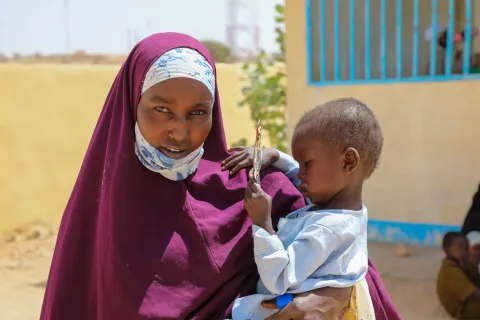
In the Shadow of Malnutrition
Severe acute malnutrition is threatening the lives of thousands of children in eastern Chad
- English
- Français
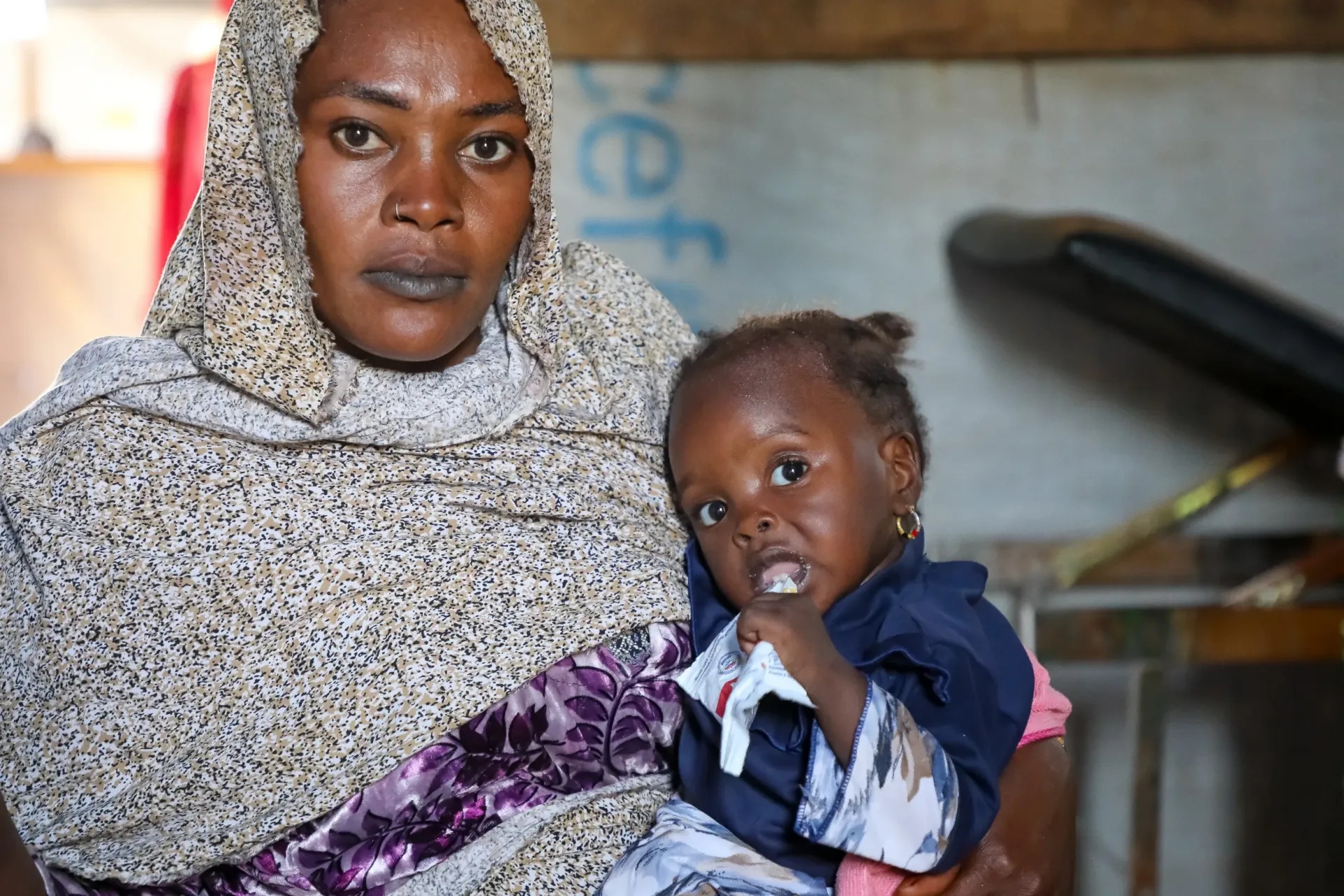
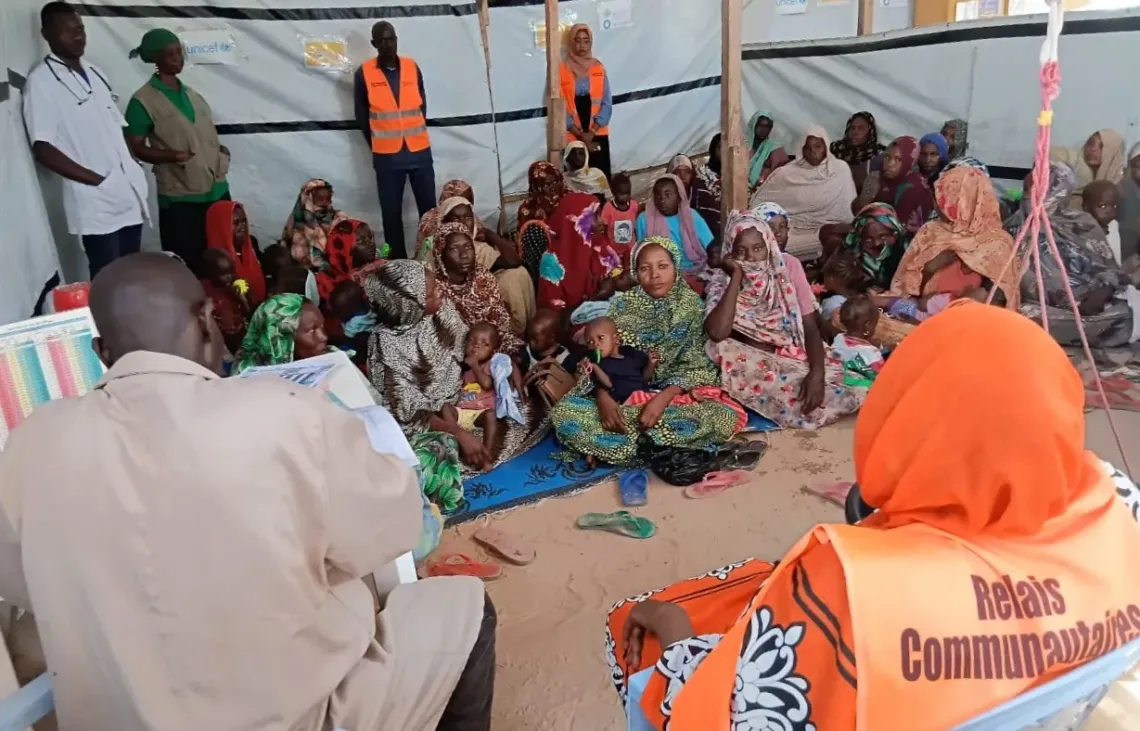
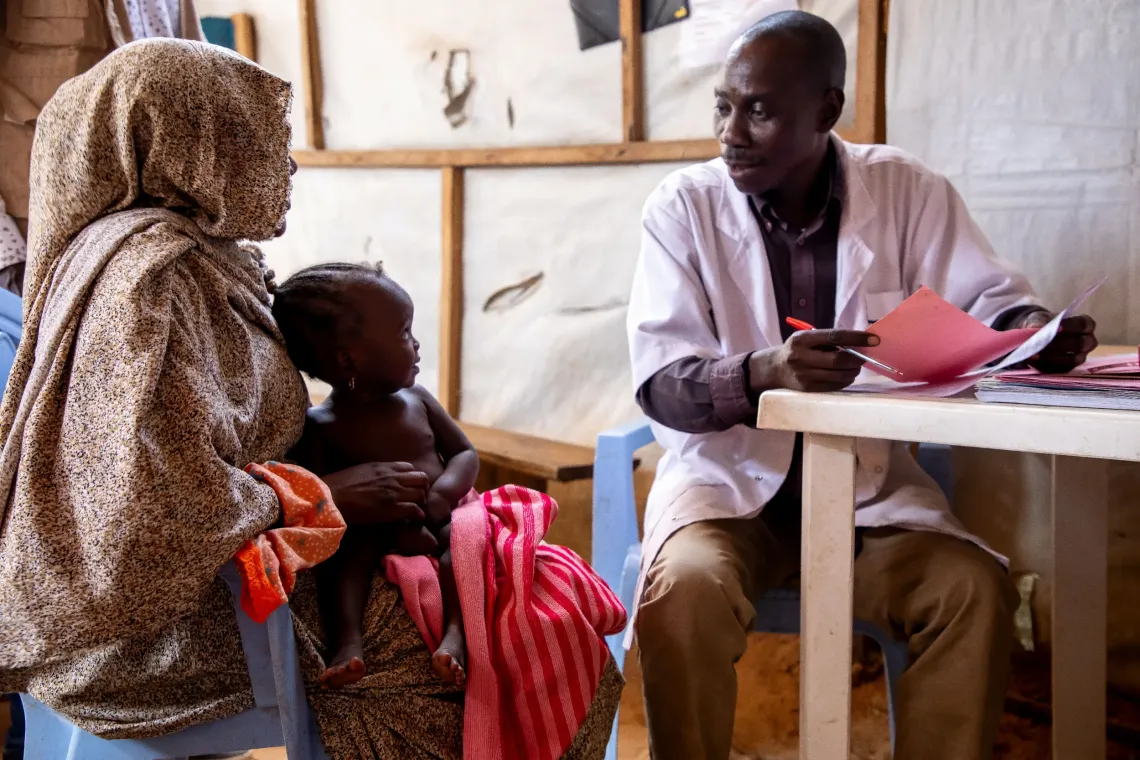
It is Tuesday. Daybreak has barely begun, yet mothers are already gathering at the nutrition support centre with their frail children cradled in their arms. Some, having arrived earlier, wait quietly; others whisper softly as they await consultations to start. All are driven by the same urgent hope: to have their child treated and saved.
Every Tuesday in Adré, eastern Chad, the mobile clinic operated by Action Against Hunger with support from UNICEF receives Sudanese refugee and Chadian children, all suffering from severe acute malnutrition, a silent and life-threatening disease that continues to endanger their survival.
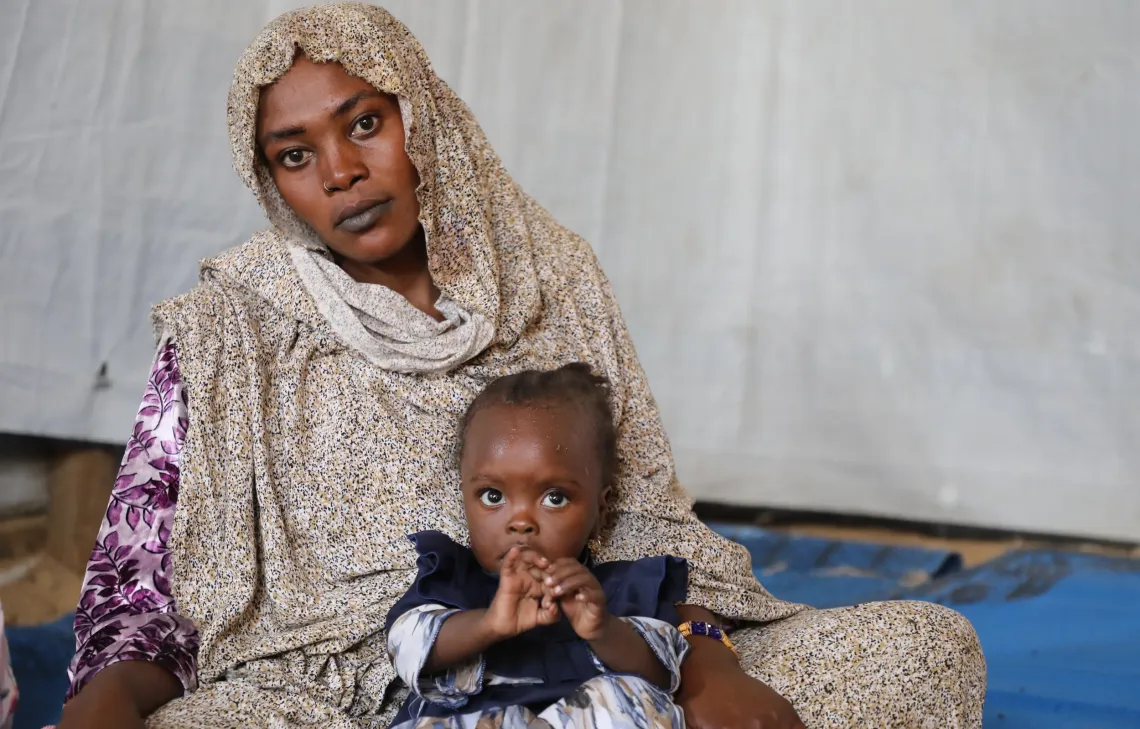
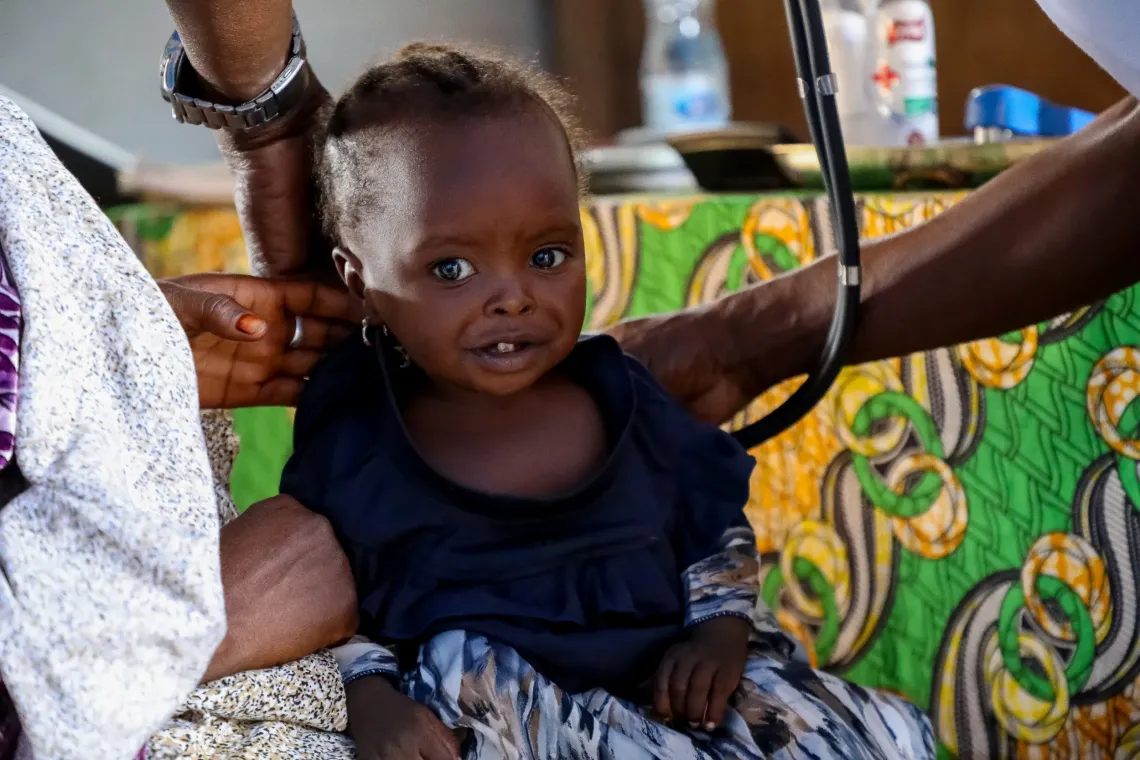
Amid this atmosphere of anxiety tempered by hope emerges from the story of Mahaza, a 15-month-old little girl brought by her mother for a follow-up consultation. Her condition reflects that of many other children across eastern Chad.
Mahaza is not attending the clinic for the first time. Three weeks earlier, she had shown alarming signs of sickness: diarrhea, fever, visible wasting in her limbs, and loss of appetite. Her condition was clearly deteriorating.
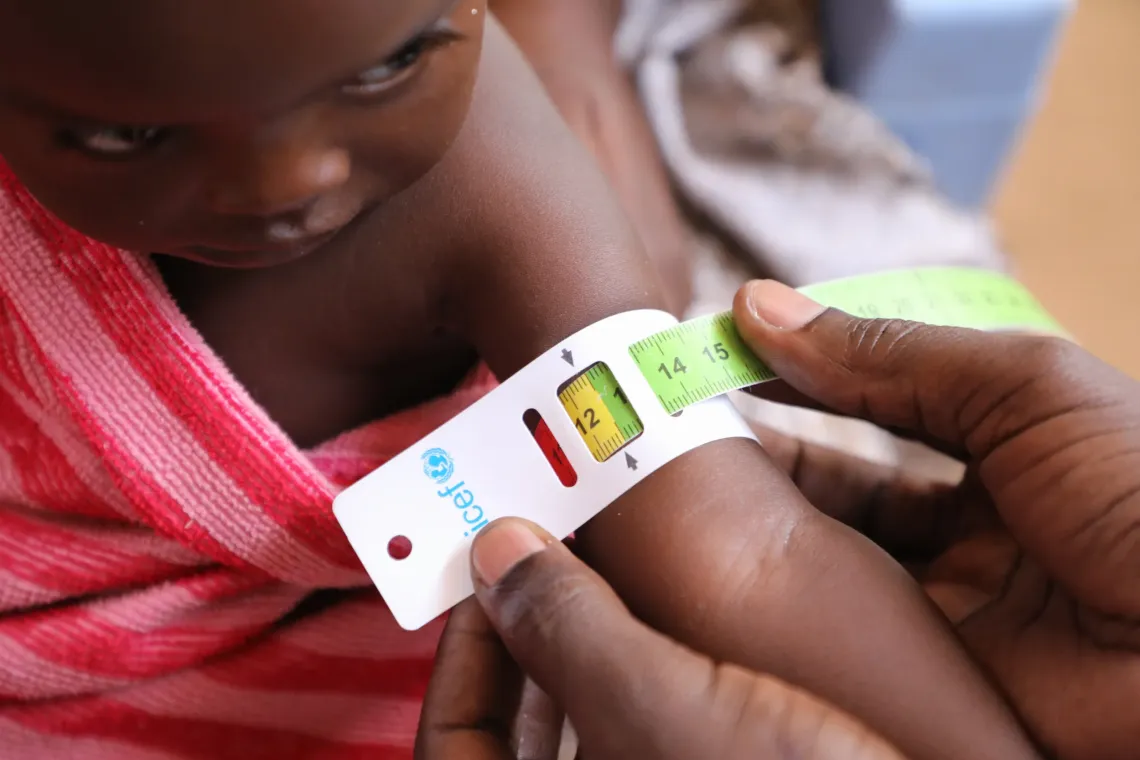
Deeply concerned, her mother, Alimé, immediately took her to the clinic for assessment. The mid-upper arm circumference (MUAC) tape placed around her daughter’s arm fell within the red zone; a clear indication that Mahaza was suffering from severe acute malnutrition.
I was very afraid for my daughter. She cried constantly, no longer played, and was barely eating.
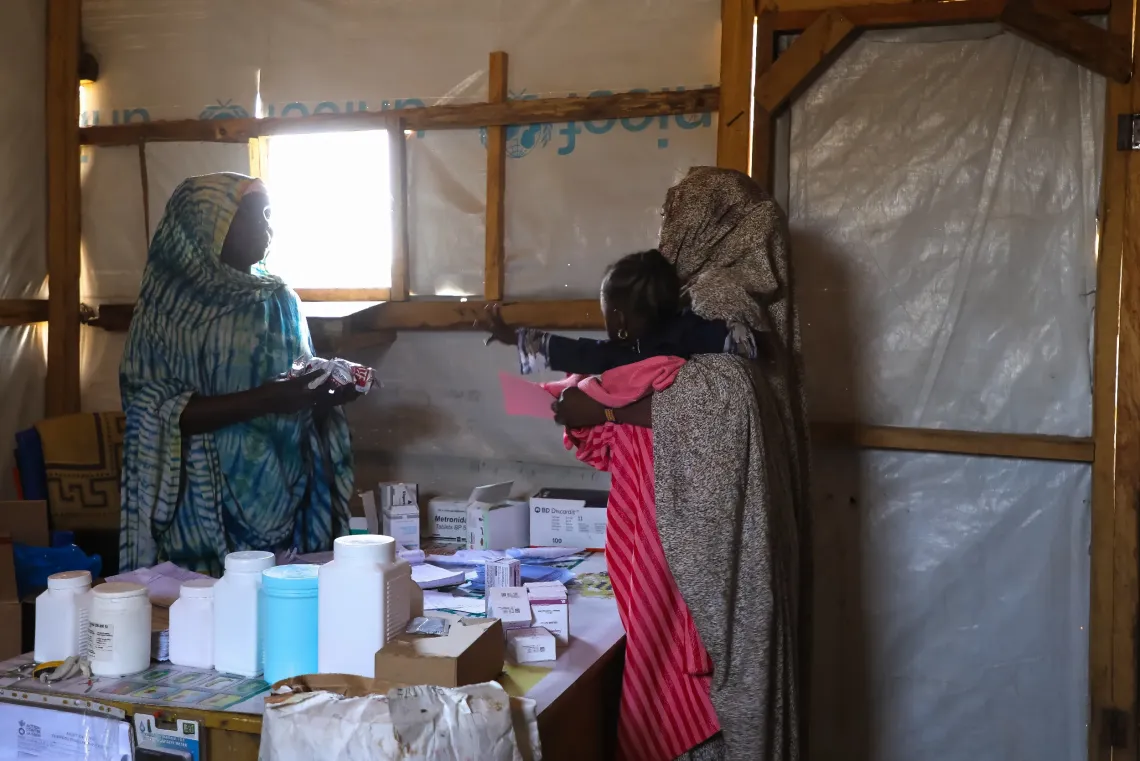
Following the diagnosis, Mahaza was immediately admitted for treatment. She received medication for diarrhea and fever, along with ready-to-use therapeutic food, rich in essential nutrients to help restore her strength and stabilize her condition.
At the same time, Alimé received tailored counselling on child nutrition and hygiene. Health workers explained how to prepare nutrient-enriched porridge adapted to the needs of infants and young children, helping to ensure Mahaza’s sustained recovery once back at home.
Mahaza’s condition is now improving steadily. Thanks to treatment and regular follow-up, she is gradually regaining strength. The measuring tape placed around her arm no longer falls in the red zone; it is now in the yellow, a sign that the treatment is yielding results.
From the very first doses of the therapeutic sachets I gave her, I noticed a change. She has started playing again, and I can feel that she is gradually regaining her strength.
This life-saving care is made possible through the support from UNICEF, in partnership with Action Against Hunger, with the financial contributions of the European Union’s humanitarian aid, the Government of the United States, Global Affairs Canada through the Child Nutrition Fund, Swiss Cooperation, and the United Nations Central Emergency Response Fund (CERF).
Without this clinic, I believe many women here would have already lost their children.
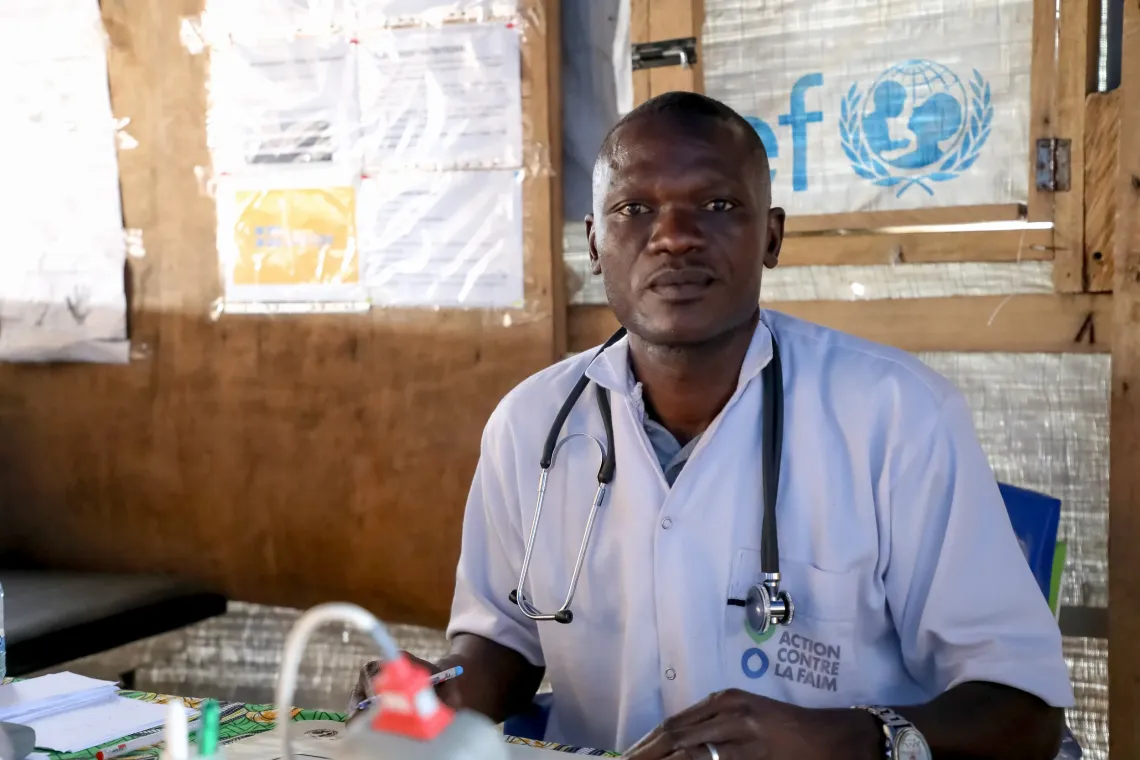
What we are doing here with UNICEF is of critical importance. UNICEF is a key partner, particularly in the provision of essential nutrition supplies. We are not experiencing stock-outs, which is decisive in such a fragile context as Adré.
Beyond the provision of nutrition supplies, UNICEF supports capacity building for healthcare teams through targeted training aimed at improving the quality of care. UNICEF also provides essential medicines and equipment required for treatment activities, including weighing scales, height boards, mid-upper arm circumference (MUAC) tapes, patient registers, and other critical tools.
“The level of deprivation here is extreme. These families have fled the conflict. They have lost everything and now survive on whatever little they can find. This is one of the primary drivers of malnutrition among most of the children we see” Blaise explains.
From 1 to 28 January 2026, the Adré mobile clinic recorded more than 100 new admissions of severe acute malnutrition and 150 cases of moderate acute malnutrition, figures that underscore the magnitude of the crisis at the site.
In a region marked by the massive influx of Sudanese refugees and the increasing vulnerability of host communities, timely and effective treatment of malnutrition represents a lifeline for countless families. As long as this lifeline endures, more children’s lives can still be saved.