When the photovoltaic system revives the integrated health center of Mourbaré.
In this locality situated in the town of Kaélé, Far North Region, the installation of a photovoltaic water supply system has transformed the functioning of the health center and the lifestyle of the inhabitants.

In this locality situated in the town of Kaélé, Far North Region, the installation of a photovoltaic water supply system has transformed the functioning of the health center and the lifestyle of the inhabitants.

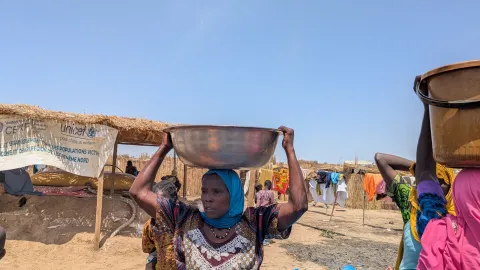
The integrated health center (IHC) which is managed by a head nurse, has few activities such as 5 to 9 consultations per day, depending on the season. It has a well where residents come to get fetch water. When drawing the water, the containers and the ropes get in contact with the soiled and soak in the well hence the water gets contaminated. Treatment of the well with chlorine is not always enough to make the water drinkable or prevent epidemics like diarrheal diseases that are frequent during the rainy seasons. Power failure is frequent and makes treatment difficult. Most often the nurse is forced to use the torch on his mobile phone during deliveries. Pregnant women prefer to travel long distances to receive proper medical care because the IHC is unable to provide overnight care due to lack of electricity. This image paints the picture of the integrated health center of Mourbaré, before the installation of the photovoltaic water supply system.

Set up by Africa Innovation and financed by UNICEF and the Islamic Development Bank (IDB), this innovative solar-powered water supply system can purify and store up to 80,000 liters of water in a single day. It supplies water to all the taps in the health center, as well as 3 standpipes with 3 taps each, distributed in the courtyard where the local population come to fetch water.
To ensure the sustainability of the initiative, a management committee made up of community members was created to manage the operation and maintenance of the structure.
This innovation has made it possible, among other things, to significantly improve the quality of care provided to the inhabitants of Mourbaré and the neighboring villages; the on-site storage of vaccines and drugs requiring refrigerators; improving the working conditions of the medical team; the provision of electricity through an environmentally friendly system that contributes to the global effort to reduce greenhouse gases. Patients can now seek treatment at any time of the day, especially for emergencies and childbirth.
Above all, the installation of the system enhanced the image of the nurse and the health center in the community.

Before, the situation was really complicated, and most pregnant women preferred to go to a referral hospital for fear of possible complications in case of night deliveries. Today, attendance at the health center has significantly increased. We receive an average of 20 deliveries per month, compared to 9 before the installation of the photovoltaic system.

UNICEF and partners are stepping up efforts in water supply and sanitation systems by investing in green technologies that ensure access to safe drinking water and directly contribute to improved health outcomes in the most vulnerable localities.