One Breast for Two Lives: When Breastfeeding Saves an Infant in Zamaï
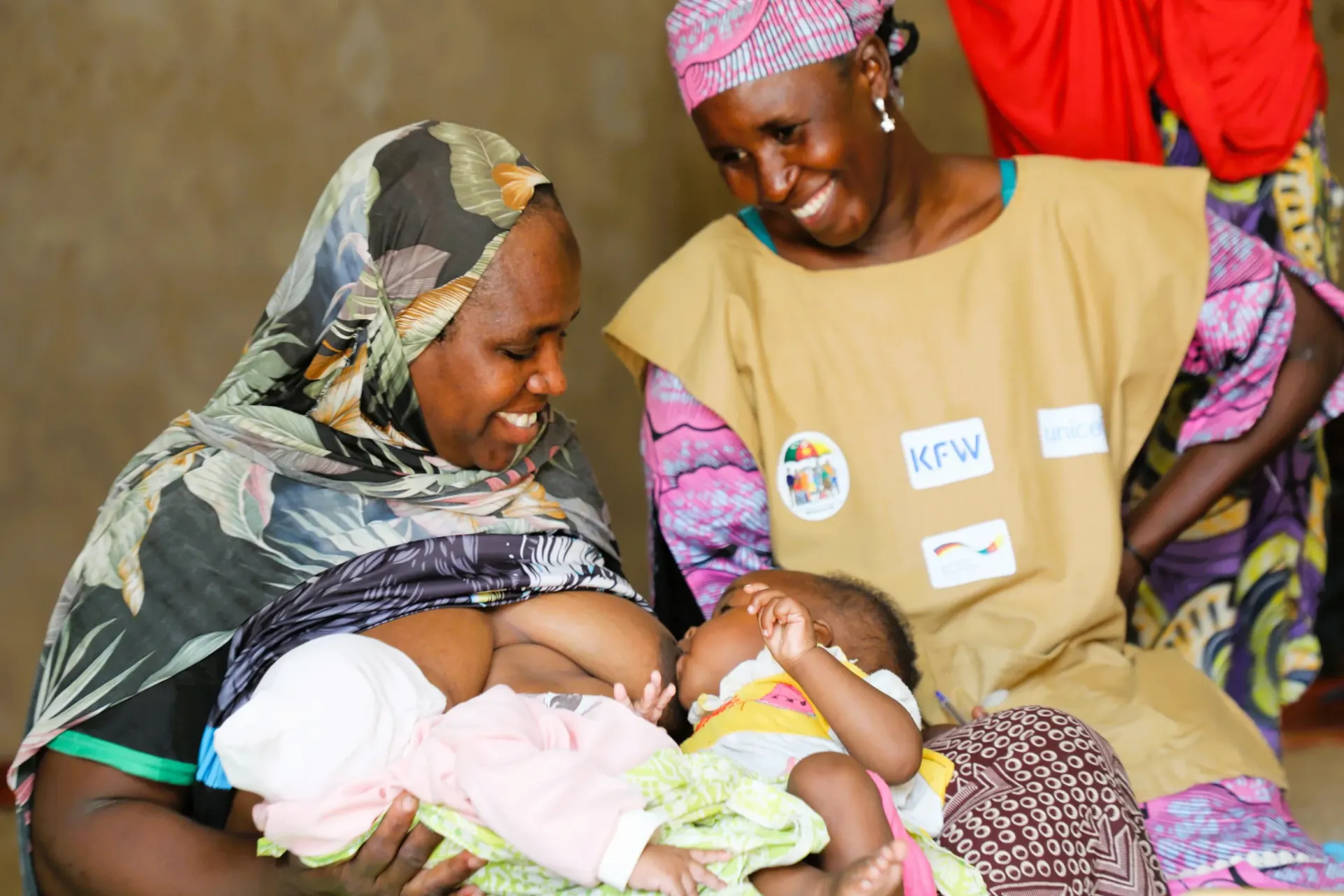
In Zamaï, in Cameroon’s Far North, Roukayatou breastfeeds two infants at the same time. One is her daughter. The other is her late sister’s child. A lifesaving act made possible through knowledge and family solidarity
- English
- Français
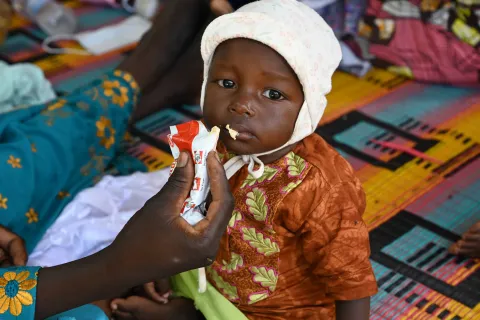
At the Outpatient Nutrition Centre for Severely Malnourished Children (CNAS) in Zamaï, in the Far North of Cameroon, mothers arrive early in the morning, their babies clutched close to them. Some wait anxiously for the results of anthropometric measurements. For many children, the diagnosis is serious: severe acute malnutrition. They will be admitted to the programme, receive ready-to-use therapeutic food and regular monitoring to regain their strength.
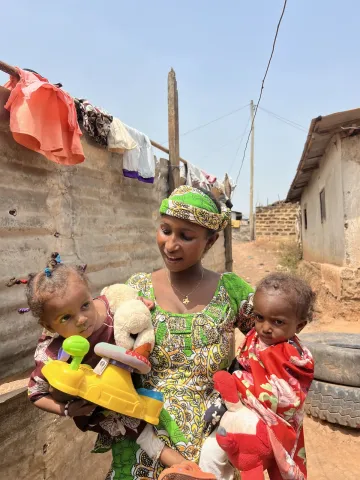
Amidst this medical routine, a woman sits silently, two infants nestled against her chest. Her name is Roukayatou. The two children she holds are not twins. Koulsoumi is nine months old. Ousmanou is barely two. Yet they are both fed from the same breast. In recent weeks, Roukayatou has become much more than an aunt: she has become the only mother Ousmanou now has.
When tragedy strikes: an infant left without a mother
Tragedy struck the family suddenly. Roukayatou's younger sister died in childbirth after giving birth at home, a practice that is still common in this region despite the risks and ongoing promotion of hospital births and community healthcare. Severe genital complications took the young woman's life, leaving behind a fragile newborn who had never been breastfed and had no postnatal care. When Roukayatou returned to the village after weeks away, she found a baby who was emaciated, feverish and struggling to breathe. Fear, grief and lack of resources paralysed everyone in the extended family. No one dared to take on this responsibility.
Faced with this impasse, Roukayatou makes an immediate, instinctive, deeply human decision: to breastfeed Ousmanou at the same time as her own daughter.
"I couldn't leave him like that," she said.
In a context of poverty where buying infant milk is impossible, breastfeeding becomes the only defence against malnutrition and disease, the only chance of survival for the infant.
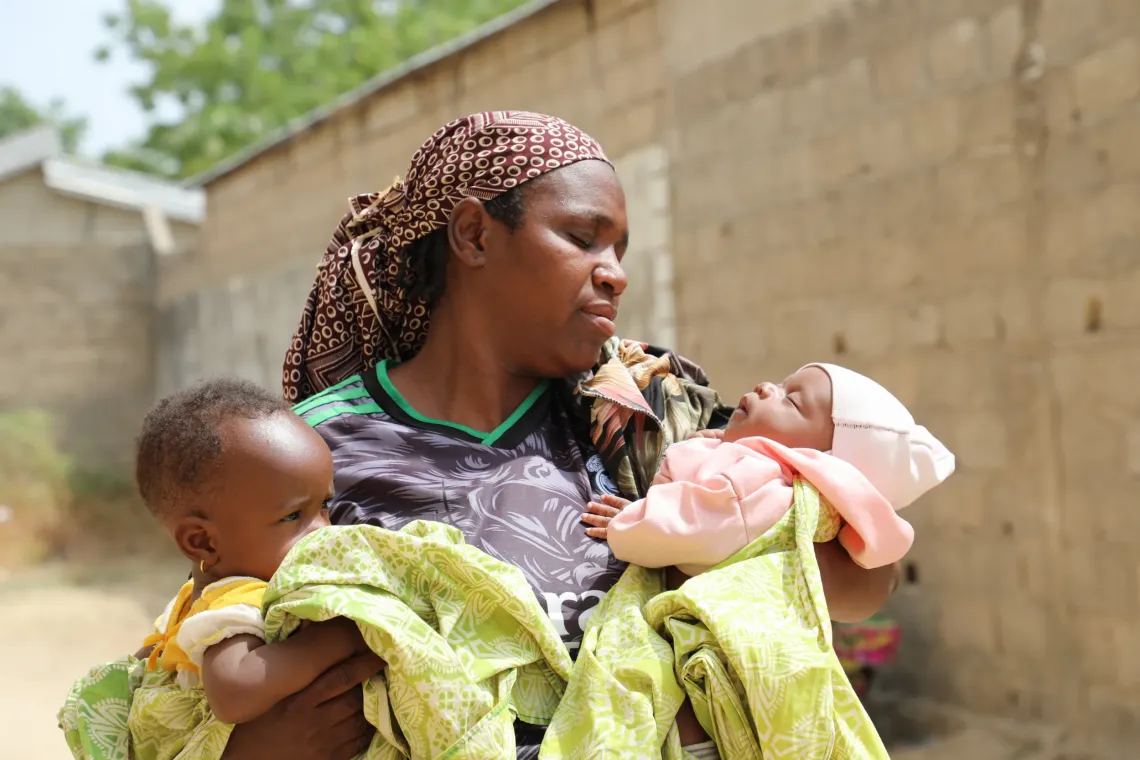
A life choice: Roukayatou, an aunt who became a mother
This choice was not random. A few months before the tragedy, Roukayatou had participated in community awareness sessions on optimal breastfeeding and nutrition for infants and young children, organised with financial support from KfW – German Development Bank. She learned that breast milk is a child's first vaccine, protecting against infections, strengthening the immune system and significantly reducing the risk of malnutrition, especially during the first six months of life.
"She is convinced that breast milk is the best possible food for a child," explains Marc Nicolas, a nurse at the CNAS in Zamaï. "This knowledge, acquired through awareness campaigns, has literally saved a life."
Through a €10 million grant, KfW is supporting UNICEF in improving the nutrition and health of more than one million women, adolescents and young children in the North, Far North, East and Adamaoua regions.
This support helps to promote exclusive and continuous breastfeeding, improve maternal, infant and adolescent nutrition, prevent anaemia in women and girls, support the treatment of severe acute malnutrition, improve access to prenatal and postnatal care, and raise awareness of the dangers of unassisted childbirth.
When Koulssoumi and Ousmanou show signs of respiratory infection, Roukayatou does not wait. She immediately goes to the CNAS. Thanks to the medicines, vaccines and equipment provided by KfW-supported programmes, both children quickly receive antibiotics and adequate medical care.
"We were able to intervene in time," emphasises the nurse.
Combined with optimal breastfeeding, this care has stabilised the condition of Ousmanou, a baby who, without his aunt's commitment, would probably not have survived.
Today, Ousmanou is gradually gaining weight. His breathing has calmed down. His eyes are brighter. At his side, Koulsoumi continues to grow normally, also nourished and protected by breast milk. For the health workers, Roukayatou's gesture has become an example for the entire community.
"It's rare to see a woman breastfeeding a child that isn't hers. Her story deserves to be told," says Marc Nicolas.
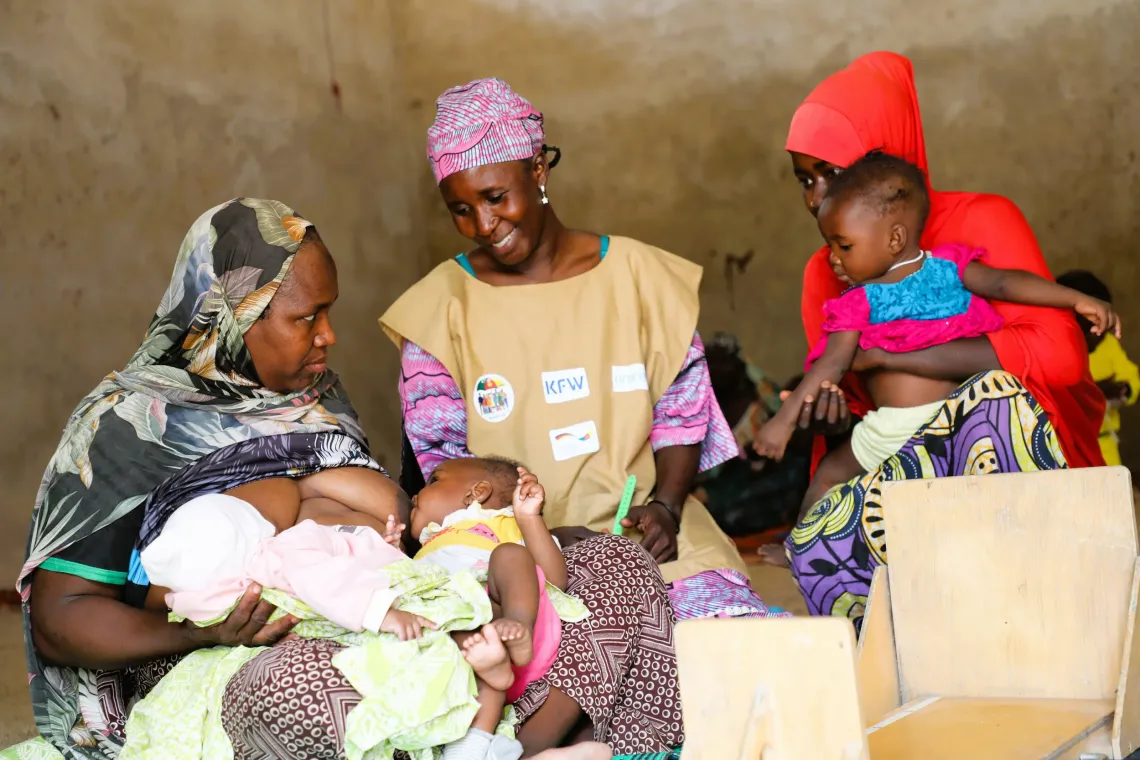
From survival to hope: a story that transforms an entire community
Roukayatou, however, does not see herself as a heroine. When asked what she wants for Ousmanou, she simply replies: "I want him to live. I want him to grow up. Her actions speak louder than words. In a region where too many children already suffer from severe malnutrition, her story embodies several key messages from UNICEF's 1,000 Days Strategy:
- Knowledge saves lives. Community awareness campaigns provide families with vital information that can make a difference in emergencies.
- Breastfeeding is a life-saving intervention. In contexts of poverty and nutritional crisis, it is often the only accessible protection against malnutrition and disease for infants and young children.
- Strategic partnerships amplify impact. KfW's support helps strengthen health and nutrition systems, equip health centres and train communities.
- Family solidarity remains a pillar. In the most vulnerable regions, community support is essential for protecting orphaned or vulnerable children.
In short, his story is one of tragedy turned into hope, of a life saved by knowledge, family solidarity and the commitment of determined partners.
In Zamaï, a two-month-old infant is alive today thanks to an aunt who became a mother, and thanks to a programme that places breastfeeding, nutrition and child survival at the heart of humanitarian action.