"Finally, a birth certificate. My child now has a future."
In the Northwest Region of Cameroon, the ongoing crisis has stripped many children of their legal identity.

In Cameroon, one in three children does not have a birth certificate, rendering them invisible in the eyes of the law. Without this essential document, children are unable to access basic rights, including education, healthcare, and social protection. Many children in crisis-affected areas face the harsh reality of being unable to sit for official exams, such as the First School Leaving Certificate, which limits their opportunities for further education.
Thousands of children have lost their birth certificates due to the burning of homes, forced displacement, or simply because their parents never had access to civil registration services. Some parents, unaware of the importance of birth registration, never took the necessary steps to obtain this document for their children. As a result, a generation of children is left vulnerable to exploitation, child labour, and early marriage, as they lack legal proof of their age or identity.

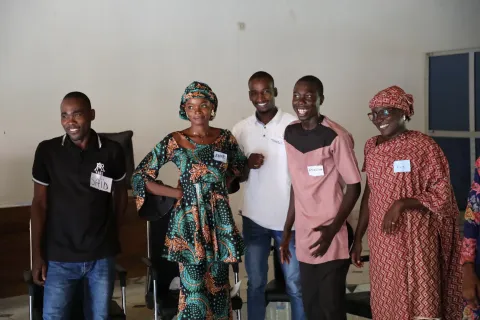
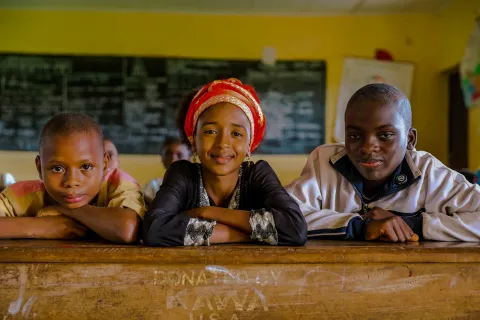
But change is happening. With Funding from EU Humanitarian Aid, UNICEF and its Implementing partner Caritas Bamenda, children at GS Ntoh, Bamendakwe, have finally received birth certificates. Through UNICEF’s partnership with Caritas Bamenda and local authorities, 18 pupils were granted this essential document, giving them hope for a better future. For many families, this was more than just paperwork; it was a life-changing moment.
Parents expressed deep gratitude, knowing their children now had a chance to sit for exams and continue their education.
“I’ve waited so long for this. Now, my child can sit for exams and have a chance at a future,”
For Michael Nde, a community worker involved in the birth registration process, the joy was evident
“Many children lost their identity when their homes were burned, or because their parents had no means to register them. This program will help many more children get their birth certificates. It’s fulfilling to see families happy, and children finally being recognized.”
A birth certificate is more than just a document, it is the foundation of a child’s legal identity. It proves a child's name, nationality, and age, allowing them to access essential services. Without it, children face barriers to education, as many schools require birth certificates for enrollment and exam registration. They may also struggle to receive medical care or be denied access to basic health services. The lack of legal identity increases a child's vulnerability to child labor, trafficking, and forced recruitment into armed groups. Without proof of age, children may face wrongful imprisonment, be denied inheritance rights, or even risk becoming stateless.

While the EU Humanitarian Aid-UNICEF project has helped some children gain legal identity, thousands more are still waiting. The government must strengthen the civil registration system to make birth registration more accessible and efficient. Mobile birth registration units should be deployed to reach displaced communities and crisis-affected areas. At the same time, awareness campaigns must educate parents on the importance of birth certificates and encourage timely registration.
No child should be invisible. With continued efforts from the government, humanitarian organizations, and communities, we can ensure every child in Cameroon has a legal identity. A birth certificate is a key to education, protection, and opportunity. It is every child’s right—and together, we must make it a reality.
You can ensure every child in your community has a name. Take up the challenge and become a champion of citizenship. Being a fundamental right of any human being, no child should be left without a birth certificate.