Cameroon girls take the lead in the fight against cervical cancer
Cameroon, health workers, adolescent girls and young women leaders are helping communities understand the importance of HPV vaccination – giving a new generation the chance to grow up protected.

- English
- Français
When Jemilette accompanied her younger sister to receive the human papillomavirus (HPV) vaccine, the moment lasted only a few minutes. Yet for the nurse, it was a deeply personal moment. It carried the weight of years spent witnessing the devastating impact of cervical cancer and a firm conviction in the power of prevention.
As a student, Jemilette studied HPV and the impact of vaccination. In the health centres where she later worked, the issue became much more than an academic interest. She saw women receive diagnoses that changed their lives and those of their families – enduring physical pain, gruelling treatment and the devastating consequences of cancer detected too late.
“During my career, I have seen women suffer in ways I could never have imagined. Behind every medical file was a mother, a wife, a sister. These experiences deeply affected me.”
Protection many women never had
So, when Jemilette watched her sister receive the HPV vaccine, she saw more than a routine health intervention. She saw an opportunity that many women never had: protection before the disease can take hold and the promise of a stronger future.
Today, through free vaccination campaigns, across Cameroon,30,323 girls and 12,582 boys have received the HPV vaccine, supported by HPV Plus. Cameroon is one of the few countries delivering the vaccine both for boys and girls as a strategy to decrease vaccine resistance
Yet ensuring protection takes more than making vaccines available. It also requires communities and families to understand and trust the vaccine, and people willing to start the conversation.
From fear to understanding
For more than 20 years, nurse Marie Régine has cared for patients in Yaoundé’s Cité Verte neighbourhood. Her commitment to HPV prevention deepened after she witnessed a woman living opposite her health centre fight cervical cancer. She also saw how fear and misinformation could deter families from agreeing to their girls being vaccinated, prompting her to rethink how she approached the subject.
“I don’t tell them simply to come and get vaccinated. I tell them to come and protect themselves.”

For Marie Régine, protection begins with understanding. By explaining what the vaccine protects against, she helps families to overcome fear and see the vaccination as an investment in a girl’s health, future and well-being.
Girls leading the change
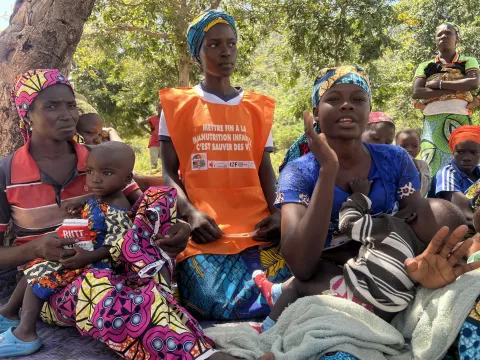
Health workers are not the only ones helping to build trust. Adolescent girls and young women are increasingly leading conversations about HPV vaccination in their own communities.
Through the HPV Plus initiative, UNICEF and partners work with girl- and women-led groups and networks to reach peers, families and communities. By answering questions and challenging misinformation, these young leaders are becoming trusted advocates for adolescent health and protection.

The initiative goes beyond vaccination, using it as an entry point to connect adolescents with broader support, including information and services on gender-based violence prevention, HIV prevention, menstrual hygiene and life skills. This includes reaching girls who face greater barriers to essential services, such as those out of school or living in humanitarian settings.
By 2029, HPV Plus aims to reach 500,000 adolescents aged 9 to 14 across 25 health districts in Cameroon.
A different future for the next generation
For Jemilette, Marie Régine and the girls and young women leading the conversation, the goal is simple: to ensure today's adolescents have access to the information and protection that many women never had.
As Jemilette watches her sister leave the health centre, protected, that future feels a little closer.
A future in which fewer families experience the pain of cervical cancer and every girl has the chance to grow up healthy, protected and empowered.