UNICEF welcomes the Government of Germany/BMZ through KfW to Support Nutrition programmes in Cameroon’s East, Adamawa, North and Far North Regions
- English
- Français
Yaounde, 22 April 2025 – UNICEF is pleased to announce the receipt of a grant of 10,000,000 Euros from the Government of Germany/BMZ through KfW the German Development Bank, to improving the health and nutrition status of 336,580 children of 0-59 months, 316,490 adolescent’s (65% adolescent girls) and 575,300 pregnant women in four vulnerable regions of Cameroon (Far North, North, East and Adamawa).
The programme aims to reduce undernutrition in children under five years, to ensure young women and mothers have access to nutritional resources to prevent malnutrition and micronutrient deficiencies, and to improve access to self-determined reproductive health services.
Malnutrition among young women is a serious problem in the Far North, North, Adamawa and East Regions. While 6.1% of women are malnourished nationwide, the prevalence increases to 16.3% and even 17.8% in the Adamawa and Far North Regions, respectively[1]. Anaemia among adolescent girls is also a major issue, as is early pregnancy, which affects the health status of newborns. The percentage of young children who are stunted ranges from an alarming 37% of young children in the East and Far North to 41% in the North.
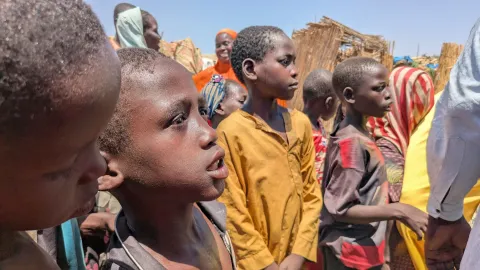
Malnutrition impacts both refugees and Cameroonian women and children living in host communities. Out of the 353,000 refugees fleeing insecurity in CAR hosted in Cameroon, 94 per cent live in the Adamawa, North, and East Regions. This situation exerts significant pressure on natural resources, land and basic social services in the host areas.
In the Far North Region, security crises remain the main cause of displacements. Internally displaced people either live with host families or in spontaneous settlements. This Lake Chad basin region is also home to 115,000 refugees from Nigeria, of whom 75,000 live in the Minawao refugee camp in the Mayo-Tsanaga division. In 2023, 8,290 people (72 per cent children and 20 per cent women) arrived at the Gourenguel transit centre. The Far North region is at the crossroads of important communication routes between Cameroon, Chad, Nigeria, and Niger, marked by security challenges. This crisis deeply affects access to food and basic services for mothers and children.
Programme Highlights:
- Counselling on Maternal, Infant, & Young Child Nutrition (MIYCN) in antenatal and post-partum care, including establishment of community-based social protection systems for women.
- Prevention of iron-deficiency anaemia during pregnancy, through Iron and Folic Acid Supplementation (IFAS) and deworming for adolescent girls.
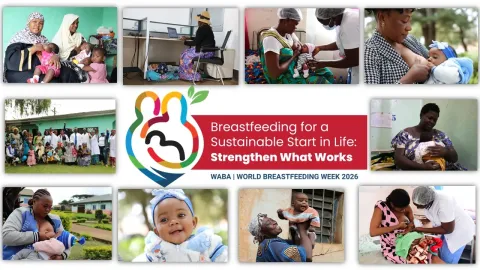
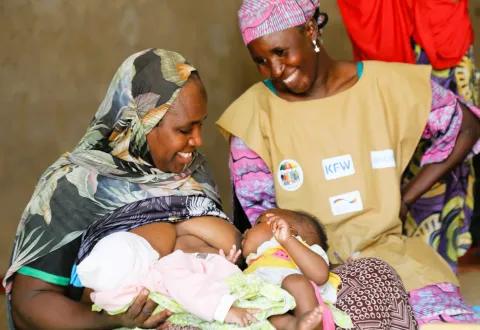
- Promotion and support of Exclusive breastfeeding, and complementary feeding for children aged 6-23 months.
- Vitamin A supplementation and deworming for children under 5.
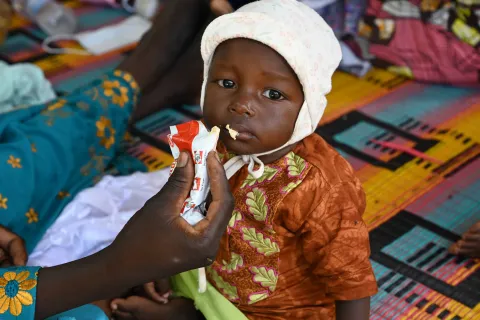
- Early detection, referral, & treatment of severe wasting.
- Prevention of early pregnancy in adolescents and young people.
- Promotion and support to reproductive health services in antenatal and post-partum care in communities.
- Adolescent girls’ participation and civic engagement/support platforms.
[1] According to data from the DHS 2018
“This crucial KfW grant will help UNICEF to ensure that children in the East, Adamawa, North and Far North regions of Cameroon receive the protection, care, and nutrition they need to survive and thrive despite the ongoing crisis”
Media contacts
About UNICEF
UNICEF promotes the rights and well-being of every child, in everything we do. Together with our partners, we work in 190 countries and territories to translate that commitment into practical action, focusing special effort on reaching the most vulnerable and excluded children, to the benefit of all children, everywhere.
For more information about UNICEF and its work for children, visit https://www.unicef.org/cameroon/
Follow UNICEF on Facebook, Twitter (X), Instagram, Linkedin , Youtube and TikTok