Strengthening community health information system contributes to the reduction of child mortality
With funds from the Rockefeller Foundation, Burundi has implemented the iCOHS project (intelligent community health system) in order to improve the quality of health system data in general and the community health information system in particular

- English
- Français
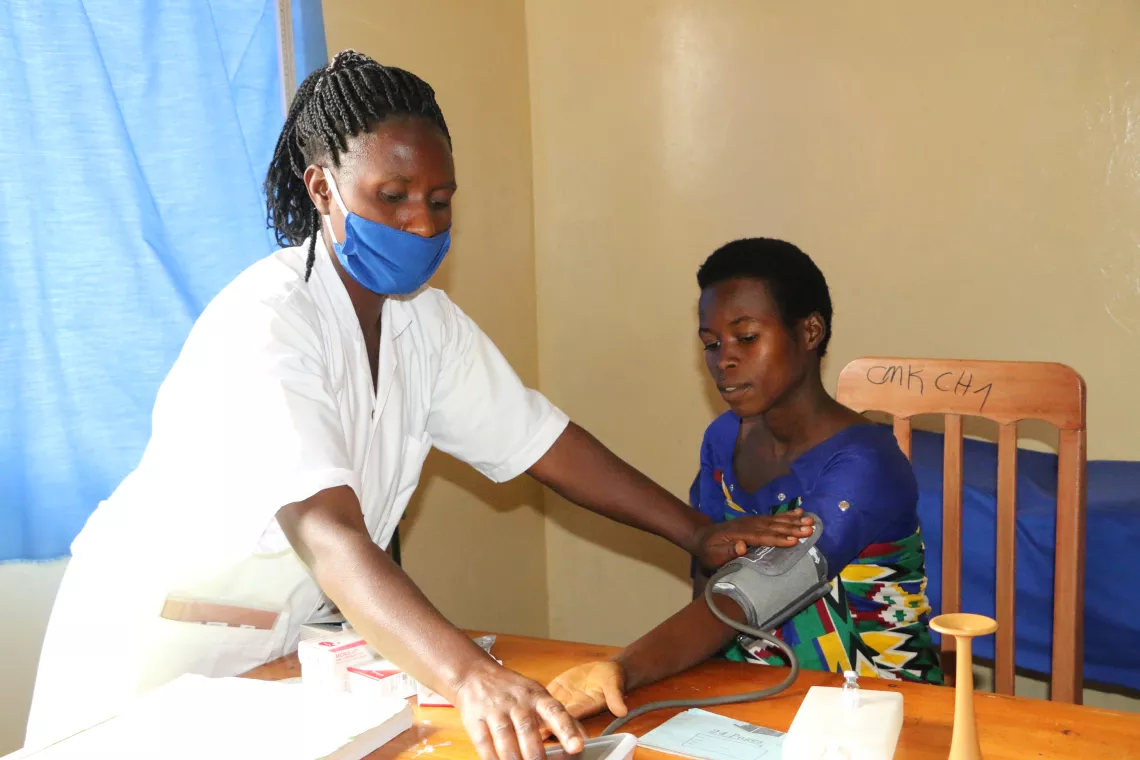
Makebuko, Gitega/Burundi. Beatrice Niyonzima, 38, is a community health worker in Mwaro-Mivuvu hill in Makebuko commune. She is one of 277 community health workers in the Kibuye health district whose work contributes to the reduction of maternal and neonatal deaths, through two complementary approaches, implemented with the support of UNICEF and its partners.
The first approach "kiramama", which is based on the RapideSMS system, consists of using mobile phones to transmit information during the monitoring of pregnant women in the "1000 days" window. It is, among other things, to monitor the progress of pregnancies and births, to identify and report situations where the lives of sick mothers and children would be at risk, and to relay important information that could help promote behavioural change.
The second approach, called iCCM (integrated Community Case Management), consists of managing, at home, the pathologies considered to be the main causes of death in children under five, namely malaria, diarrhea and pneumonia. This approach also includes screening for malnutrition and referral for management. Where necessary, community health workers refer severe cases to the appropriate health facilities for appropriate management.
‘’When I hear that a woman in my village is pregnant, I first ask her to go for a consultation at the nearest health centre. If she has already done so, I ask her to bring me her card so that I can register it in kiramama by sending a text message from my phone; then I start following the evolution of her pregnancy with the support of kiramama, which sends us reminders as each mother and child's visits approach, reminding her, among other things, of her appointments for the prenatal consultation until she gives birth. After the birth, I also follow the progress of the newborn, making sure that the vaccination schedule is respected," says Beatrice Niyonzima, very confident.
Béatrice Niyonzima also treats children under the age of five, who suffer from malaria, diarrhea and pneumonia, in addition to screening for malnutrition. ‘’We know how to manage each of these cases. We also know when to refer high-risk cases to the health centre for rapid and effective treatment. Many recover without having to go to the health centre," says Beatrice.


The services of Beatrice and other community health workers make life easier for many families in Makebuko commune.
Signoline Ndihokubwayo, 28 years old, mother of a 2-year-old child, and 7 months pregnant, is one of the lucky ones. She has benefited from their support since her first pregnancy. ‘’Given the context in which we live here, some women, overwhelmed by agricultural and household work, easily forget to go and see a doctor and the consequences are often harmful. I know a mother who had an abortion as a result of a complication she was not aware of because she had never consulted a doctor, out of ignorance"; says Signoline.
Modelas Iradukunda, on the other hand, is a mother from Mwaro-Mavuvu hill whose child's life was saved thanks to the home-based care offered by Béatrice, who treated him, successively for malaria and diarrhea. ‘’It's really an advantage to be able to access home care because sometimes we have trouble getting to the health facilities in time, which are not always close by. My child is cured without me having to go to the Makebuko health centre’’, she says, with joy.
The positive results generated by the Kiramama and iCCM approaches are already being felt at the Makebuko health centre. Laetitia Kubwimana, head of the health centre, mentions, in particular, the increase in the number of women who keep appointments for prenatal consultations as recommended, or to have their children vaccinated, but also the reduction in the number of home deliveries.
‘’Before the Kiramama project, our health centre only received around 5 women per month for early prenatal consultation; today we receive more than 50 women per month'', confirms Laetitia Kubwimana, head of the Makebuko health centre. She is also pleased with the reduction in the number of children who come to consult for illnesses such as diarrhoea, malaria and pneumonia thanks to the iCCM approach: "The general signs of danger are no longer observed in our health centre," she says proudly

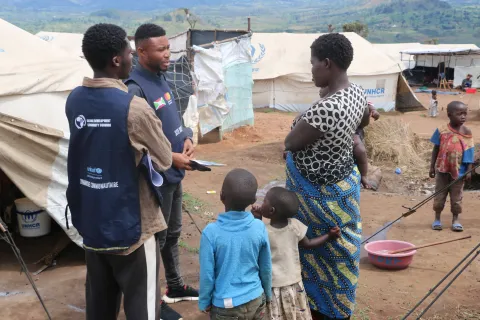
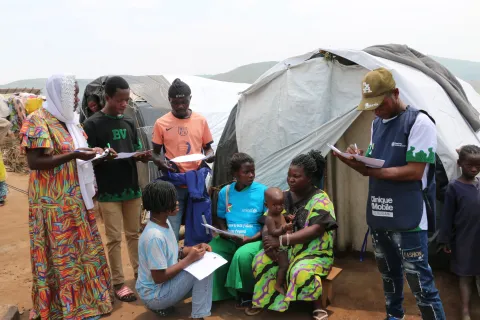
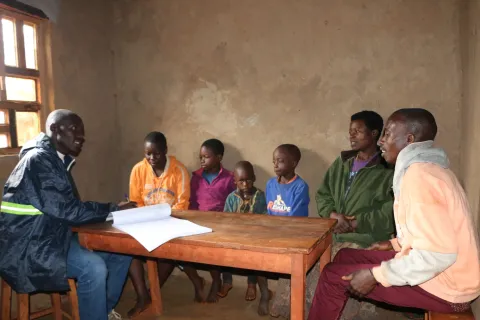
The community health workers are supervised and coordinated by the health centres, to whom they regularly share their reports for analysis. With UNICEF support, at least 1,357 community health workers, 56% of whom are women, have had their capacities strengthened in the collection and communication of health information relating to the implementation of community-based interventions.
‘’The Kiramama and iCCM approaches have significantly reduced maternal and child mortality in the Kibuye health district," will also say Dr Magorwa Jean Bosco, Chief Medical Officer of the Kibuye health district. He is referring to data from the DHIS2 Platform of the Ministry of Public Health and AIDS Control; a platform that centralizes data collected from the community level to the hospital level.
‘’Thanks to the iCCM approach, almost 100% of the children treated by these community health workers in Kibuye district are cured; the majority of them consult within 24 hours of the first signs. And thanks to the kiramama or RapidSMS approach, it is becoming easier for health centres to save the lives of pregnant women who have danger signs such as bleeding, early uterine contractions, or ruptured membranes (...) Community health workers send SMS messages directly to the health centre, which, if necessary, sends an ambulance in a timely manner," explains Dr Magorwa Jean Bosco, Chief Medical Officer of the Kibuye health district.
In an effort to strengthen the quality of health system data in general and the community health information system, including the implementation and strengthening of intelligent maternal and child health monitoring systems, the iCCM approach, and the quality of DHIS2 data at the community level, Burundi has been implementing a project called iCOHS (intelligent community health system) for the past 3 years; financed by the Rockefeller Foundation, in order to highlight some of the best practices and strategies in digital health.
In collaboration with Mediabox, its implementing partner, UNICEF developed a digital application that aims to improve the quality and speed of reporting. The application is designed so that community health workers and health professionals can contribute data directly into the DHIS2 platform, using tablets, phones or smartphones. UNICEF and the Ministry of Health have also developed a roadmap for the interoperability of existing systems such as DHIS2, the RapidPro-based community information system (iCCM and Kiramama application) in UNICEF's target areas.