Busuma: The daily struggle of community health workers against epidemics
With UNICEF support, and funding from the Government of Navarre and the Mastercard Foundation, active case-finding efforts are strengthening public health preparedness and community engagement at the Busuma refugee site.
- English
- Français
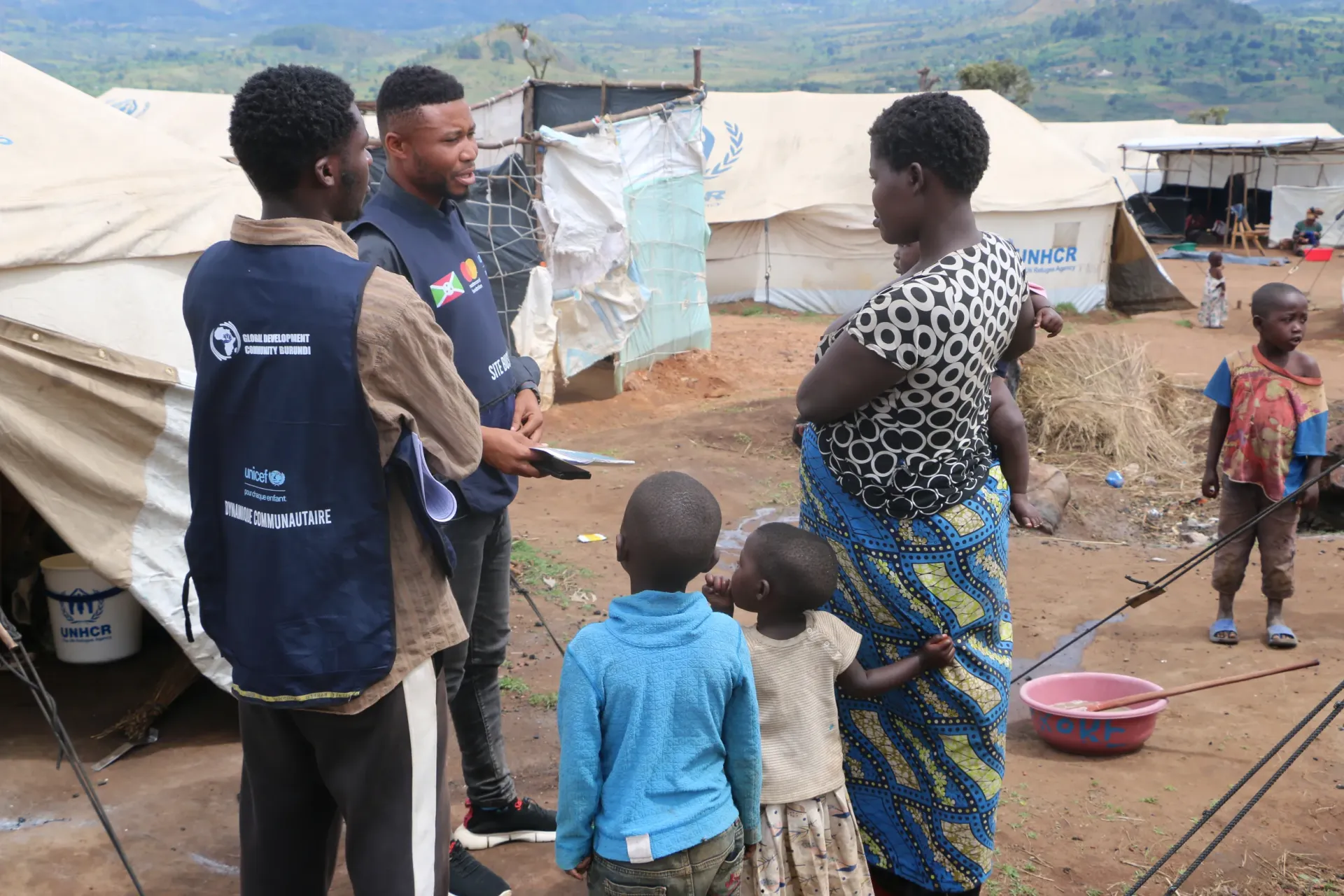
Under the morning sun of Busuma, the blue vests of the community health workers stand out in the narrow alleys of the Congolese refugee camp. Their daily presence has become a symbol of hope for the thousands of families living in this environment marked by hardship and health risks.
Their mission is vital: raising awareness on prevention and early healthcare-seeking, promoting early detection and referral, and strengthening follow-up to reduce loss to follow-up. The ultimate goal is to prevent, detect, and quickly curb the spread of epidemic diseases that constantly threaten more than 60,000 refugees.
Every morning, these workers visit the shelters, knock on doors, and take the time to listen to the people living there. They look out for unusual symptoms, raise awareness among families about good hygiene practices, and quickly refer the sick to appropriate healthcare facilities. Door-to-door monitoring is now one of the most effective ways to prevent the spread of diseases such as cholera, measles, and mpox.
"When the team came to my home, I was already experiencing worrying symptoms. Thanks to their vigilance, I was immediately referred to the mobile clinic. The prompt care I received probably saved my life," says Amina, a refugee and mother of three. Like her, many families recognize the importance of this early intervention, which helps reduce the risk of contamination in a setting where overcrowding accelerates the spread of disease.

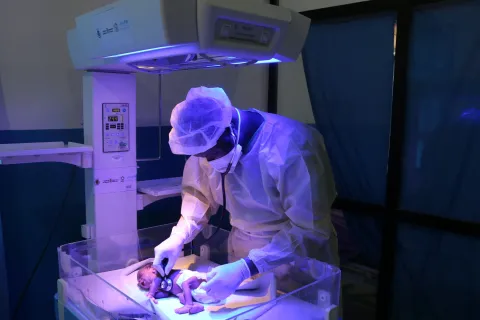
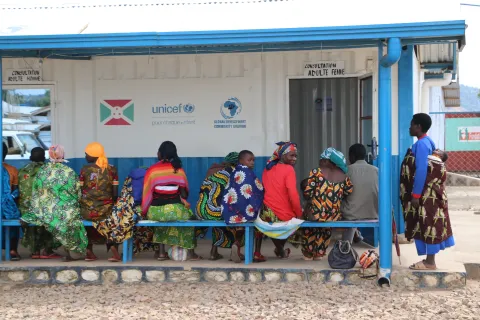
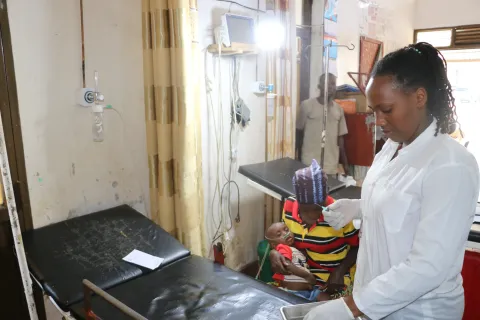
Community health workers collaborate closely with the mobile clinics deployed on the site. These teams provide rapid care for suspected cases before their transfer to specialized hospital facilities. "We stabilize patients on site before transferring them to Rema Hospital in Ruyigi. Every minute counts when it comes to epidemic diseases," explains Jean, a dedicated health worker at the Busuma site.
Beyond the care provided in the mobile clinics, daily awareness campaigns play a central role. Through community sessions, home visits, and discussions with families, health workers remind people of simple yet essential practices: washing hands regularly, promptly reporting suspicious symptoms, and keeping living spaces clean. "Every morning, we know that we will be visiting dozens of households. It's exhausting, but every suspected case we identify is a victory. We work hand in hand with the mobile clinics to ensure no one is left behind," says a health worker.
For them, this mission goes far beyond a job. "We live right in the heart of the community. People trust us because they know we are here to help and protect them," says Clarisse, a community health worker. Despite the challenges, the lack of resources, and the long days spent in the field, their commitment remains unwavering.

This community-led effort is now helping to strengthen public health resilience in the Busuma area. Thanks to rapid alerts, coordination with the clinics, and ongoing outreach, health authorities can limit the risk of major disease outbreaks. In a humanitarian context that is often fragile, these men and women embody a true bridge between the refugees and the health system.
"Without them, we would be lost. When my children came down with a fever, I panicked. The workers came, took the time to listen to us, and referred us to the mobile clinic. Thanks to them, my children received care quickly," shares Abdoul, a refugee father in Busuma whom we met at a mobile clinic on the site.
In Busuma, every family visited, every piece of advice given, and every patient referred represents another opportunity to save lives. Behind their blue vests, community health workers carry much more than a medical mission: they bring comfort, confidence, and hope to an entire population facing uncertainty. Thanks to this initiative, funded by the Mastercard Foundation and the Government of Navarre, Busuma benefits from a flexible, human response, turning each alert into a coordinated and effective intervention.