Between emergency and hope: Rema Hospital provides a lifeline for patients from Busuma
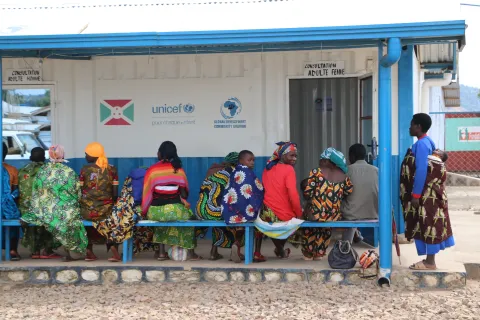
With funding from the World Bank, Global Humanitarian Thematic Funds, the Government of Navarre, and MasterCard, UNICEF is strengthening the referral system for critical cases in Busuma to provide care for Congolese refugees and residents of Ruyigi.

- English
- Français
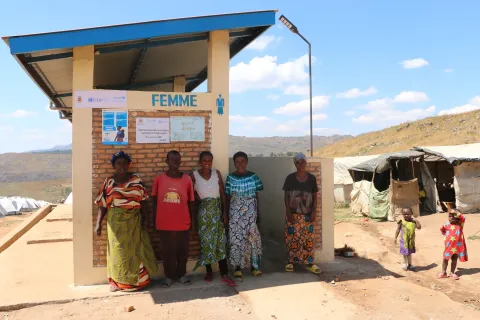
Following the arrival of large numbers of refugees from the Democratic Republic of the Congo, health services in Ruyigi Province have come under increasing pressure. WHO, UNHCR, Médecins Sans Frontières and other humanitarian partners have established health services at the Busuma refugee site. However, patients requiring specialized examinations, surgery, obstetric care or neonatal care must be referred to better-equipped facilities. Rema Hospital is one of the hospitals receiving these critical referrals.
At Rema Hospital, the urgency of this referral system is immediately apparent. As an ambulance pulls up outside the emergency department, the medical team moves quickly to receive a woman experiencing complications during labor. A stretcher is brought out, while nurses prepare the equipment needed for her initial assessment.
“Her condition required specialized equipment and care that were not available at the Busuma site, so she was urgently referred to Rema Hospital,” explains a nurse preparing to examine the patient.
To strengthen the humanitarian health response, a structured referral pathway has been reinforced between the Busuma site and Rema Hospital. Essential hospital services have been supported, additional health personnel have been mobilized, and medical equipment has been provided to improve specialized care for referred patients.
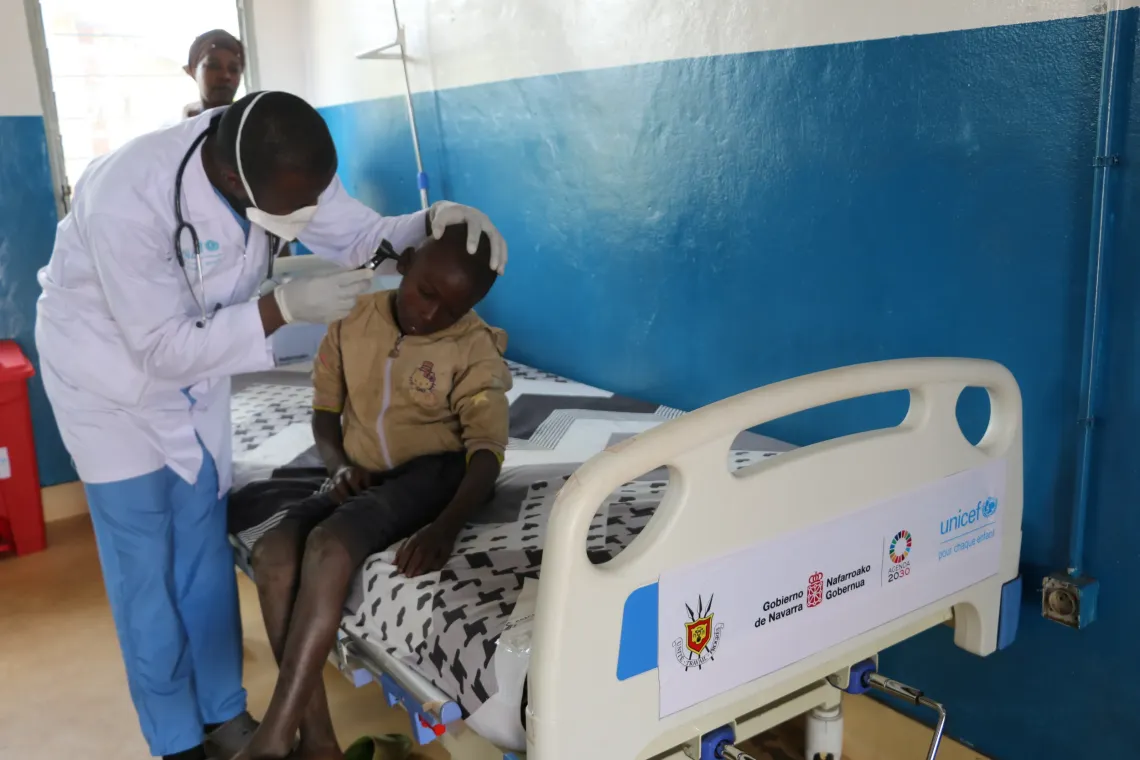

The hospital’s maternity and gynecology department is equipped with ultrasound equipment that supports the monitoring of high-risk pregnancies and helps health workers identify complications earlier. This enables medical teams to make timely decisions and provide appropriate care to mothers and newborns.
Salima, a Congolese refugee referred from Busuma, knows the importance of receiving specialized care without delay.
“The pain was so severe that I could no longer sleep. The health workers at the mobile clinic cared for me throughout the night and then referred me to this hospital. Here, I received the treatment I needed, and my pain is now under control,” she explains.
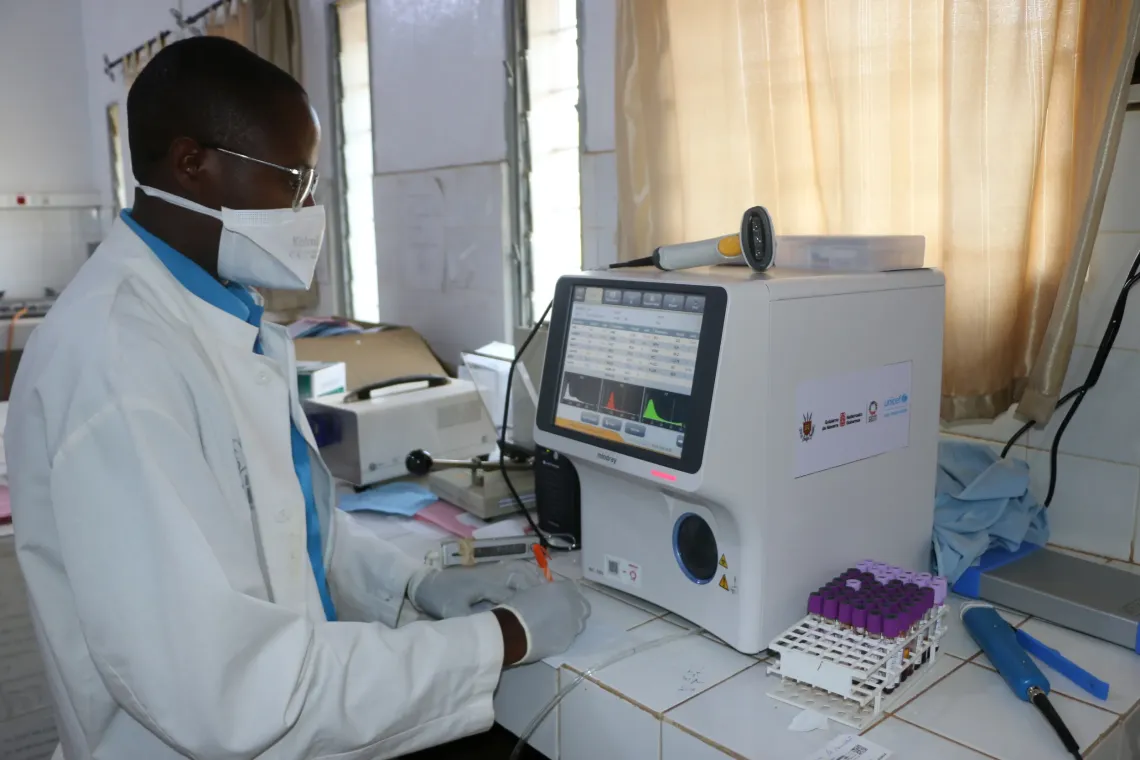
Clinical care is also supported by a laboratory equipped to perform essential diagnostic tests. Rapid access to reliable test results helps health workers begin appropriate treatment or refer patients for additional care without unnecessary delay.
“The equipment enables us to diagnose illnesses more quickly. This helps us provide timely treatment and, when necessary, refer patients for additional care before their condition worsens,” says a nurse while examining laboratory samples.
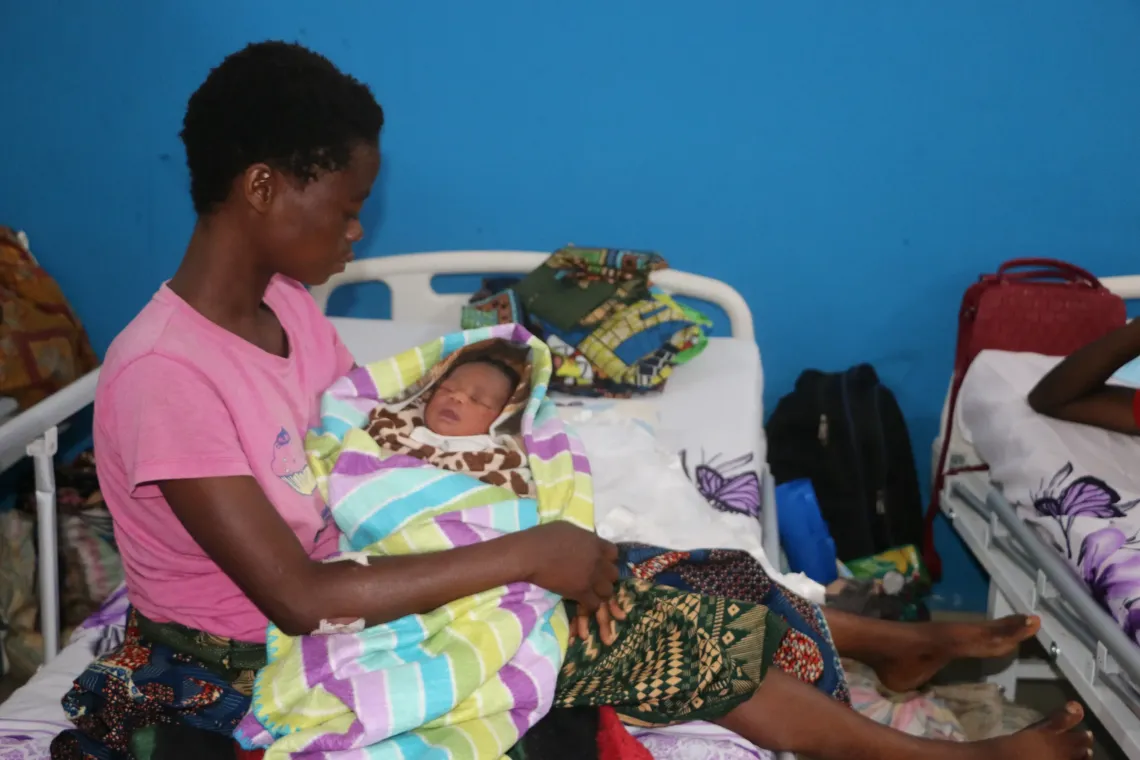
Another area strengthened through this support is the neonatal unit. Functional incubators provide specialized care for premature newborns, while a dedicated area for kangaroo mother care enables mothers to maintain prolonged skin-to-skin contact with premature and low-birth-weight babies.
Susane, a young mother whose newborn is receiving care in the unit, watches her baby closely.
“I had lost hope that my son would survive, but the doctors reassured me as soon as we arrived. I am relieved to see that his condition is improving every day,” she says.
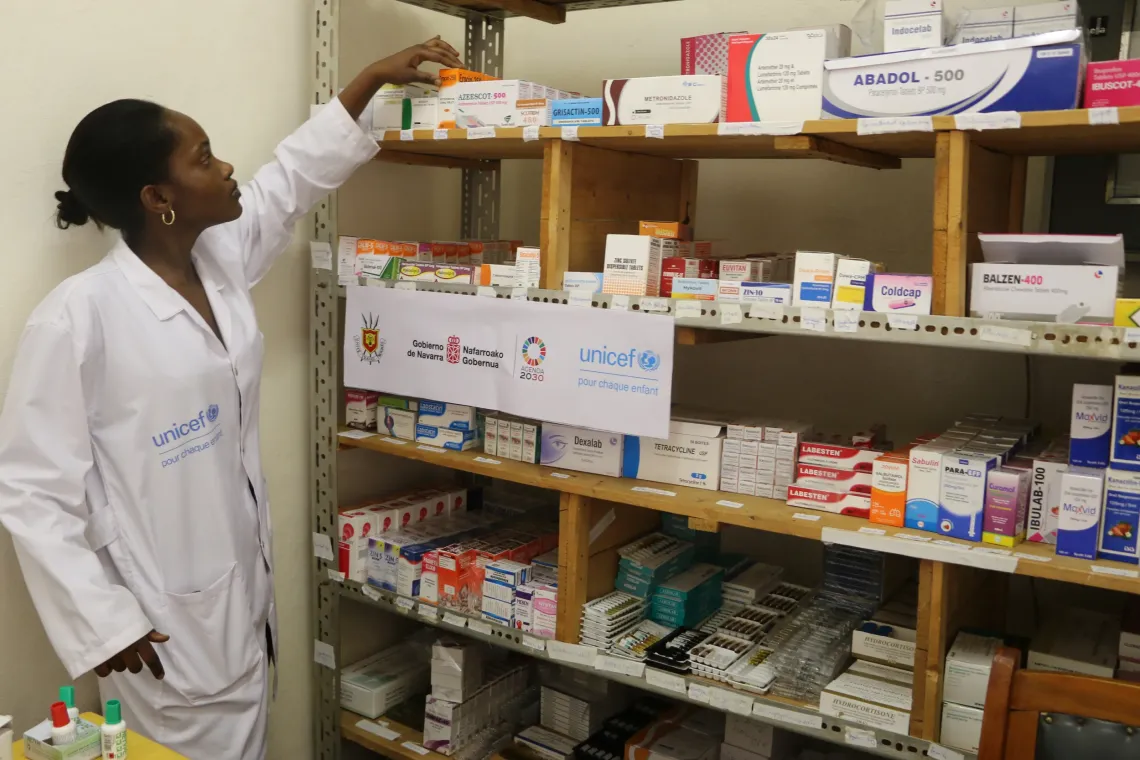
Hospital managers ensure that the chain of care is never interrupted. The continuity of services must be a top priority. From the modern operating room to the emergency department, the quality of care also depends on meticulous pharmaceutical stock management. The hospital pharmacy is kept constantly supplied to respond to any emergency.
“Our pharmaceutical supplies are closely monitored. We sometimes receive critically ill patients referred from the Busuma refugee site or nearby communities. Having a well-stocked pharmacy is essential for stabilizing these patients while they receive the treatment they need," says the Director of Rema Hospital.
By strengthening medical equipment and enhancing the skills of health workers through financial support from the Global Humanitarian Thematic Funds, the Government of Navarre, the World Bank, and MasterCard, UNICEF is providing sustainable support for the efforts of the Ministry of Public Health.
Together, they ensure that vulnerable populations - including refugees and local communities - have free and continuous access to essential healthcare, even amid humanitarian crises.