Burundi launches multiple micronutrient supplementation for pregnant and breastfeeding women.
This pilot initiative, to be implemented in the health districts of Kayanza and Matongo, aims to improve maternal nutrition and prevent micronutrient deficiencies among pregnant and breastfeeding women.

- English
- Français
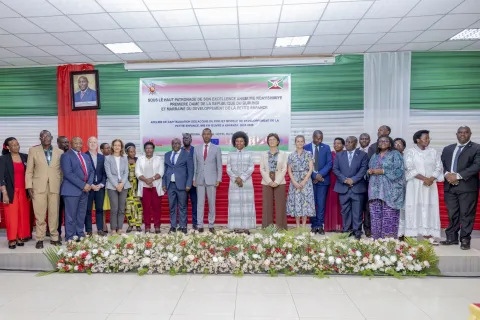
On 17 September 2026, Burundi launched Multiple Micronutrient Supplementation (MMS) for pregnant and breastfeeding women. The ceremony, held in Kayanza, brought together representatives of the Ministry of Public Health, administrative and health authorities, United Nations agencies, the World Bank, non-governmental organizations and development partners. The Permanent Secretary of the Ministry of Public Health, the UNICEF Deputy Representative in Burundi and a representative of the Embassy of the Kingdom of the Netherlands in Burundi also attended the event, reaffirming their commitment to maternal health and nutrition.
In Burundi, preventing anemia and tackling all forms of malnutrition remain major public health priorities. According to the 2024 SMART Nutrition Survey, the prevalence of anemia among women aged 15-49 was estimated at 39.8% nationally, close to the World Health Organization’s 40% threshold for a severe public health problem. Only 34% of women of reproductive age have access to a diversified diet. These figures highlight the importance of strengthening nutrition interventions, particularly during pregnancy and breastfeeding, which are critical periods for women's health and children's growth and development.
Multiple Micronutrient Supplementation: a step forward for maternal nutrition
Multiple Micronutrient Supplements provide essential vitamins and minerals that, according to scientific evidence, help improve pregnancy outcomes, including by reducing the risk of low birth weight.
The Permanent Secretary of the Ministry of Public Health, Dr Pierre Sinarinze, reaffirmed the Government’s commitment to improving the health and nutrition of women and children. He highlighted the importance of MMS in preventing micronutrient deficiencies and anemia, while emphasizing the need for coordinated action among all stakeholders.


He also stressed that the success of this initiative would depend not only on the availability of supplies, but also on the quality of follow-up care for beneficiaries and the involvement of communities.
The introduction of MMS is aligned with the National Strategy for Combating Micronutrient Deficiencies 2024–2028. The pilot phase in Kayanza and Matongo will help document results, draw lessons and generate evidence to inform a possible gradual expansion to other health districts.
A partnership serving women and children
The MMS initiative for pregnant and breastfeeding women is financially supported by the Government of the Kingdom of the Netherlands through the No Time To Waste: Prevention of Malnutrition among Children, Adolescents and Women in Burundi project, implemented with UNICEF's support. The project adopts a multisectoral approach that integrates food systems, health, education, social protection, and water, sanitation and hygiene (WASH).
In her address, Ms. Ida Rademaker, representative of the Embassy of the Kingdom of the Netherlands in Burundi, emphasized that the initiative formed part of a broader effort to combat all forms of malnutrition. Through its support to the health sector, the Government of the Netherlands is contributing, among other interventions, to multiple micronutrient supplementation for pregnant and breastfeeding women.


The UNICEF Deputy Representative welcomed the leadership of the Minister of Public Health and the support provided by the Government of the Netherlands for high-impact interventions benefiting women, children and the most vulnerable communities.
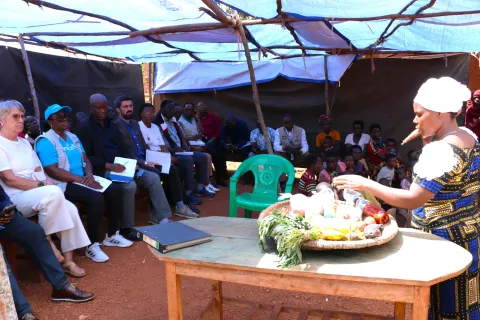
She stressed the importance of listening to women, addressing their concerns and strengthening nutrition counselling during antenatal and postnatal consultations. The involvement of families and communities will also be essential in encouraging the adoption of practices that promote maternal and child health.
Beyond supplements: the importance of continued support
To achieve lasting results, supplementation must be accompanied by regular follow-up and communication tailored to women's needs. The availability of supplements, strengthened health worker capacity, quality data collection and nutrition counselling are all essential to the success of the intervention.
As part of this effort, nutrition services have also been equipped with HemoCue devices and microcuvettes to facilitate anemia screening, as well as registers to monitor beneficiaries.
Implementation will involve several stakeholders across the health system, including the National Integrated Food and Nutrition Program (PRONANUT), provincial and district health management teams, health centers, healthcare providers and community-based actors. Their engagement will help ensure the availability of supplements, provide ongoing support to beneficiaries, monitor results and document lessons learned during the pilot phase.
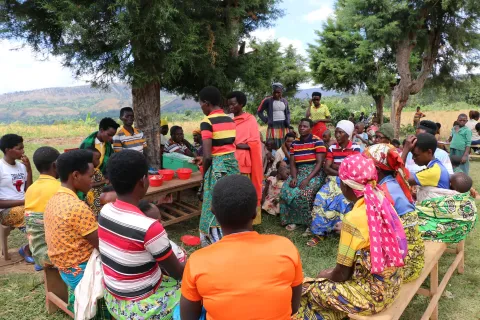
Maternal nutrition is not solely the responsibility of the health sector. It also requires the commitment of families, communities and all relevant stakeholders.


A shared commitment to lasting results
The launch of MMS in Kayanza and Matongo marks another step in Burundi's efforts to improve maternal nutrition. Monitoring and evaluating this pilot phase will help identify the most effective approaches and inform the next steps.
By combining Government leadership, financial support from the Kingdom of the Netherlands, UNICEF's technical support and the mobilization of health and community stakeholders, the initiative aims to strengthen the prevention of micronutrient deficiencies among pregnant and breastfeeding women over the long term.
Investing in maternal nutrition means contributing to safer pregnancies, better birth outcomes and optimal child development across Burundi.