Fighting malnutrition through multi-sectoral approaches.
Through a project funded by the Swiss Agency for Development and Cooperation, thousands of households in Ngozi, Kayanza, and Muyinga are seeing their lives transformed.

- English
- Français
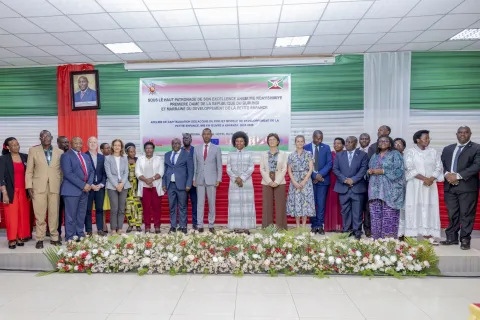
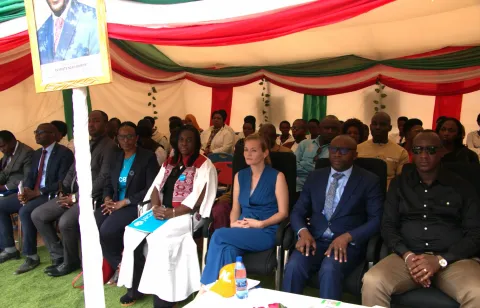
Implemented from 2021 to 2026 in the former provinces of Ngozi, Kayanza, and Muyinga, the program “Combating Malnutrition through Multisectoral Interventions in Vulnerable Communities in Burundi” was the focus of a workshop focused on documenting lessons learned and ensuring sustainability.
The workshop aimed to institutionalize the lessons learned and achievements from five years of joint interventions funded by the Swiss Agency for Development and Cooperation (SDC) and co-implemented by a UN interagency consortium (WFP, FAO, UNICEF).
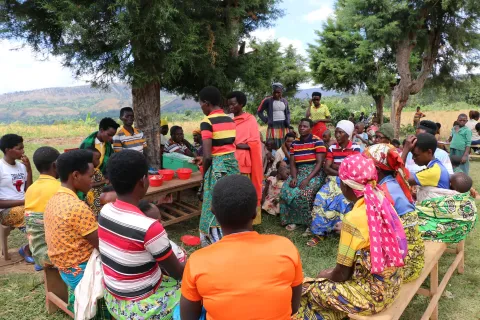
Prior to the workshop, field visits were conducted. During these visits, participants witnessed firsthand the critical role of community support, nutrition education, and initiatives designed to enhance household self-reliance.
What makes this project unique and successful is a shared conviction between the Burundian Government and its partners: nutrition goes beyond the health sector. It represents a critical driver of human development and a key catalyst for sustainable socio-economic growth.
Addressing chronic malnutrition required the project to coordinate across six key sectors simultaneously: nutrition, health, agriculture, social protection, and water, sanitation, and hygiene (WASH).
The overall results presented during the workshop demonstrate the scale of the progress achieved. More than 282,000 pregnant and breastfeeding women received counseling on Infant and Young Child Feeding - IYCF (90% of the target). Nearly 160,000 children under five benefited from regular growth monitoring, surpassing the target at 106%. More than 7,500 children recovered from moderate acute malnutrition through community-based interventions. Proving that nutrition affects all children's rights, 73,000 children were issued birth certificates (127% of the target) through registration campaigns conducted jointly with the local administration, and nearly 340,000 people now have access to basic sanitation facilities.
Beyond nutrition prevention and treatment, the project addressed the root causes of food insecurity by strengthening families’ livelihoods. More than 18,000 vulnerable households received support for agricultural diversification and a small-scale livestock development. At the same time, the local economy was stimulated through support to 32 milling units, which produced nearly 3,000 metric tons of locally fortified flour, helping to improve the diets of children, adolescent girls, and women.


Among the major innovations highlighted by participants is the innovative combination of cash transfers (benefiting 4,500 households) with nutritional support, backed by the strengthening of savings and loan groups through VSLA (Village Savings and Loan Associations). This model has enabled women and adolescent girls to enhance their economic autonomy through quick-impact income-generating activities (IGAs).
Marie, a 31-year-old mother whose child suffered from malnutrition, is deeply grateful that her son was saved through the support provided by this project.
Facing her son's severe acute malnutrition and struggling with financial hardship, Marie, 31, found help through community health workers.
"My son was constantly sick. He refused to eat, his hair began to change color, and his feet started to swell. I felt so helpless and guilty because our family was going through a very difficult financial period," Marie shared.
Thanks to tailored nutrition treatment, the establishment of a kitchen garden to improve the family's diet, her participation in a savings group (VSLA), and her involvement in cooking demonstrations, Marie was able to sustainably strengthen her household's food and nutritional security. Today, her son is completely recovered.
She rejoices: " My son has fully recovered. He has regained a healthy weight and his joy for life. This project didn't just save my son; it gave me the skills needed to better prevent malnutrition within my family."
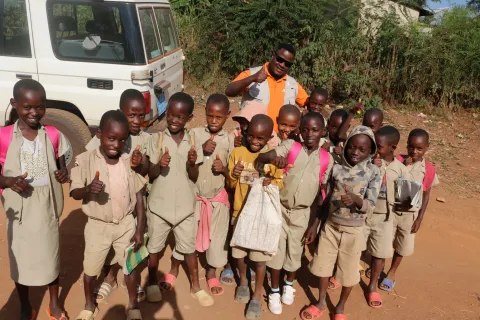
Behind the alignment of indicators lie life trajectories. Behind the impressive figures and indicators lie lives deeply changed. During the field visits and capitalization sessions, the smiles and stories gave a human face to these achievements.
A mother met during the visit to Nzove hill in Ngozi commune shared with visitors her joy of being a "Light Mother: "When the project started, I was chosen by my village to become a Light Mother.' I received training in preparing balanced meals and enriched porridge using locally available foods, as well as in hygiene and child growth monitoring. My role is to help mothers track their children's nutritional status and ensure they do not relapse into malnutrition once they’ve recovered," she explained.


Although the project had to face significant contextual challenges - such as economic inflation and logistical difficulties related to recurring shortages of fuel and other inputs - the lessons learned prove valuable for the future of nutritional policies in Burundi.
The focus now shifts to sustainability. The United Nations agencies and the Swiss Agency for Development and Cooperation unanimously welcomed the leadership of the Government of Burundi in implementing this multisectoral approach. To preserve these lasting gains, participants emphasized the need for stronger ownership by decentralized structures and the full integration of these multisectoral approaches into the plans and budgets of public institutions.
As a model of innovation and community synergy, the successful experience in Ngozi, Kayanza, and Muyinga lays the groundwork for a future national scale-up, which is essential to continue building a healthy, resilient, and prosperous Burundian nation.