Burundi: towards a national multisectoral RCCE strategy under the ‘’One Health Approach’’
Led jointly by the Public Health Emergency Operations Centre &UNICEF, with funding from the Pandemic Fund, this initiative aims to promote more coordinated, participatory, and inclusive communication to strengthen resilience to public health emergencies.
- English
- Français
In Burundi, health challenges remain numerous and often occur simultaneously. From recurrent outbreaks such as cholera and monkeypox (Mpox), to the threat of viral hemorrhagic fever diseases, population displacement following natural disasters, and limited access to safe drinking water and information, communities are regularly confronted with situations that require rapid and coordinated responses.
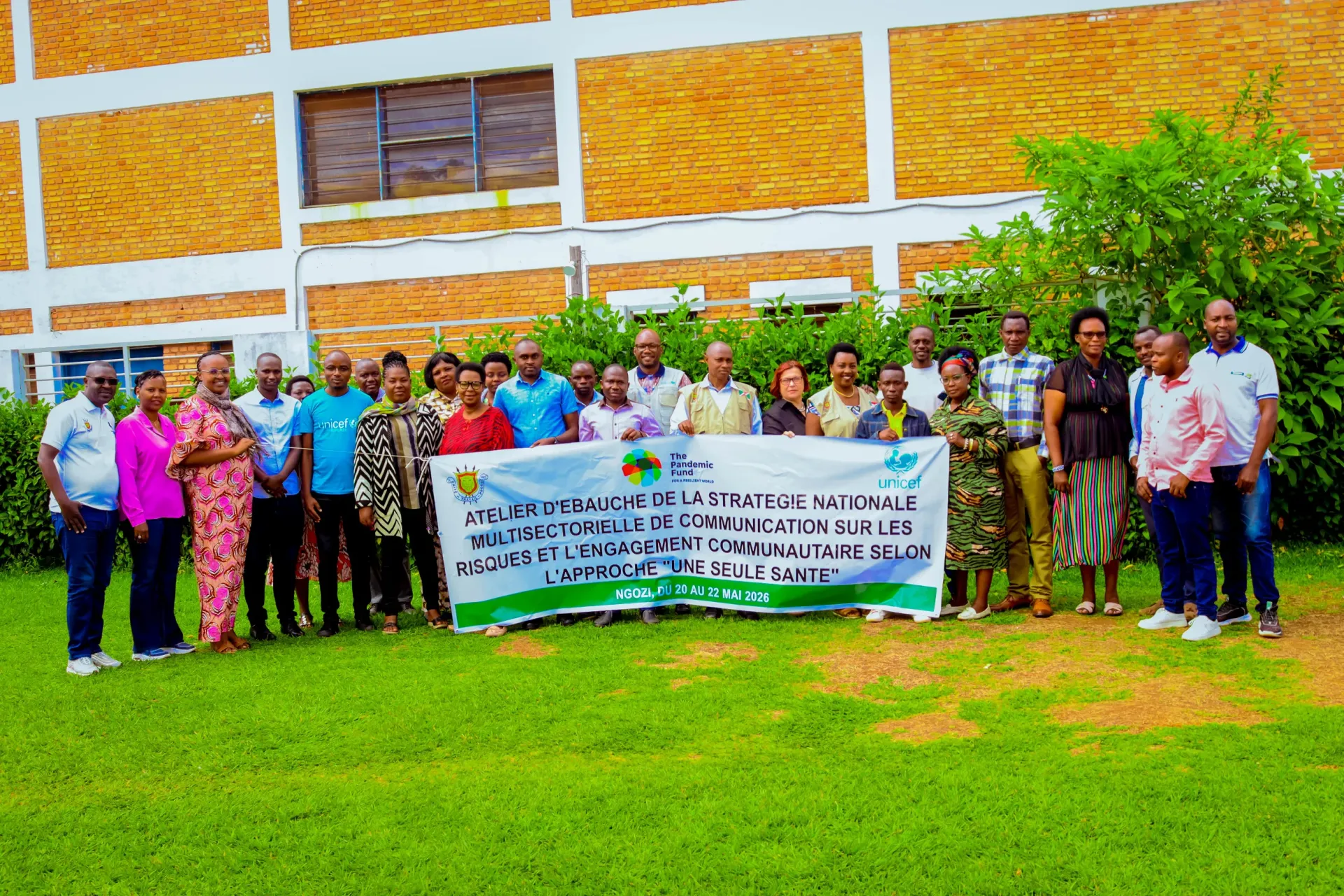
It is in this context that Burundi is now undertaking a major reform of its emergency communication system. Led by the Public Health Emergency Operations Centre (COUSP), with the support of UNICEF and funding from the Pandemic Fund, the development of a national multisectoral risk communication and community engagement strategy reflects a commitment to building a more coherent, participatory, and effective system.
Beyond awareness-raising, this strategy aims to strengthen dialogue between institutions and communities in order to better understand people’s concerns, build trust, and encourage their participation in the prevention and response to health emergencies. “Risk communication and community engagement is a central pillar of preparedness and response to public health emergencies,” emphasizes Théogène Irakoze, Health Information System, Digitalization and Communication Officer at COUSP.
Despite the involvement of many stakeholders from different sectors, interventions often remain scattered and poorly harmonized, limiting their impact on people’s behaviours. “Approaches remain fragmented (…) with limited use of data and community feedback to guide decision-making,” notes Gaoussou Nabaloum, Social and Behaviour Change (SBC) Specialist in emergencies at UNICEF Burundi.
Yet Burundi already has important assets: active community networks, mobilized local volunteers, and various communication channels. The challenge now is to shift from a predominantly reactive approach to one that is more focused on preparedness and prevention. The new strategy therefore seeks to better structure interventions, harmonize messages, and strengthen coordination across sectors. It is also based on an evolution in communication approach: beyond simply delivering messages, it is about listening to communities, understanding their realities, and adapting responses to their needs.
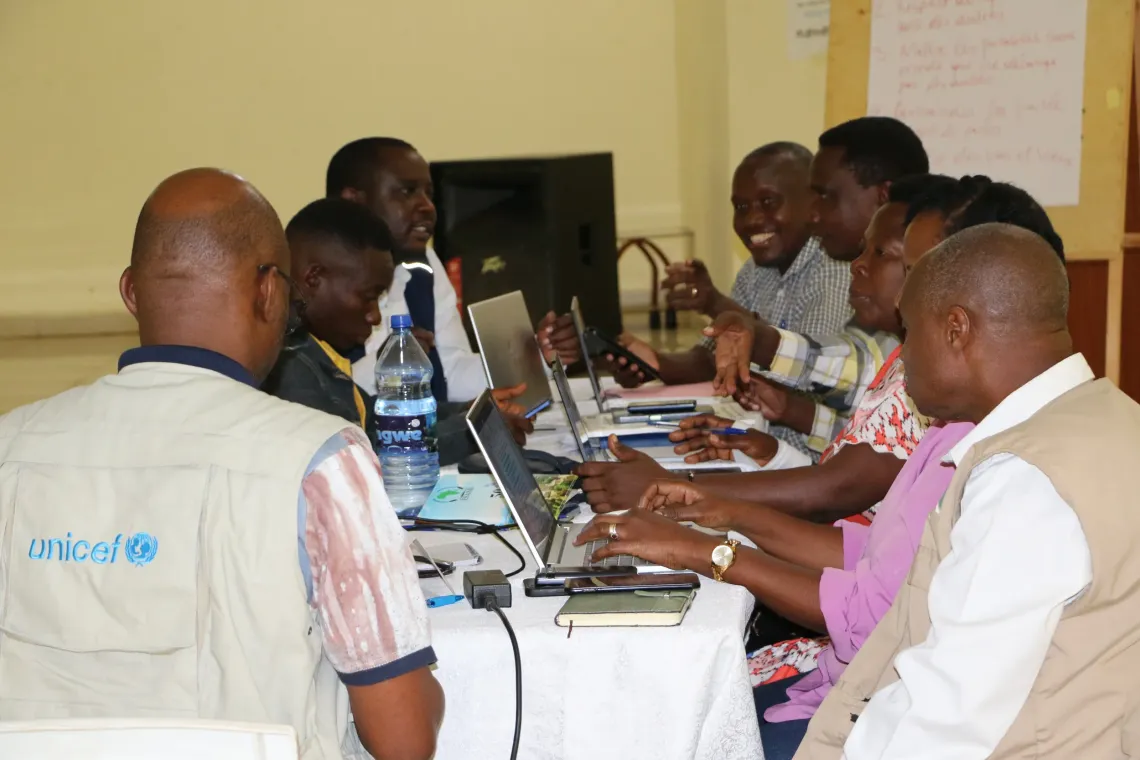
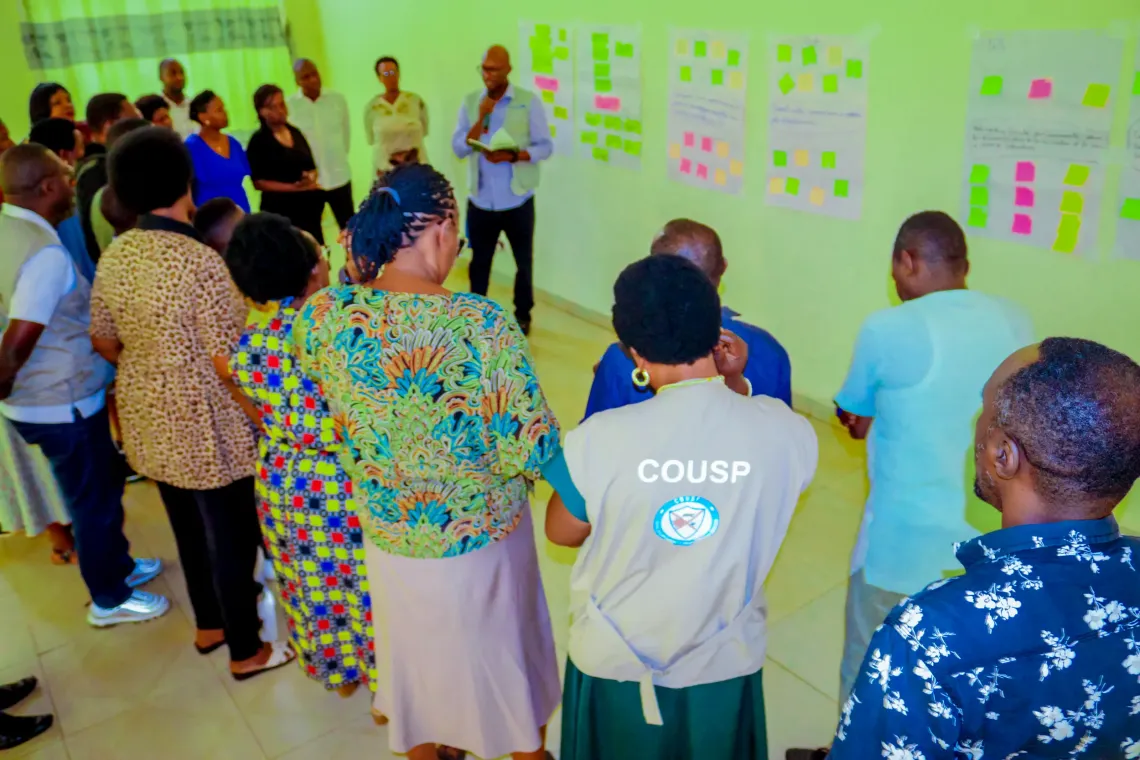
The analyses conducted during the workshop highlighted several persistent challenges: mechanisms that are still weakly integrated into permanent systems, uneven capacities across levels, limited access to information in some communities, and low participation of certain groups, particularly young people. These gaps contribute to the spread of rumours, hinder the adoption of preventive behaviours, and make it more difficult for some audiences to access reliable and appropriate information.
To address these challenges, the strategy proposes a comprehensive approach based on coordination among stakeholders, risk communication, community engagement, behavioural analysis, and capacity strengthening. It also adopts a multisectoral approach, recognizing that health crises are influenced by multiple factors: environmental conditions, living standards, and social practices, that require close collaboration across different sectors. As Gaoussou recalls: “Health crises do not only affect human health […] they are linked to several interacting factors.”
This vision paves the way for a more coherent response by reducing duplication and bringing interventions closer to the realities experienced by communities. It also marks a profound shift: placing populations at the center of the response. Communities are no longer seen as passive beneficiaries, but as key actors capable of identifying problems, relaying information, and influencing behaviours.
In this regard, the strategy aims to strengthen their participation at all stages, from prevention to crisis management. As Théogène Irakoze explains: “Communities will have rapid access to reliable information adapted to their realities, will participate more in decision-making, and will be fully involved in emergency prevention and response mechanisms.”
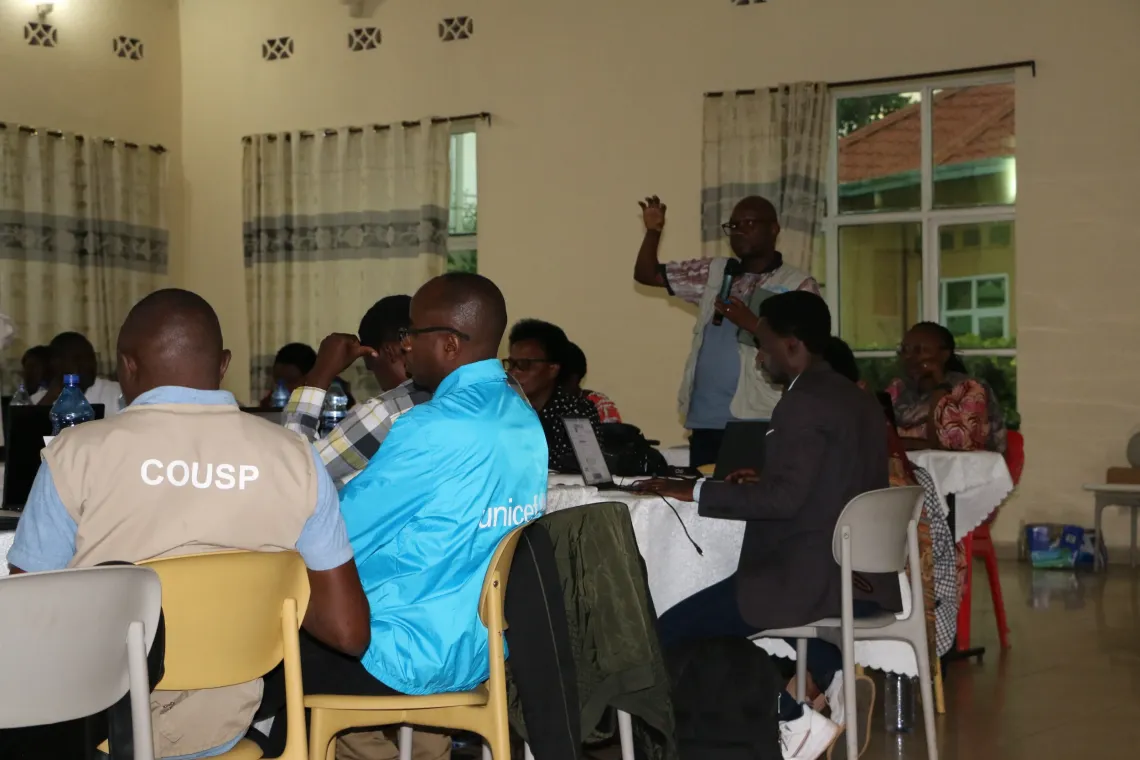
However, this ambition cannot be achieved without particular attention to inclusion. Field experience shows that some groups remain excluded from conventional systems. Jacqueline Niyonkuru, Chairperson of the Action for the Care and Promotion of Vulnerable People in Burundi, an association advocating for the rights of persons with disabilities, warned during the workshop: “There is a category of deaf and mute persons who cannot hear messages.” This exclusion has had concrete consequences, particularly during the COVID-19 pandemic, when some individuals were sanctioned simply because they did not understand the guidelines.
Local initiatives nevertheless show that it is possible to do things differently. By adapting communication approaches, particularly through the use of sign language, it becomes possible to reach these audiences and facilitate the dissemination of information within communities. For her, the objective is clear: “We want this strategy to be inclusive, particularly for people with hearing and visual disabilities.”
UNICEF’s support is part of this transformation process, through technical and financial assistance aimed at strengthening national capacities, improving the quality of messaging, and structuring community feedback mechanisms. By bringing together public institutions, partners, civil society, and community actors in a co-construction approach, this strategy seeks to sustainably transform public health communication: shifting from a crisis-response focus to continuous preparedness, and from top-down messaging to a genuine dialogue with communities.