At Musenyi, a mobile clinic brings hope to Congolese refugees.
With the support of UNICEF, funded by the World Bank and in support of the government, the clinic brings life-saving care closer to refugees and restores hope to families.
- English
- Français
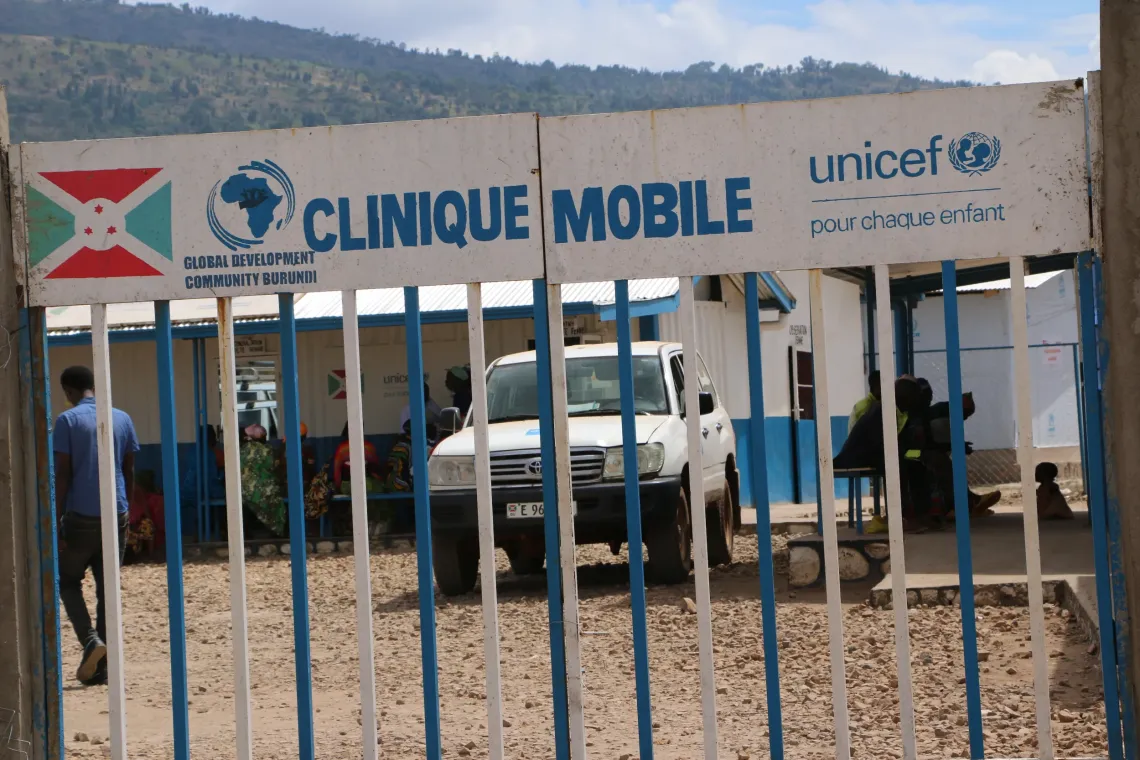
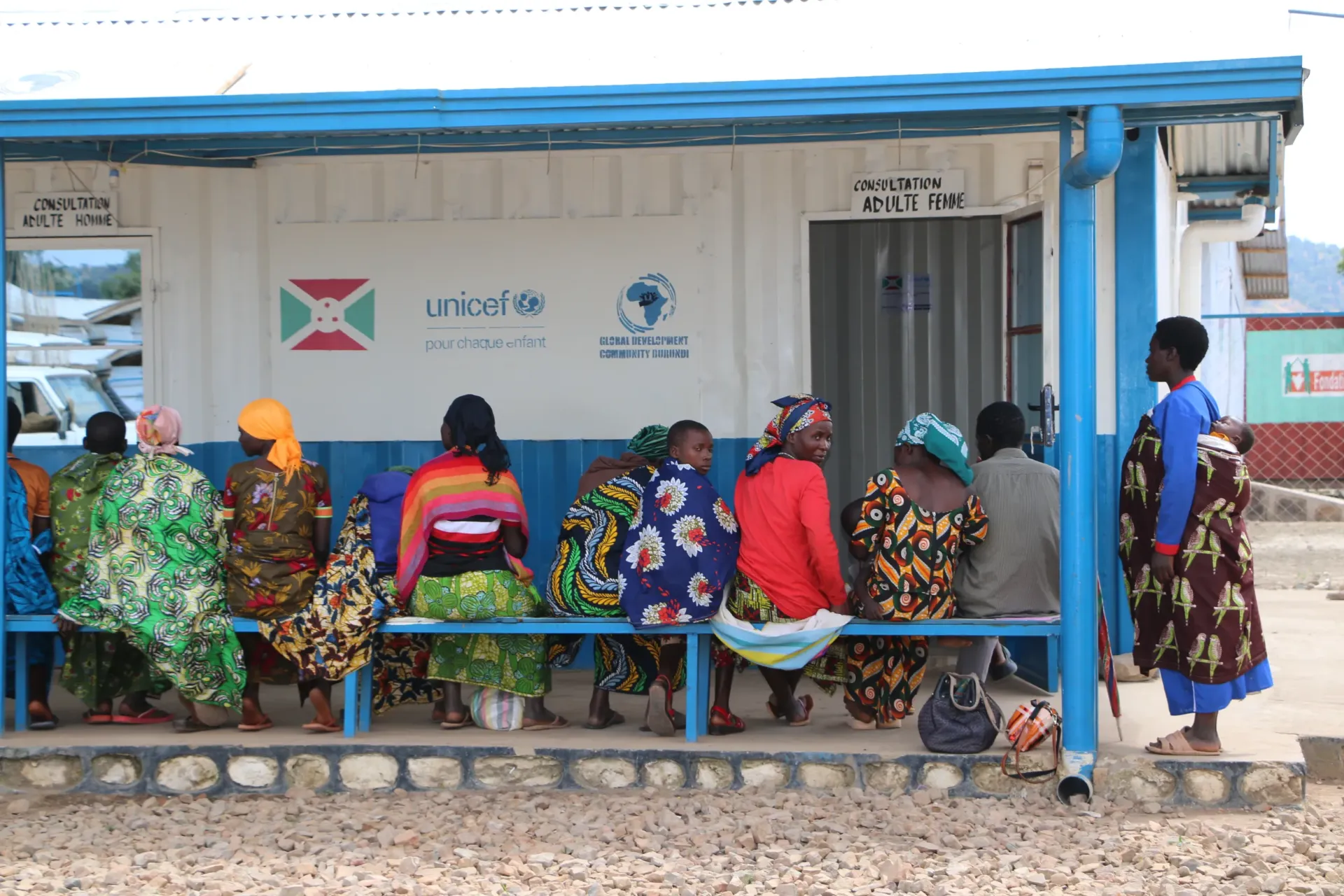
Under a sweltering heat, the line stretches in front of the Musenyi mobile clinic. Every day, between 150 and 230 patients pass through its doors: Congolese refugees and members of the host community seeking care, relief, and sometimes a second chance.
Here, at the heart of a site where thousands of refugees who have fled the violence ravaging eastern Democratic Republic of the Congo are living, health is a constant emergency: children suffer from malaria and respiratory or diarrheal diseases; pregnant women need regular check-ups; older people battle hypertension or diabetes. For many, each illness is an additional trial in a daily life already marked by exile.
But behind the walls of this mobile clinic set up in shipping containers, a team of doctors, nurses, and midwives works tirelessly to provide vital, compassionate, and dignified care to refugees and host communities.
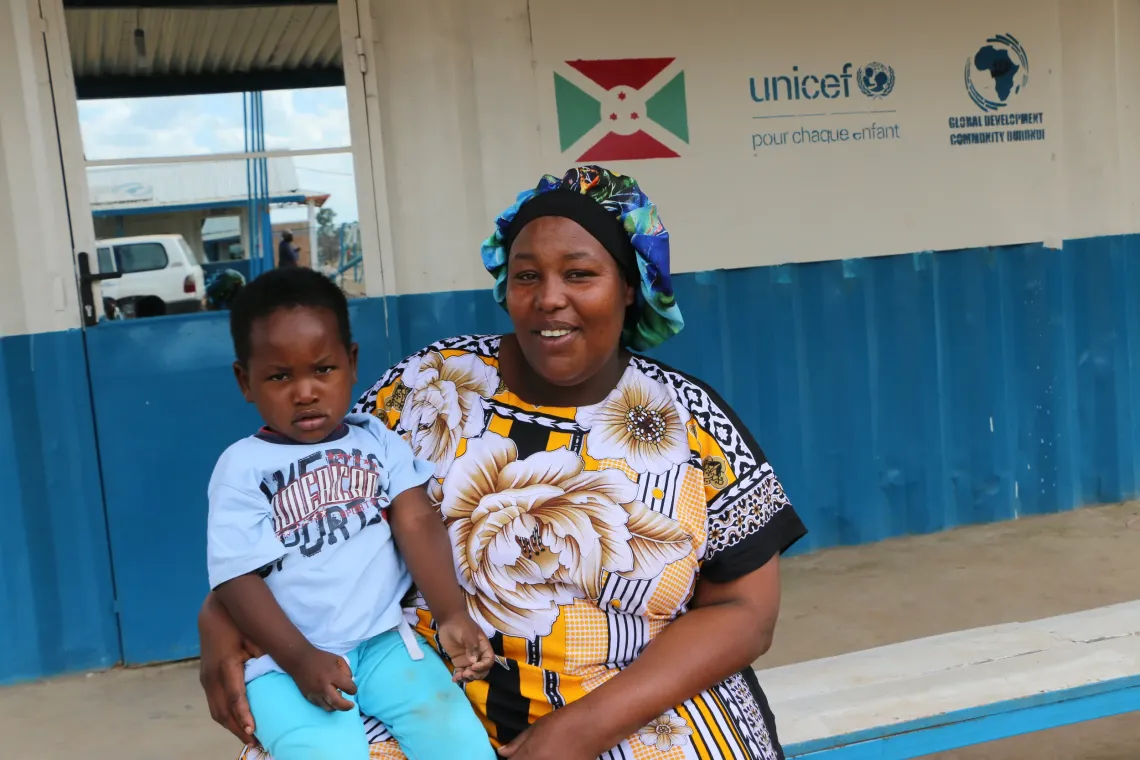
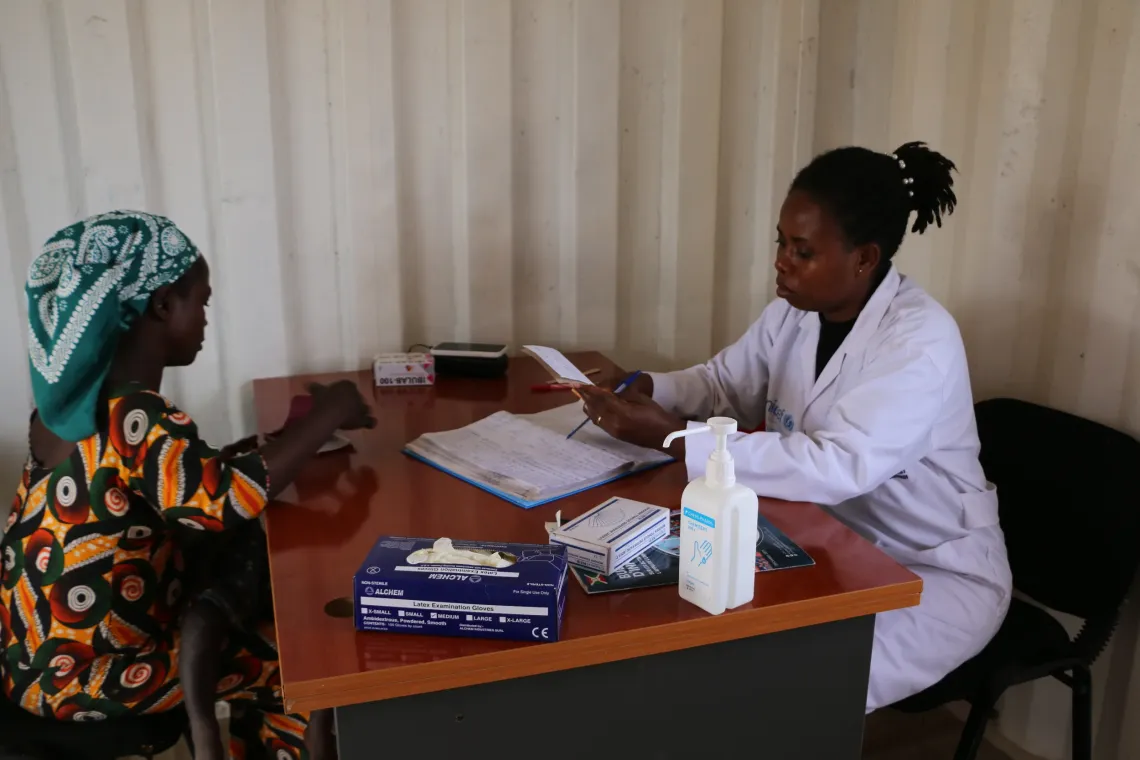
For Sabena Mariam, the importance of this facility is reflected in her child’s story. A few weeks earlier, her son had contracted malaria. At the same time, she herself was suffering from hypertension. “My child was treated here for malaria, and I was also cared for hypertension. I truly appreciate this support, without it, people could die,” she explains.
Before the clinic arrived, accessing care meant walking long distances, sometimes in the middle of the night. “It was especially difficult when someone fell ill after sunset,” she recalls.
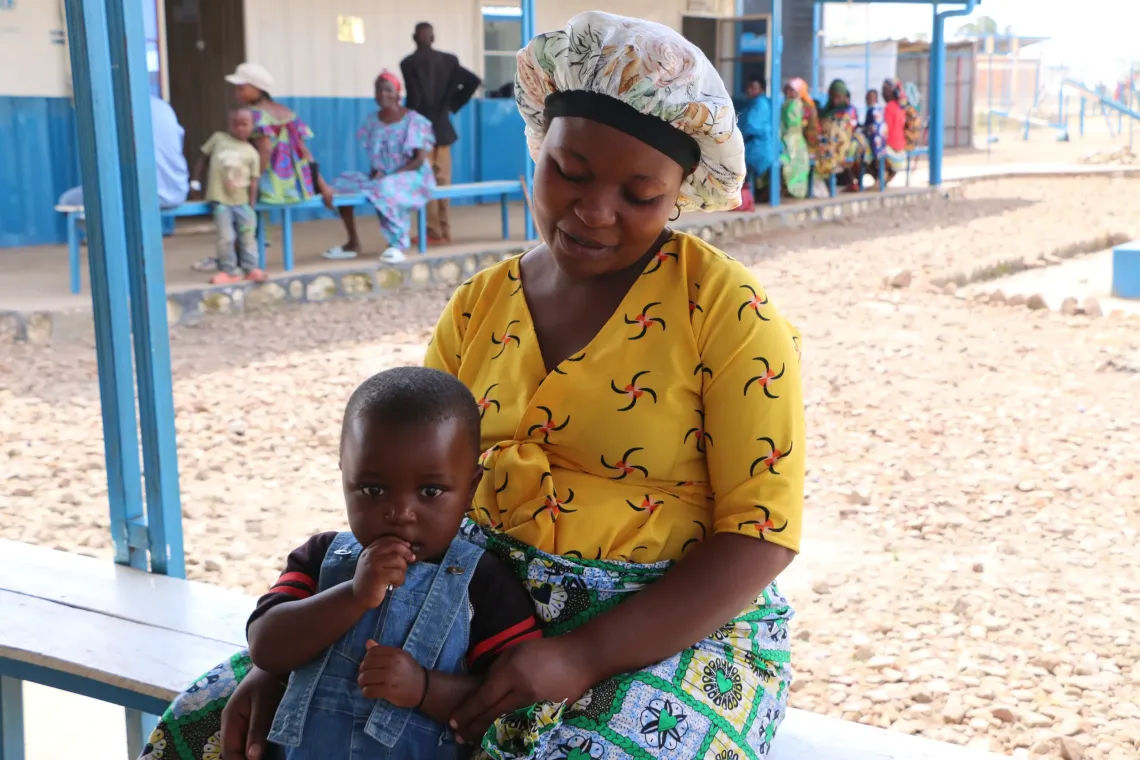
A few meters away, seated on a bench with a child on her lap, Zaidi Kwetemwami Judith waits her turn in front of the mobile clinic at the Musenyi site. This expectant mother is well familiar with the clinic, which she visits regularly for her own care and that of her child.
“The services are good, and we are very fortunate to have them so close to home. Before, we had to go all the way to Musenyi 1, and it was particularly difficult at night”, she said.
However, needs remain significant. Like many other pregnant women, she would like to see more beds in the maternity ward to improve childbirth care.
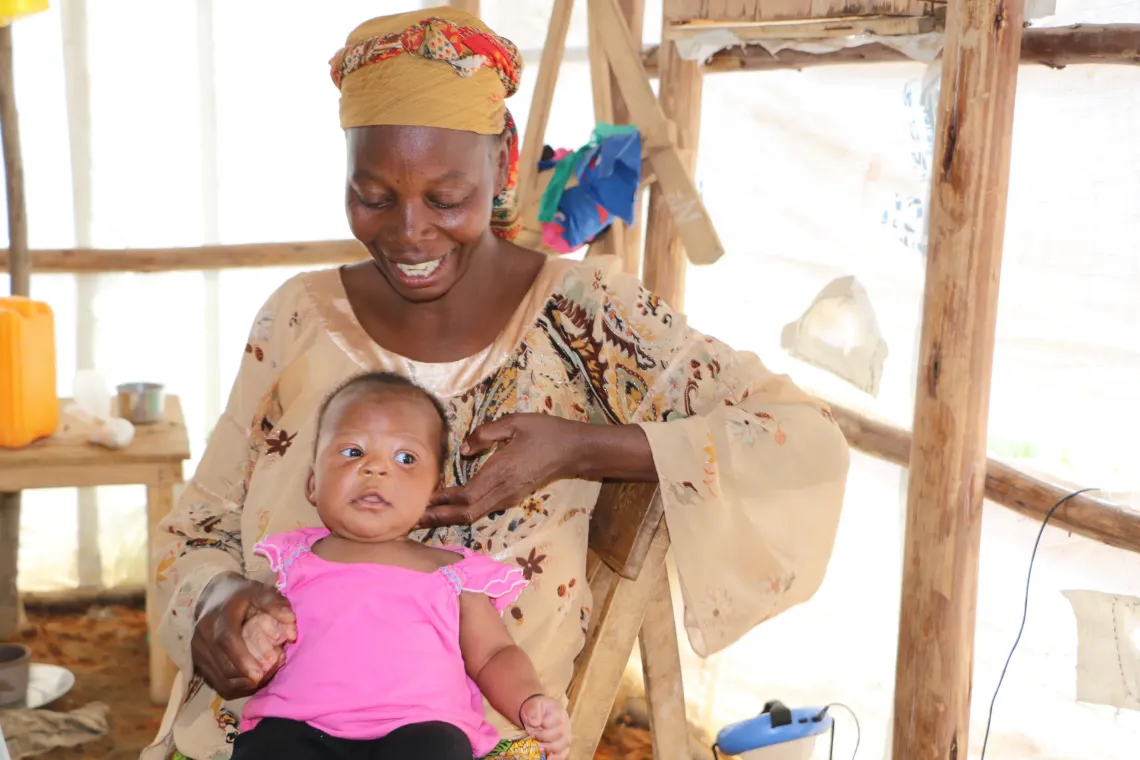
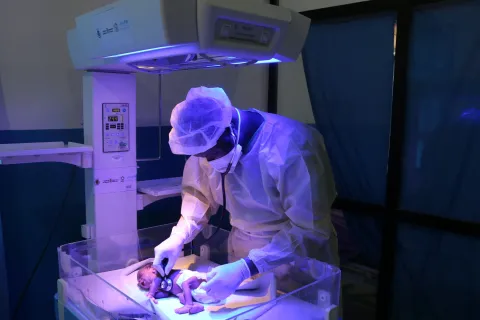
For Jeanne Mangalewa, the clinic will forever be associated with one of the most important days of her life. It is here that she gave birth to her baby. “I was very well received. Everything happened very quickly. Before, we had to wait for hours to be seen. Here, it’s close to home, and you are attended to within minutes,” she says with a smile.
Beyond medical consultations, prevention plays a vital role. Every day, community outreach workers move through the camp’s pathways to raise awareness among families about good health practices. Oscar Okito is one of them. “We go from house to house to raise awareness about gender-based violence, HIV, malnutrition, as well as the health of pregnant and breastfeeding women.”
According to him, self-medication remains one of the main challenges. “Some people refuse the prescribed medicines because they are different from what they used before and prefer to buy other drugs from pharmacies. We continue to raise awareness about the dangers of self-medication.”
Their work, discreet but essential, helps prevent illnesses before they even reach the clinic.
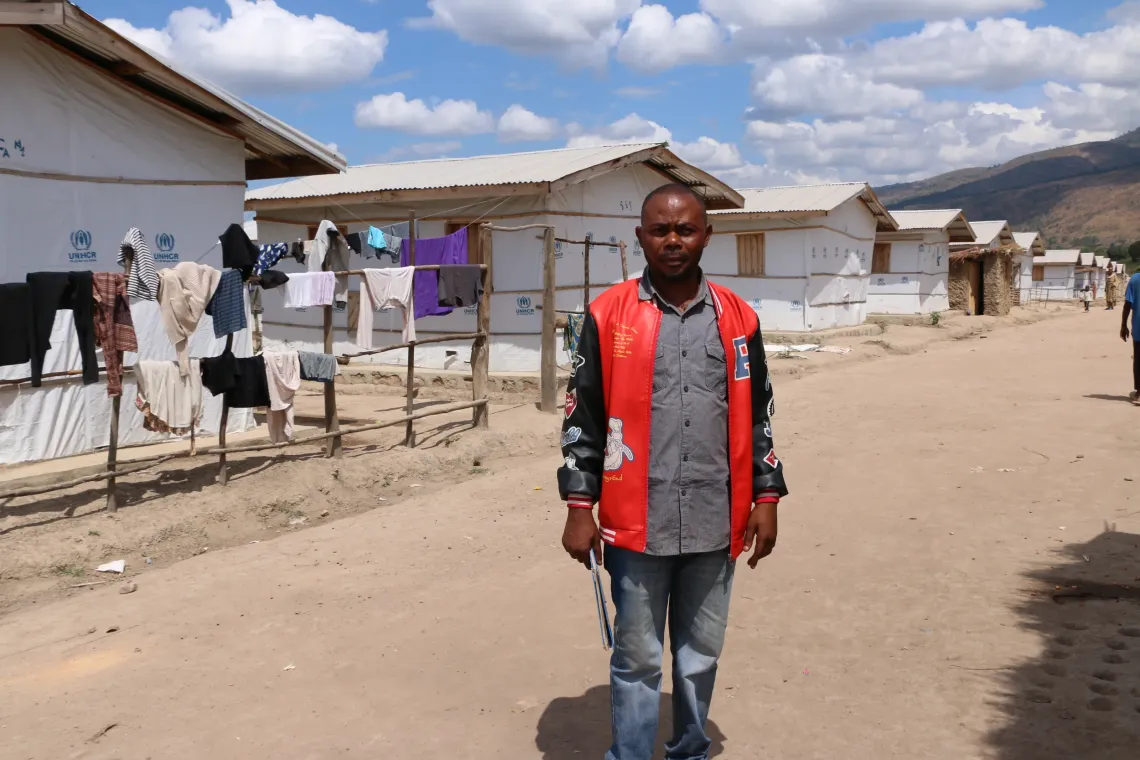
Implemented by Global Development Community Burundi (GDCB) with the support of UNICEF and the Ministry of Public Health, and funded by the World Bank, the clinic has become a lifeline for refugee families. Since its opening, it has provided more than 6,100 medical consultations, over 3,500 malaria tests, nearly 300 vaccinations, several safe deliveries, and large-scale awareness campaigns.
In a complex humanitarian context, where more than twenty thousand refugees are trying to rebuild their lives far from home, the Musenyi mobile clinic has become much more than a health facility. For mothers who give birth safely, for children recovering from malaria, and for families regaining hope after losing everything, it represents the promise that no medical emergency has to be faced alone.