At Busuma, refugees are acting as protectors of their own health
Supported by the Mastercard Foundation and the Government of Navarra, UNICEF empowers community health workers to ensure better access to healthcare for Congolese refugees in Busuma.
- English
- Français
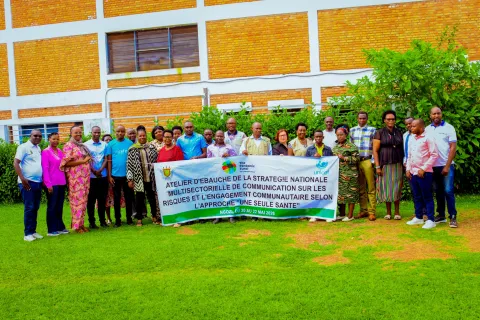
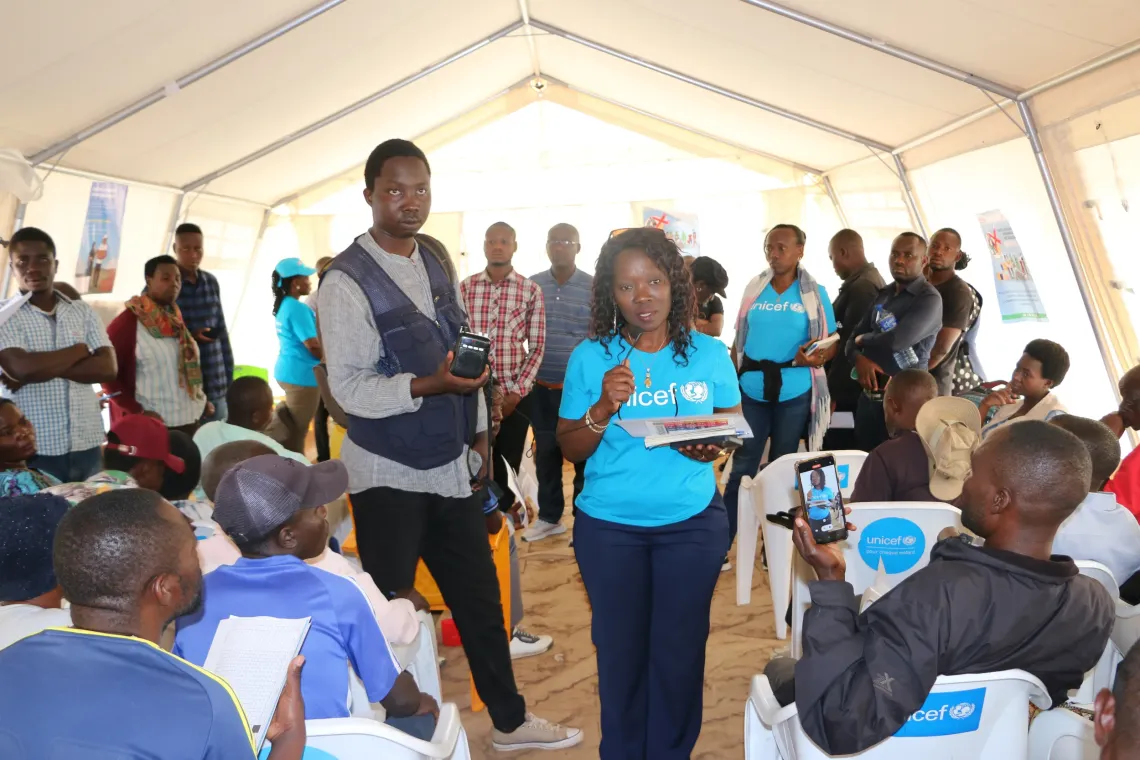
By 9:30 a.m., the sun is already high in the sky over Busuma. In the heart of the refugee site, a large tent rises like a beacon, radiating fresh energy. Around it, children gather, their curious eyes following the steady movement of adults. That morning, the atmosphere is striking: 136 newly trained community health workers (CHWs) stand ready to embark on a mission that promises to reshape the lives of thousands of families in Busuma. Their presence is more than symbolic; it marks the beginning of a new chapter, where hope and resilience take root beneath the roof of a simple tent.
Among these health workers is Régine. Like most people living in the Busuma site, she is a refugee. But on that day, she carried a new identity: that of a protector. After three days of intensive training on the integrated community health worker manual, she could not hide her pride: “I am happy to be able to save the lives of my fellow citizens, who are refugees just like me. Before, I didn’t know how to detect signs of illness or malnutrition. Now, I know exactly what to do when faced with a suspected case,” she says enthusiastically. Régine does more than just identify suspected cases or sick individuals; she also ensures that children receive the necessary preventive care and refers identified cases to health facilities on-site.
She is not alone in this mission. Régine is one of 136 refugee community health workers in the Busuma site, along with 17 others from the same community whom she supervises as a team leader. Together, they form a united group, breaking down barriers between the host population and refugees in pursuit of a common cause: community health and well-being.
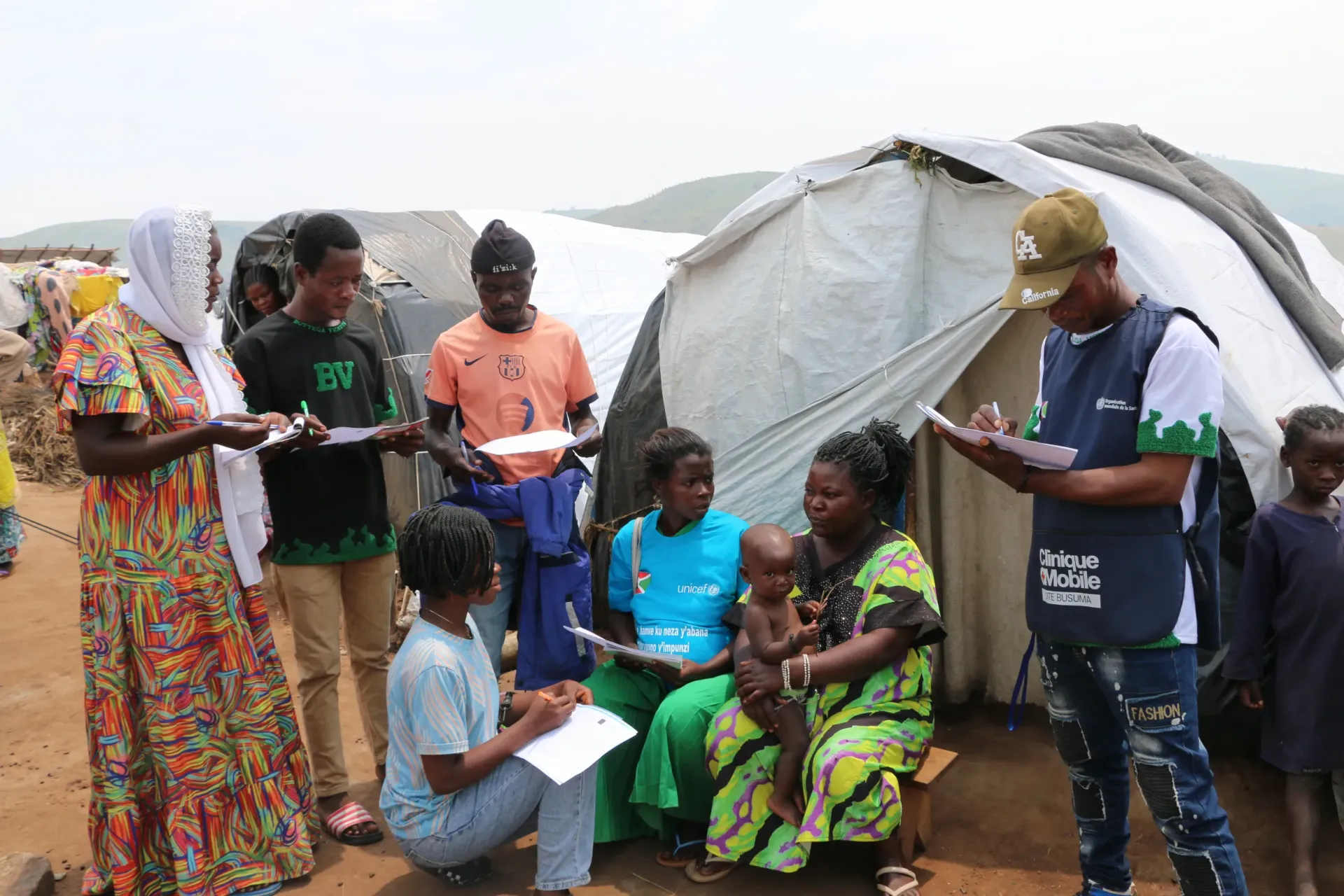
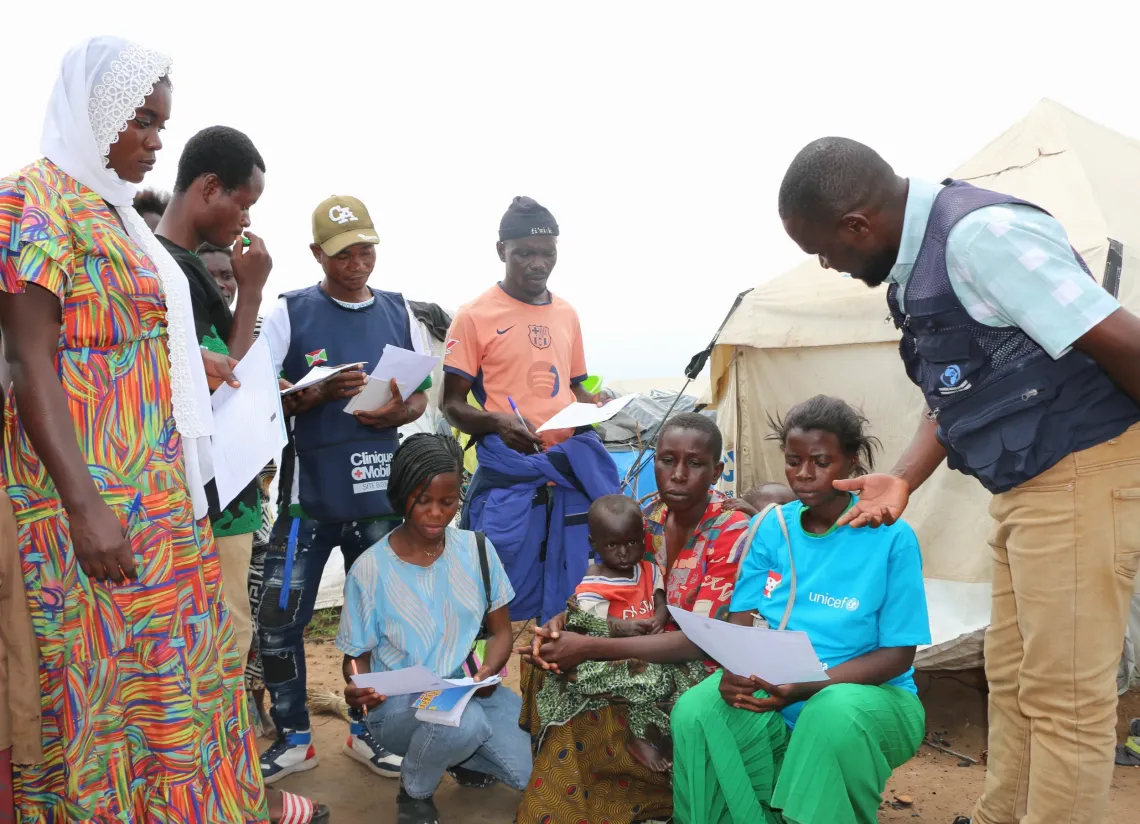
On the ground, the challenges are immense. Walking alongside Sada, one of the community health workers' supervisors, we reached the modest shelter of Bibile. For three days, her husband had barely left his bed, too weak to stand. Until then, distrustful of the care and services provided by the mobile clinics on the site, her family had relied on self-medication and traditional healing practices, often dangerous, sometimes fatal.
“I am pleased that you came to see us,” Bibile whispered, her voice carrying both exhaustion and hope. “With the presence of these community health workers, I am certain my family’s health will improve.” As she spoke, the visiting health workers carefully filled out their follow-up forms, documenting each detail with patience and care.
In that moment, the small shelter became more than a place of suffering; it turned into a space of trust, where the promise of healing and dignity began to take root.
For the community health workers, these home visits come as a shock. One of them, with tears in his eyes, expressed his sorrow over the lives lost in the past due to a lack of knowledge.
Within just a few hours, the team identified several children suffering from severe malnutrition — children who, without these home visits, would have remained unnoticed.
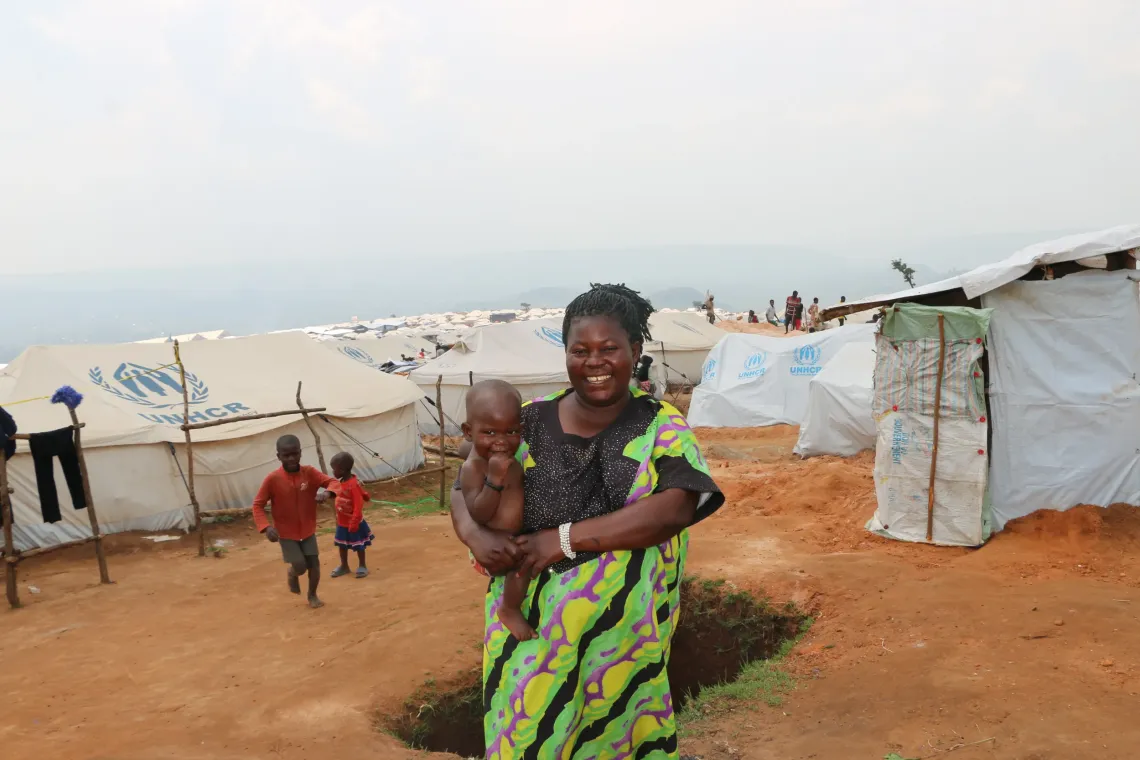
Beyond providing care, these workers have become the “eyes and ears” of the health system. For Rénovat, the medical director of the Ruyigi health district, their role is transformative: “They report to us in real time births, deaths, and health trends within the community, data that were once almost impossible to obtain in the site,” he says.
Now, thanks to the rapid identification of suspected cases, outbreaks can be contained before spreading across the site. Messages on hygiene and vaccination are circulating more widely, and trust in health services is increasing. What once seemed out of reach, timely information, preventive care, and community trust, is now becoming a reality in Busuma.
Led by the NGO Global Development Community Burundi and supported by UNICEF with funding from the Mastercard Foundation and the Government of Navarra, this initiative goes beyond healthcare. In Busuma, community health workers are not only improving access to care; they are strengthening resilience and social bonds between Congolese refugees and the Burundian host community.