Promoting gender integration and inclusion in primary health care and immunization.
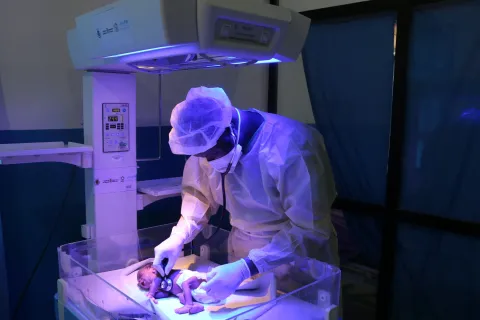
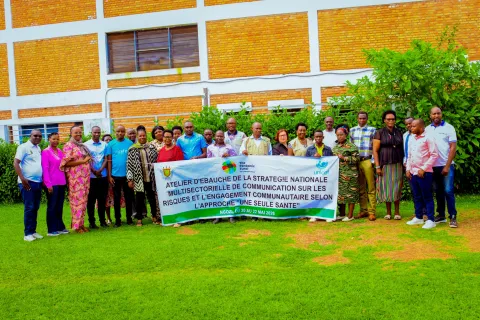
UNICEF has organised a training workshop for health care providers to help them improve their primary health care services and immunisation by taking gender and inclusion issues into account.

- English
- Français
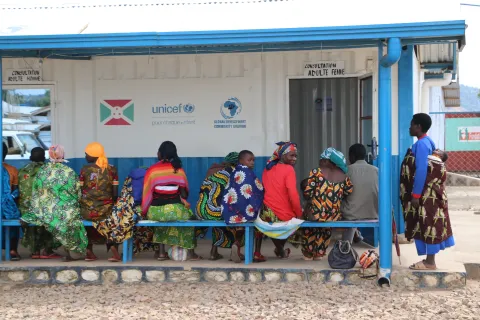
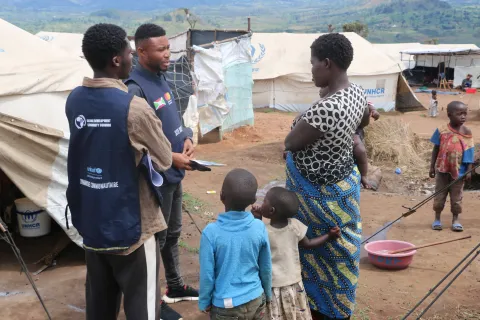
Access to health and gender equity and equality are an integral part of the country's sustainable development. Men and women, boys and girls, people living with disabilities and other vulnerable groups are affected differently and face different difficulties in accessing primary healthcare, including immunization. Restrictive gender norms assigning childcare roles more to women than to men and preventing men from fully playing their role as fathers exacerbate these inequalities.
A 2024 UNICEF study on access to immunization highlighted gender stereotypes and socio-cultural norms as significant barriers. This means that the expectations and roles assigned to men and women in society can influence people's access to vaccines, creating inequalities.
It was against this backdrop that UNICEF, with financial support from the Gender Mainstreaming Group (GMG) of the Polio Eradication Programme, organized training for health care providers from the districts of Ngozi, Kiremba and Buye from 9 to 12 December, in collaboration with the Ministry of Public Health and the Fight against AIDS.
The training aimed to improve the quality of care, while integrating more inclusive and gender-sensitive practices.
The training, which took place in a context marked by problems of accessibility for people with disabilities and gender inequalities in healthcare structures, had a significant impact on the participants.
“In our health center, we hadn't planned any specific measures to welcome people with disabilities. But thanks to this training, I've become aware of the importance of adopting more inclusive practices. From now on, I'm going to take accessibility into account in my day-to-day work. I'm going to raise this issue at our meetings with the hierarchy at the health center level’’, says Rosette Bizimana, a nurse at the Mwungere Health Center.


This training also enabled participants to realize the need to integrate the gender aspect into primary healthcare, including vaccination, as many healthcare providers acknowledged that they did not have a sufficient understanding of gender issues. This could hinder women's, girls' and children's access to care.
“Imagine a situation where a woman goes to the health center, finds that no nurse is available, and prefers to go home without being treated, especially when the consultation requires vaginal touching (FP, CPON), fearing that she will be treated by a male health care provider. This challenge highlights the problem of gender parity within health structures, hence the need to ensure male-female representation in health services”, explains Samson Nizumuremyi, a nurse at the Rukeco health center.
During the discussions, it became clear that most health care providers had no information about the socio-cultural barriers affecting access to primary health care and immunization, but were rather acting out of ignorance. This awareness helped to change mentalities, and all the participants promised to change their practices and improve the reception and service, considering the specific needs of each patient, in their health establishments.
The training has been greatly appreciated by the care providers, who say that the knowledge acquired will enable them to work more efficiently, make progress towards changing mentalities, and improve the quality of care for all, regardless of gender, disability, or other socio-cultural differences.