“No Time to Waste” project: an integrated & multi-sectoral approach to improve nutrition in Burundi.
To tackle malnutrition in all its forms, UNICEF, funded by the Kingdom of the Netherlands, is driving an integrated approach rooted in communities & schools. From the classrooms of COMIBU School in Muruta, find out how this project is transforming eating.

- English
- Français
In Burundi, the feeding practices of children aged 6 to 23 months remain inadequate, despite a slight improvement reported in the SMART 2024 survey: 28% of children have access to a varied diet, compared to 21% in 2022, and 18% benefit from a minimum acceptable diet, compared to 13% in 2022. Gaps remain, notably in Cankuzo (34% diversified diet, 26% with a minimally acceptable diet) and in Kayanza (26% and 12% respectively).
However, according to UNICEF's 2024 report on child food poverty, 82% of children under five consume only five of the eight recommended daily food groups. Considering this situation, a multisectoral approach - mobilizing food, health, water, sanitation and hygiene, social protection, and education systems - is necessary to improve dietary practices and fight malnutrition sustainably.
It is in this context that the project “Prevention of Malnutrition in Children, Adolescents and Women in Burundi,” also known as “No Time to Waste,” was launched by UNICEF, with funding from the Kingdom of the Netherlands. It is being implemented in six former provinces (Cankuzo, Kayanza, Makamba, Mwaro, Muramvya, and Rutana) by the national NGO STAMM Foundation. The project aims to improve communities' access to a variety of nutritious, healthy foods, enhance their knowledge to promote the adoption of optimal nutritional practices, and provide quality nutrition services through multisectoral interventions.
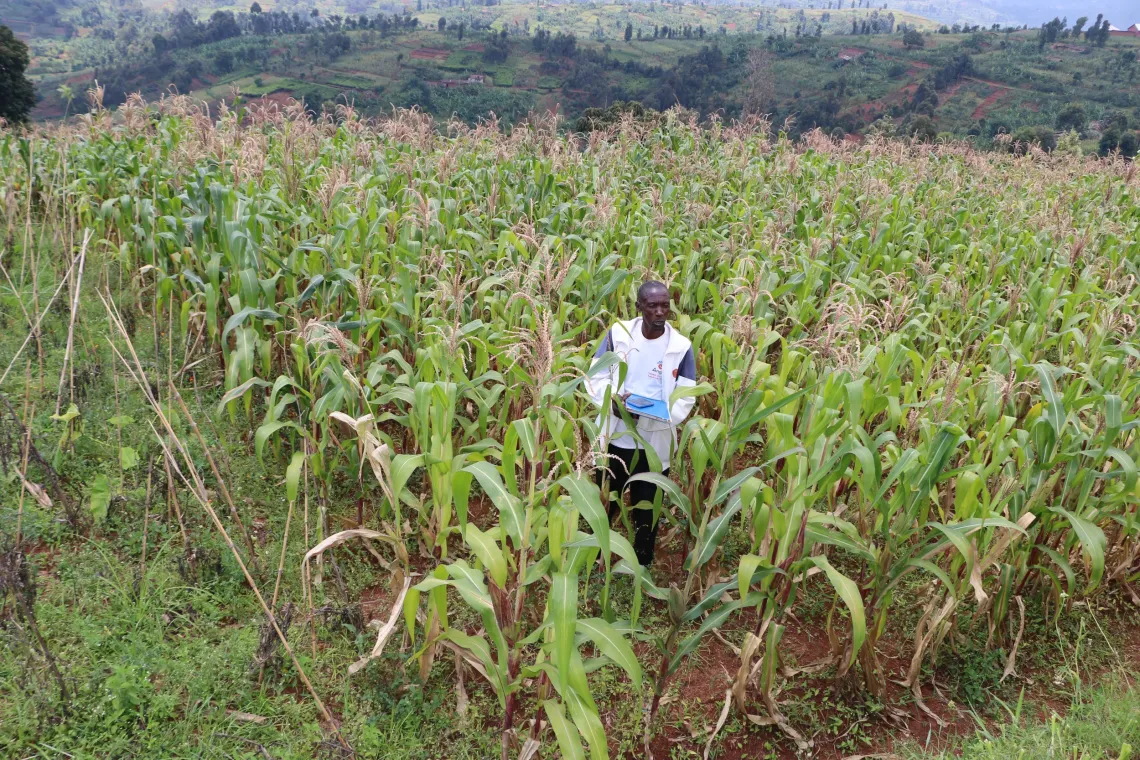
In the commune of Kayanza, the project's progress is visible on the ground. Upon arrival, the air is heavy with humidity, signaling rain. On the road to Muruta, traces of the previous day's heavy downpour are still visible: muddy paths, waterlogged plots, and lush green fields that testify to the region's agricultural potential.
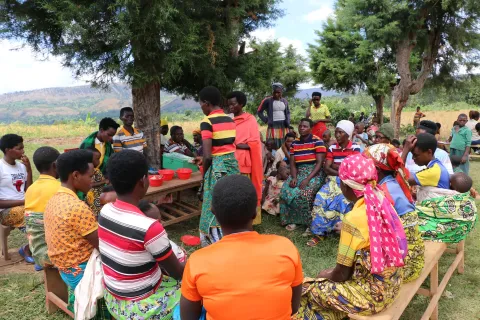
In Muruta, the Ingo Nawe association concretely illustrates the project's community outreach. Structured around Village Savings and Credit Associations (VSLAs), it links savings, credit, agriculture, and livestock farming to improve access to a varied and nutritious diet for children under 5 - especially those aged 6 to 23 months.
The members created community fields, with one hectare used to grow corn. This corn is used to produce composite flour intended for preparing porridge for the children of VSLA members, as well as for those suffering from moderate acute malnutrition who are cared for in the Nutritional Learning and Rehabilitation Center (NLRC). The association also has a poultry farm that provides eggs, an important source of animal protein for children.
“We have formed ourselves within our association. We save, farm our fields, and keep a chicken coop. This even allows us to contribute to feeding malnourished children in our community, without systematically depending on external support,” explains Nsabumutima Édouard, a member of the Ingo Nawe association. “Our crops supply us with cereals for porridge, and the eggs boost the meals fed to the children.
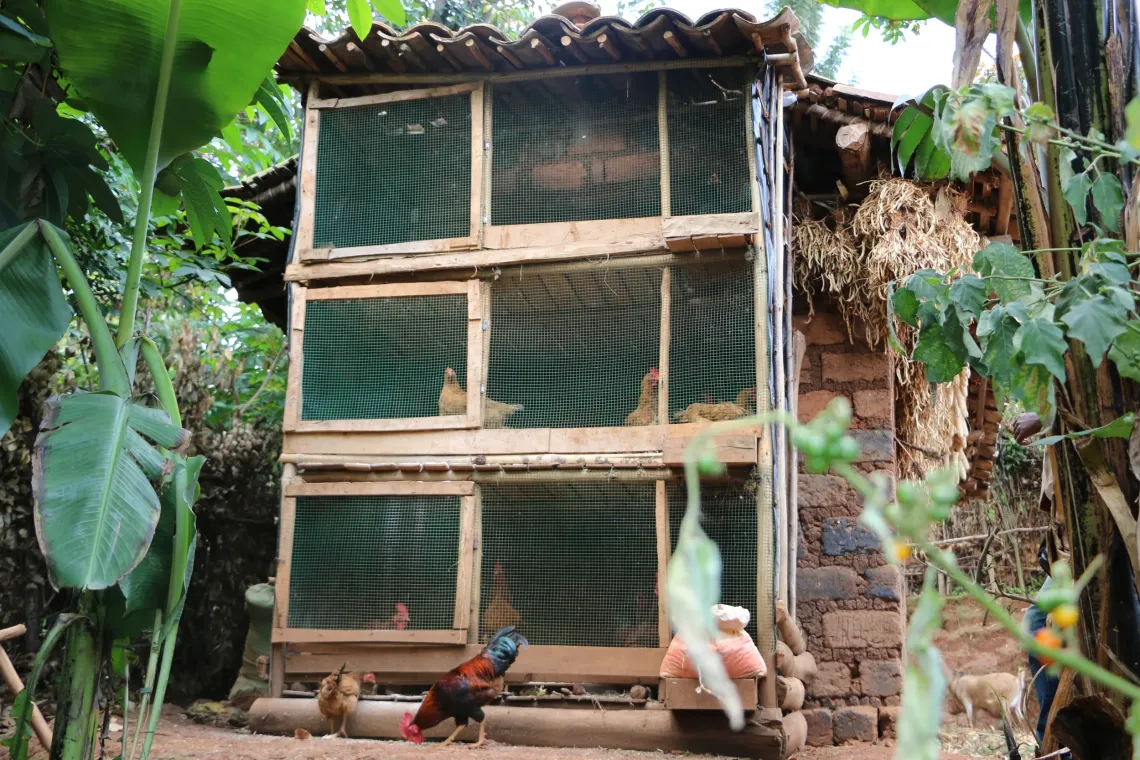
Beyond food production, the project also strengthens community skills. The members of the VSLA received training in entrepreneurship and technical support in agriculture and livestock from agricultural instructors, animal health agents, and veterinarians, as well as regular guidance to ensure the sustainability of activities.
Health providers and community stakeholders have also been trained in nutritional interventions, input monitoring, and data analysis and management. Raising family awareness on adopting good nutritional practices is another central pillar of the project.
Miburo Gertrude, a “Light Mother” from the Muruta locality, shares the changes she has seen: “Before, we had to appeal to the local administration to obtain food supplies for moderately malnourished children. Today, thanks to training in savings, agriculture, and livestock farming, we are better prepared. Now, our NLRCs have the required resources, including eggs, which was not the case before.”
She also highlights the impact of the training on dietary diversification: “We have learned to make nutritious meals using cereals and vegetables from our own crops, adding amaranth and ndagala (small fishes), among other food items. This has helped improve the children’s health.”
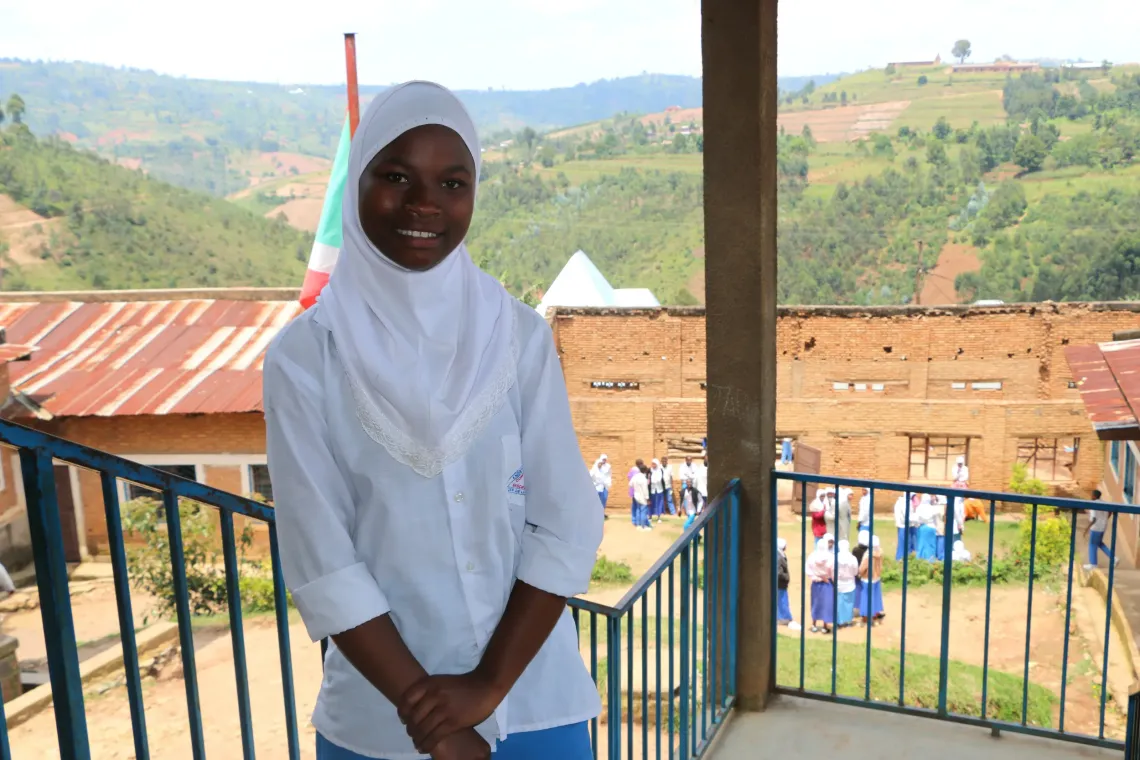
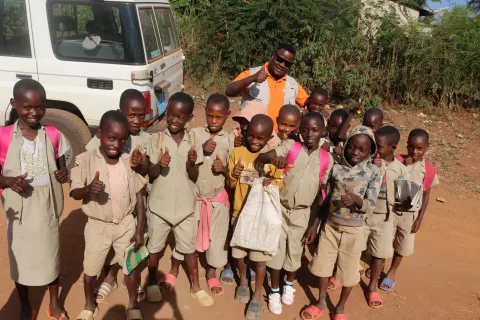
After Muruta, the team went to the main town of the Kayanza district, to COMUBU High School, one of the project’s pilot schools. The school has a nutrition club called “Twiteho Amagara Mugufungura Neza” (“Let’s take care of our health by healthy eating”). The aim is clear: to educate young people from adolescence about the basics of a healthy, varied, and sustainable diet.
Within these clubs, pupils are made aware of food categories, the importance of nutritional diversity, and good health and hygiene practices. Ndikuryayo Digne, a 10th-grade pupil, shares her experience:
“We are taught about the importance of different types of food and their role in health. I used to hate vegetables. Now, even my parents know that it is important to serve varied meals. I have learned a lot, and I can share it with my neighbors.”
By engaging communities, schools, and local structures, the No Time to Waste project promotes ownership of interventions at all levels. This approach helps bring about lasting changes in dietary practices and improve the nutritional state of children, adolescents, and pregnant women in the supported provinces.