Ruyigi: The Butaganzwa community takes ownership of its development
In Buhumuza Province, through the feedback workshops of the Community Development Plan, local authorities, women, youth, and hill-level leaders are collectively redefining their commune’s priorities and their children’s future.
- English
- Français
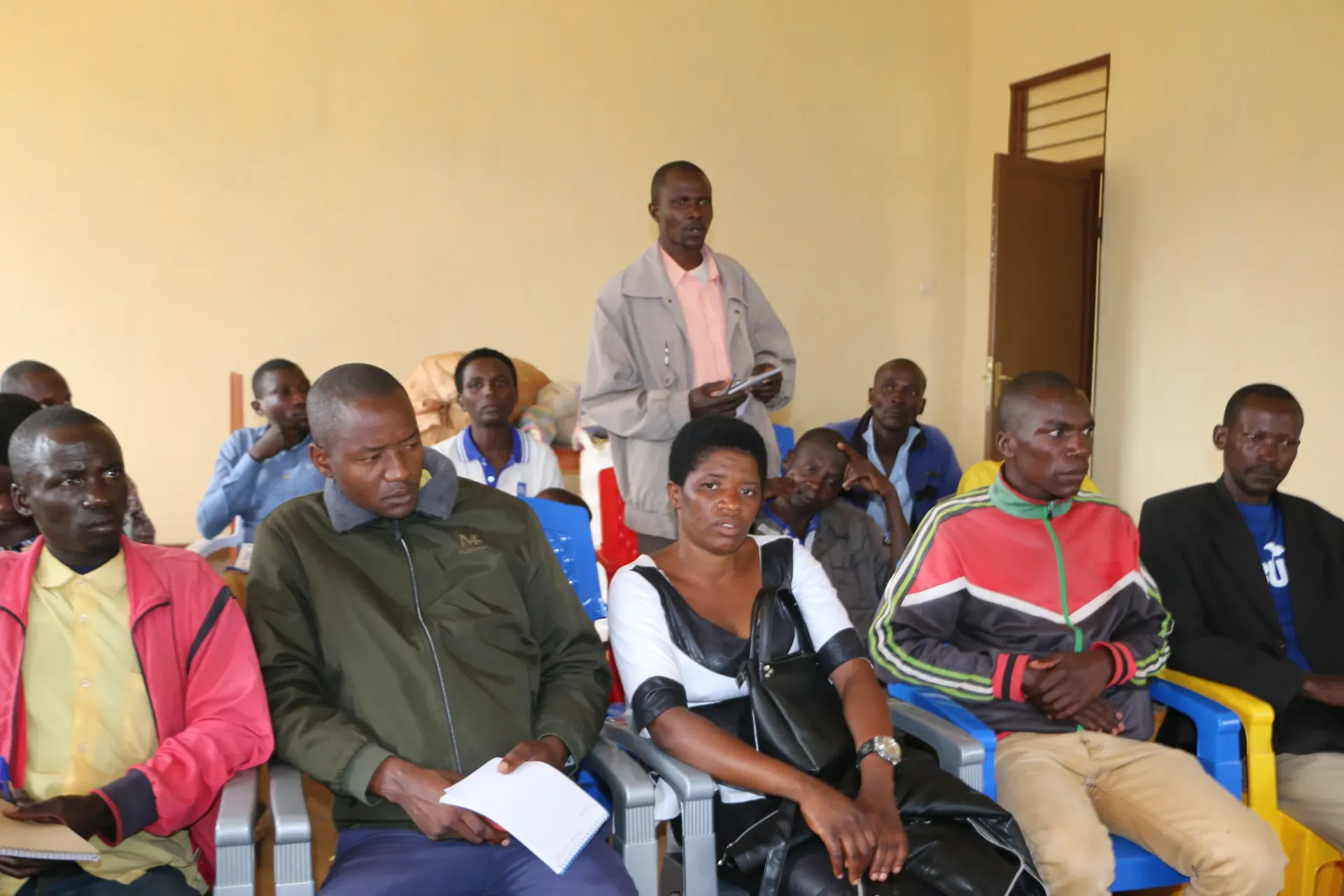
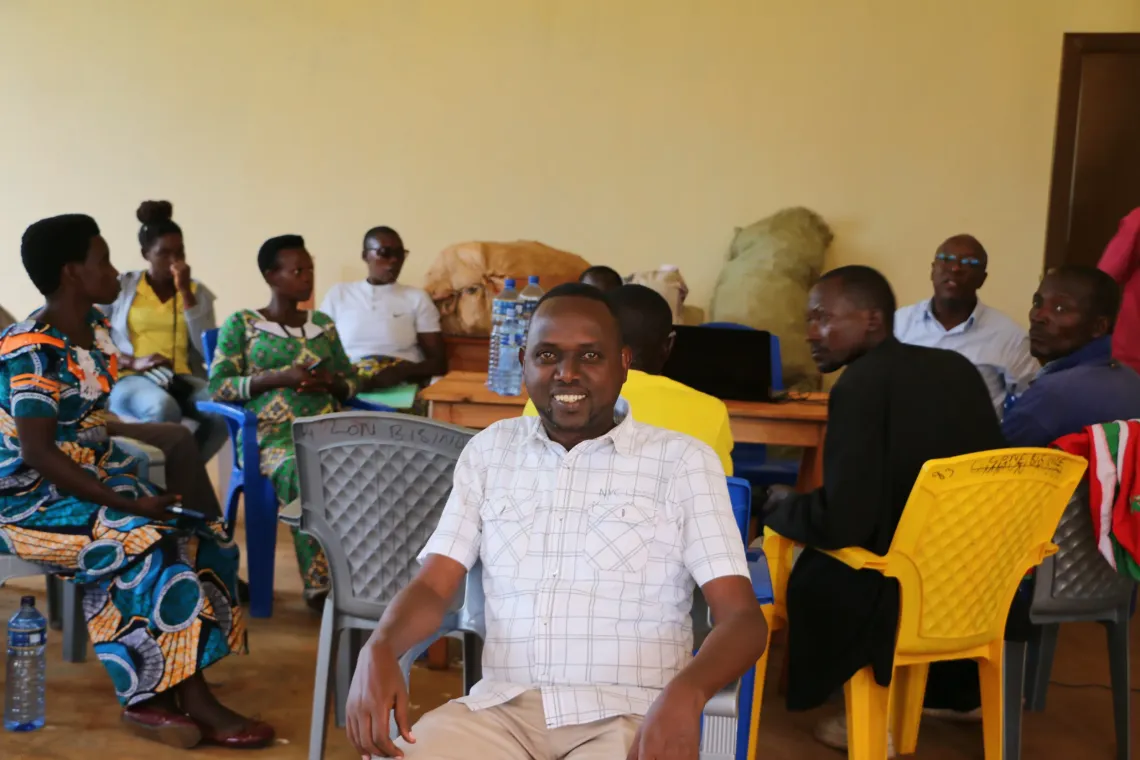
Under the morning sun, the meeting room in Bisinde, one of the zones of Butaganzwa commune in Buhumuza Province, gradually fills. Hill chiefs, heads of health, education, and civil registration services, as well as development advisers, take their seats to participate in a zonal workshop to review and validate the Community Development Plan (PCDC). Notebooks open, everyone listens attentively, exchanges ideas, and takes notes: this is not only about being informed, but about validating, adjusting, and proposing concrete priorities for the zone.
Ahead of this zonal workshop, the communal planning team, along with representatives from communal departments, civil society, religious denominations, women’s groups, youth groups, and persons with disabilities, came together to take ownership of the PCDC, align their understanding, and prepare the delegations responsible for presenting it back to the communities.
A shared approach: consulting and setting priorities
In all communes, the feedback process follows the same approach and is organized in two complementary stages: first at the communal level, to inform and prepare key actors; then at the zonal level, where an extract of the PCDC is presented to highlight projects specific to each zone. Participants work in groups around four priority areas: structural transformation; human capital and social inclusion; environmental protection and climate change adaptation; and governance, justice, and inclusion. The goal of these discussions is to confirm priorities, suggest adjustments, and identify any additional items to include as annexes to the local development plan.
This process is part of a national dynamic led by the Ministry of Interior, Community Development and Public Security, with the support of UNICEF Burundi, under the Water Sector Support and Climate Resilience Strengthening Programme (PASEREC), funded by the African Development Bank.
Although the country’s 42 communes have had harmonized PCDCs since 2024, following the new administrative reorganization, these documents were created by merging former communal PCDCs and had not yet been systematically presented back to grassroots communities. The restitution of the PCDCs, therefore, aims to strengthen citizen participation, ensure genuine local ownership, and collect the necessary inputs to inform the Annual Work Plans and Budgets (PTBA), after validation by the Communal Council.
Listening to community voices: a key step
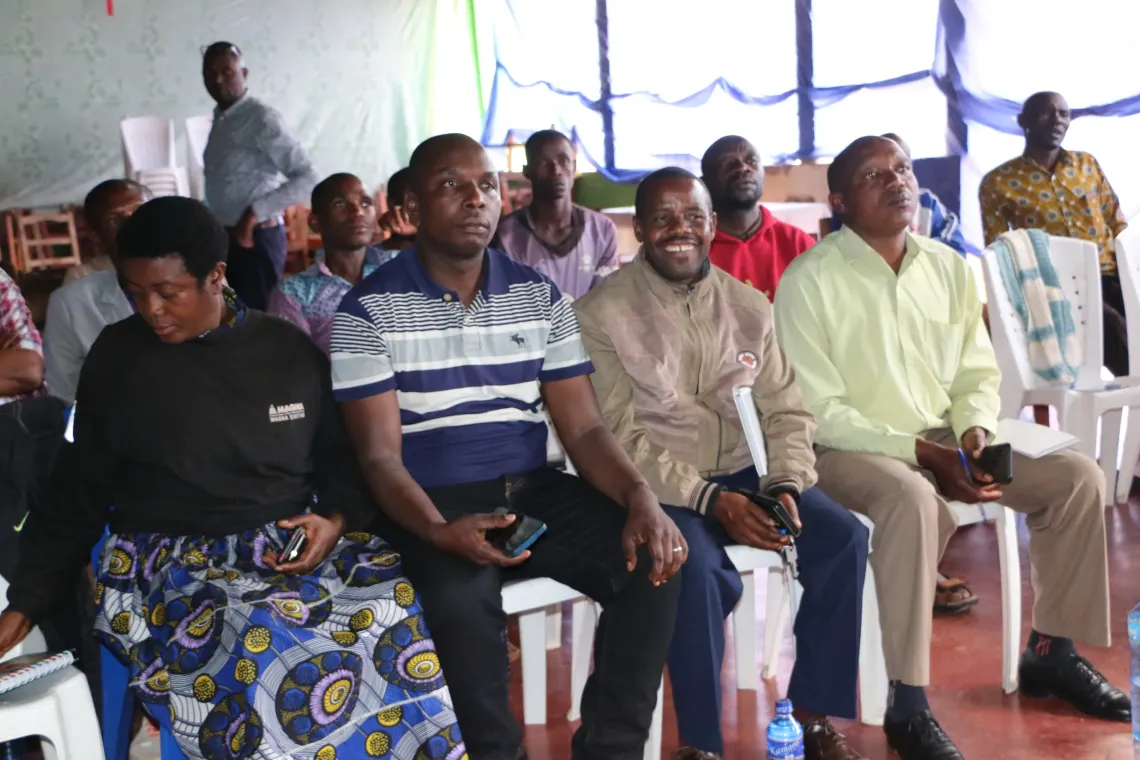
In Butaganzwa, the communal workshop has already helped bring new priorities to light. As explained by the commune’s economic advisor, Isaïe Niyibitanga, this PCDC is the first to be developed under the new administrative structure and, unlike past practice, it was finalized without systematic prior consultations with the population, relying mainly on local elected officials. “The feedback session is precisely an opportunity to address this gap, to ensure that citizens’ expectations are truly taken into account, and to integrate recent developments,” he says.
He has already identified several new priorities raised by participants, including the establishment of poultry farms in each zone to help fight malnutrition, the development of a market space, the construction of commercial spaces to be rented out to the community, and the creation of a parking area with a car wash that could generate revenue for the commune.
For him, these contributions reflect a strong conviction: development starts at the grassroots level, on the hill, and community participation remains the foundation of effective and inclusive planning.
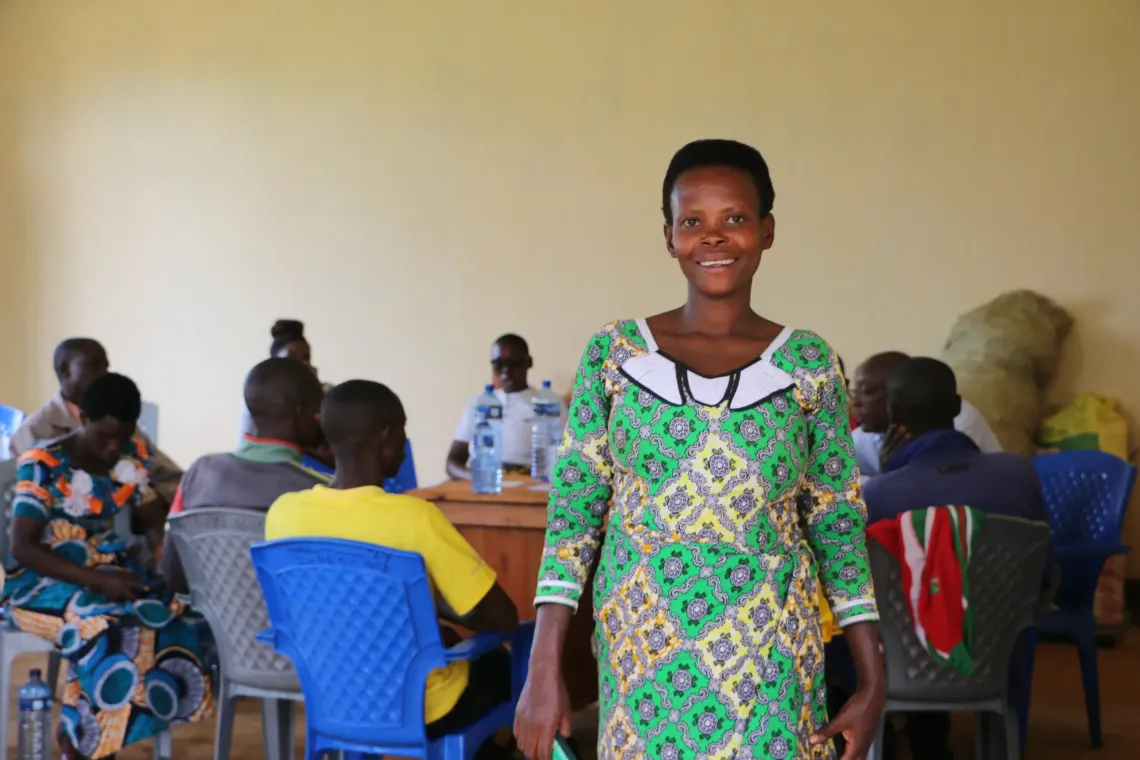
At the hill level, the feedback sessions take on a more personal tone. For many hill leaders, it was the first opportunity to learn in detail about the PCDC. Agnès Ndihokubwayo, Head of Nyagashubi Hill, is pleased to see that the projects included in the PCDC respond to the real needs of her community. She adds, however: “If I had to rank the most urgent priorities, I would put improved seeds, access to safe drinking water, and latrines at the top. We also need to support women so they can vote and be elected, and raise men’s awareness of women’s rights,” she explains.
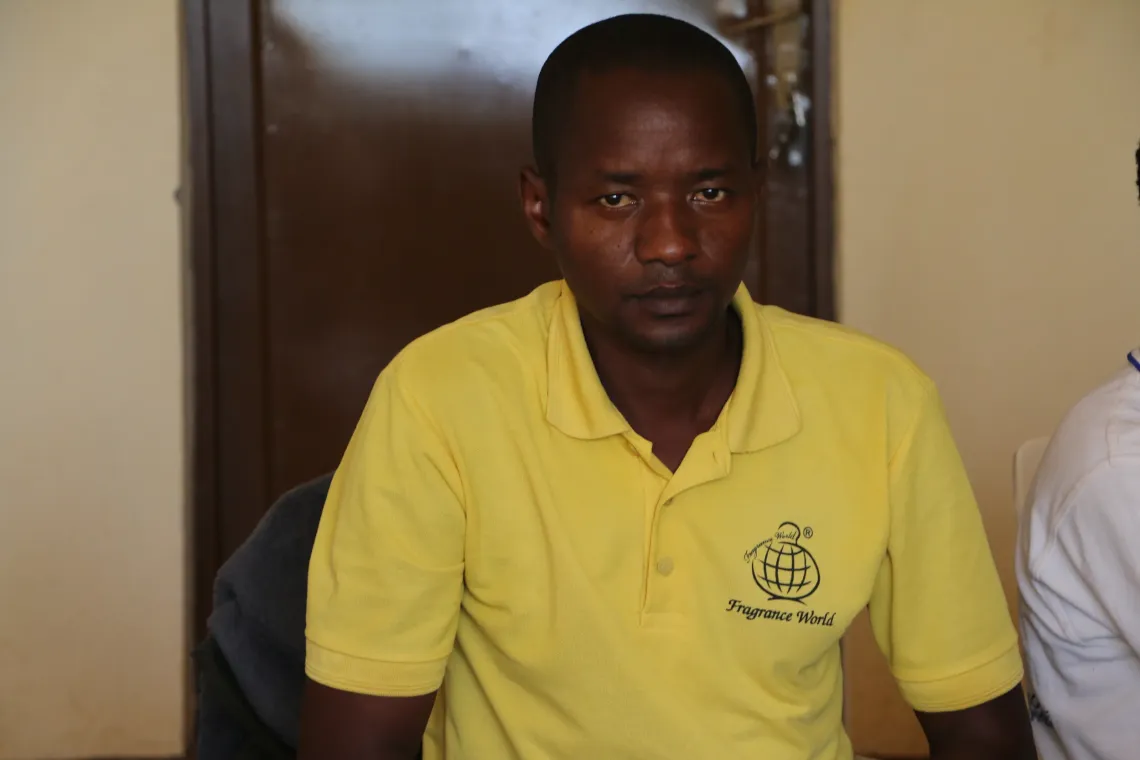
Dieudonné Kwizera, Head of Rutonganikwa Hill, shares the same sense of urgency. While he believes that the priorities generally reflect local realities, he suggested building new primary schools and installing separate latrines in public spaces. “As of tomorrow, I will organize community meetings to inform residents and raise awareness about their role in implementation,” he says.
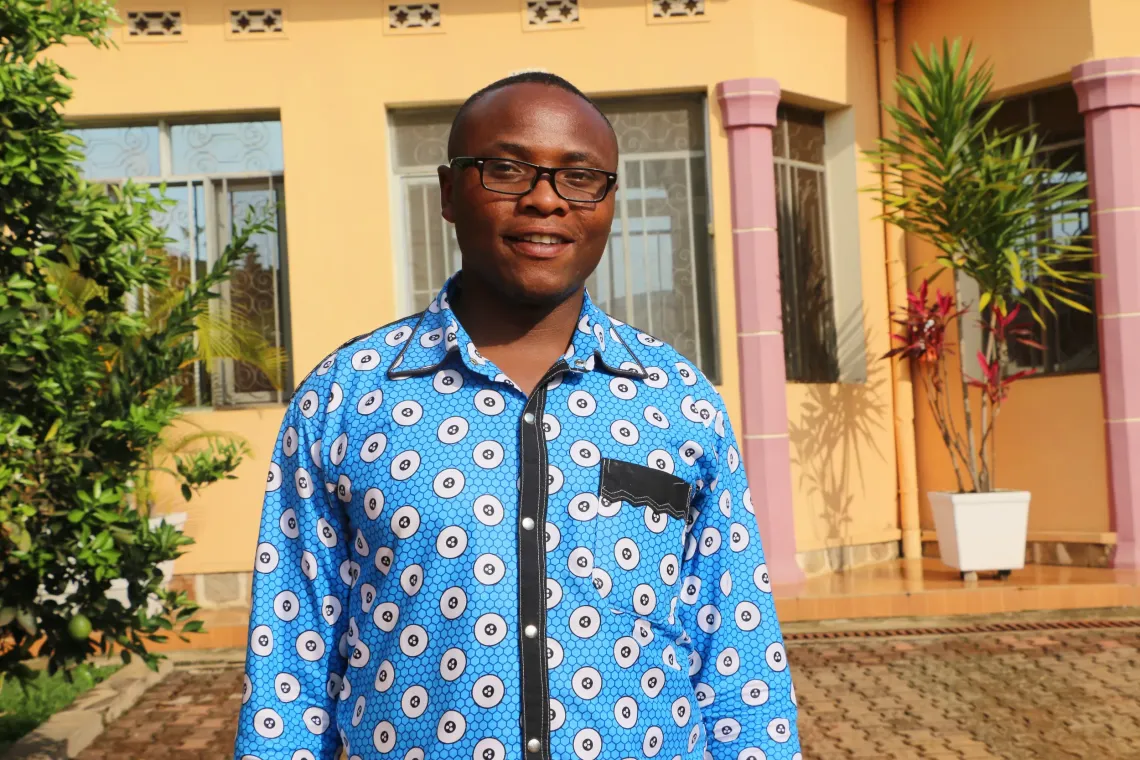
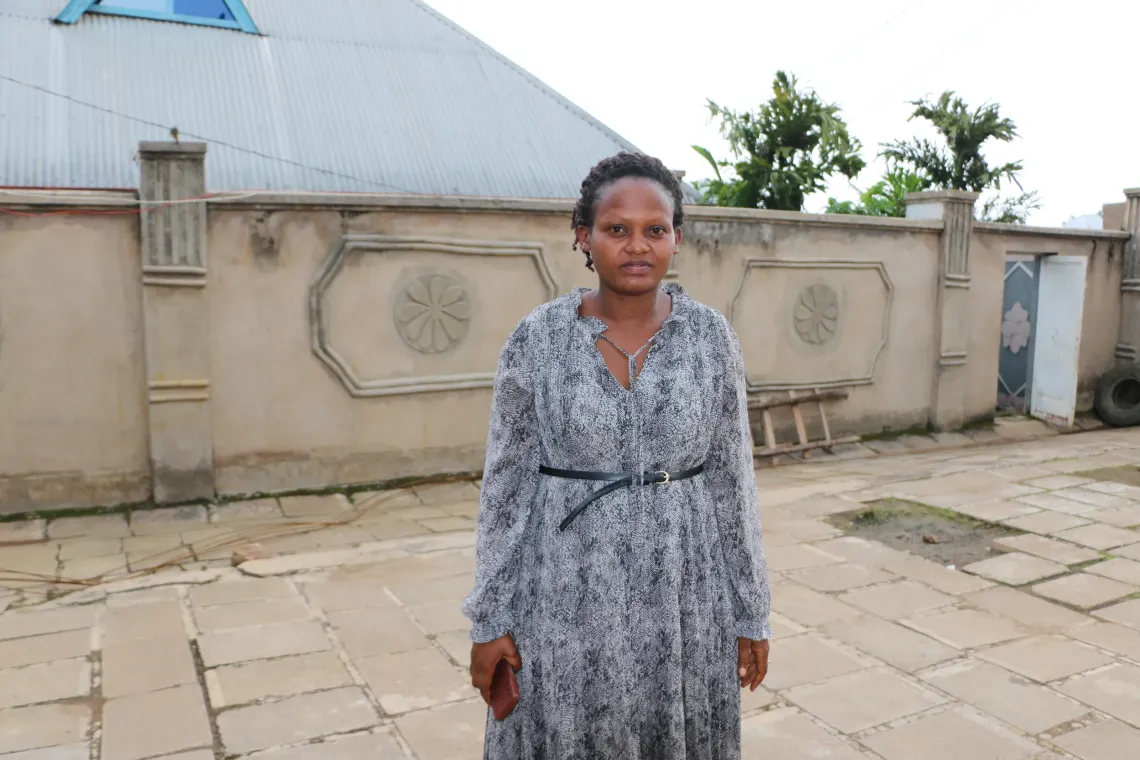
Women’s participation also plays a central role in these discussions. Evelyne Nshimirimana, President of the Butaganzwa Women’s Forum, highlighted a concerning trend: in Ruyigi, many children drop out of school to travel to Tanzania in search of work. “We need to increase awareness-raising efforts to understand the causes and identify appropriate solutions,” she urges. She also emphasizes the need to improve access to financial services for vulnerable women.
The voices of young people were also heard. Dionise Irankunda, President of the Ruyigi Youth Forum, describes communal development as the well-being of the population, with effective access to basic social services such as roads, schools, and health care. He acknowledges that several youth priorities are included in the PCDC, but tempers this optimism by noting that some projects, although planned, often face delays in implementation. “If I had decision-making power, I would prioritize electricity and safe drinking water, because you cannot undertake anything without access to these services,” he explains. He also calls for meaningful youth participation in decision-making spaces and for rigorous follow-up to ensure that planned projects do not remain unfulfilled.
Beyond sectoral priorities, these workshops reflect a broader ambition: strengthening local governance and accountability.
For Jean Claude Hashazimana, Local Planning Adviser at the Ministry of Interior, Community Development and Public Security, the feedback process is “a crucial step in the decentralization process,” as it places communities at the center of decision-making. It improves planning quality by ensuring that resources respond to genuinely expressed population needs. According to him, the remaining challenge is financial: not all communes in the country may be able to conduct such feedback sessions due to limited resources. He hopes partners will continue to support this momentum.
In Butaganzwa, as elsewhere, these exchanges highlighted a shared conviction: a development plan only comes to life when it is understood, discussed, and enriched by communities, making the restitution of the PCDC a genuinely collective effort in support of local development.