The “Light Mothers” are shining a light on malnutrition in Kirundo and Karusi
To combat malnutrition, UNICEF is increasing community awareness of balanced diets, especially for children and pregnant women. Light Mothers play a key role in this community-based approach, spreading these messages and helping to raise awareness
- English
- Français
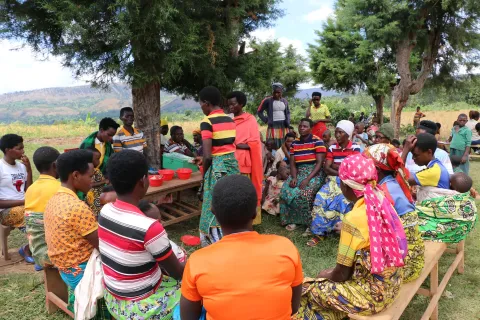
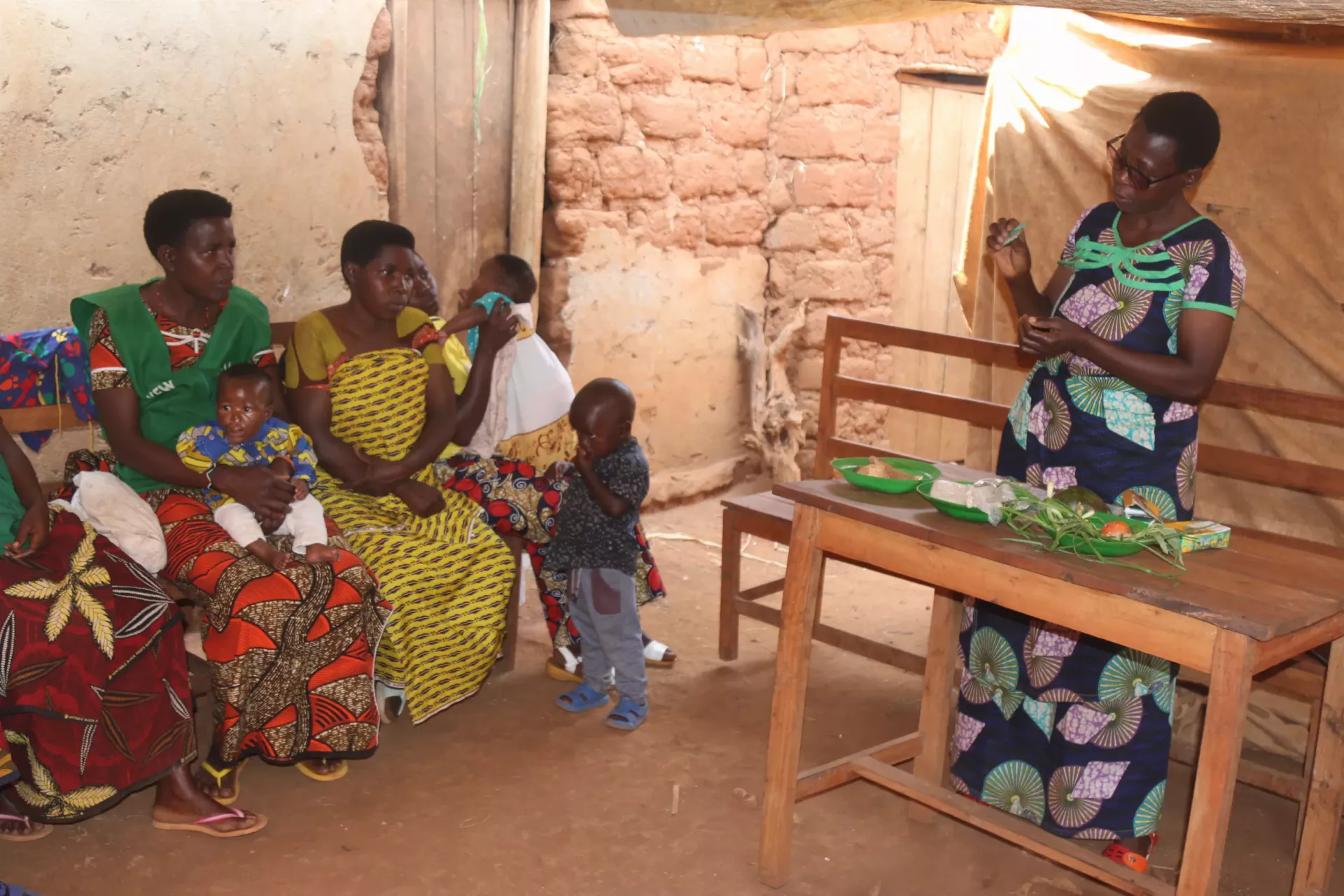
On Thursday, 7 August, in Gitwe, in the commune of Bugabira (former Kirundo province), the laughter of children echoes from the peaceful shade of a tent set up in the courtyard of Mrs. Godelieve Miburo’s house as they play spontaneously. A dozen mothers, sitting in a circle, watch their little ones with tenderness. They are waiting for a meal specially prepared for the occasion. But more than food, it is a much more precious treasure that is offered to them here: knowledge and hope.
For more than eleven years, Ms. Godelieve Miburo has been what is known as a “maman lumière” (Light Mother). It is a simple title, but one that hides a much greater commitment.
In a region severely affected by child malnutrition, where the SMART 2024 nutritional survey reveals that 57.1% of children under five in Karusi and 52.3% in Kirundo suffer from chronic malnutrition, Joselyne, one of the Light Mothers, goes far beyond simply distributing food. Armed with her box of pictures, she educates and trains mothers to prevent malnutrition in the long term. “Some mothers were unaware of the importance of vegetables in their children's diet,” she says calmly. “Even with limited resources, it is possible to prepare balanced meals. You just need to know the right combinations.”
Malnutrition is not just a matter of lacking food; it is also the result of a lack of knowledge about nutritional needs. The Light Mothers, trained and selected for their community leadership, have become the pillars of the FARN (Nutritional Learning and Rehabilitation Centres) and FAN (Nutritional Learning Centres). These centres are places of collective learning where mothers relearn how to feed their children and nourish themselves properly, especially when they are pregnant.
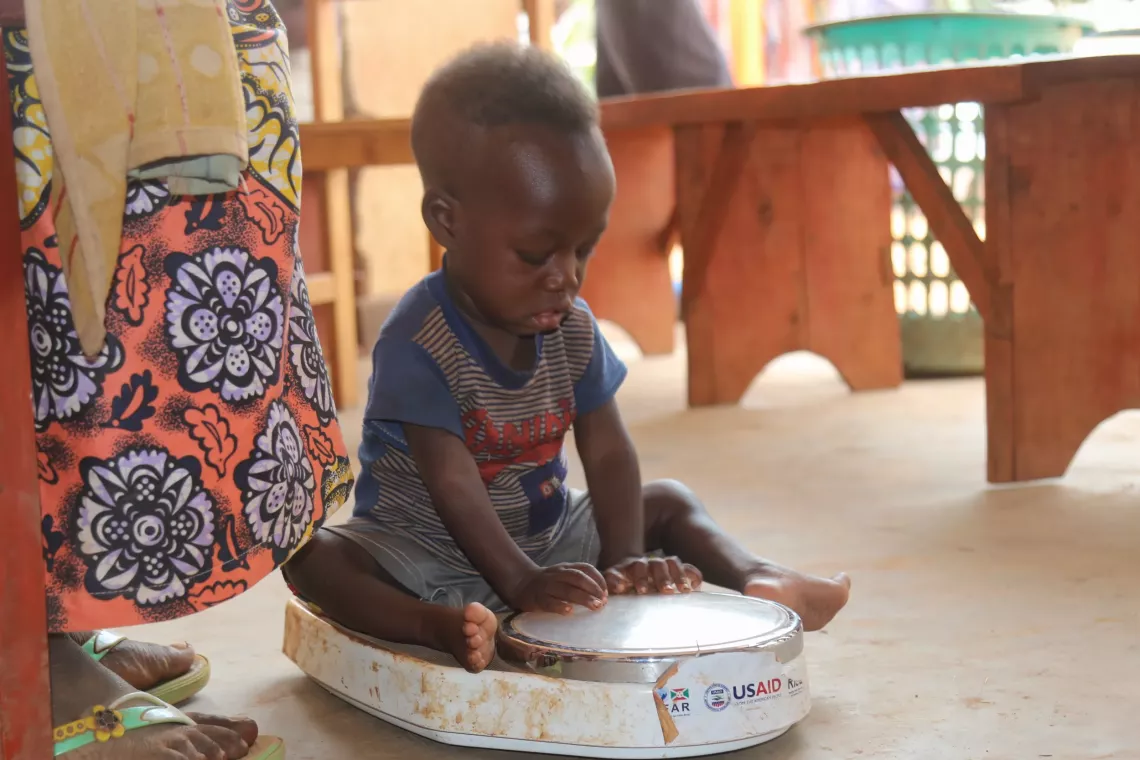
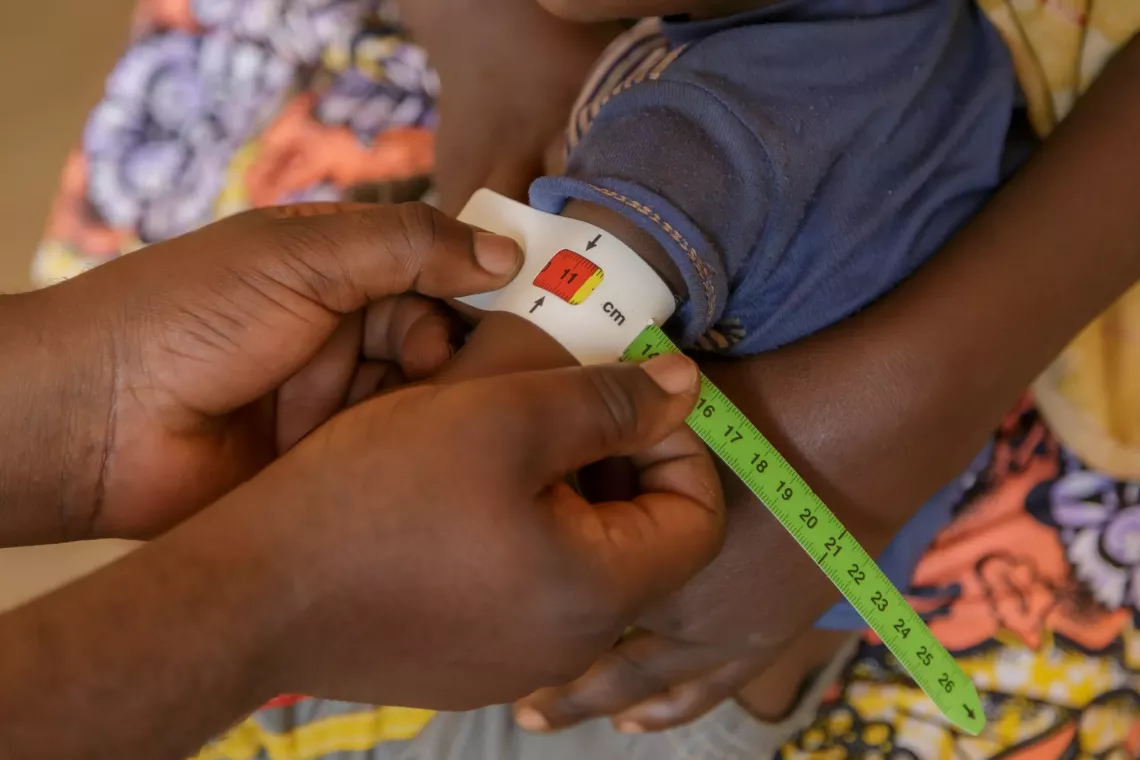
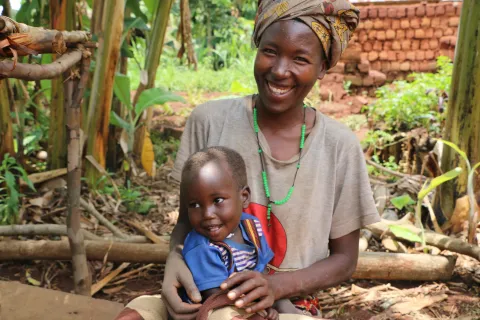
That afternoon, we visited the Muyange Health Center, located in the same commune. There, we met Claudine Misago, a mother whose eyes betrayed her fatigue. Her 11-month-old baby, Abdoulkarim, was suffering from severe acute malnutrition. “Since he was born, he has been ill every week. I am exhausted. But I hope that here, they will be able to save him,” she says, looking at her son, whose thin arm is encircled by a coloured bracelet.
This bracelet is the MUAC, a simple ribbon, but an essential anthropometric measurement tool for community health workers to diagnose malnutrition. When the colour is red, the alarm is raised, and the child is diagnosed with severe acute malnutrition and must be transferred to a health centre for rapid treatment.
In Karusi, near Rubagabaga, which we visited the next day, another Light Mother, Kamariza Claudine, shared her story: “The FANs really help families. When you learn to prepare meals with different food groups, you see a real improvement. And above all, the children do not relapse.”
The community-based approach, led by these brave and valiant women, is one of the keys to the programme's success. These explanations and encouragements to rethink family nutrition in a balanced way, conveyed by one of their own, are effective because these women identify with the Light Mother.
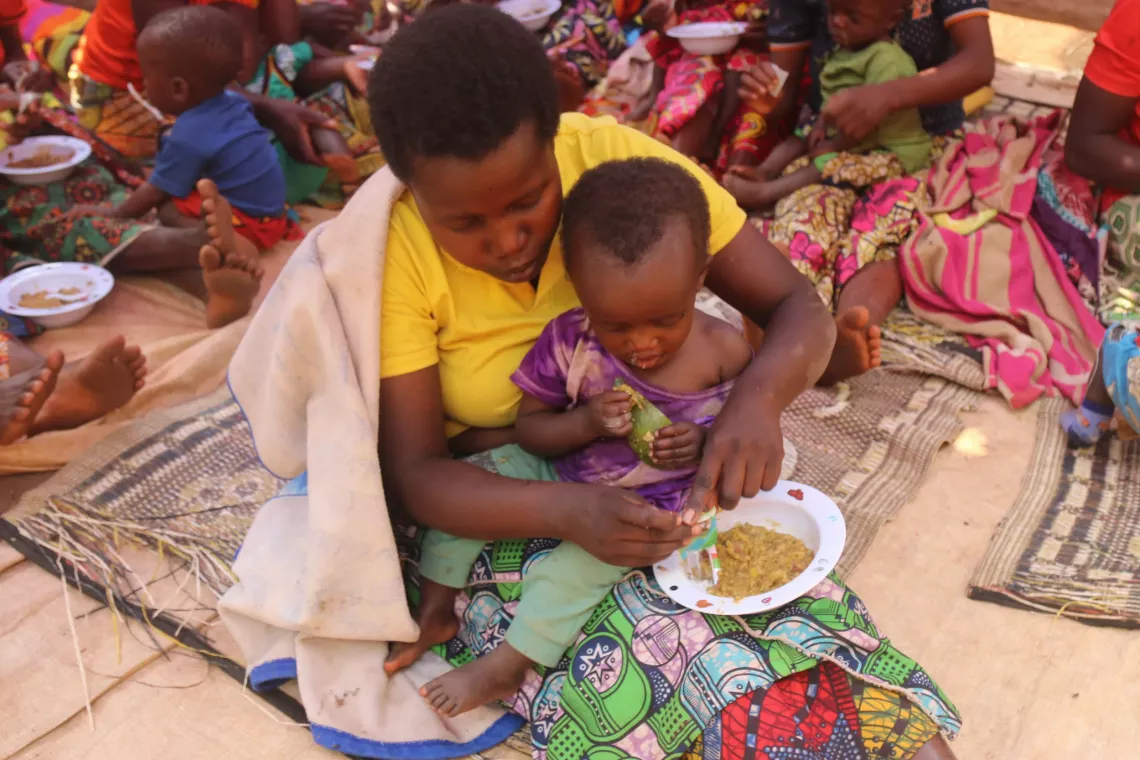
This programme is funded by the German Development Bank (KfW), via UNICEF, and implemented by the NGO Concern Worldwide in the former provinces of Kirundo and Karusi. Thanks to this synergy, thousands of children are saved each year from a scourge that too often kills silently.
Malnutrition does not always kill directly. It weakens the immune system, making people more vulnerable to diseases such as pneumonia, diarrhoea and malaria, slows children's growth and, above all, can cause irreversible brain damage if nothing is done before the age of two.
But behind the statistics and funding, it is above all the faces, stories, and voices of women like Joselyne and Claudine that bring this struggle to life. In Gitwe’s tent, in the dust and heat, they are the true architects of hope.