Faced with teenage pregnancy, Gitega is relying on health clubs to protect students’ future.
In response to the increase in pregnancies in schools, the Ministry of National Education and Scientific Research and UNICEF are intensifying their efforts through school health clubs to raise awareness among students and promote dialogue on this issue.
- English
- Français
Over the years, the annual reports of the Ministry of National Education and Scientific Research on pregnancies in schools have revealed that some students leave school prematurely because of these pregnancies. In response to this worrying situation, concrete measures have been put in place to reverse the trend and protect adolescents' future, with a view to ensuring a smooth transition to adulthood.
It is in this context that the Adolescent and Youth Health and Well-being Education (ESBEAJ) project, funded by the Kingdom of the Netherlands through UNICEF, is being implemented in five provinces identified in 2022 as having a particularly high number of pregnancies compared to other provinces.
These provinces are: Bujumbura-Mairie, Muyinga, Gitega, Rumonge, and Kayanza. The project aims to reduce the number of pregnancies in schools.
To achieve this goal, in addition to other ongoing activities, school clubs called Health Clubs have been created. These spaces for discussion, awareness-raising, and learning offer students a conducive environment in which to understand the changes in their bodies better, grasp the challenges of emotional relationships, and assess the consequences of certain choices.
On Friday, 19 February 2025, a UNICEF team visited two schools in the province of Gitega: the Lycée Urbain de Gitega and the Lycée de Gitega.
At the Lycée Urbain, the meeting was scheduled for 10 a.m. When we arrived, the students were enjoying their break and gathering in the courtyard. Despite the hustle and bustle, the health club leaders welcomed us with seriousness. In the classroom where the meeting took place, educational books entitled “Le monde évolue avec moi” (The world is changing with me) are used as teaching materials for the health club's activities. The collection includes three formats: the teacher's book, the student's book, and a pocket booklet containing key messages for students.
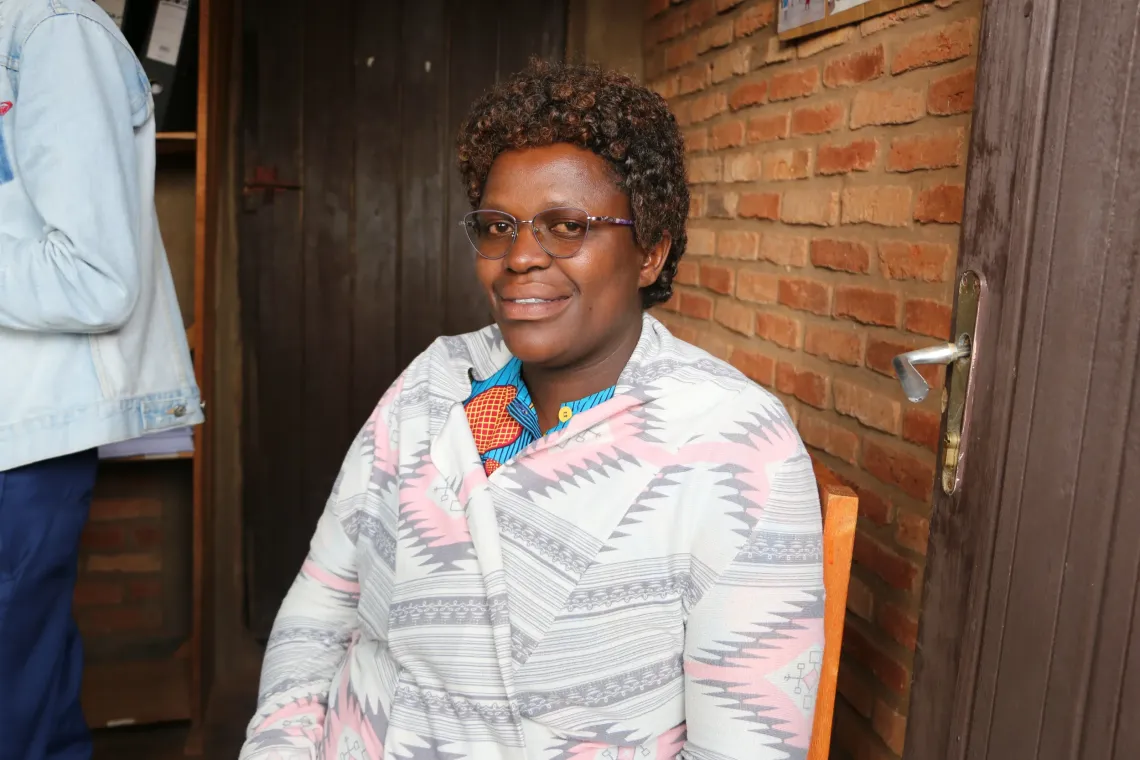
Agnès Nizonkiza, a law teacher and health club supervisor, makes a clear observation: “The problem of unwanted pregnancies is very real. This year, we have already recorded three cases. But we must recognise that there has been a marked improvement compared to previous years. Children grow up and go through changes that sometimes make them more difficult to supervise.”
However, she highlights a need that she would like to see met: “If we could organise snack breaks for the pupils, their participation would be greater.”
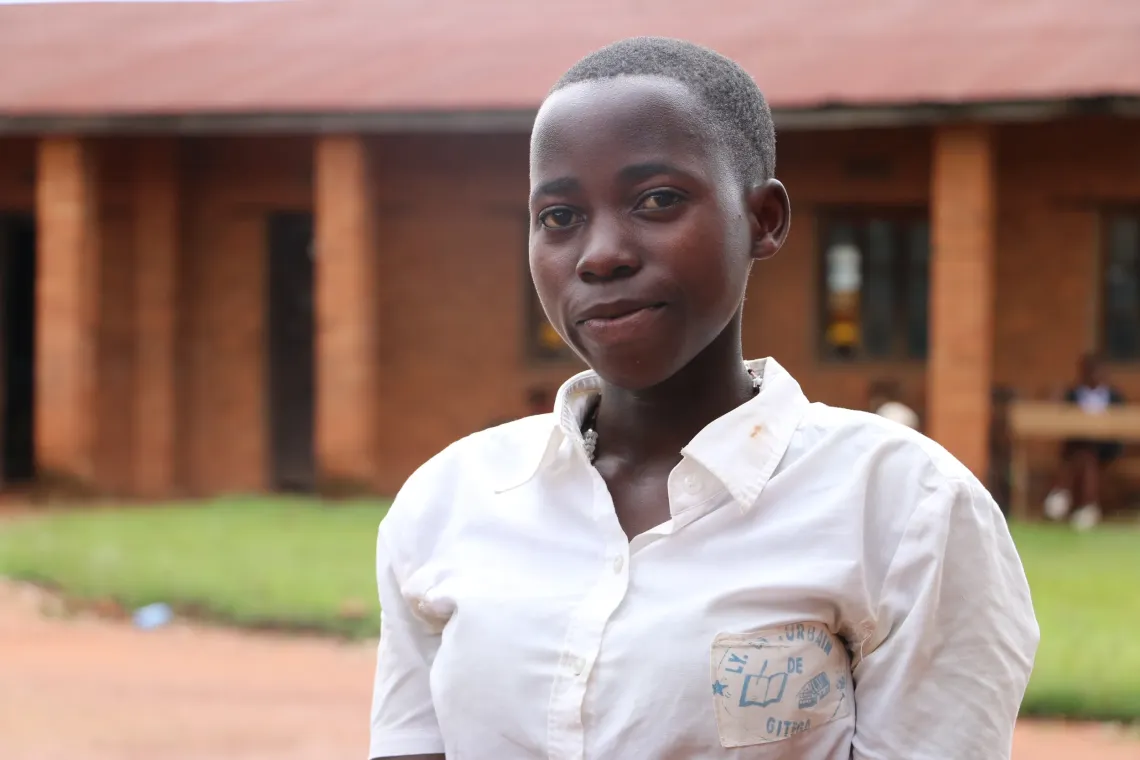
On the students' side, commitment is evident, but some challenges remain. Nibitanga Melissa, a final-year student and health club leader, appreciates the club's activities: “The club works well in our school and we have good supervision. What we learn here is essential. For example, we understand that there are negative influences and that it is important to choose your friends wisely. However, some students do not participate regularly. Some live far away, others are tired or hungry after class.” Despite these obstacles, awareness continues to grow.
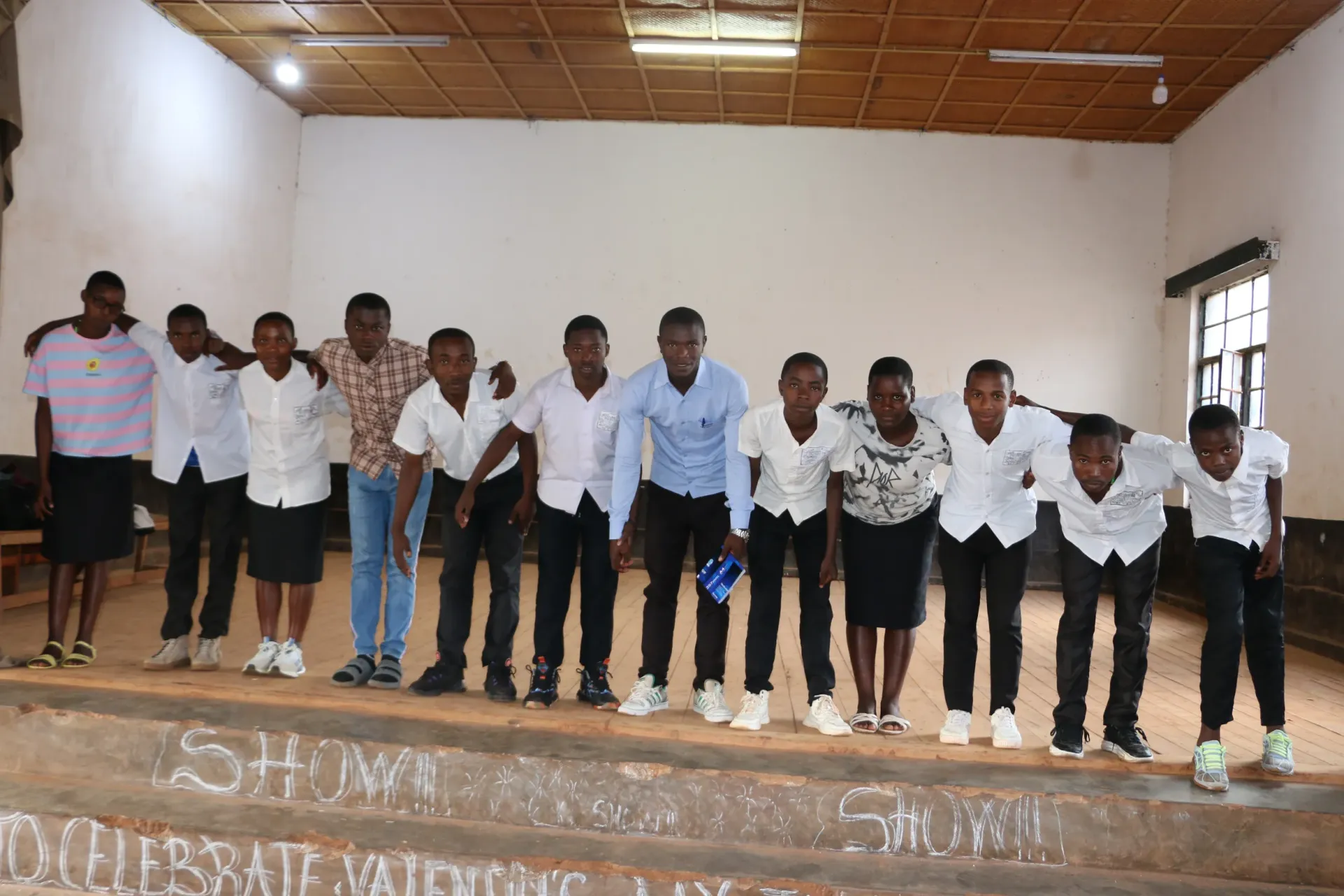
In the afternoon, we headed to the Lycée de Gitega. Here, the context is different; the school operates as a boarding school. The students live on site, which encourages more regular and structured participation in club activities.
When we arrived, a crowd of students was waiting for us. They had even prepared a short play for the occasion. The scene tells the story of two young students who fall in love. In the end, the girl finds herself pregnant and alone, facing her responsibilities alongside her mother. The emotion is palpable. Through this performance, the pupils demonstrate a clear understanding of the consequences that certain decisions can have.
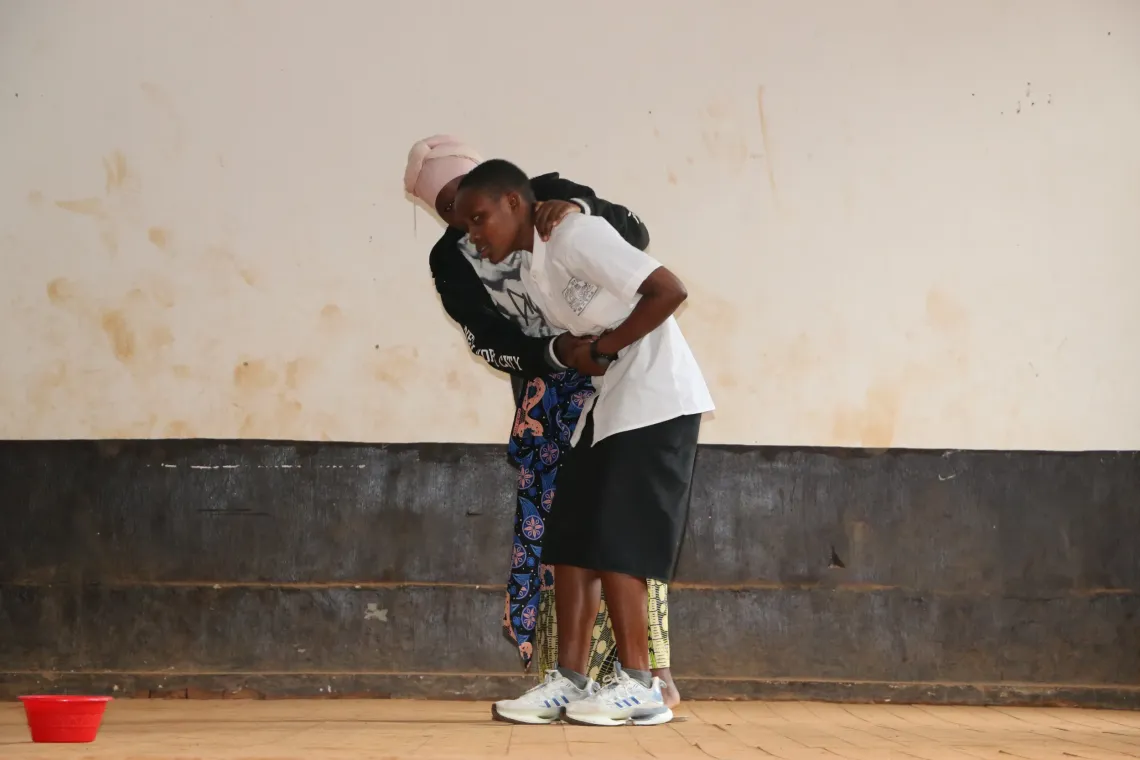
Dukundire Sylvestre, a final-year pupil in the Languages section and head of the health club, emphasises an important point: “The lack of dialogue between parents and children is a real problem. Many students do not understand the changes their bodies undergo as they grow. They are unaware that these changes have major implications for their lives. They need to realise that they are now of childbearing age, but that the time is not yet right.”
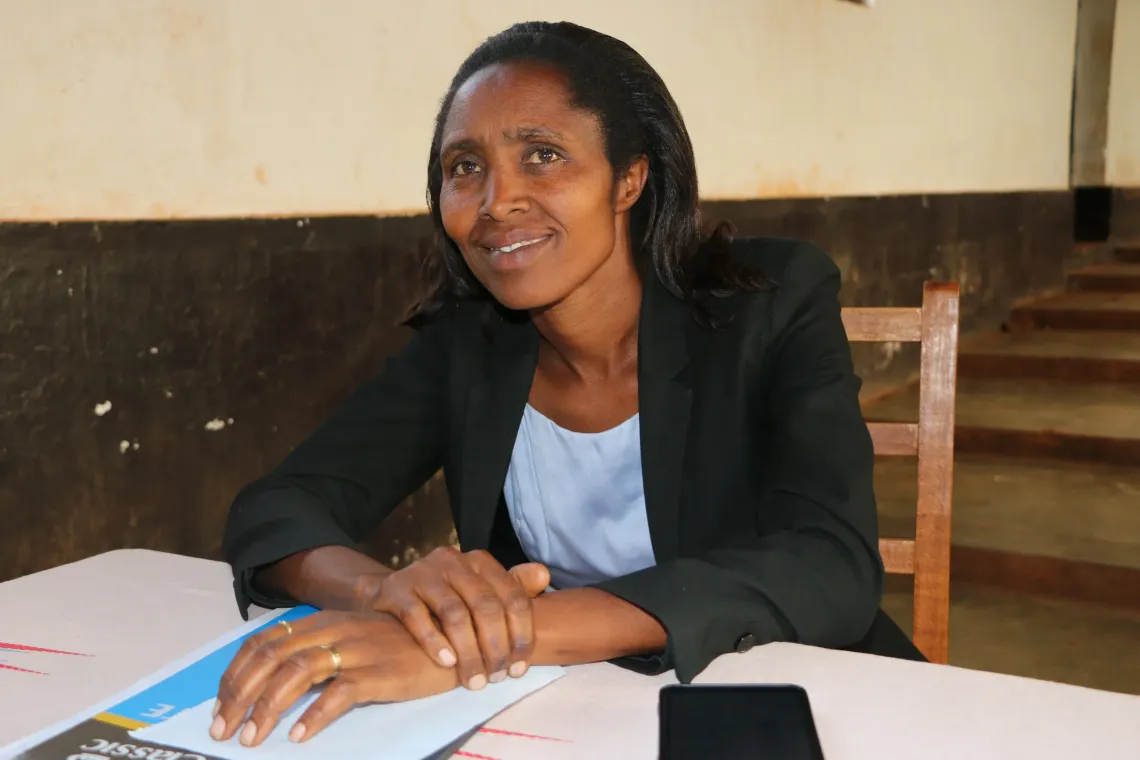
For Euphrasie Ntimpirangeza, supervisor of the health club, the impact of discussions between students is undeniable: “When students get together and debate, they express themselves freely and learn from each other. In this way, we are combating ignorance surrounding the issue of teenage pregnancy.” However, she points out one undeniable obstacle: “The lack of sufficient books remains a hindrance.”
To strengthen commitment, she also proposes organising inter-school competitions between health clubs with small prizes: “This would help develop students' skills while increasing their motivation and involvement.”
We subsequently learned that these competitions are planned as part of the project.
In Gitega, as in other affected provinces, the fight against teenage pregnancy remains an ongoing effort. It is pursued through classroom and health club activities, frank discussions among students, and the determination of committed teachers. While the goal of achieving “zero pregnancies” remains ambitious, the testimonies gathered show that change is underway. Through education, dialogue, and support, these young people are learning to know themselves better, understand their responsibilities, and build a more promising future.