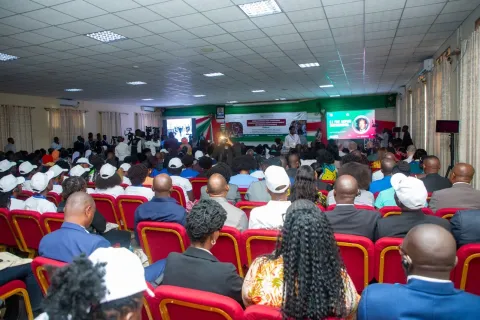
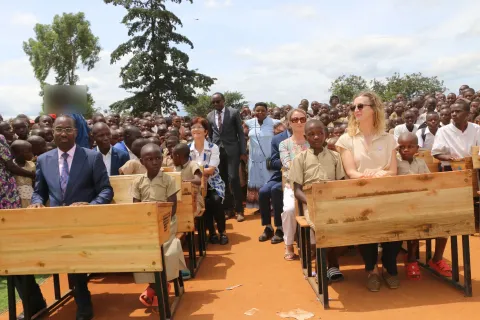
In Musenyi, students are turning their community’s challenges into innovative solutions
Thanks to the CREATABLE project, supported by the Australian Government through the Australian NGO Cooperation Program, students at Musenyi Excellence School are learning creative farming techniques, saving firewood and helping transform their community
- English
- Français
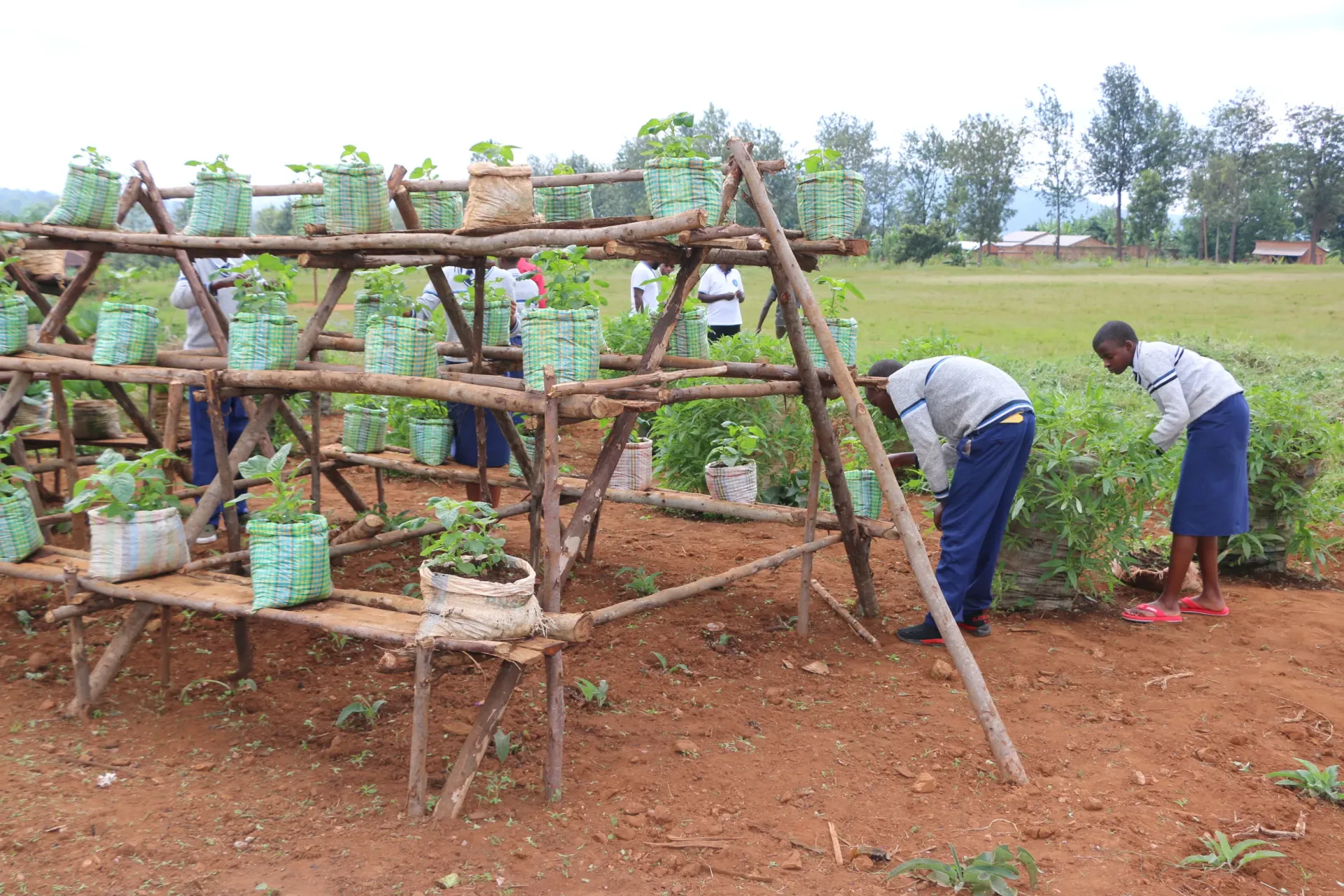
At the Musenyi Excellence School, nestled in Tangara Commune in Butanyerera Province, vegetables no longer grow only in fields but also in sacks. Just a few meters from the classrooms, green columns of cabbage and amaranth stand as evidence of a simple yet impactful innovation: students learning to innovate in order to solve challenges in their community.
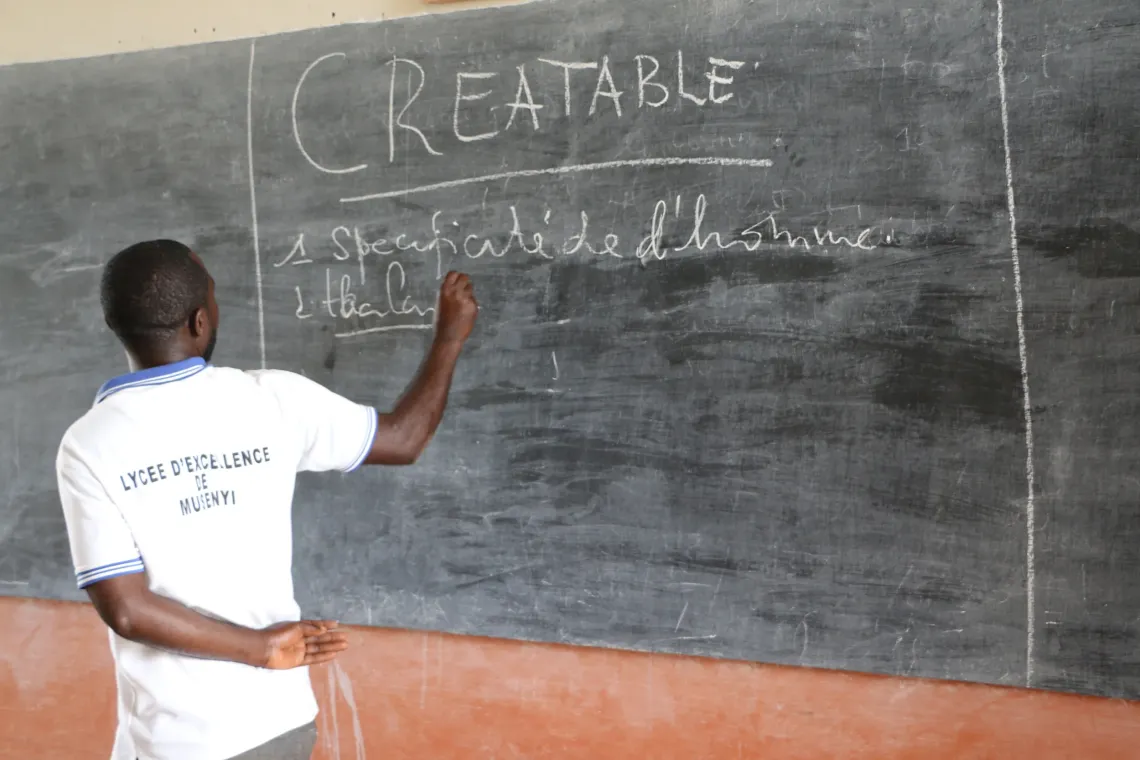
Since June 2025, the school has been among the beneficiaries of the CREATABLE project, an initiative supported by the Australian Government through the Australian NGO Cooperation Program (ANCP). The project introduces STEM-based approaches (science, technology, engineering, and mathematics) in schools to foster creativity, critical thinking, and practical skills among students.
Three main modules are taught: human uniqueness, innovative agriculture, and the construction of improved cookstoves. The objective is clear: to enable students to use the knowledge acquired at school to provide concrete solutions to everyday challenges.
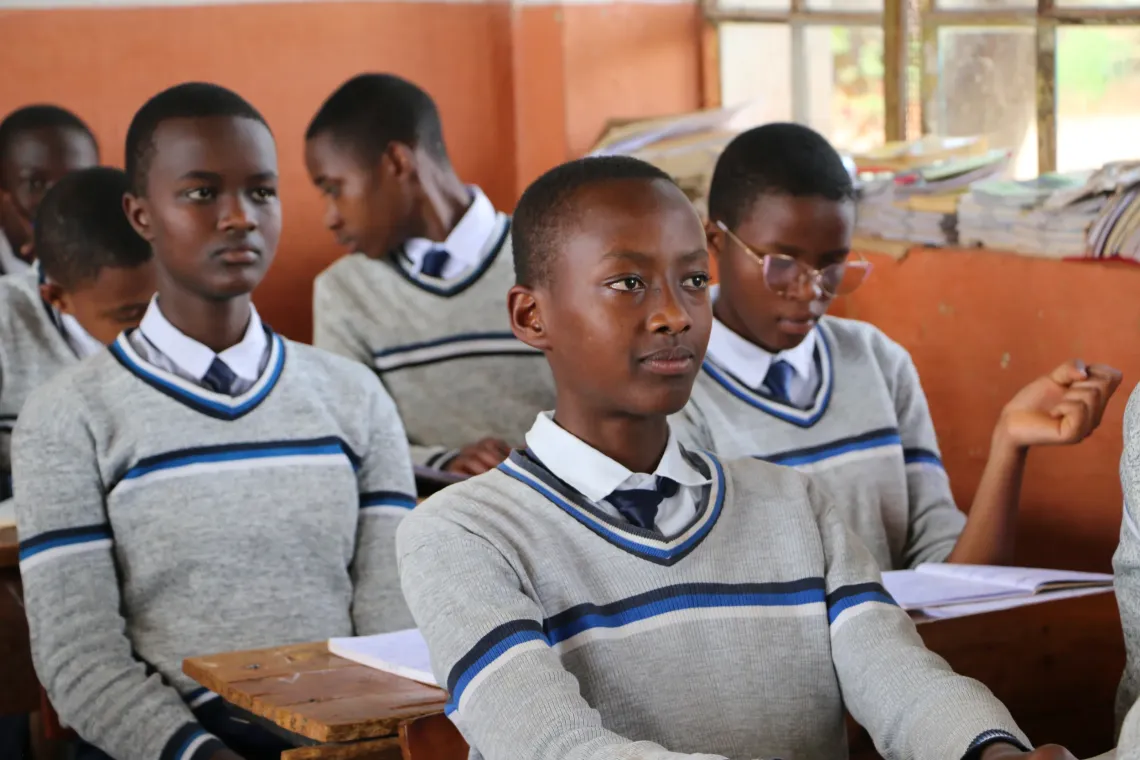
For Sage Marie Auribel Dushime, a 15-year-old 9th-grade student, this training has changed the way she sees both the world and her. “We were taught about human uniqueness, meaning that each person has specific qualities and talents. In teamwork, everyone brings their added value.” The young student says he has particularly retained the lessons on empathy and creativity: “Before starting a project, you need to understand the target population and its challenges to ensure that our project responds to their concerns.”
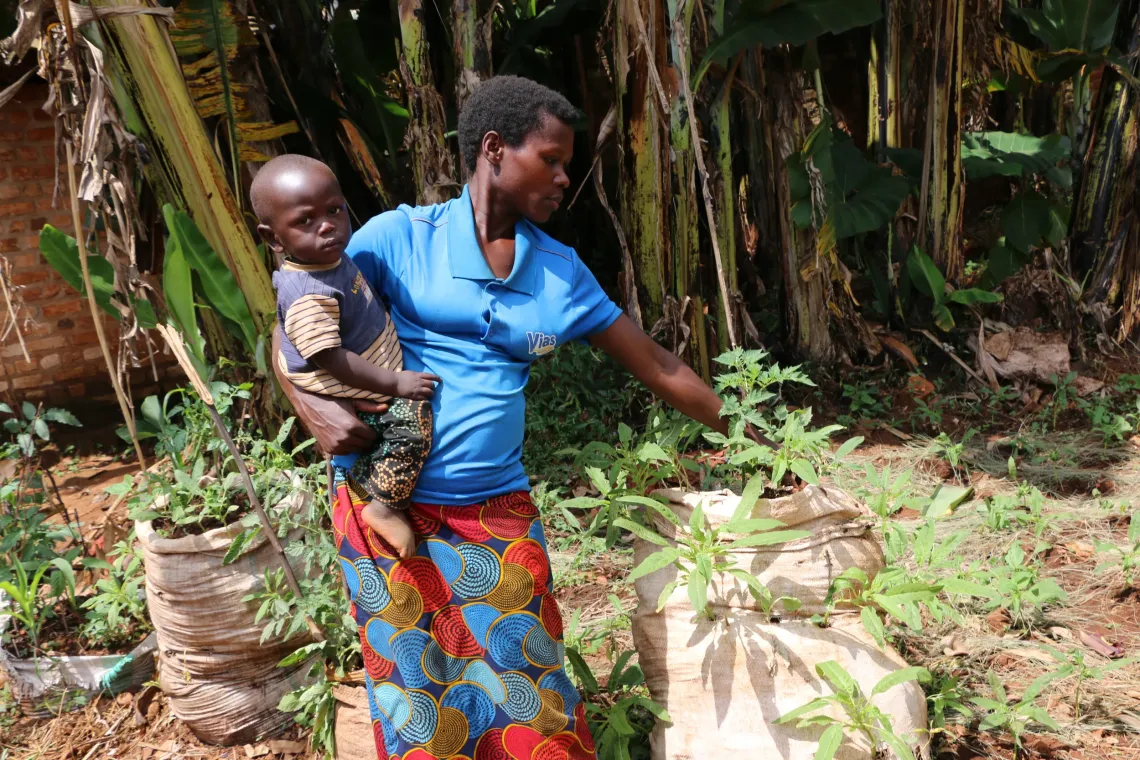
In a country where demographic pressure is steadily reducing available arable land, sack farming is emerging as a simple and innovative solution. Students are learning how to grow vegetables in very small spaces using vertical farming techniques. “We learned a new technique for growing in small spaces and achieving good yields. This responds to the current problem of land fragmentation,” explains Sage Marie Auribel.
At home, the knowledge acquired at school is already extending beyond the classroom walls. “I have already shown my parents and neighbors how to apply this new technique,” he says proudly. During the holidays, Sage Marie Auribel helped his family improve an existing sack garden at home and even plans to install more during future breaks.
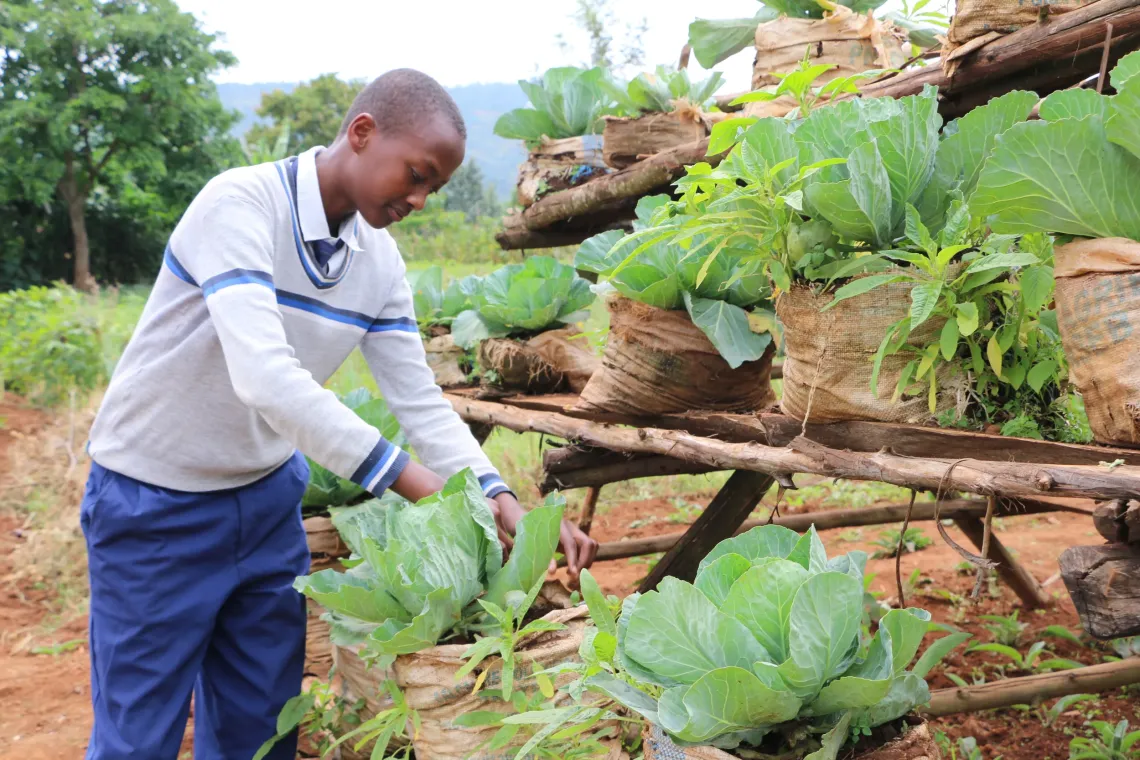
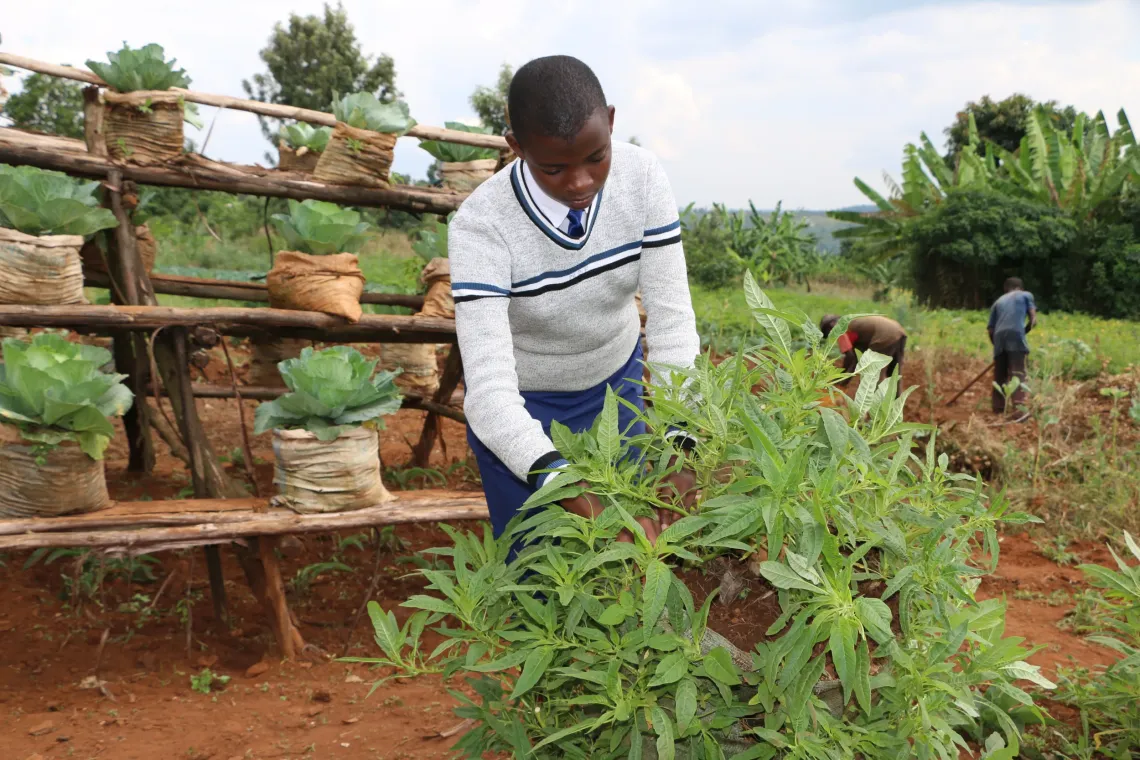
For Don Princesse Nishimwe, also a 15-year-old 9th-grade student, innovation often begins with a very concrete need. “At home, we had a problem accessing vegetables. I asked my parents for the means to implement the sack farming techniques I learned. They were very supportive of my idea.” Today, even while she is at boarding school, her parents continue growing vegetables using the techniques taught by their daughter. “We no longer buy vegetables,” she says with satisfaction. Her dream is to become an ophthalmologist. For her, the link between health and agriculture is already clear. “Vegetables like cabbage and carrots are good remedies for eye diseases. I could advise my patients on how to grow these vegetables in small spaces.
Teachers are also observing tangible changes among students. Jean Christophe Ndayisaba, one of the project mentors at the school, explains that theoretical training has helped young people discover their talents and build self-confidence. “The students have become more diligent in their work in general.” According to him, the practical component has especially given learners a sense that they can act on their environment. “They are now aware that with the sack farming technique, they can grow a large amount of vegetables in a small space.”
The change is also visible within families. “Many students have applied this technique at home. Some parents send us photos to show what their children have done,” the teacher explains.
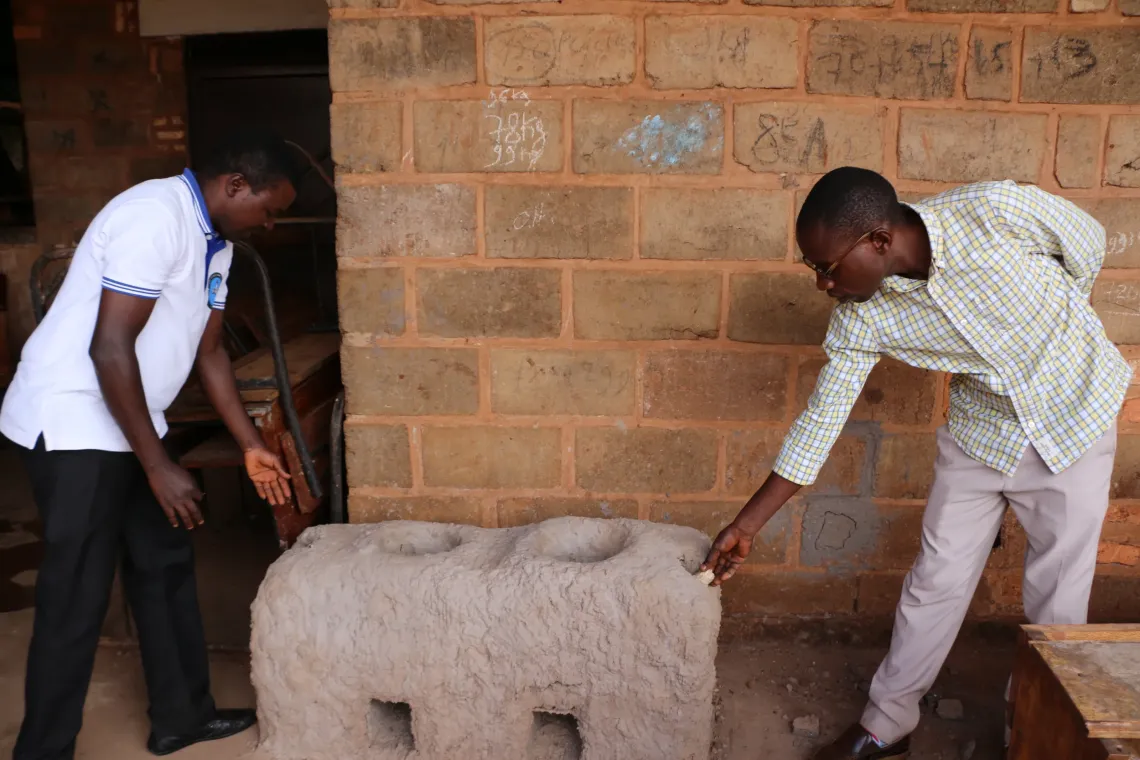
The CREATABLE project goes beyond innovative agriculture. Students also learn how to build improved cookstoves in order to reduce firewood consumption and household exposure to smoke. “The benefits of improved cookstoves are numerous,” explains teacher Ciza Thierry. “They require very little firewood thanks to the clay, which retains heat.” In the school kitchen, a similar system is already in use. Teachers also report benefits in their own households. “I have personally tried it, and I can attest to these advantages,” says Jean Christophe Ndayisaba.
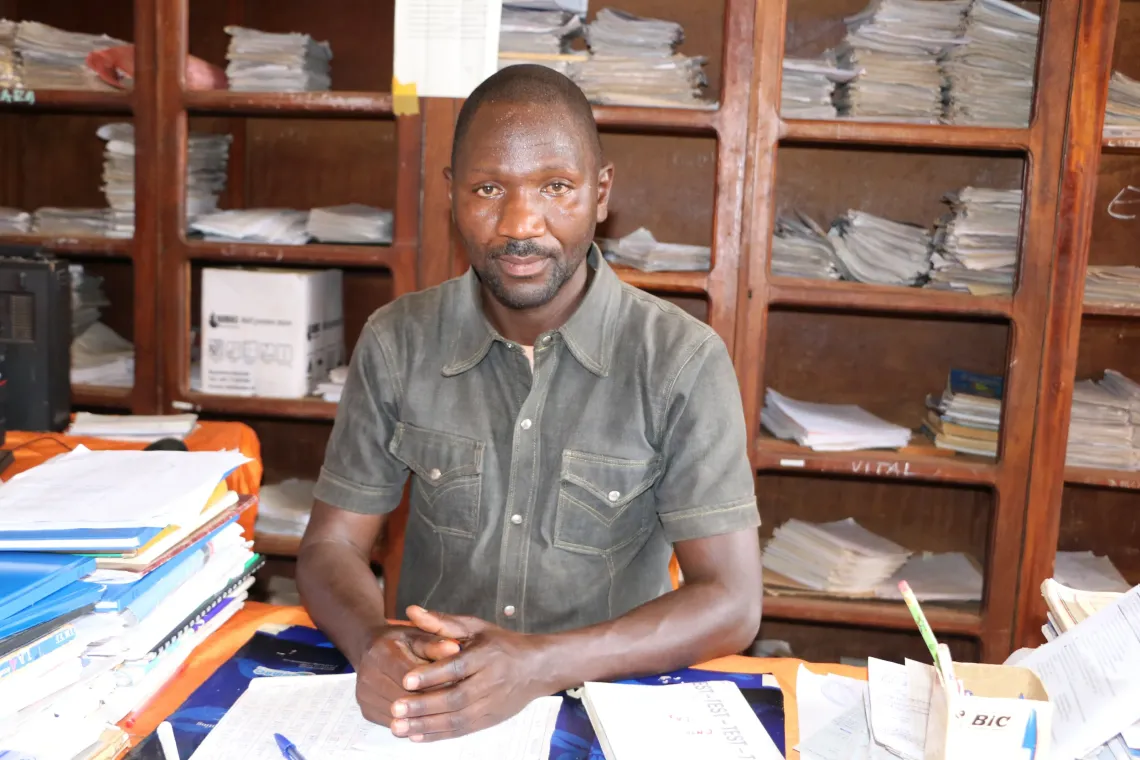
The head of studies, Augustin Girukwishaka, is pleased to see innovations moving beyond the school setting to transform family habits. “During parents’ meetings, many have testified to the project’s impact through sack farming. Some say they no longer buy vegetables.” He himself has adopted these techniques at home.
Beyond harvests and the savings achieved, the project seems to be planting something even more lasting: young people’s confidence in their ability to imagine and find solutions to the challenges faced by their communities.
In Musenyi, classrooms now extend beyond their walls: in every sack of vegetables, in every improved cookstove, a promise is taking root: that of a generation cultivating change and lighting the way to the future.