Desk-benches for learning in dignity: a collective commitment to education in Burundi
On April 23, at the Karurama Primary School, UNICEF and the French Development Agency (AFD) handed over school desks to the Ministry of Education as part of the Komeza Wige and Twige Neza projects, funded by ECW, the GPE, and the AFD
- English
- Français
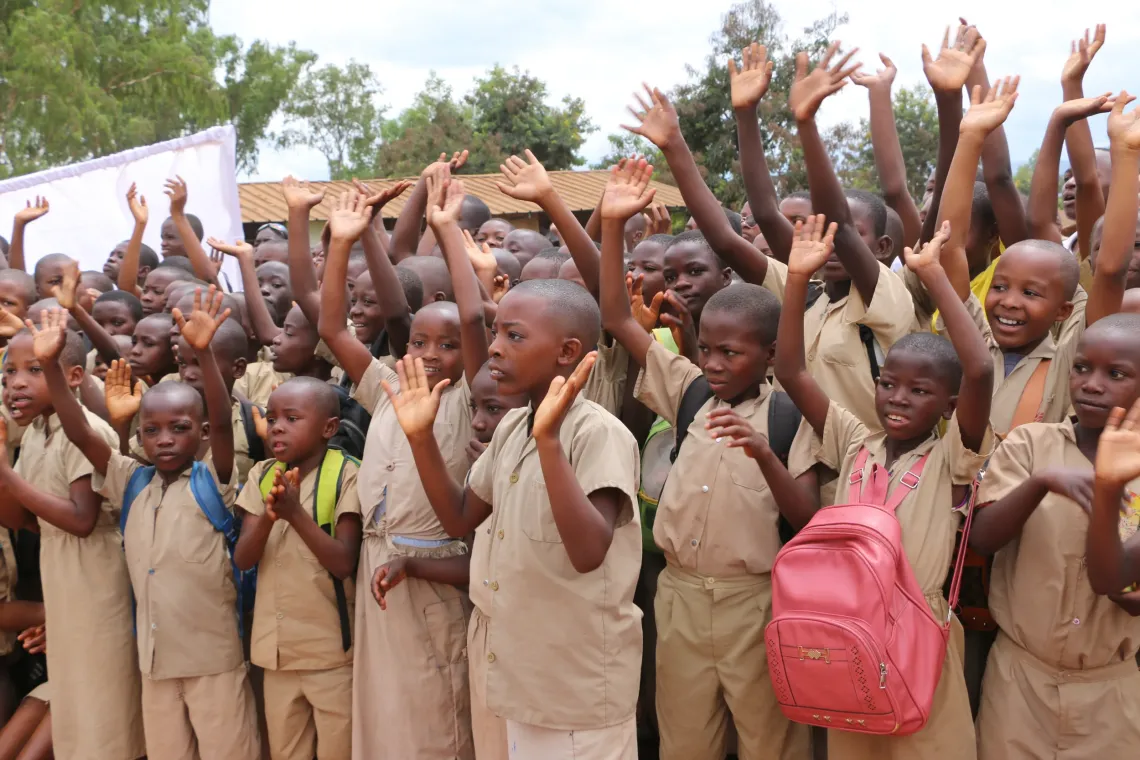
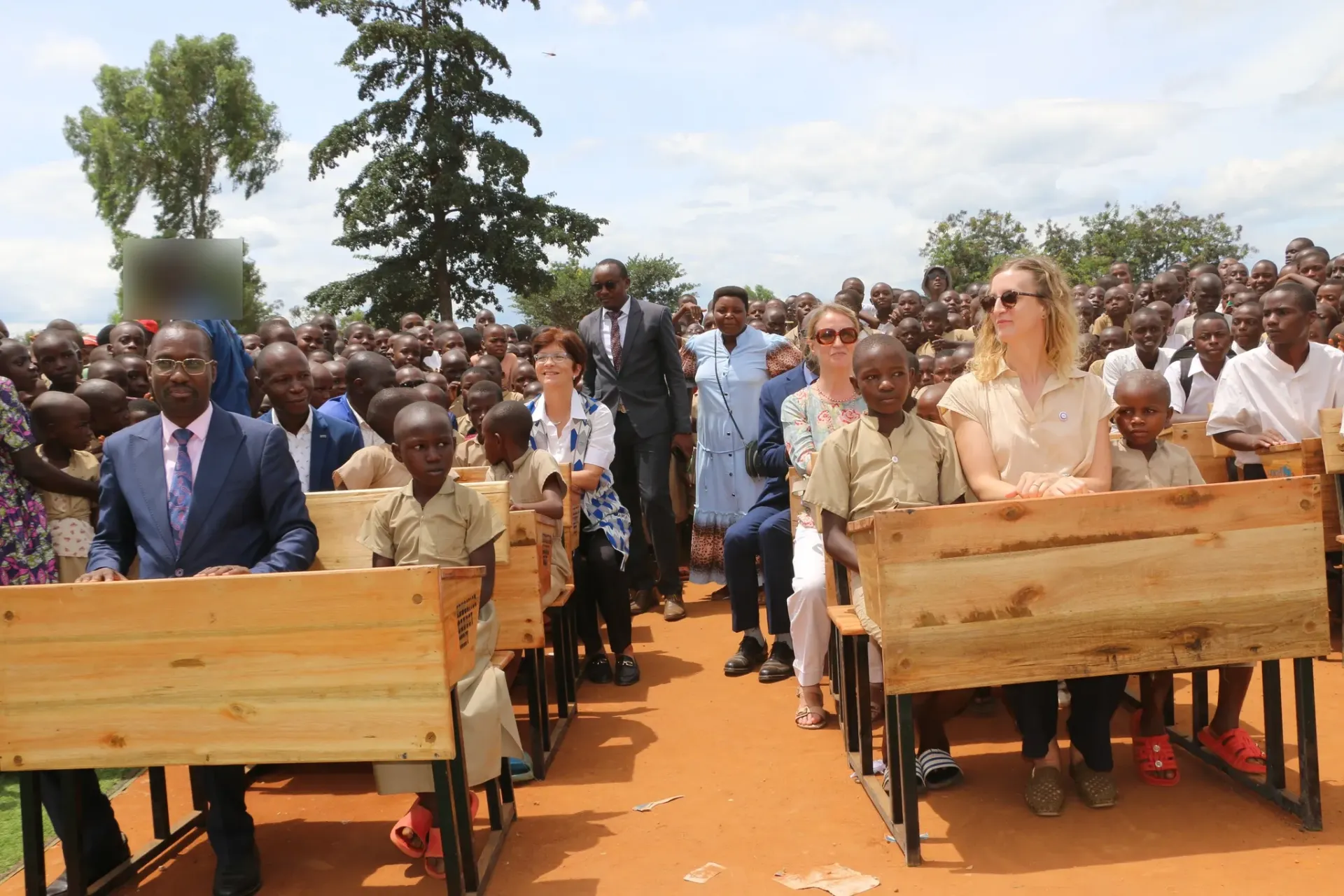
Under the sun already high in the sky, the courtyard of Karurama Fundamental School took on the atmosphere of a special occasion. On April 23, students, teachers, and authorities gathered to mark a simple commitment: that no child should ever again learn while sitting on the floor.
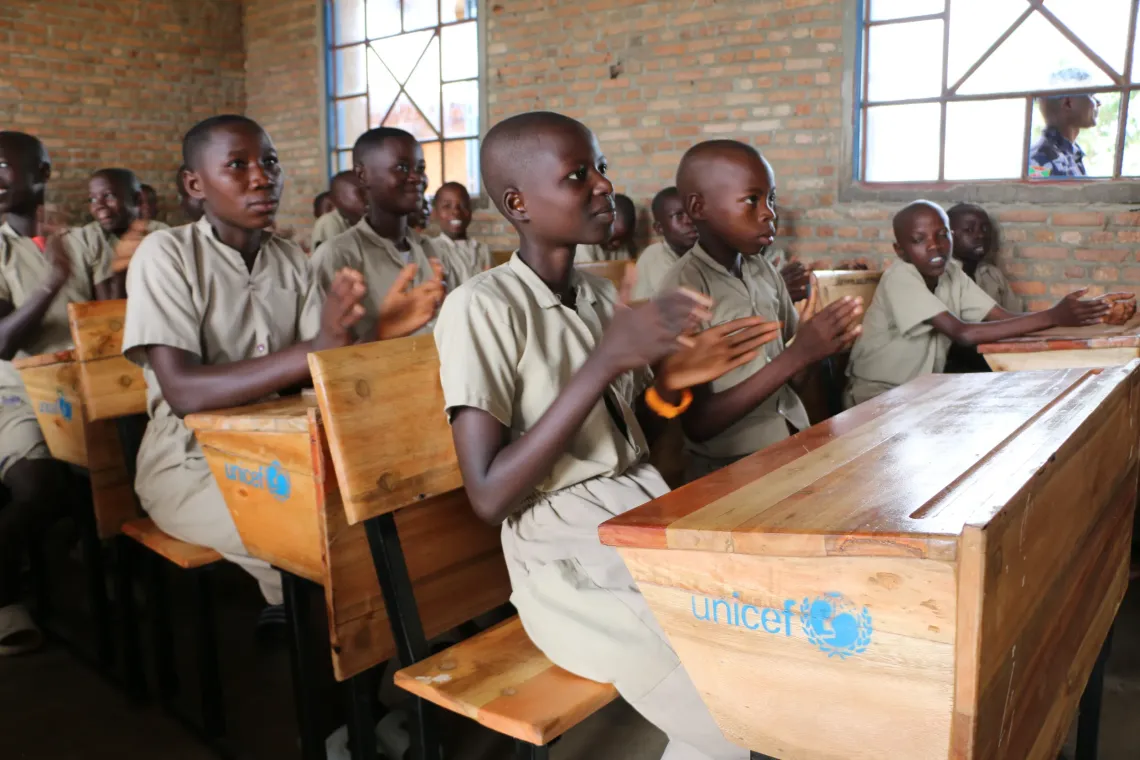
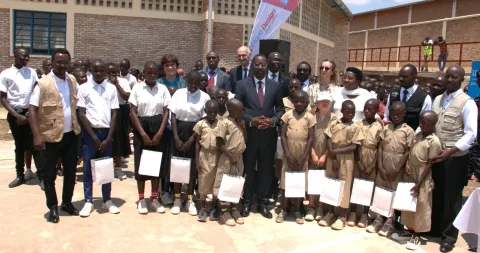
The ceremony brought together the Minister of National Education and Scientific Research, the Ambassador of the European Union Delegation to Burundi and lead development partner for education, the Director of the French Development Agency (AFD), as well as the UNICEF Representative in Burundi. In the front rows, the students immediately gave meaning to the event by taking their seats on the new furniture.
Powerful messages on improving learning conditions and ensuring the dignity of students
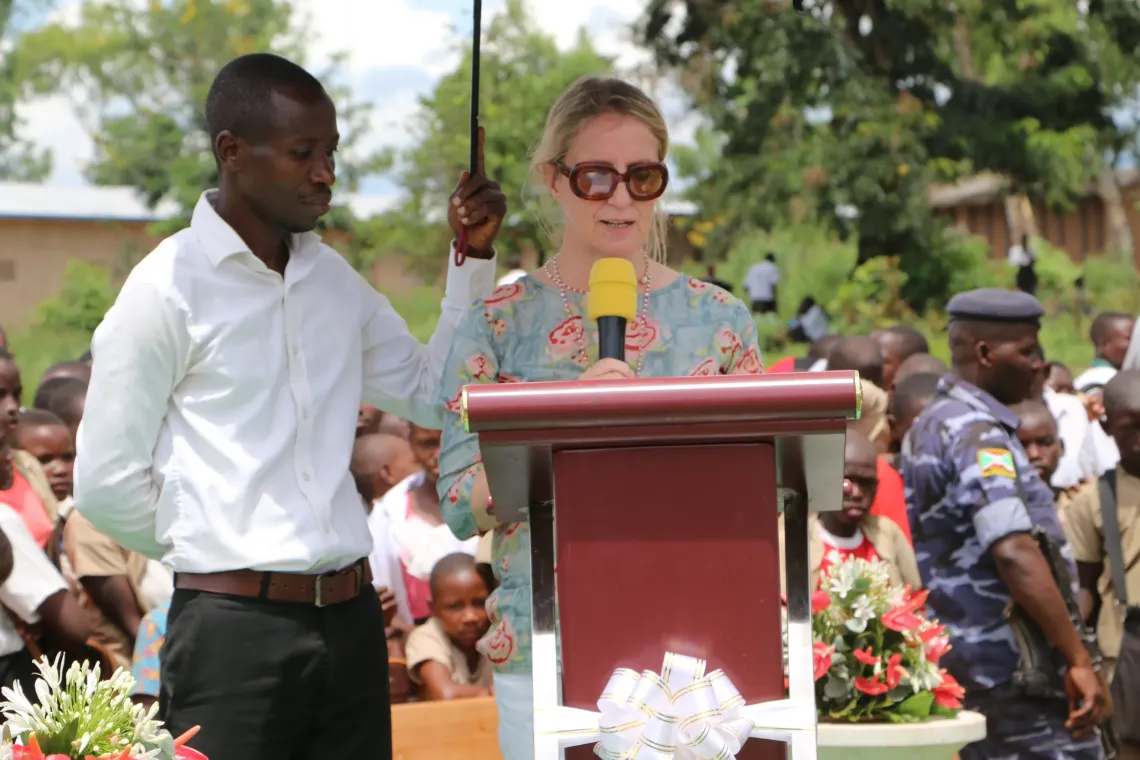
Taking the floor, the UNICEF Representative in Burundi, Ms. France Bégin, framed the initiative within the national goal of “zero child sitting improperly at school.” “Having appropriate desks allows children to sit with dignity, to better concentrate, and to actively participate in class,” she said, highlighting the direct link between learning conditions, the quality of education, and academic success.
In total, 15,893 desk-bench sets were manufactured and delivered to 116 fundamental schools across the provinces of Bujumbura, Burunga, Buhumuza, and Butanyerera, benefiting more than 31,000 students.
At Kagwema I Fundamental School, for example, the school previously had only 48 desk-bench sets for 1,398 pupils. It received 270 new units, helping to ease classroom overcrowding and improving children’s comfort.
A long-awaited transformation in overcrowded schools with high student populations
At Karurama I and II, which together educate more than 5,000 pupils, these desk-bench sets provide an immediate response to overcrowding and insufficient learning materials.
The Provincial Director of Education of Bujumbura, for her part, highlighted the urgency of the needs. “This support comes at the right time. The shortage of desk-bench sets, classrooms, and sanitation facilities affects not only the quality of learning but also the dignity and health of our children,” she stressed.
For the European Union, lead development partner in the education sector, the challenge is also to ensure the effectiveness of all investments in the sector. “Desk-bench sets are a basic requirement for all other investments in education to be effective,” stated the Ambassador of the European Union Delegation to Burundi, Ms. Elisabetta Pietrobon.
She also noted that a dignified and functional school environment helps reduce school dropout rates, particularly among girls and the most vulnerable learners

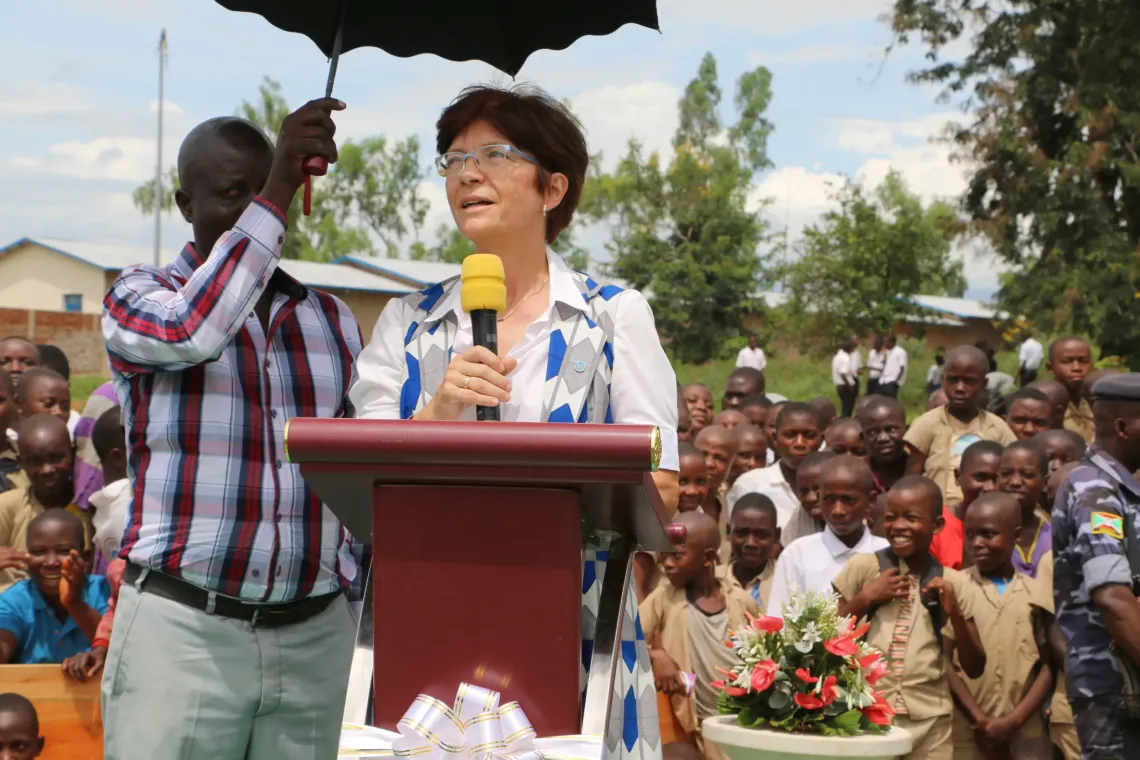
The Director of the French Development Agency (AFD), Ms. Céline Demagny, placed the symbolic handover within a broader effort to improve school learning environments. Under the project jointly supported by the Global Partnership for Education (GPE) and AFD, with technical assistance from UNICEF, 497 classrooms have been constructed and equipped, providing a safer learning environment for approximately 25,000 pupils. “Every desk-bench installed makes the classroom more welcoming, more equitable, and more conducive to learning,” she underlined.
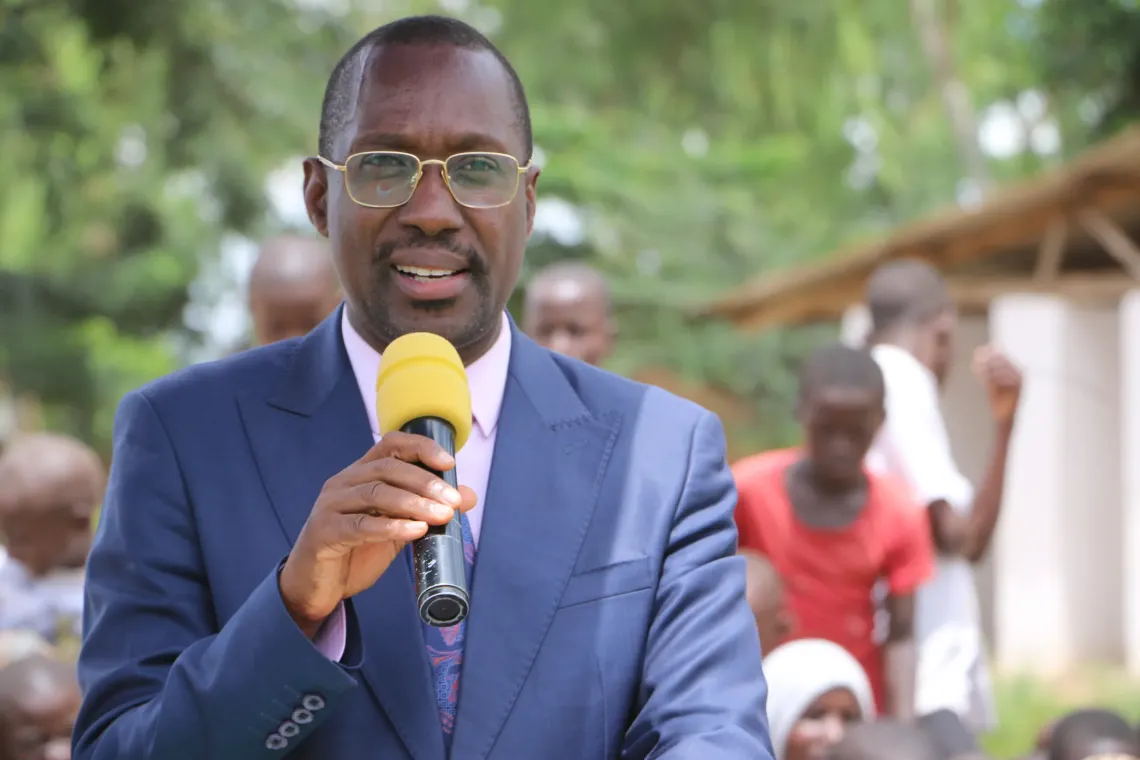
A key moment of the ceremony was the address by the Minister of National Education and Scientific Research, Prof. François Havyarimana. He reaffirmed the political commitment to definitively end situations where children are forced to sit on the floor. While commending the engagement of partners, he emphasized the link between learning conditions and national development: “Improving learning conditions means investing in human capital and preparing for the Burundi Vision 2040–2060.”
The Minister also recalled the establishment of a national fund of 18 billion Burundian francs allocated to communes to produce desk-bench sets and called on local authorities to accelerate efforts ahead of the next school year.
A final message was addressed to students, teachers, and communities: to take care of the furniture and keep schools clean. The sustainability of this investment also depends on this daily ownership and responsibility.
At Karurama as well as Kagwema, these desk-bench sets represent a concrete step toward a more equitable school system and, for thousands of children, the promise of finally learning with dignity.