Burundi prepares to counter epidemics: two preparedness and response plans have been updated
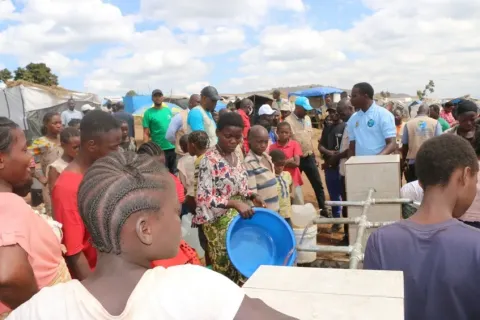
In order to effectively respond to the threat of diseases with epidemic potential, Burundi has just updated its preparedness and response plans for the Mpox epidemic and the risk of viral haemorrhagic fever.

- English
- Français
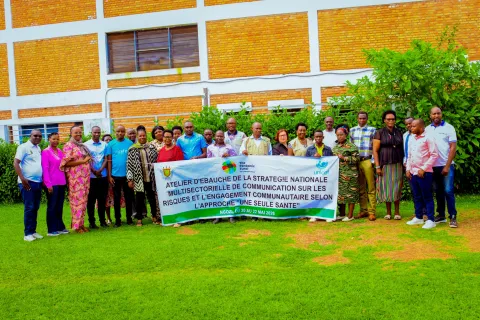
The validation workshop for the updated response plan against the Mpox outbreak, and the preparedness and response plan for viral haemorrhagic fevers (Marburg and Ebola), was organized by the Ministry of Public Health and the Fight against AIDS, in collaboration with several national and international partners. These included UNICEF, WHO, Africa CDC, IOM, and Croix Rouge Burundi, who contributed their expertise in developing the documents and strengthening capacities to manage such health crises.
On 20 January 2025, Tanzania declared a Marburg outbreak in the Kagera region. One month later, on 20 February 2025, two cases were confirmed, both fatal, resulting in a 100% mortality rate. Meanwhile, on 30 January 2025, Uganda announced an Ebola outbreak of the Sudan strain affecting several districts, including Kampala, Wakiso, Jinja, Mbale, and Iganga.
In this regional context, where epidemics represent a constant and serious threat, Burundi is actively preparing to prevent the entry of these viruses into its territory.
Burundi's geographical proximity to the two affected countries and the significant cross-border movement of people increases the risk of imported cases. This situation has led the Ministry of Public Health and the Fight against AIDS to update the epidemic preparedness and response plan.
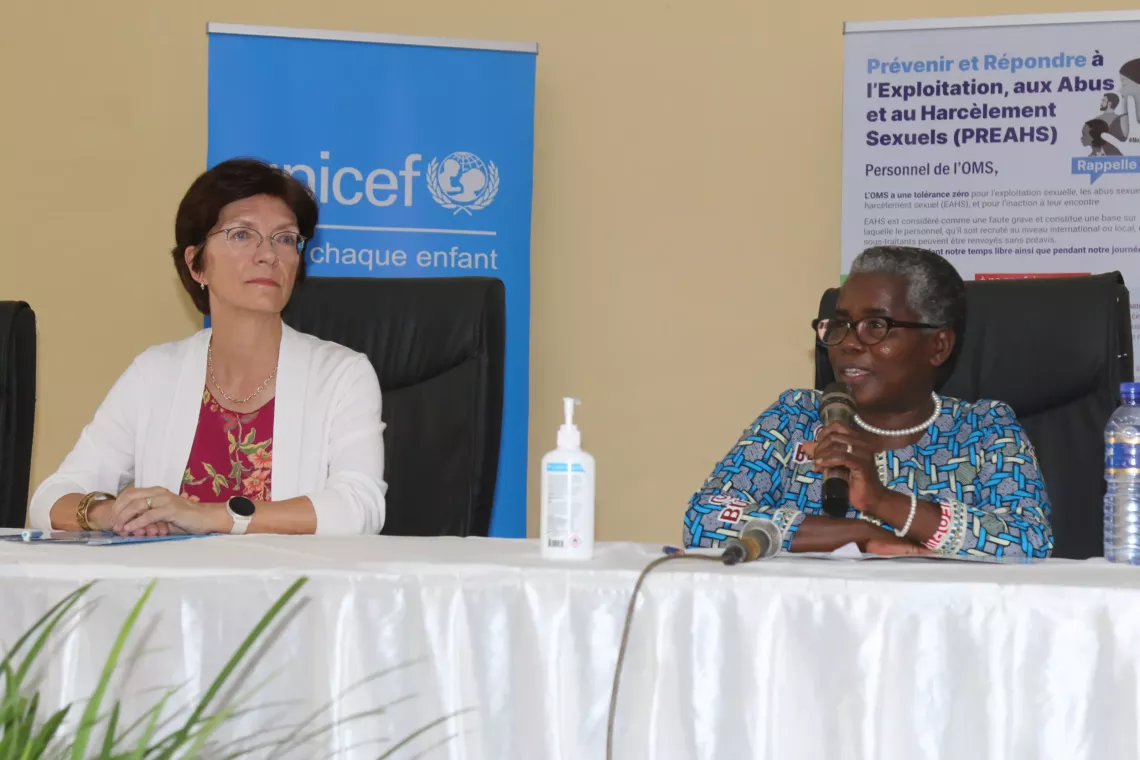
Opening the workshop, the Minister of Public Health and the Fight against AIDS, Dr. Lydwine Baradahana, thanked development partners for their support in improving emergency management, while stressing that efforts must be further intensified to ensure effective and efficient protection of the population.
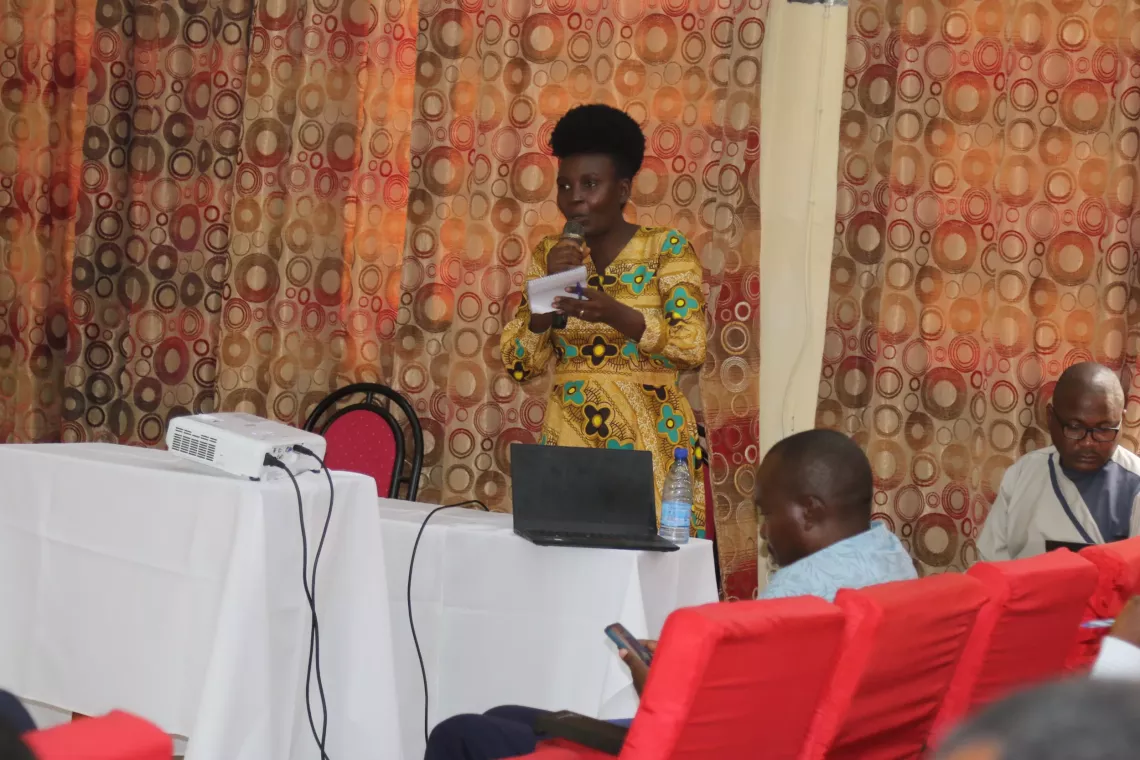
In her presentation, Dr. Liliane Nkengurutse, Director of the Centre des Opérations d'Urgences de Santé Publique (COUSP), supported the Minister’s message by highlighting the importance of this update. She also emphasized that heightened vigilance is essential to avoid being caught off guard by the spread of such serious diseases across the country.
UNICEF Representative France Bégin expressed her optimism about the progress made: “Major components such as epidemiological surveillance, community engagement, case management, and the multi-sectoral approach were discussed in depth. I'm convinced that the recommendations emerging from this workshop have enabled us to develop more structured and context-specific plans.”
The updated preparedness plan aims to strengthen Burundi’s health system's resilience in terms of prevention, rapid case detection, and outbreak management. The goal is to ensure the population’s health security and enable a prompt and effective response to any epidemic threat. The plan focuses on training and capacity-building for health teams, community-based surveillance, and communication and awareness campaigns to encourage the adoption of preventive behaviours.
Thanks to this preventive approach and the support of the Mastercard Foundation through UNICEF, the country aims to reduce the risk of future outbreaks and limit their impact on public health.