Small Hands, Big Change
The young heroes leading a hygiene revolution in the Rohingya refugee camps in Cox’s Bazar, Bangladesh.
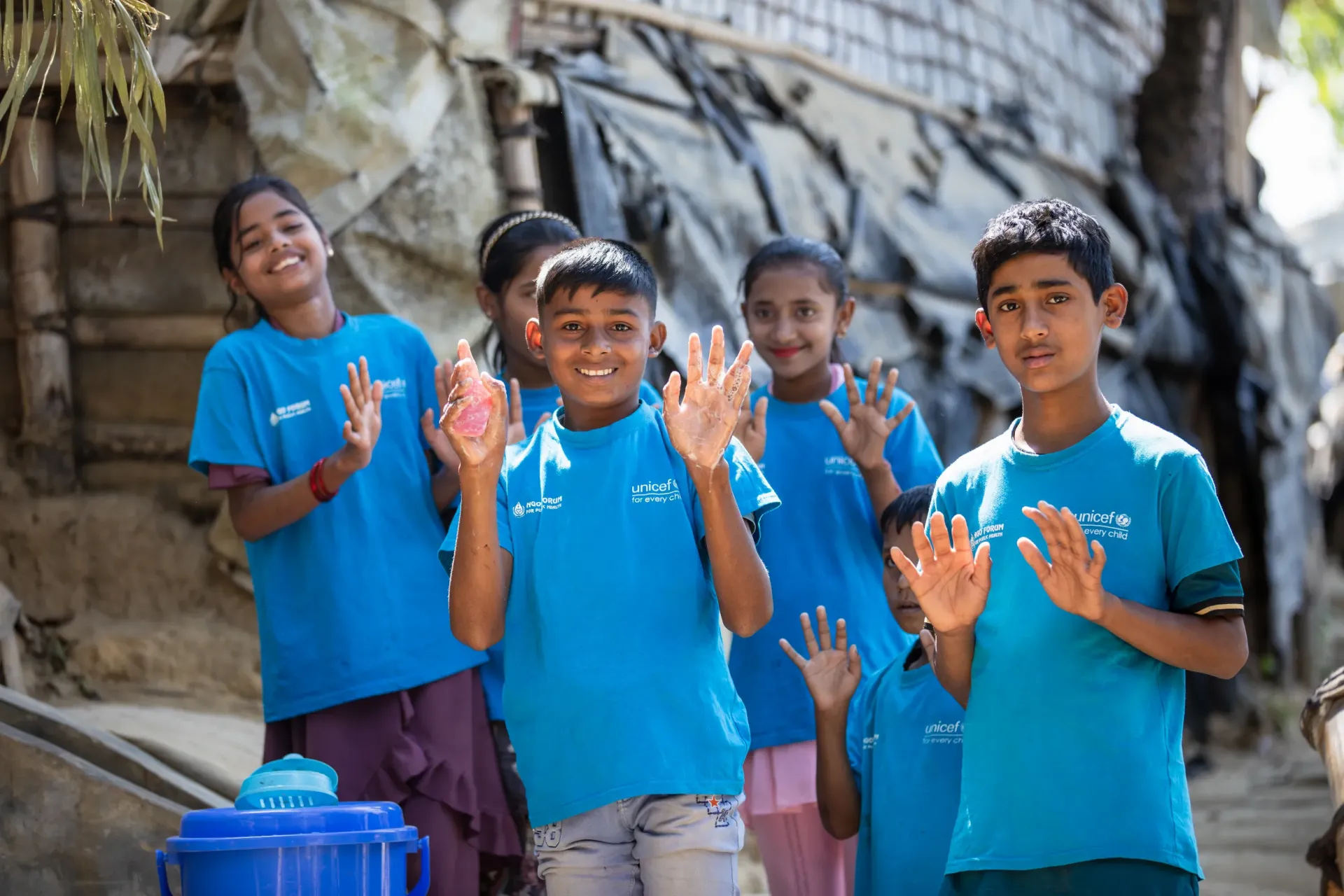
11-year-old Arafat doesn’t need a megaphone: his knowledge and cheerful manner speak louder. When he and his friends talk, the children on his street listen.
In a community where more than half the population is under 18, leadership does not always wear a suit. Sometimes, it arrives with dusty feet, a bright smile, and a bar of soap held proudly in small hands.
“We may be young, but we know many things,” says 11-year-old Arafat. “Our knowledge of water, sanitation, and hygiene behaviours gives us an identity and encourages us to share this knowledge with others.”
The settlement and survival
In the narrow pathways of the world’s largest refugee settlement in Cox’s Bazar, daily life hums with the sounds of survival; pots clattering as meals are prepared, children running through the narrow lanes and between bamboo shelters, and families quietly trying to rebuild their everyday routines.
But above these sounds, something new rises – clapping, laughter, and children singing about washing their hands.
Danger in the camp hides on unwashed hands, in stagnant puddles, and near clogged drains.
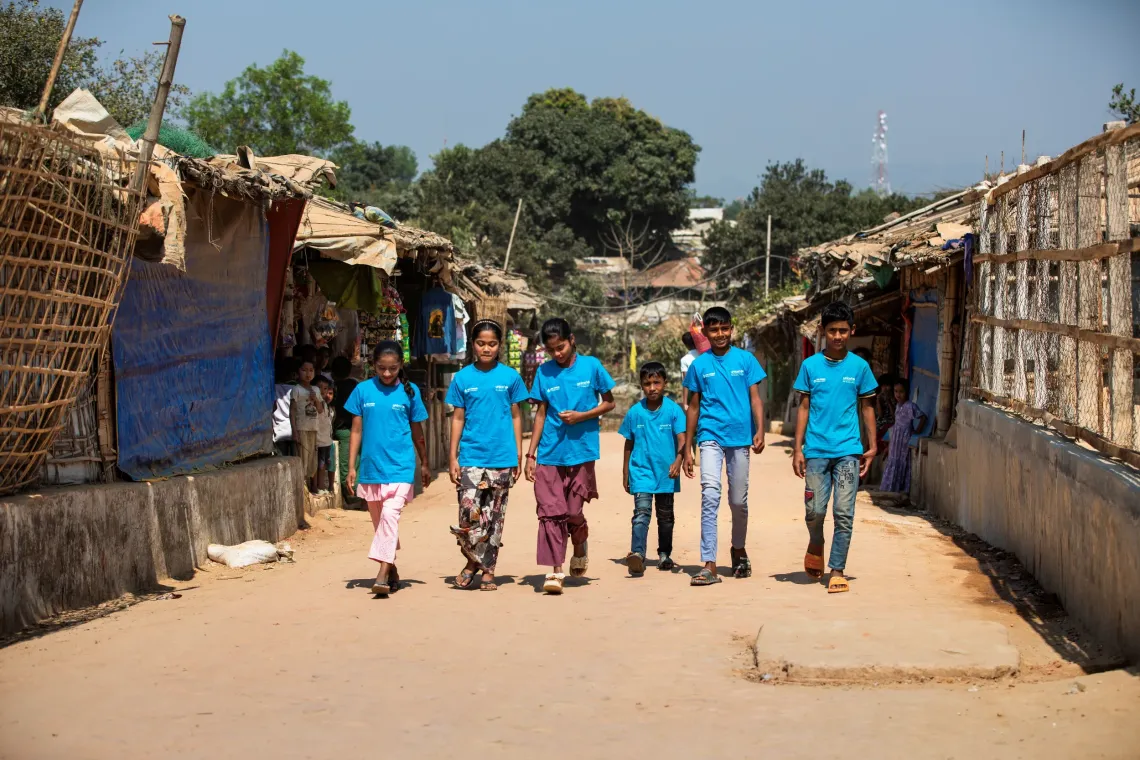
Families live in close proximity, sharing water points and toilets, where prevention is essential. A forgotten bar of soap or a broken latrine can trigger outbreaks of diarrhoea or infection that quickly spread among children.
“There are hundreds of children here,” says Arafat. “We play in the dust and sometimes forget to wash our hands. One child gets sick, then many of us do.”
So how can children learn to stay safe? Arafat and his friends have a solution.
WASH champions in the blocks
Arafat and his friends are part of the “Child Leaders’ Group,” where children aged 7 to 12 help peers learn critical hygiene habits.
Instead of traditional classroom lessons or sitting with heavy books, they engage in the "Laughter and Play" approach, where a hygiene dice game or a catchy song serves as their classroom.
Guided by UNICEF partners, they learn about the "invisible giants", germs. Handwashing and cleanliness become foundations built through fun and adventure.


They don’t just flag broken taps; they drive change. By putting hygiene knowledge into practice, these young advocates are laying the foundation for a community that can protect its own future.
“We’ve learned about handwashing, cleanliness, and community cleaning through dice games,” says Arafat. “Now we pass the lessons to our siblings, friends, and neighbours.”
With sustained support from the European Civil Protection and Humanitarian Aid Operations (ECHO),[MM1] UNICEF, in partnership with others, has established over 320 Child Leaders Groups in the camps, involving around 3,200 Rohingya children and adolescents, including more than 1,440 girls.
The power of the peer
The magic of the Child Leaders’ Group lies in its simplicity. Eleven-year-old Rukana, another active member, encourages others with fun activities using the "Laughter & Play" approach.
When Rukana demonstrates handwashing, she turns it into a fun activity, making sure her peers follow each step.
“If a teacher or elder tells us, we listen out of respect,” says Rukana. “But when Arafat shows us, we do it because she’s our friend, and it’s fun.”
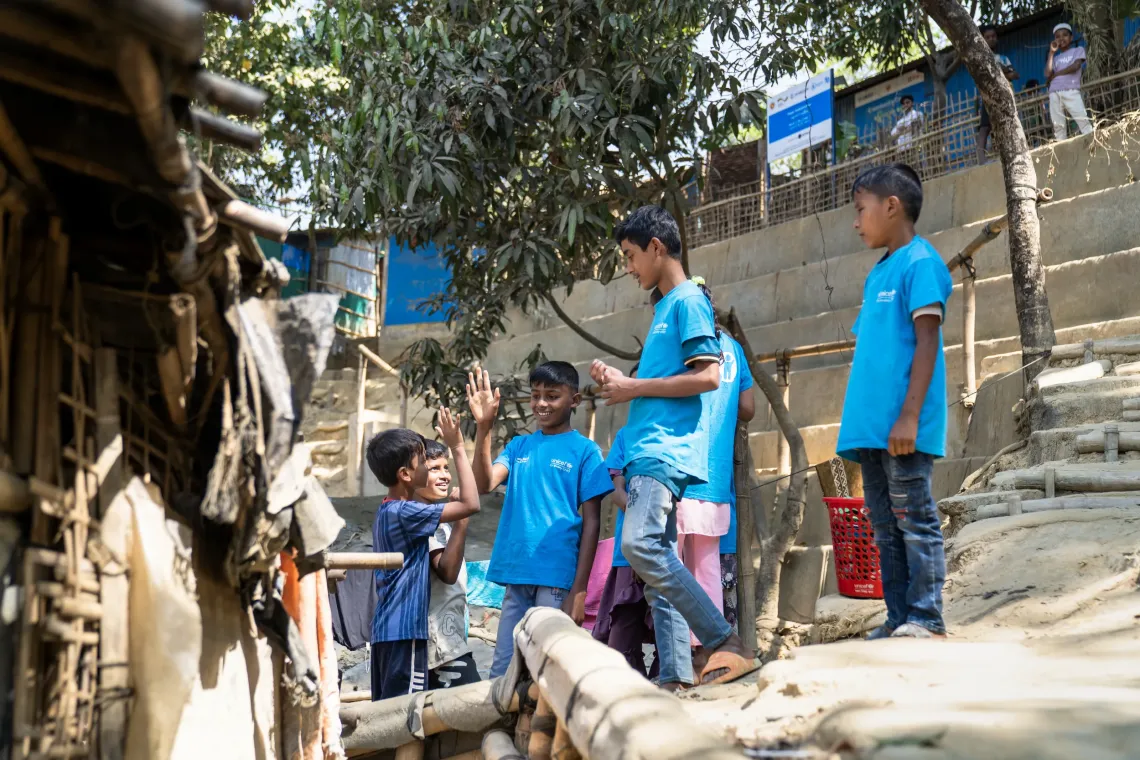
Peer-to-peer support is the heart of the initiative. Living side by side, the children notice what adults often overlook: a friend skipping handwashing after football or tossing waste after iftar. As the community’s eyes and ears, they gently remind others that cleanliness is a daily habit.
They don’t scold. They remind, demonstrate, and encourage.
Facing the giant: challenges on the ground
In camps hosting over half a million children, the greatest threats are invisible. Washing hands becomes more than hygiene; it’s protection, dignity, and a shield against crisis.
Being a child leader means real responsibility. Members monitor hygiene among
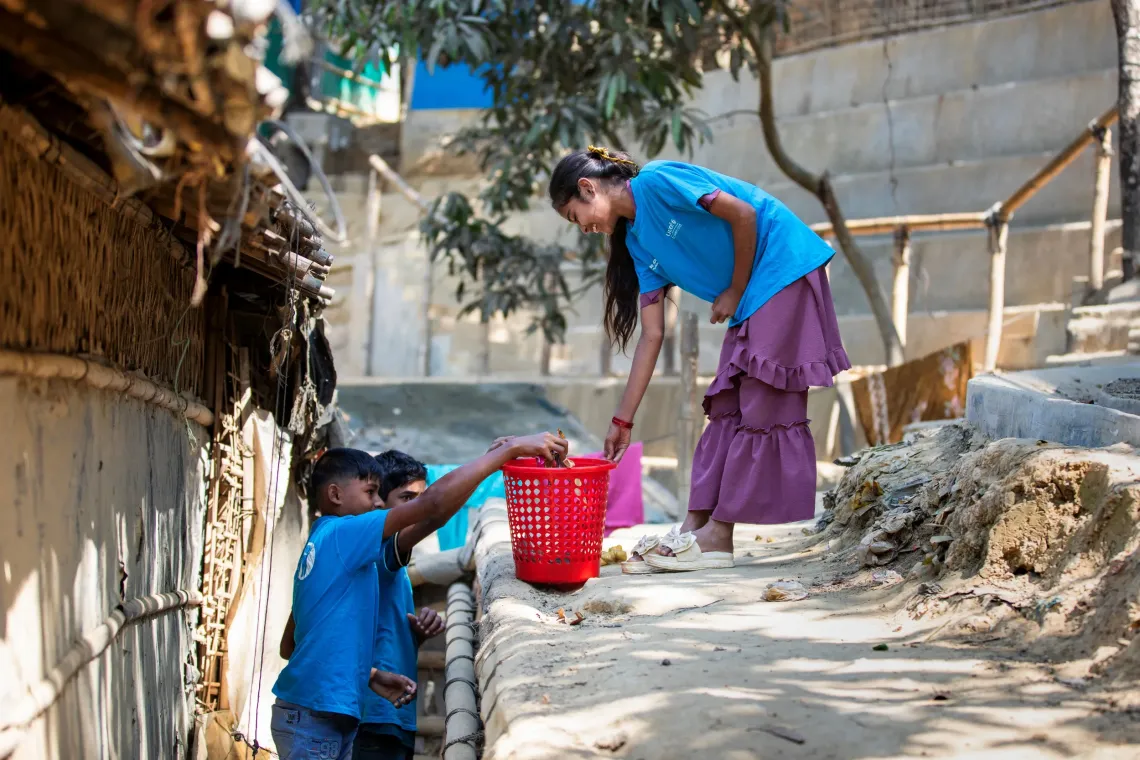
peers, report broken taps or blocked drains, and lead activities for World Toilet Day, Global Handwashing Day, and clean-up drives.
On paper, it’s participatory monitoring. In reality, it’s simply children looking after each other.
“Sometimes, we see kids tempted to trade water taps for sweets,” says Arafat. “We remind them that water is more important. If we lose taps, everyone loses their water supply.”
When a child adopts a new habit, it spreads to parents, siblings, and neighbours. The influence of one 11-year-old can ripple through dozens of households.
It’s a fine balance – being a leader in the community while still being a child who wants to play and dream.
The biggest challenge for them is changing old habits. It takes courage for a young person to suggest new ways. Some are sceptical, but with patience and heart, these children are winning people over.
“Sometimes, older kids think we’re too young to teach these habits,” shares Arafat. “But we don’t give up. That’s our strength.”
Beyond soap and water
The Child Leaders’ Group isn’t just about hygiene; it’s about dignity.
Through this initiative, children like Arafat and his friends discover their hidden potential. They learn that leadership isn’t about age but about action.
When Arafat or Rukana explain why clean hands prevent illness, they do more than deliver a lesson.
They build confidence, enhance community trust, and shape the future.
The hygiene dice games are more than play; they’re tools of resilience.
A future built on clean hands
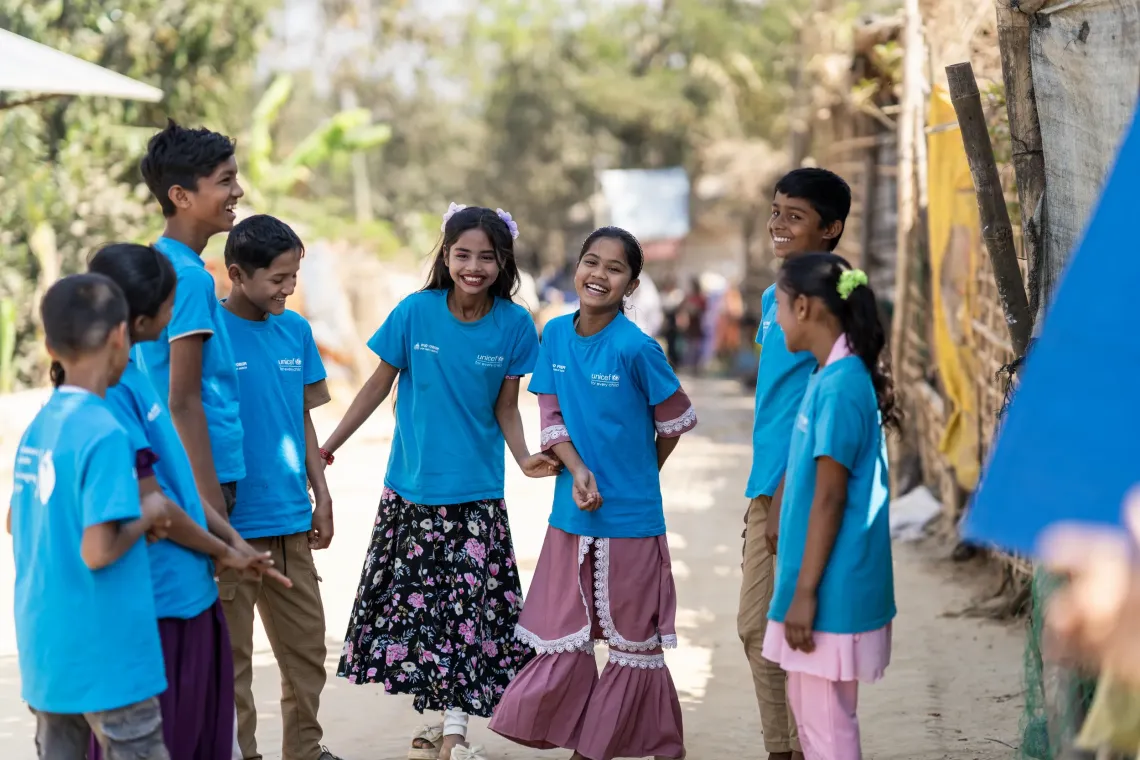
Joy can exist alongside hardship, and children are powerful agents of change. These children are more than volunteers – they’re confident agents of change, teaching that hygiene is about dignity.
In the Rohingya camps, change doesn’t start with grand declarations, but in small circles of children learning together. Whether in mobilising neighbours or checking on friends, these leaders show that with skills and a little joy, they can lead the way to a safer future. A healthier community is built, one clean pair of hands at a time.
In their hands, the camp’s future is not just cleaner; it’s brighter.