

Seven years of a crisis
Rohingya children and families have endured an almost unimaginable ordeal. UNICEF is working with partners to ensure a more hopeful future.
- বাংলা
- English
2017
As violence flared in Myanmar in late August, hundreds of thousands of terrified Rohingya fled across the border to Bangladesh in search of safety.
Leaving behind their homes, their belongings, their communities, some made the journey in crowded fishing boats, braving the rough waters of the Bay of Bengal.
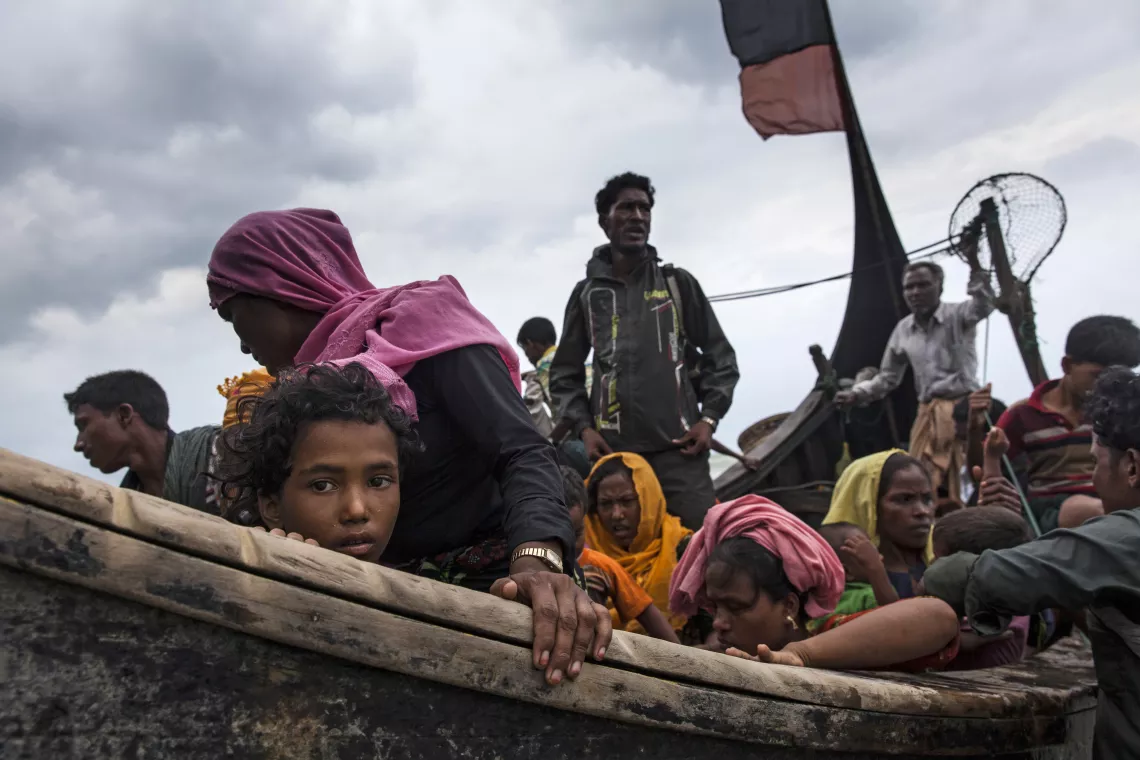
UNICEF/UN0119957/Brown
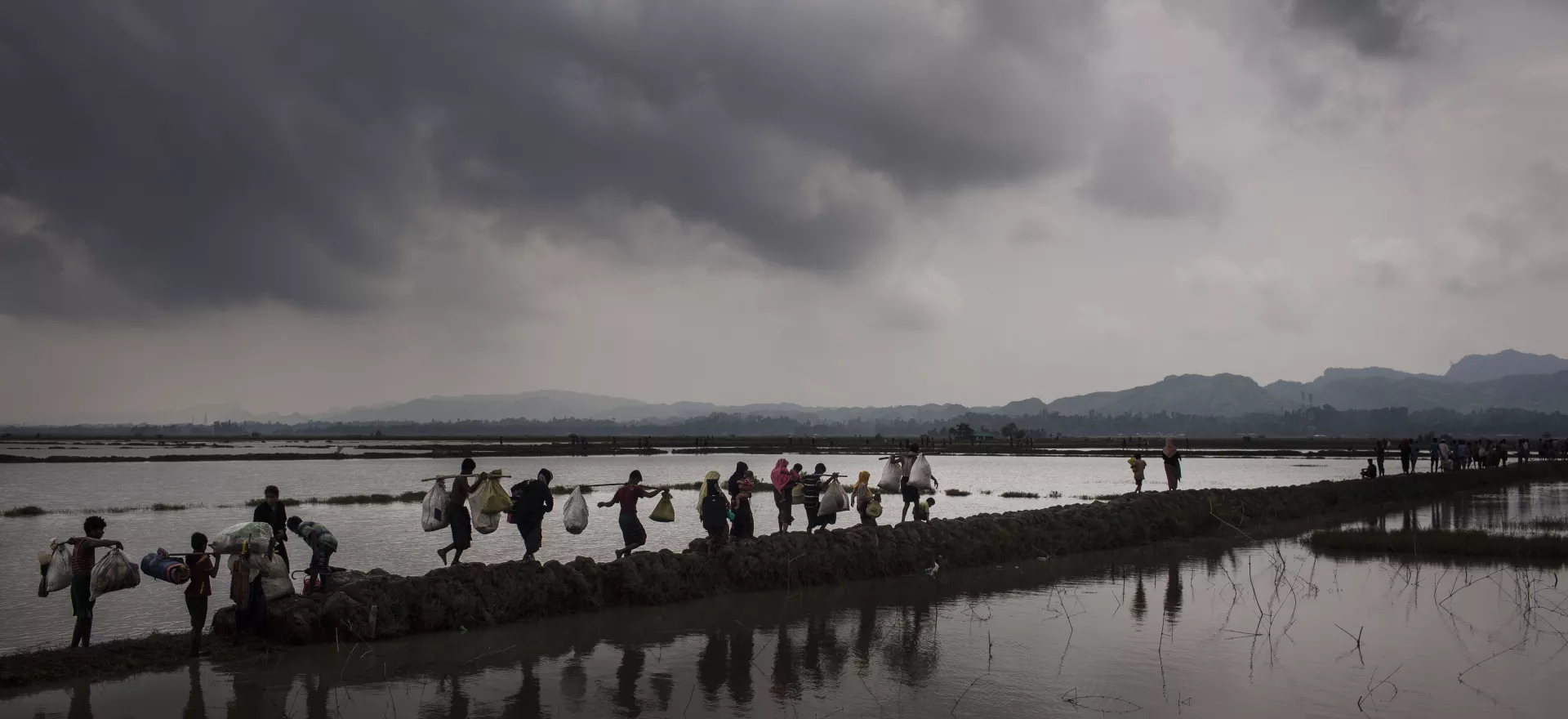
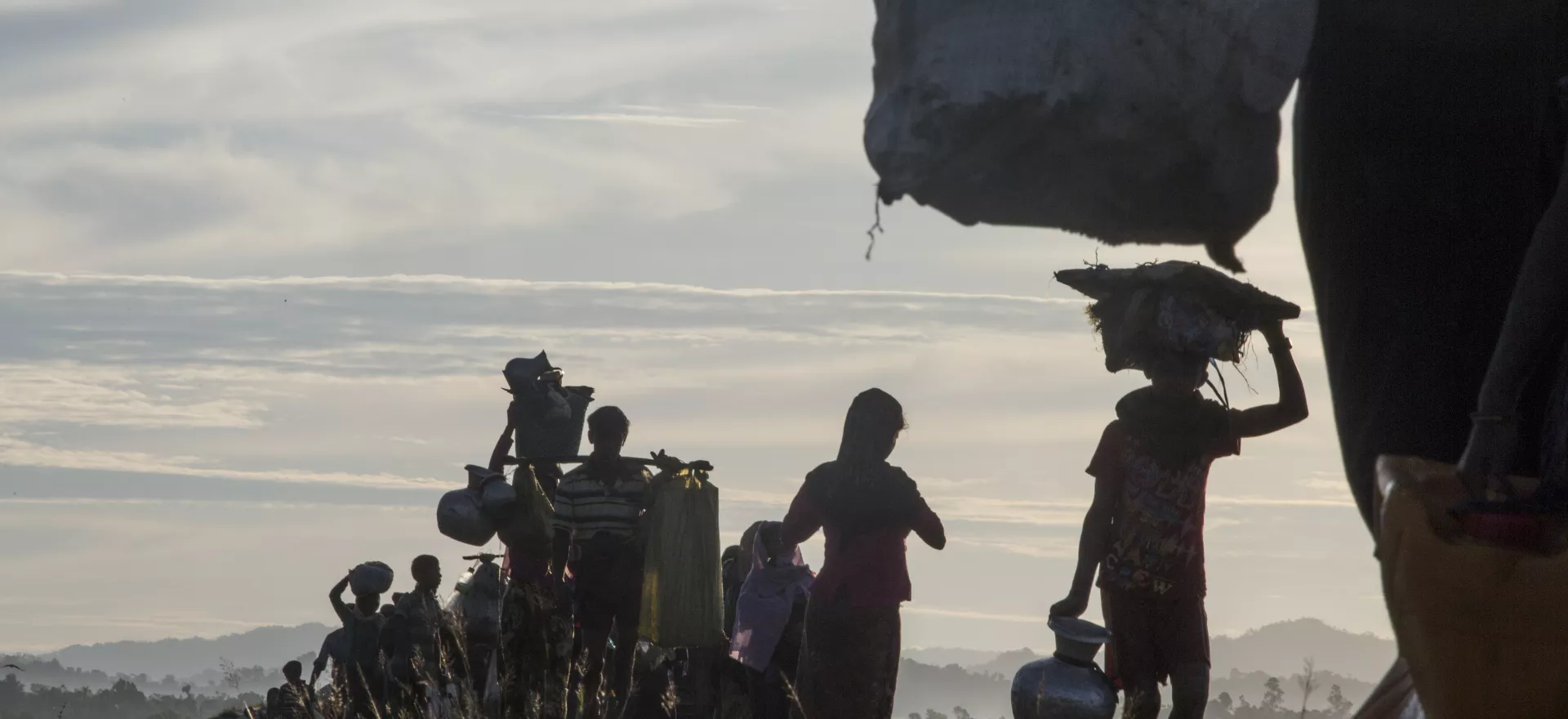
Others made the journey on foot…
UNICEF/UN0139416/LeMoyne
Walking for days through dense forests and across hilly terrain.
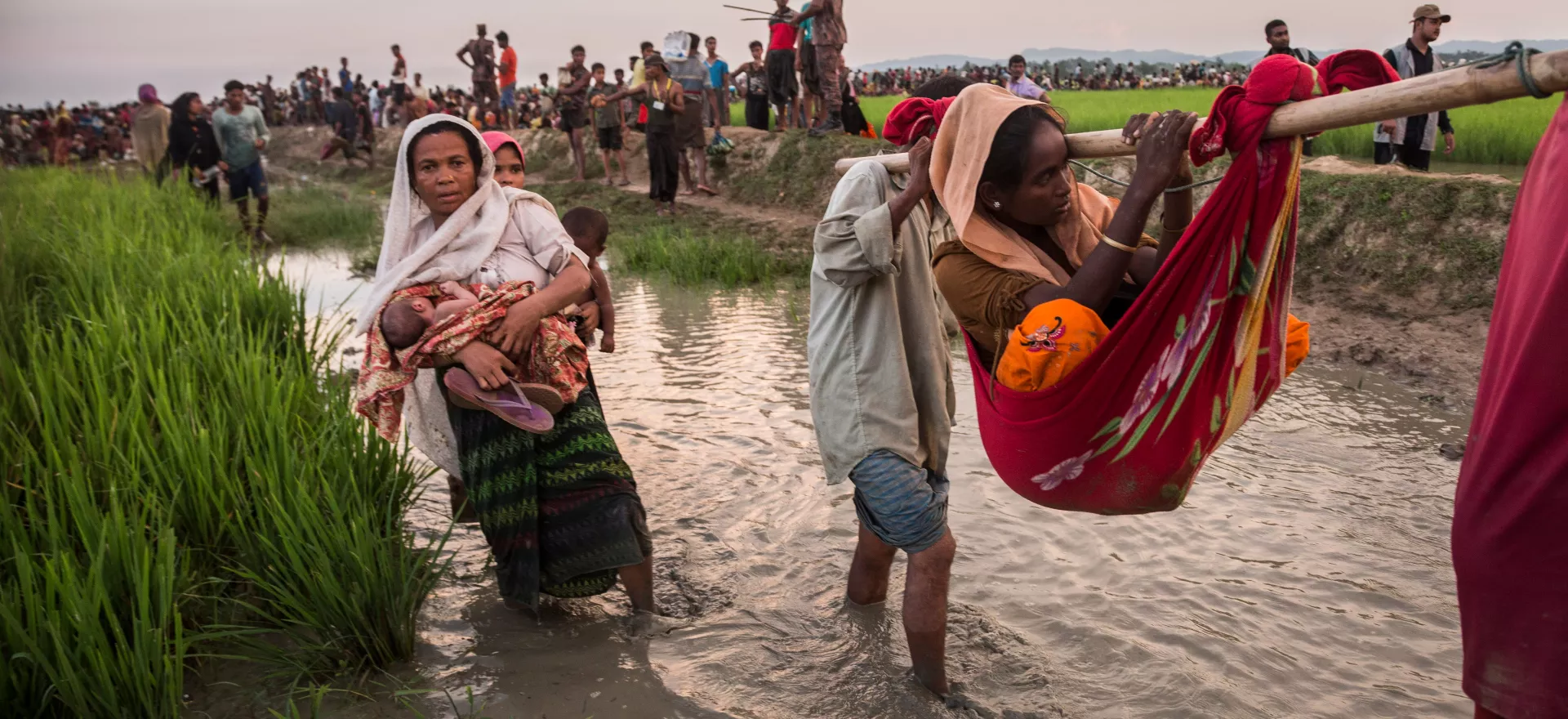
UNICEF/UN0136998/LeMoyne
Many of them were children, pregnant women, sick or elderly.
As the refugees poured onto the beaches and rice paddies of Bangladesh, some built makeshift huts for shelter. But most of those arriving were staying in the open air, suffering from exhaustion, sickness and hunger and bringing with them accounts of unspeakable violence and brutality that had forced them to flee.
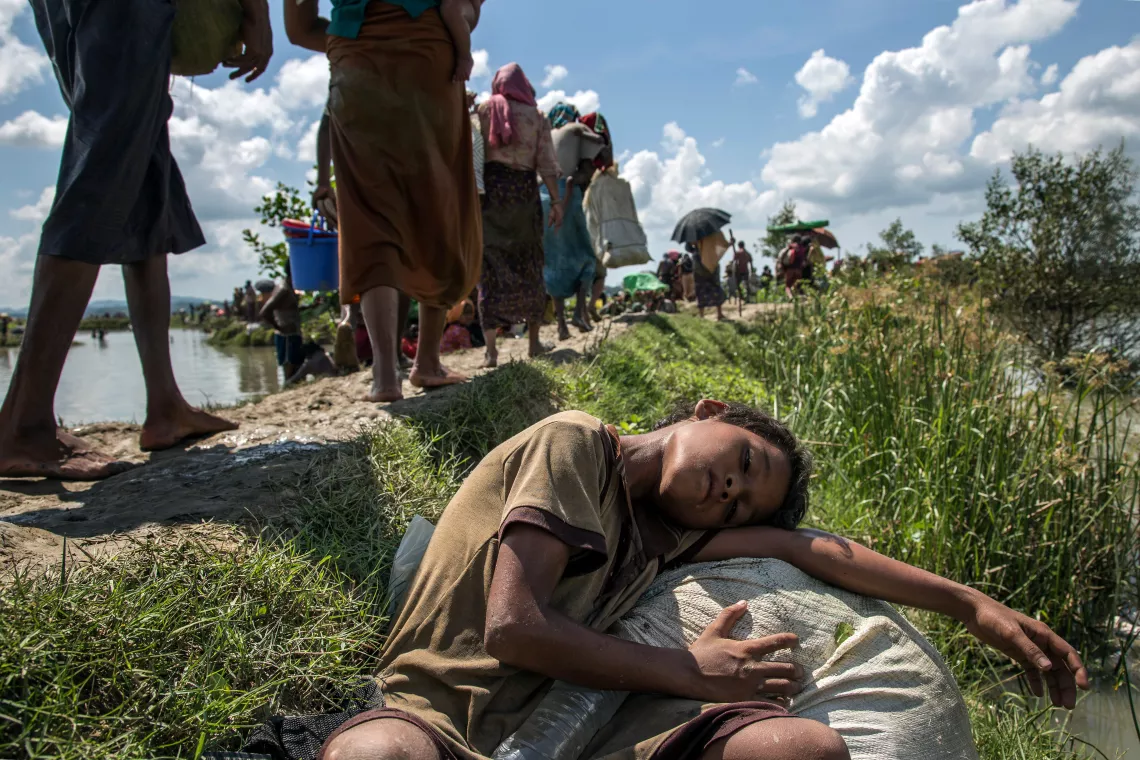
Those fleeing attacks and violence in this latest exodus joined around 300,000 people already in Bangladesh from previous waves of displacement, effectively forming the world’s largest refugee camp.
In the immediate wake of the massive influx of refugees, UNICEF scaled up the humanitarian assistance it had been providing since a previous influx in October 2016. Given the appalling situation in the makeshift and spontaneous settlements, the immediate concerns were for refugees’ health and the potential for a catastrophic outbreak of disease, particularly of Acute Watery Diarrhoea.
UNICEF therefore moved quickly to provide safe water to drink for the thousands of refugees who were continuing to arrive. Working with partners, including other UN agencies and the Government of Bangladesh, UNICEF distributed water, sanitation and hygiene supplies, including detergent powder, soap, water purification tablets, and pitchers and jugs for holding water, along with nappies, sanitary napkins and towels.
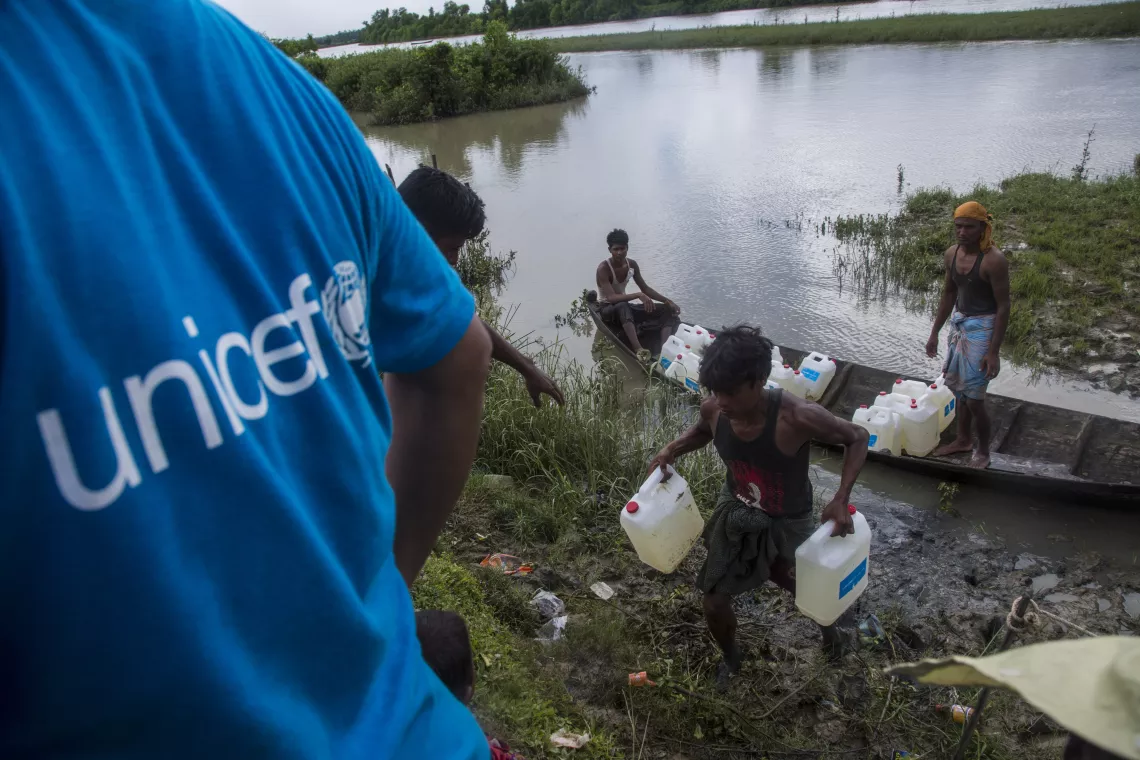
In early October, a massive cholera immunization campaign was launched near Cox’s Bazar to protect newly arrived Rohingya and host communities from the life-threatening diarrheal disease. Around 900,000 doses of the vaccine were mobilized and were delivered by more than 200 mobile vaccination teams as part of what was then the second largest ever oral cholera vaccination campaign.
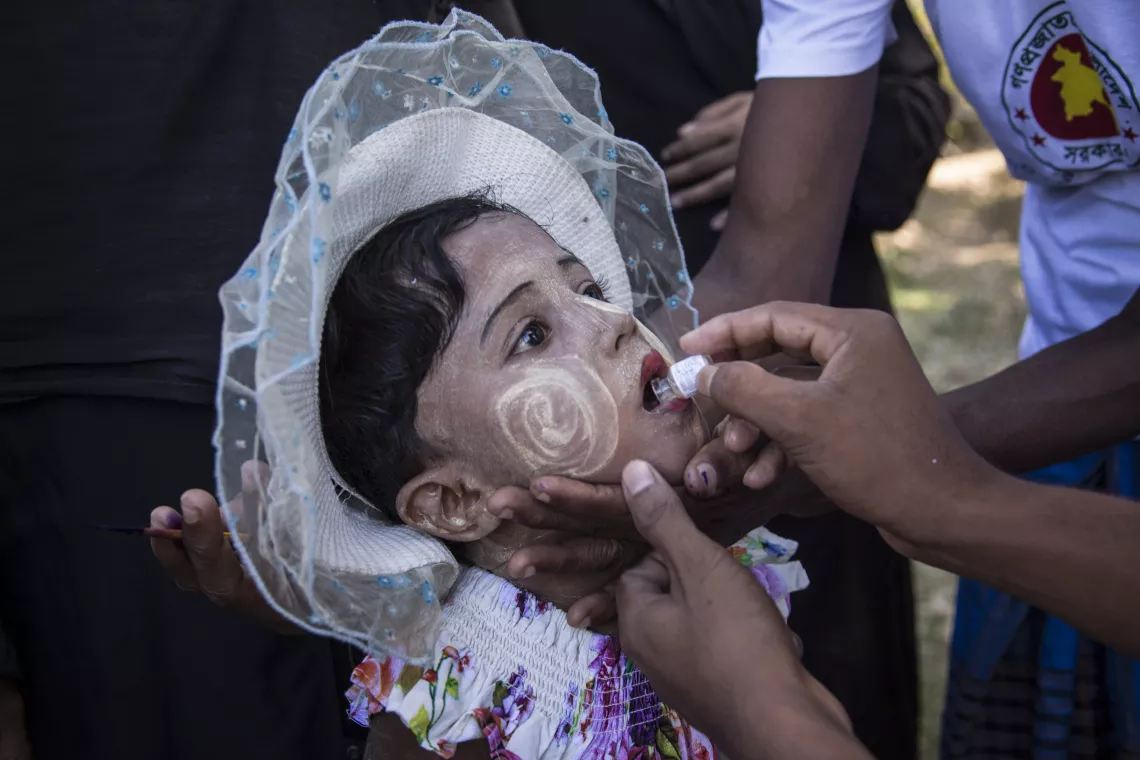
UNICEF and partners also supported the Government of Bangladesh as it launched a vaccination campaign against diphtheria and other preventable diseases for Rohingya children aged 6 weeks to 6 years living in camps and temporary settlements. Two months since the influx started and UNICEF and partners had also reached 128,000 refugees with safe water and 190,000 with sanitation services – vital components of efforts to prevent the spread of diseases.
But while ensuring refugees received the immediate life-saving support they needed, it was also clear that the massive exodus was taking an enormous emotional toll on children and their families. Along with the epic scenes of human misery came horrifying accounts of what had triggered the chaotic flight from Myanmar. Tales of savage violence and cruelty, of homes and communities razed to the ground. After experiencing almost unimaginable horrors and stress, it was critical that refugee children had access to education, in a safe and nurturing environment, places where they could benefit from case management and referral to specialized services, receive psychosocial support, and also learn important life skills.
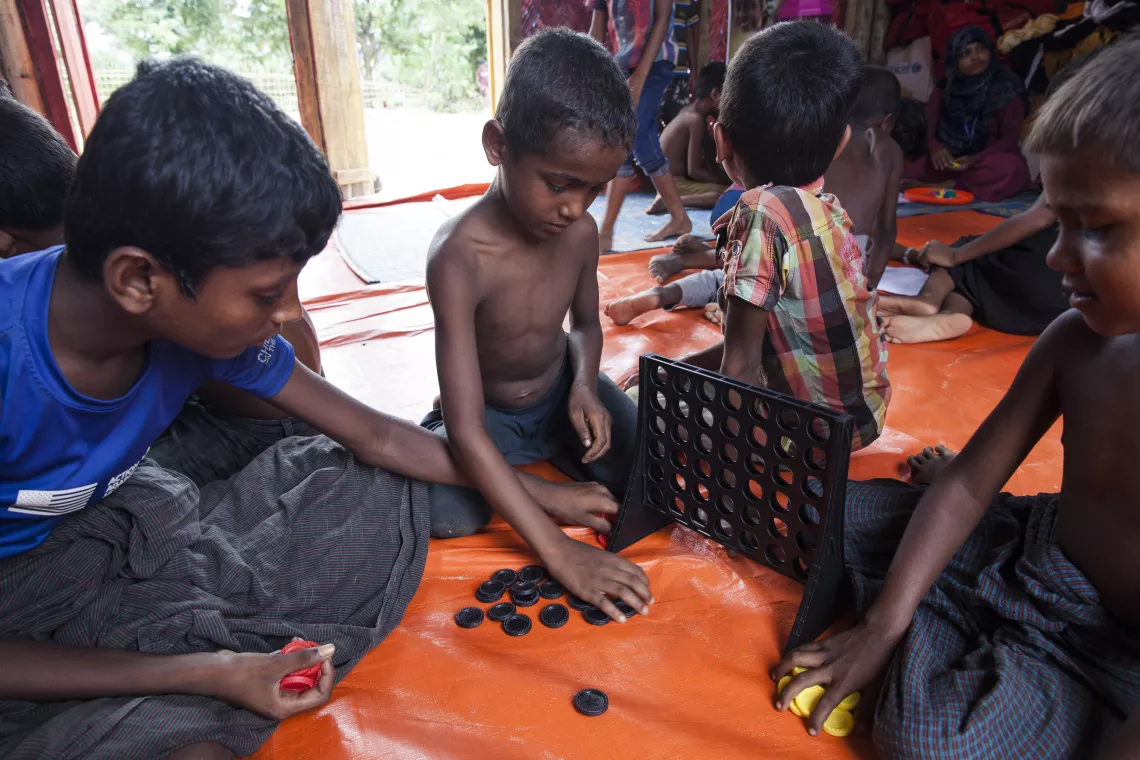
Somewhere that allowed them to play, make friends, and, sometimes, just have the chance to be children for a while.
2018
By the first week of January, an estimated 720,000 people had arrived in Bangladesh since the August influx began and were in need of humanitarian assistance. Having arrived virtually empty-handed, Rohingya families depended on handouts of water, food and other basic assistance. The risk of disease outbreaks loomed. Children were also exposed to abuse, exploitation and violence – at risk of gender-based violence, trafficking, and child labor.
Meanwhile, as cyclone season approached, fears grew that the fragile camps – built on sandy soil and steep slopes – risked being swept away.
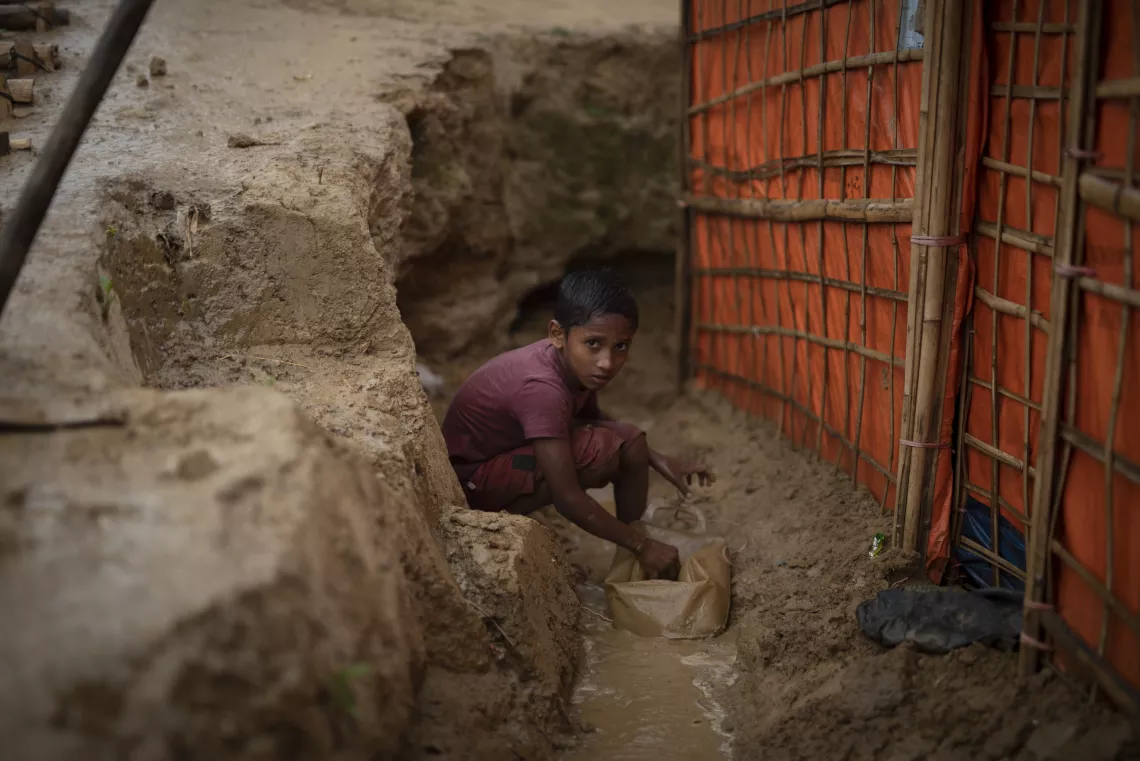
As the pre-monsoon rains arrived in late April, more than 100,000 people, including around 55,000 children, were deemed at risk due to floods and landslides. As intense winds lashed the camps, many children were seen sitting on top of their family’s shelters in an attempt to keep the plastic roof tops from blowing away.
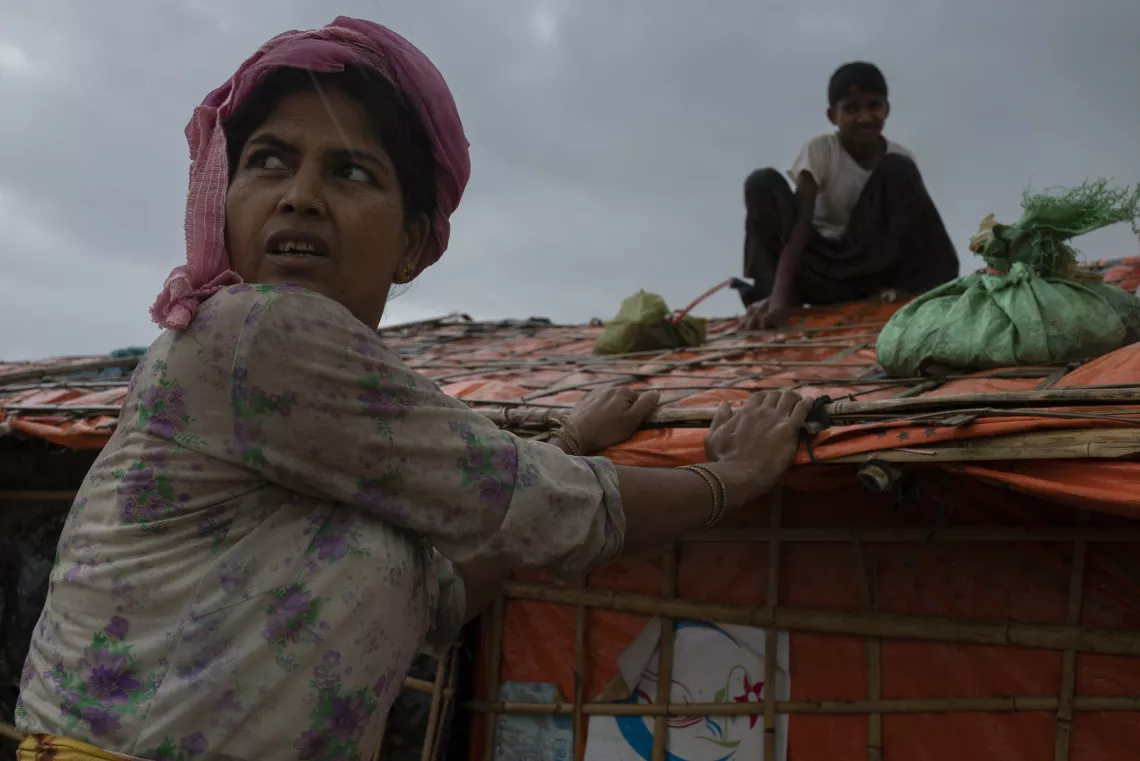
In preparation for cyclone season, UNICEF had already prepositioned emergency water and sanitation supplies and replenished its stocks of hygiene and dignity kits. UNICEF and partners also readied supplies including tarpaulins and corrugated iron panelling to help mitigate the worst of the effects.
But with thousands of children and their families living in shelters on hilly areas with no trees, rocks or shrubs to hold the sandy soil, incessant rain turned much of the ground into mud, bringing flooding and landslides even as powerful winds damaged or destroyed hundreds of shelters, leaving vulnerable families defenseless against the elements.


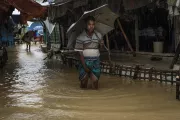
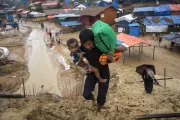
By August, a year since the influx began, it was clear that through the Government’s leadership, national and international aid bodies, and the support of local Bangladeshi communities, the worst potential consequences of this human calamity had been averted.
Still, huge challenges remained.
Since the chaotic early phase of the crisis, basic services provided by UNICEF and a host of NGOs and humanitarian partners had expanded and scaled up massively. But they were still far outstripped by the needs of the refugees.
Making the unsettled environment safer for children has been a top priority for UNICEF and its partners since the outset. High levels of gender-based violence and domestic violence were being reported both inside and outside the camps, with girls in particular at risk of sexual exploitation and abuse.
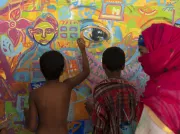
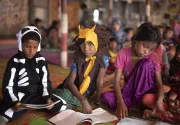
In response, UNICEF and its protection partners worked to expand their case management work, ensuring attention to adolescent girls, to look, listen and link children to the services the need. Meanwhile, by August 2018, more than 130 child-friendly spaces had been set up throughout the camps and played an important part in bringing normalcy to lives so brutally uprooted.


2019
During emergencies, children lose their loved ones and homes. They lose access to safe drinking water, health care and food. They lose safety and routine. And, without access to education, they risk losing their futures. From the very beginning of the refugee crisis, the importance of getting hundreds of thousands of newly-arrived children into school was a huge challenge for UNICEF and its education partners.
By January 2019, as a new school year was beginning, more than 145,000 Rohingya refugee children living in camps were attending UNICEF-supported learning centres. The quality of education in the camps was also being improved, through expanded learning modules and lesson plans and the participation of new and existing teachers in development training programmes.
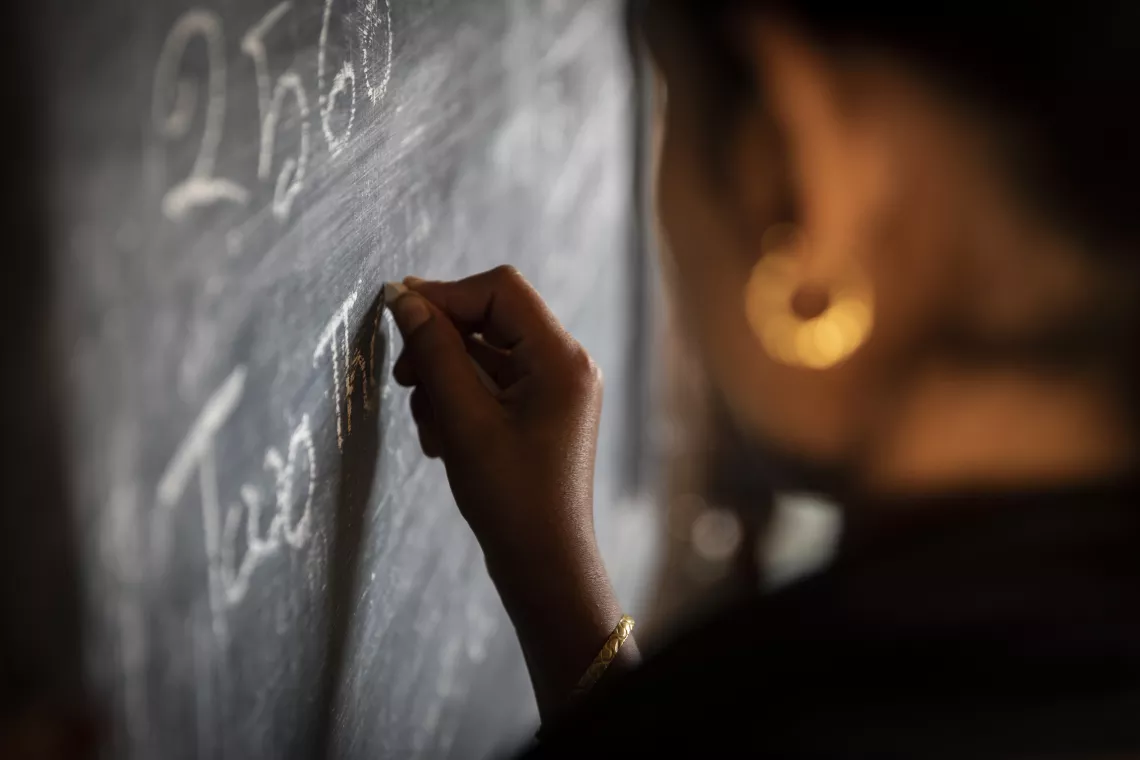
By May, UNICEF was inaugurating the 2,000th learning centre in the refugee camps of Cox’s Bazar, staffed by around 4,000 teachers who had been trained by UNICEF partners.
“In the beginning, without materials or a curriculum framework of any kind, learning centres were mostly about play and drawing. Now we have turned a corner. We’re starting to put in place competency-based learning.”
– Charles Avelino, Former Education Manager, UNICEF Cox’s Bazar Field Office
Despite the improvements in access, the scale of the education challenge remained formidable, especially for older children. Two years into the crisis and the majority of teenagers weren’t attending classes or vocational training, and even younger adolescents found little to do in the camps. With these challenges in mind, UNICEF and partners developed around 100 adolescent clubs and established a network of integrated multi-purpose centres offering psychosocial support and classes in literacy, numeracy, life skills and vocational skills.
But the challenges posed by the massive influx of refugees did not end at the borders of the camps. Bangladesh and its people have shown immense generosity, but the arrival of the refugees has had a significant social and economic impact on the local population, and on the fragile land and forest resources in the area. The refugee crisis placed stress on communities that already had some of the worst indicators for children’s well-being in the country.
As a result, UNICEF and other agencies have paid close attention to local community needs as they responded to the refugee emergency. These efforts included screening children for acute malnutrition, constructing new, deep wells to ensure access to safe drinking water and providing health consultations for thousands of young children in government facilities and community clinics.
UNICEF also partnered with local NGO BRAC on creating a vocational training programme for adolescents in the host community closest to the refugee camps. Young people on the programme, who had not completed high school, were offered a number of courses in a training centre as well as placements with local businesses in Courtbazar in Cox’s Bazar district.


2020
Many Rohingya refugees live in flimsy bamboo and tarpaulin shelters where the dangers of everyday life remain all too real, including the high risk of the spread of infectious diseases. As COVID-19 spread, communities across the globe took precautions to help keep families safe, including by practicing physical distancing. But in the cramped conditions of the refugee camps in Cox’s Bazar, keeping any distance from other members of the community is easier said than done.
Even before COVID-19, UNICEF worked with partners to promote good hygiene practices, particularly among children. These activities were scaled up as the pandemic spread. UNICEF partners provided safe water and soap supplies for around 240,000 Rohingya refugees, including through more than 4,000 communal handwashing stations in the camps and around 160 in the host community.
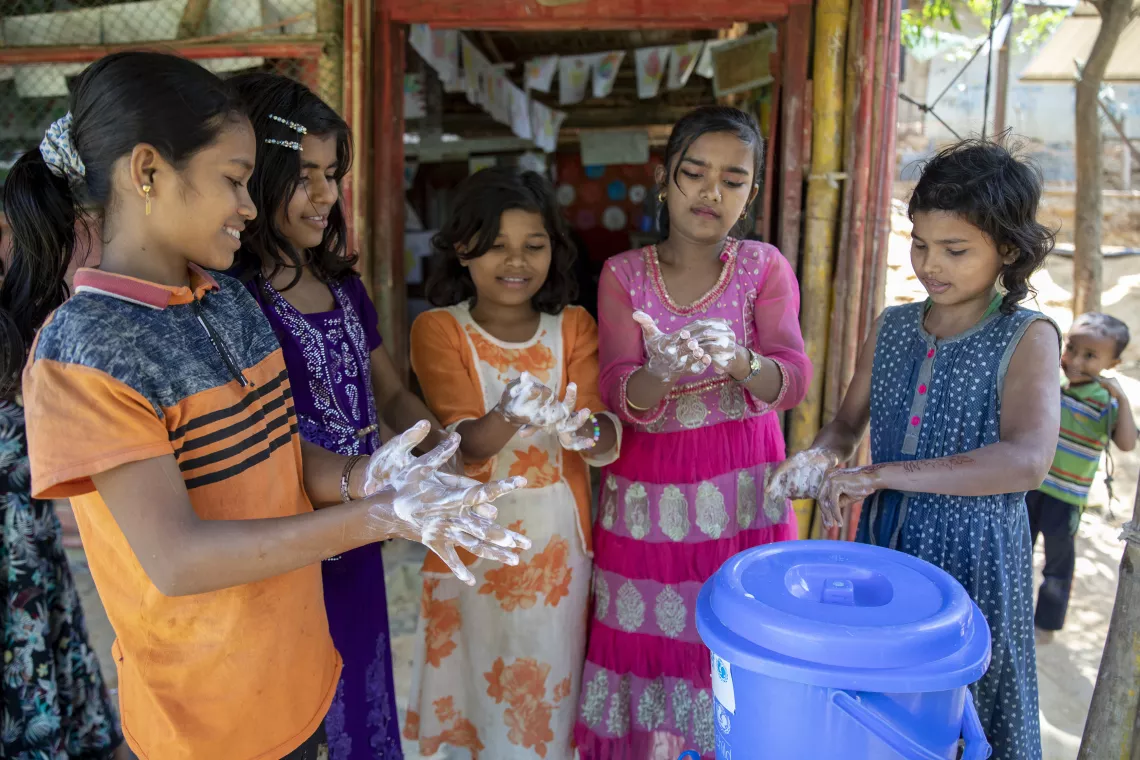
In Cox’s Bazar, UNICEF designed an innovative programme to “Make WASH Fun” for children, placing them at the centre of COVID-19 hygiene promotion response efforts.
Mohammad Zian was one of more than 1,600 child leaders UNICEF partners taught how to share information on handwashing and hygiene with family, friends and the wider community. Each child leader was encouraged to share key messages around handwashing with at least 10 other people, organically increasing awareness and self-monitoring of hygiene promotion efforts in the camps.

Involving religious and community leaders in these efforts was also essential. UNICEF partnered with the Islamic Foundation of Bangladesh to raise awareness around COVID-19 through more than 1,100 Islamic centres in Cox’s Bazar District, working closely with a number of religious leaders to ensure children and families had accurate and reliable information from trusted sources.
Keeping children and their families healthy was vital during the pandemic, but as schools across the country closed from mid-March to try to minimize the risk of a COVID-19 outbreak, learning centres in the camps had to close, too, affecting around 315,000 Rohingya children.
UNICEF moved quickly to find alternatives to sustain children’s education, but implementing caregiver-led learning was extremely challenging given how little access there is to technology in the camps.
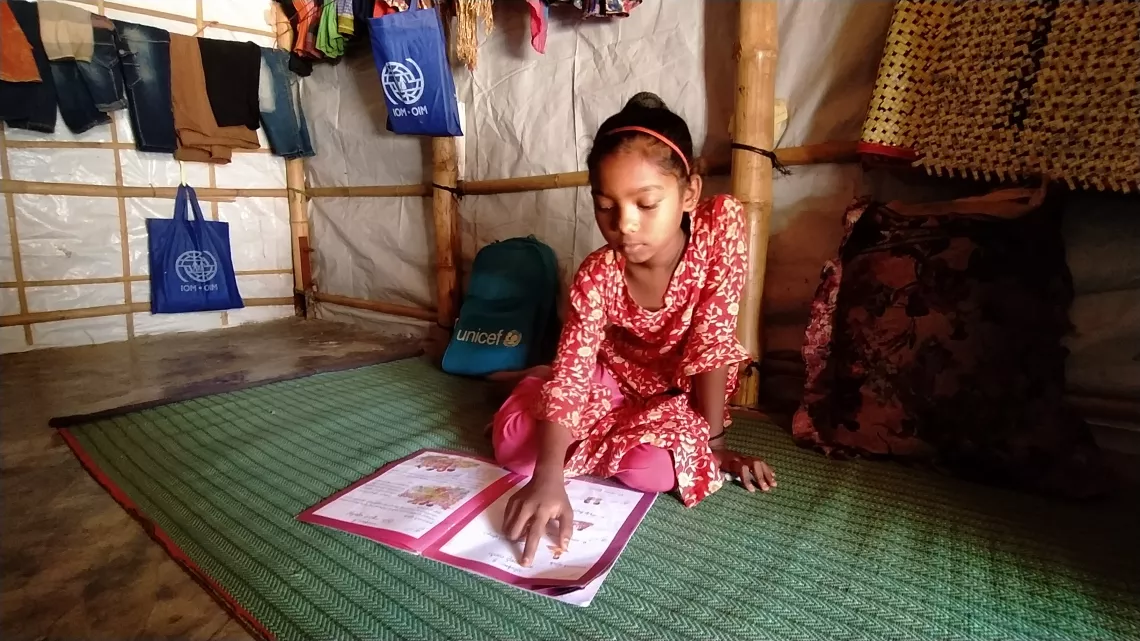
UNICEF worked closely with Rohingya volunteer teachers to continue education through learning activities, including providing guidelines for volunteer teachers and parents to deliver caregiver-led learning, as well as providing pictorial books, audio messages and workbooks for children.
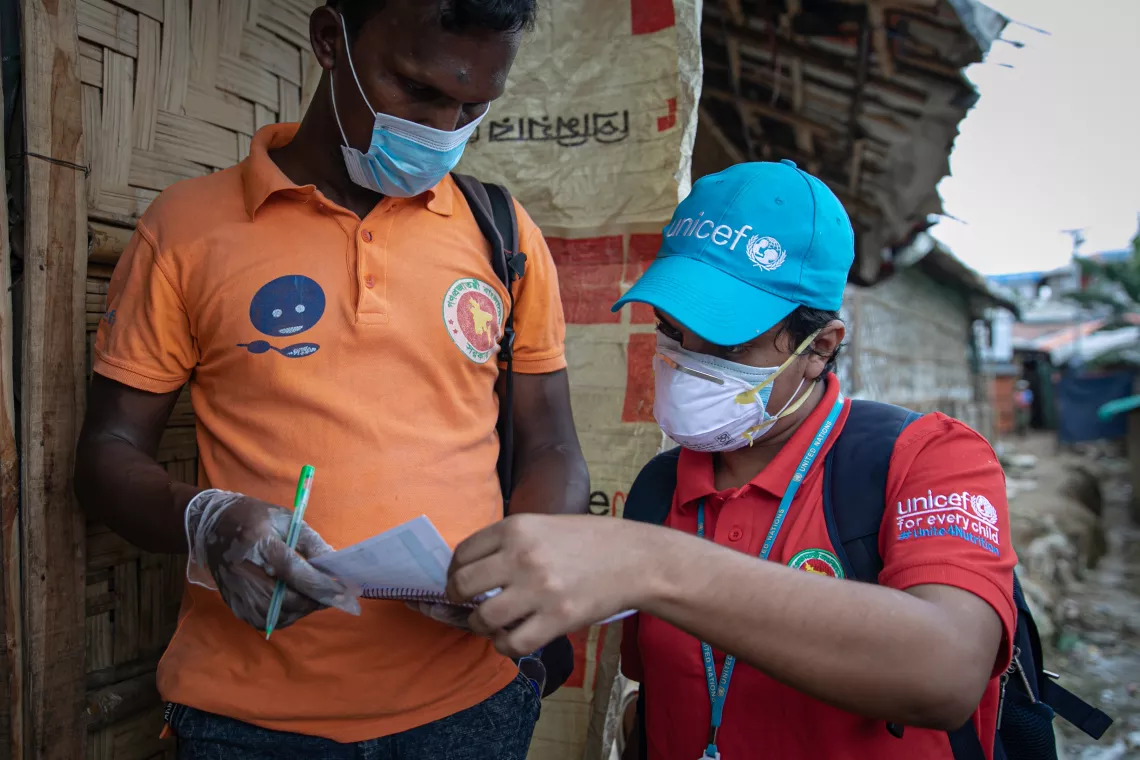
Education wasn’t the only service that had to adapt quickly to the more limited access to the camps. In a normal year, Nutrition Action Week is conducted biannually by UNICEF and the nutrition sector for the camps to ensure regular delivery of Vitamin-A supplements and to conduct screenings for acute malnutrition.
However, due to the risks associated with large gatherings, the 2020 campaign involved door-to-door visits with Rohingya community volunteers. In July, a four-week Vitamin-A supplementation campaign strengthened the immune systems of more than 150,000 Rohingya children aged 6 months to 5 years, while disseminating messages on infant and young child feeding and caring practices during COVID-19.
2021
COVID-19 compounded an already bleak education situation for Rohingya – many Rohingya children lacked access to education in Myanmar and prior learning levels were therefore alarmingly low. With learning centres still shut as COVID-19 cases around the country surged, UNICEF continued to support caregiver led education at home. In January 2021, UNICEF Bangladesh distributed 435,000 workbooks and other learning resources to benefit more than 190,000 children in the camps. Low literacy levels of caregivers and parents also meant that household visits by Burmese language instructors, in compliance with COVID-19 prevention measures, remained critical.


But even as children grappled with the uncertainty of COVID-19 lockdowns and having their education upended, thousands of families were forced to face the devastating reality of displacement within displacement.
On March 22, a fire tore across four camps, causing enormous damage and displacing around 50,000 refugees, half of them children. UNICEF and partners were quickly on the ground addressing the immediate and urgent needs of children and families. UNICEF mobilized health teams for first aid support as well as volunteers to evacuate refugees from their shelters.

UNICEF/UN0431895/Mohsin
But as firefighters extinguished the last embers of the blaze, the scale of the damage was already becoming clear…
Thousands of homes were lost, at least 140 learning centres destroyed, and water supply and sanitation systems severely damaged.


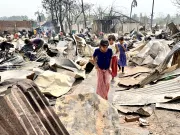
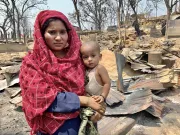
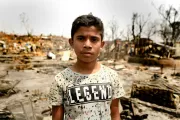
“I loved coming to this learning centre. I would play with my friends. But everything is gone.” – Junaid, 12
In September, 18 months after they had closed due to COVID-19, learning centres in the camps were allowed to reopen. But the prolonged closures had taken a toll on learning in the camps. Many children lost interest in education and had become involved in income-generating activities.
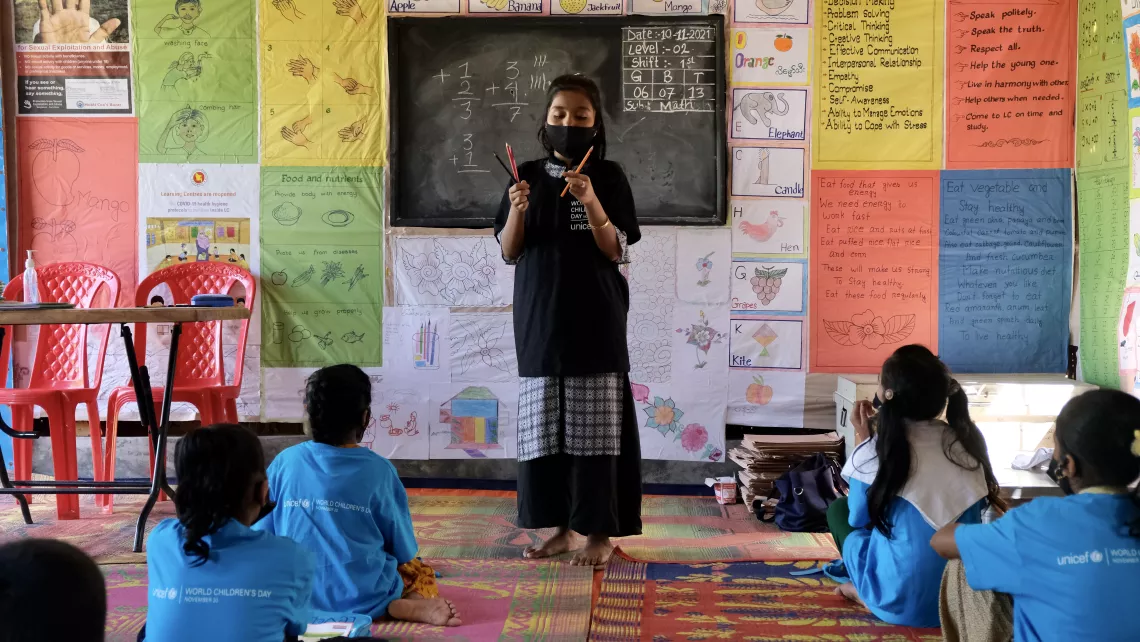
For girls, the barriers to return were often cultural.
The onset of their first period brings change to Rohingya girls’ lives. They are no longer allowed to move freely and are expected to remain largely cloistered within their homes until they are married. Such traditions are not unique to the Rohingya. But while elsewhere, a girl’s home compound might offer some space, that is not the case in the crowded refugee camps of Cox’s Bazar, where, from their early teens, girls are confined to one small, stifling shelter, with nothing except cooking and cleaning to occupy her.
As the learning centres reopened, UNICEF engaged hundreds of social and behavioural change volunteers and religious leaders in community consultations for bringing girls back to learning, resulting in many parents agreeing to send their daughters to girls-only classes. UNICEF also worked with the community to mobilize female Rohingya chaperones to accompany girls to and from the learning centres.
2022
Rohingya children’s education – and hope for the future – saw a further breakthrough in May, when the 10,000th child was enrolled to receive their education based on the national curriculum of their home country, Myanmar.
The Myanmar Curriculum Pilot, launched by UNICEF and partners at the end of 2021, is a critical step forward towards ensuring the fundamental right to education for Rohingya refugee children and will help prepare the children for their eventual return to Myanmar. The curriculum is based on the Myanmar national curriculum and provides Rohingya refugee children with formal and structured education.
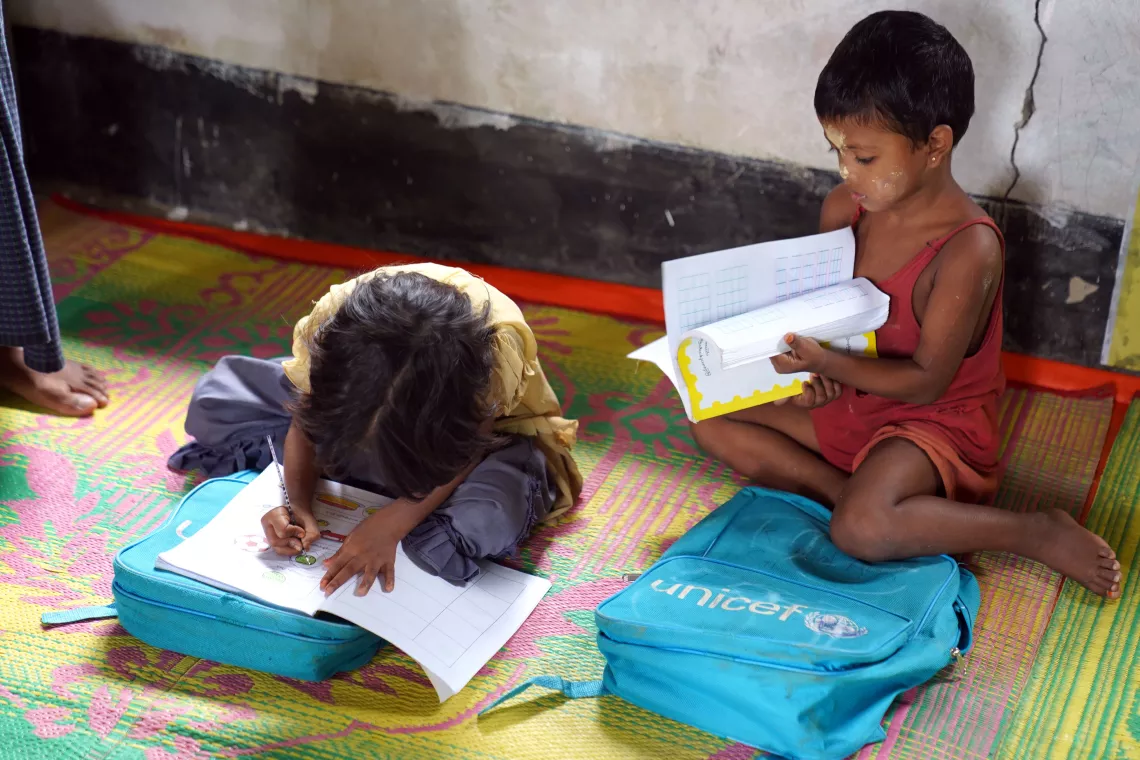
It also fills a critical secondary education gap: Providing schooling for older children who have largely lacked access to education.
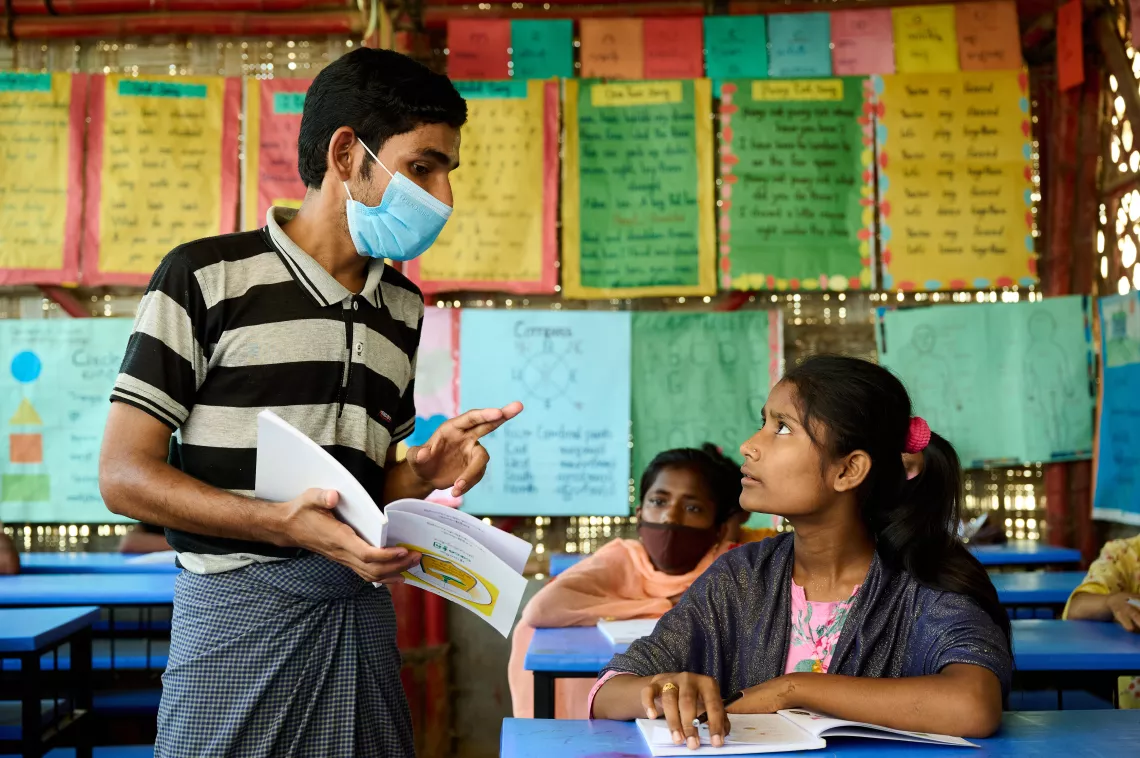
“We need to do all we can to give these children hope, to provide them with education, to prepare them for their futures in Myanmar.”
– Sheldon Yett, UNICEF Representative to Bangladesh
Crises exacerbate the challenges children with disabilities encounter even in the best of times. Children with disabilities are often exposed to abuse or violence. Many are cut off from quality learning and health care compared to their peers without disabilities. They often confront obstacles getting clean water and sanitation, including menstrual hygiene for girls. Inaccessible assistive devices, transportation and facilities put essential social services further from reach.
With their hilly terrain, the camps in Cox’s Bazar aren’t easy to navigate even for the most able-bodied person. This is particularly true in the monsoon season, when landslides and floods are everyday disasters waiting to happen. UNICEF and partners have been responding to the needs of people living with disabilities in the camps, working to ensure that they can more easily access child protection and education services, including by constructing disability friendly latrines – by June, around 1,000 had been constructed. Community members and teachers are also trained to identify and refer children with disabilities for support, a key component in increasing access to equitable and inclusive education.
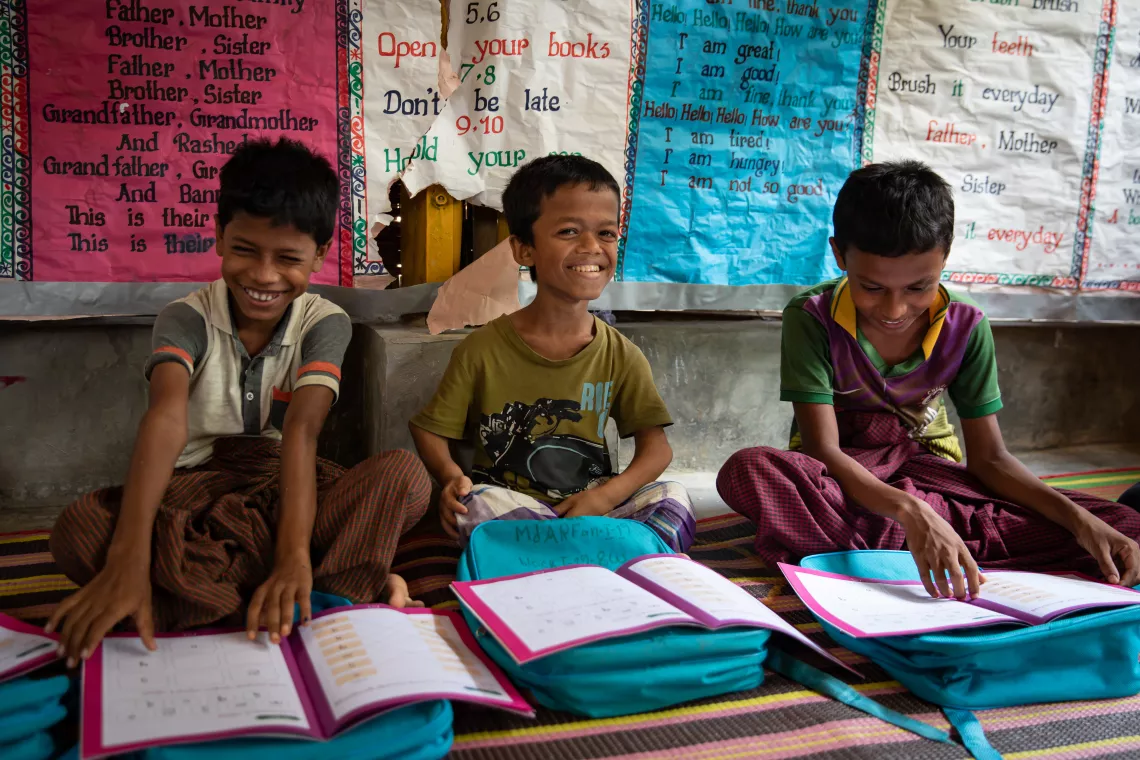
“I want to be a teacher because everyone respects teachers. As a teacher I can help other children like me.”
2023
As the Rohingya crisis entered a new year, many of the challenges confronting refugee children and their families were all too familiar.
In March, thousands of refugees lost their homes as a fire raged. After fleeing their country and taking refuge, 12,000 refugees were once more left homeless.


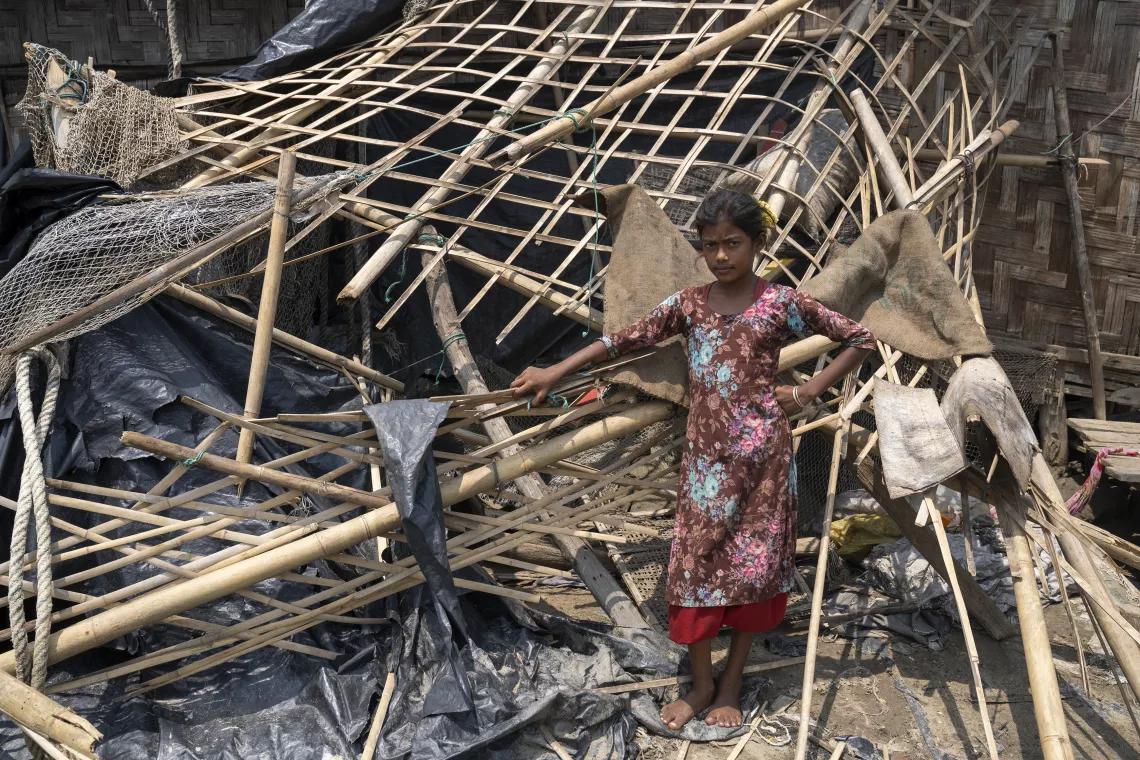
In May, Cyclone Mocha – tied with 2019’s Tropical Cyclone Fani as the strongest storm ever recorded in the North Indian Ocean – left a trail of destruction across parts of Bangladesh and Myanmar. While Cox’s Bazar was spared the brunt of the storm, thousands of people in the camps and host community were affected and several temporary shelters, facilities, and infrastructure that refugees have been provided have flooded and left severely damaged due to heavy winds and rains.
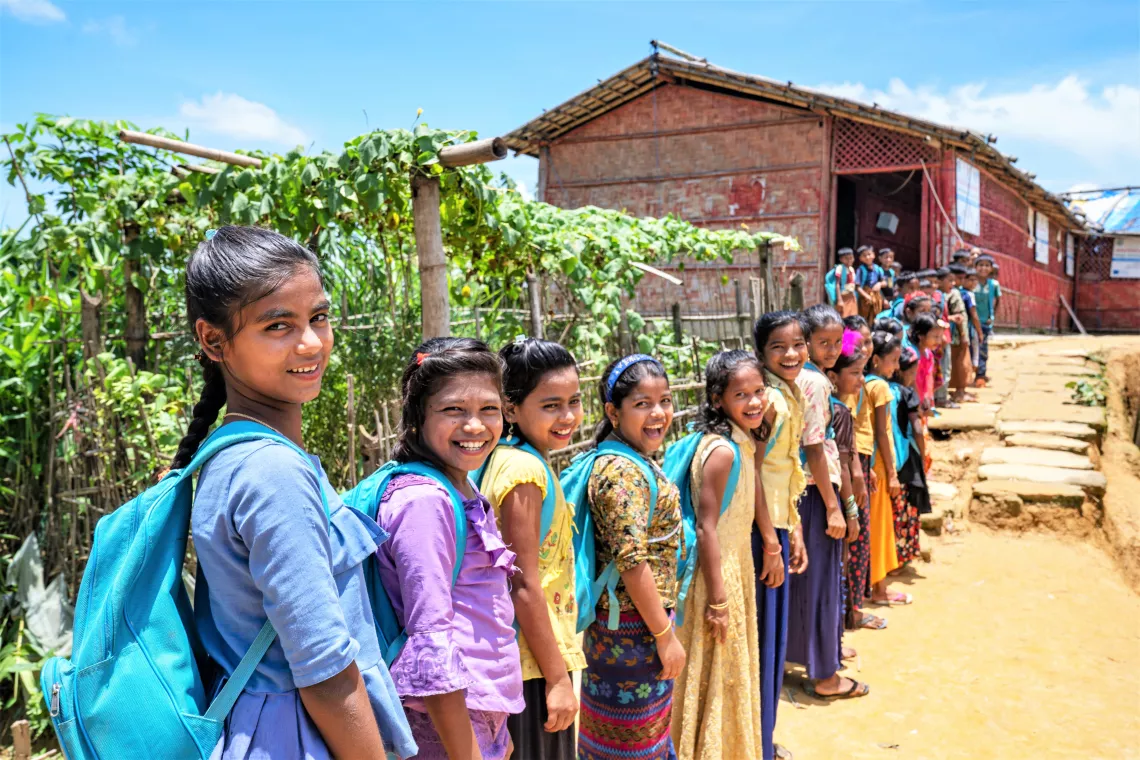
But as the crisis approach the six-year mark, there were signs of hope for a better future. In July, against the odds of displacement, fires burning down learning centres, and Cyclone Mocha’s wrath, classrooms in the Rohingya refugee camps in Bangladesh began filling with children, excited for the first day of school.
Thanks to expanded education opportunities for teenagers and girls, a record 300,000 children are enrolled for the 2023/24 school year. This new academic year also marks the first time that Rohingya refugee children of all ages will be studying under the Myanmar Curriculum. Efforts to support adolescent girls to continue their education are key to the record attendance this year.
Delivering education in the largest refugee settlement in the world is an immense operation. But Rohingya refugee children want to learn, and having access to education gives them the best chance of one day turning their hopes for a better future into reality.
2024
In its seventh year, the Rohingya crisis in Bangladesh has now been officially declared a protracted situation, and can no longer rely on short-term humanitarian funding, but requires more predictable and sustained funding for longer-term investments in the Rohingya camps in Cox’s Bazar and on Bhasan Char.
The nutritional situation in the Rohingya refugee camps has deteriorated as refugees solely depend on humanitarian assistance with limited or no other source of livelihood. Recent surveys reveal worsening trends on child wasting now at 15.1% which is above the emergency threshold. Chronic malnutrition has remained very high and unchanged for the past two years at 41.2 %. Anaemia remains high with one in every three children under the age of five anaemic.
Long-term investment into the five systems (Health, Food, WASH, Education, and social protection) that deliver diets, services and practices that support good nutrition, will help the Rohingya community realize their right to good nutrition and give their children the strongest chance of surviving their first years of life.
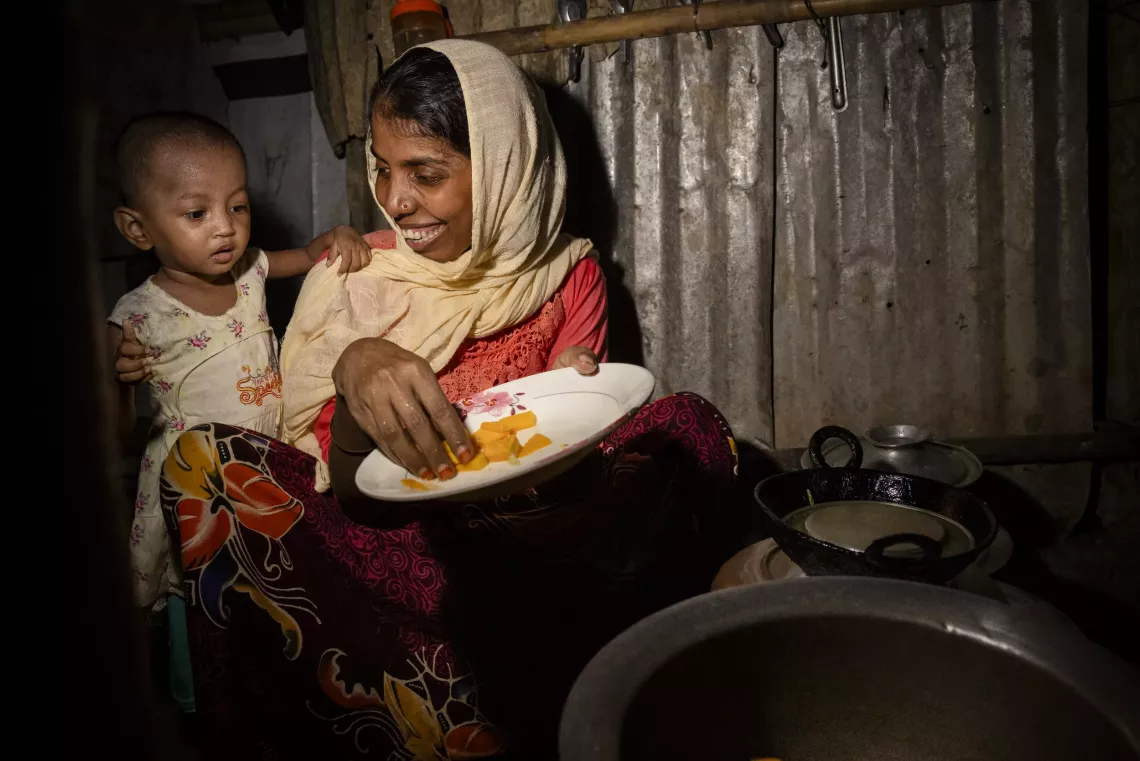
In May 2024, UNICEF, in collaboration with the government of Bangladesh and the Education Sector, celebrated a significant milestone by issuing the first-ever year-end assessment cards to children living in the Rohingya refugee camps in Cox’s Bazar.
This is the first time in the Rohingya response that children have received a record of their educational achievements.


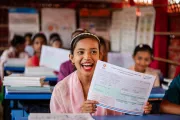
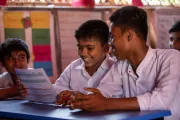
This initiative brought joy and pride to the children and their families, as it acknowledged their academic efforts and provided a sense of accomplishment and hope for their future.
Due to increasing impact of climate change, the Rohingya refugee camps on the coast of the Bay of Bengal remain extremely vulnerable to flooding, landslides, and cyclones.
On 7 January 2024, yet another devastating fire occurred in Rohingya refugee Camp. Around 5,000 refugees, including 3,500 children, were displaced. 6 months later, another fire displaced almost 1,000 refugees.
UNICEF and partners are advocating for weather-resilient structures to not only save lives, but also to decrease reconstruction costs.


