Where the Future Begins
Schools, Technology and Young People in Peqin

- English
- Shqip
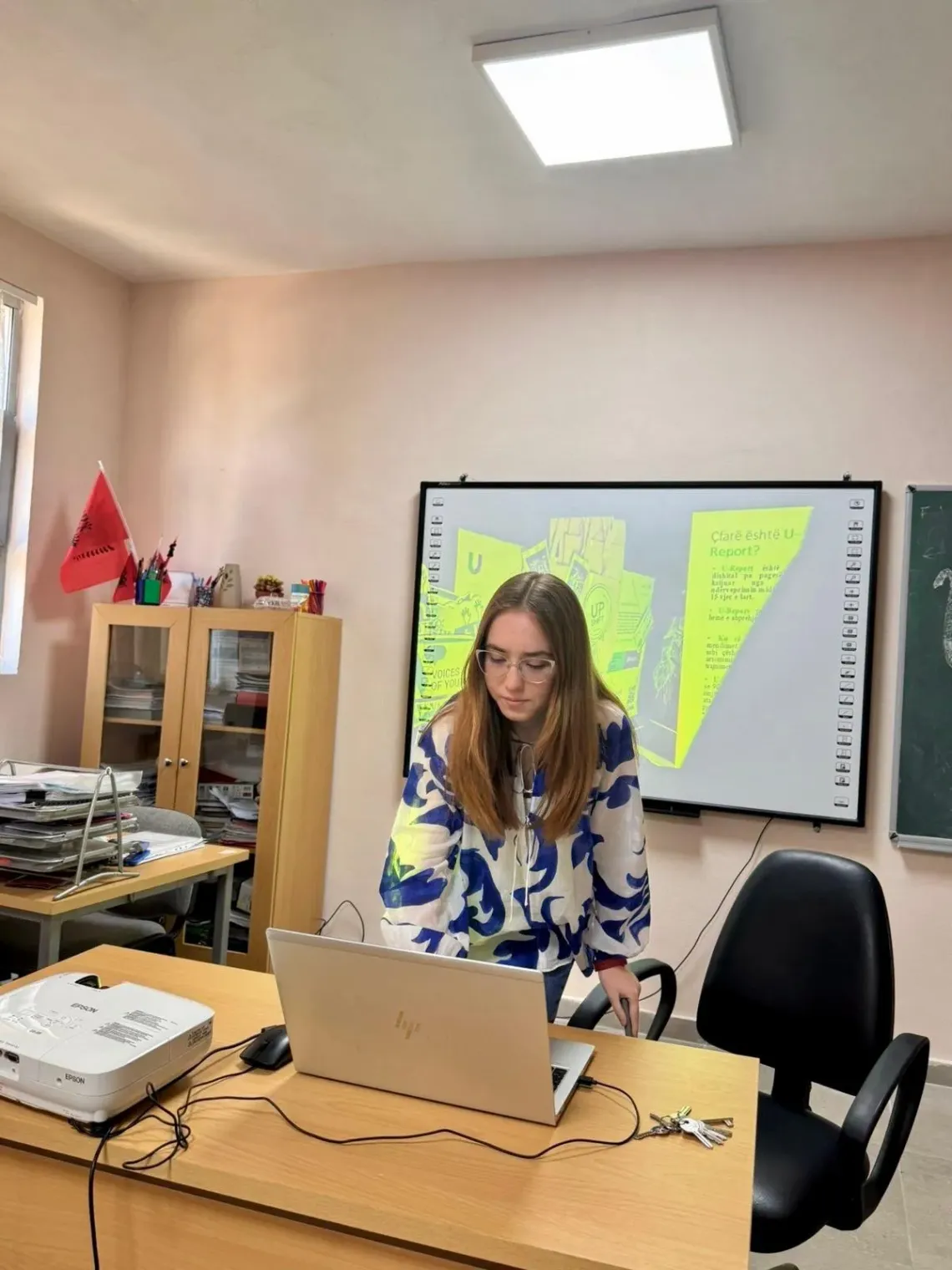
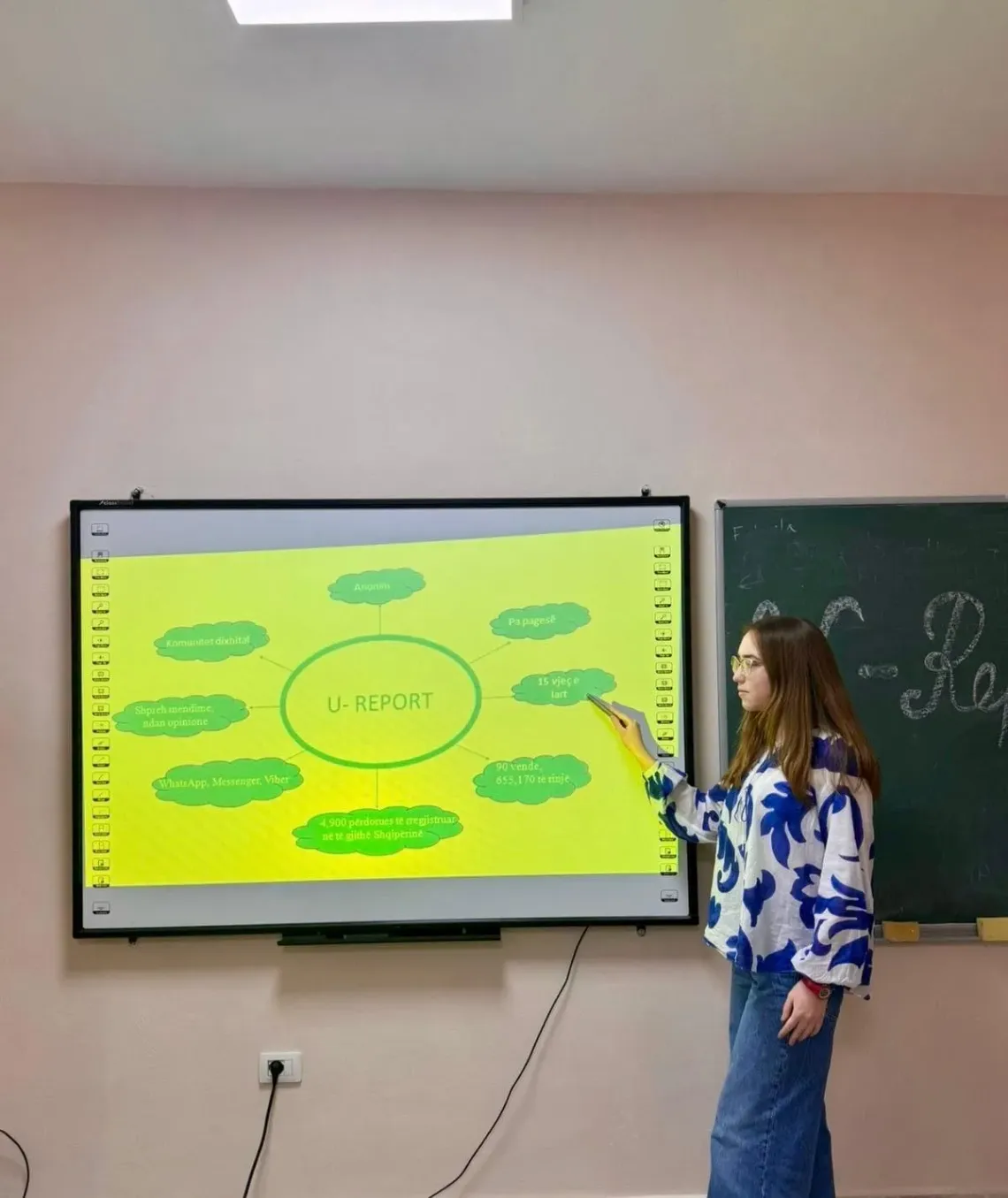
I'm a student at "Mustafa Kemal Ataturk" High School in Peqin, and I'm also part of UNICEF's Adolescent Advisory Board. In that role, I listen to other young people and speak up about what affects our education. This article explores what school is really like for us, including the good parts, the hard parts, and what we think could make it better.
Good schools aren't just about grades. They shape how we think, how confident we feel, and how prepared we are for life after graduation. In a world where computers and AI are everywhere, we can't build those skills without basics like computer labs.
In Peqin, opportunities are typically smaller than in larger cities. That is exactly why investing in our schools matters-not as a luxury, but as something every student deserves.
What Our Schools Are Missing
School should be a place to learn and grow, but our buildings often make that harder than it needs to be. Some are old and in need of repair. Heating doesn't always work well in winter. We also lack spaces for group work or after-school activities.
The biggest gap is in laboratories. Most schools in Peqin, including mine, lack them. Science remains stuck in theory; we read about experiments instead of conducting them.
I remember one class when our chemistry teacher used simple household items to demonstrate an experiment. It wasn't fancy, but it made the lesson click for me in a way reading never could. Moments like that show what's possible even without much equipment, yet they shouldn't have to be the exception.
Learning Without the Right Tools
Comfortable classrooms and functioning equipment make it easier for teachers to teach and for us to learn. Without them, it's harder to stay focused, and some subjects remain abstract rather than hands-on.
Students in Tirana or Durrës often have computer labs, internet access, and space for projects. In Peqin, we usually do not. Still, students and teachers here find ways to make it work. But it's worth asking: how much more could we accomplish with the right tools?
Artificial Intelligence: A Tool We Are Barely Using
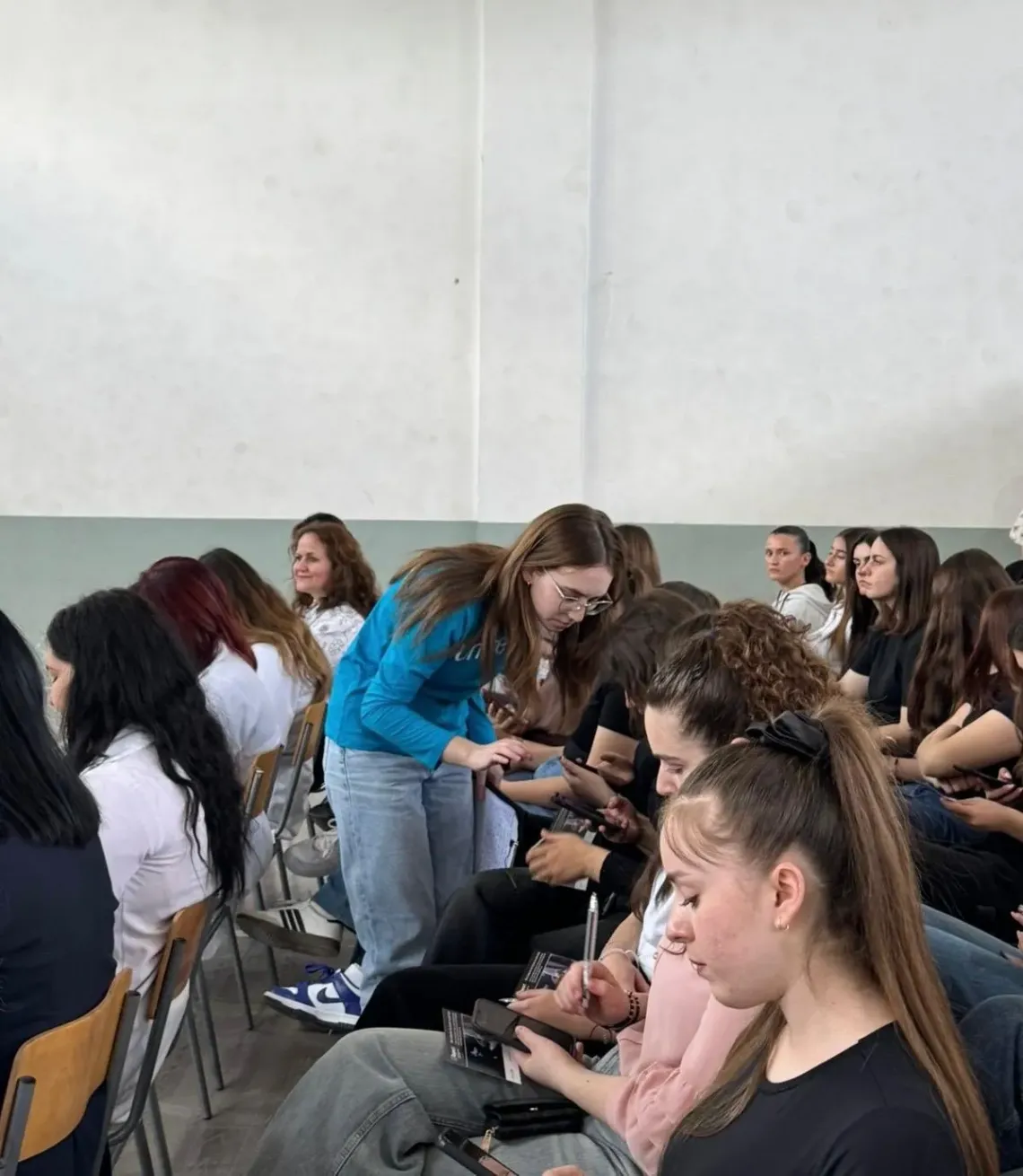
AI is already changing how young people learn, including in parts of Albania. According to U-Report Albania, 31 percent of young people use AI to learn new things, and 25 percent use it to help with schoolwork.
At my school, though, AI barely comes up. Many teachers and students lack reliable internet access or devices, let alone training on how to use them effectively. Without basic infrastructure, even the most useful technology remains out of reach.
AI has downsides too, like relying on it too much instead of thinking for ourselves. But learning to use it responsibly starts with actually having access to it.