

Gender equality: The freedom to become
Young people are leading the way toward a more inclusive world
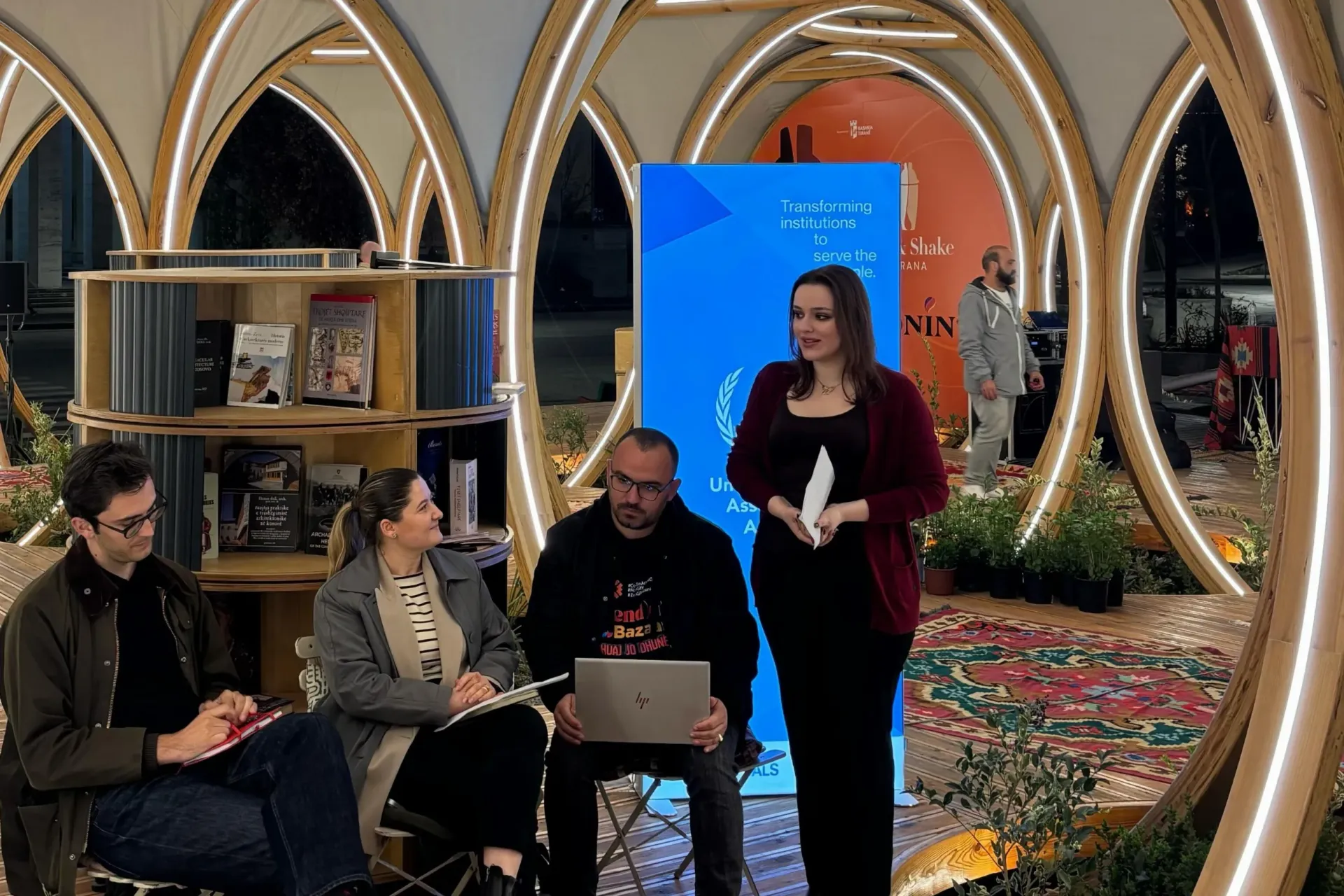
"What motivates you to advocate for human rights?" This is probably the question I am asked most often. My answer has always been the same: a belief that every person deserves the chance to live, learn, lead, and dream without being limited by their gender. If I had a magic wand, I would erase stereotypes, challenge misogyny, and ensure that every woman and girl could reach her full potential. But real change does not come from magic (how easy it would have been!) - it comes from people who refuse to stay silent. That is why I choose to use my voice: to speak up for those whose voices are ignored, especially women and girls from marginalized communities, rural areas, and those who are unfortunately living in situations of violence and discrimination. Because every time someone is told to shrink themselves, stay quiet, or lower their ambitions, we all lose something. We lose talent, leadership, innovation, and the possibility of a more equal world.
Young people understand this reality better than many give them credit for. When UNICEF Albania’'s U-Report asked young people what stands in the way of girls accessing equal opportunities, the answer was revealing. It was not a lack of talent. It was not a lack of dreams. It was not simply the absence of policies. The greatest barrier identified was social stereotypes, followed by the lack of support from families, communities, and institutions. Think about that for a moment. How many girls are told to be ambitious, but not too ambitious? To be confident, but not too confident? To dream big, but not so big that they make others uncomfortable? These findings are more than statistics. They are a reflection of the invisible rules that continue to shape people's lives long before they enter a classroom, a workplace, or a leadership position.
I have witnessed these realities firsthand. As a medical student, I have heard people, even my professors, claim that women cannot become successful surgeons because they will eventually have families to care for. I have seen patients trust men doctors more readily than women doctors. I have listened to girls being described as "too ambitious," "too outspoken," or "too independent," as though confidence were a flaw rather than a strength. I have also stood at protests against femicide, looking around and wondering why the crowd was not larger. Why is violence against women still treated as a women's issue when it is a societal issue? Why do we continue to react to tragedies instead of preventing them? These experiences have taught me that inequality does not always announce itself loudly. Sometimes it appears as a stereotype, an assumption, a joke, or a silence. Yet those small moments accumulate, shaping what people believe they can become.
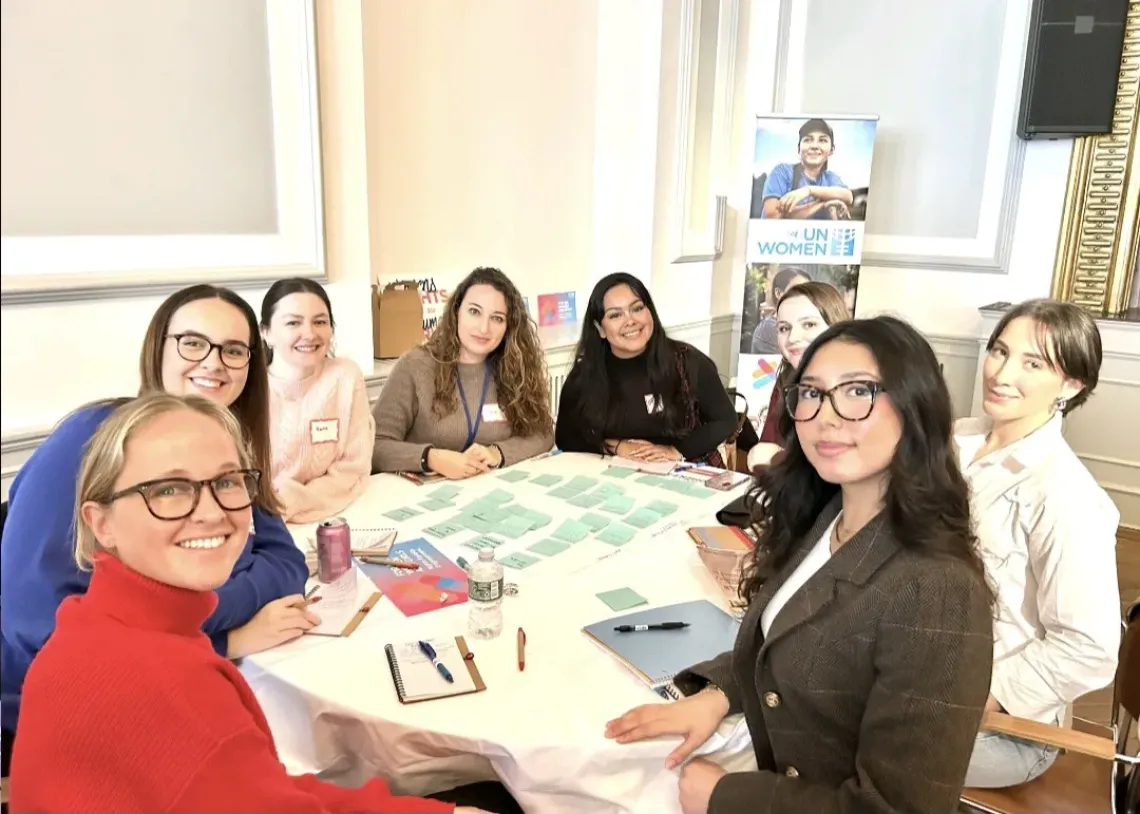
This is why it is so important to clarify what gender equality truly means. Gender equality is not about the superiority of women over men, nor is it a competition between genders. It is about equal opportunities, equal rights, and equal freedom to pursue one's aspirations. It is about creating a society where girls are not told what they cannot become and where boys are not trapped by expectations of what they must be. Because stereotypes do not only limit girls. They tell boys that vulnerability is weakness, that emotions should be hidden, and that strength must always look a certain way. They place everyone inside boxes and then call those boxes normal. But what if we stopped asking people to fit into expectations and started encouraging them to grow into their potential instead?
And this is where men and boys become essential allies. Gender equality cannot be achieved by women alone. It requires fathers who teach their sons that respect is strength. It requires brothers who challenge sexism and stop it when they see it. It requires young men who understand that equality is not something that takes away from them, but something that benefits everyone.
Encouragingly, young people are already showing us the way forward. In the U-Report poll, many identified education on equality and greater participation of girls in decision-making processes as some of the most effective ways to create lasting change. They understand that changing laws is important, but changing mindsets is transformative. After all, if stereotypes are learned, they can also be unlearned. If prejudice can be passed down through generations, so can equality.
My generation does not want a future defined by stereotypes, discrimination, or violence. We want a future where talent matters more than gender and where every young person can reach their full potential. But that future will not arrive on its own. It depends on whether we are willing to challenge ideas that have gone unquestioned for too long. It depends on whether we choose courage over comfort and action over indifference. So I leave you with a question: What kind of world are we creating when we teach people who they should be instead of helping them discover who they can become? Gender equality is not a women's issue or a men's issue, it is a human issue. And if there is one thing young people are proving every day, it is that the next generation is not waiting for change. We are becoming it. You can become too. Today.
