Saving Mothers and Newborns
How Training and Essential Equipment are Transforming Care in Health Centres

For Suhaila, becoming a midwife was more than a profession. It was a childhood dream driven by a passion to help mothers and newborns survive and thrive. Today, as the Head Midwife at Guzara District Hospital in Herat Province, she has devoted nearly 11 years to providing life-saving care to women and babies.
“I always wanted to be a midwife,” says Suhaila. “I enjoy my work because every day we have the chance to help mothers and save newborn’s lives.”
In 2024, Suhaila participated in a six-day Skills Training Laboratory for Maternal and Newborn Care in Kabul, supported by UNICEF and the Asian Development Bank (ADB). The training enhanced her ability to manage maternal and newborn complications and equipped her with practical skills that she could immediately apply in her daily work.
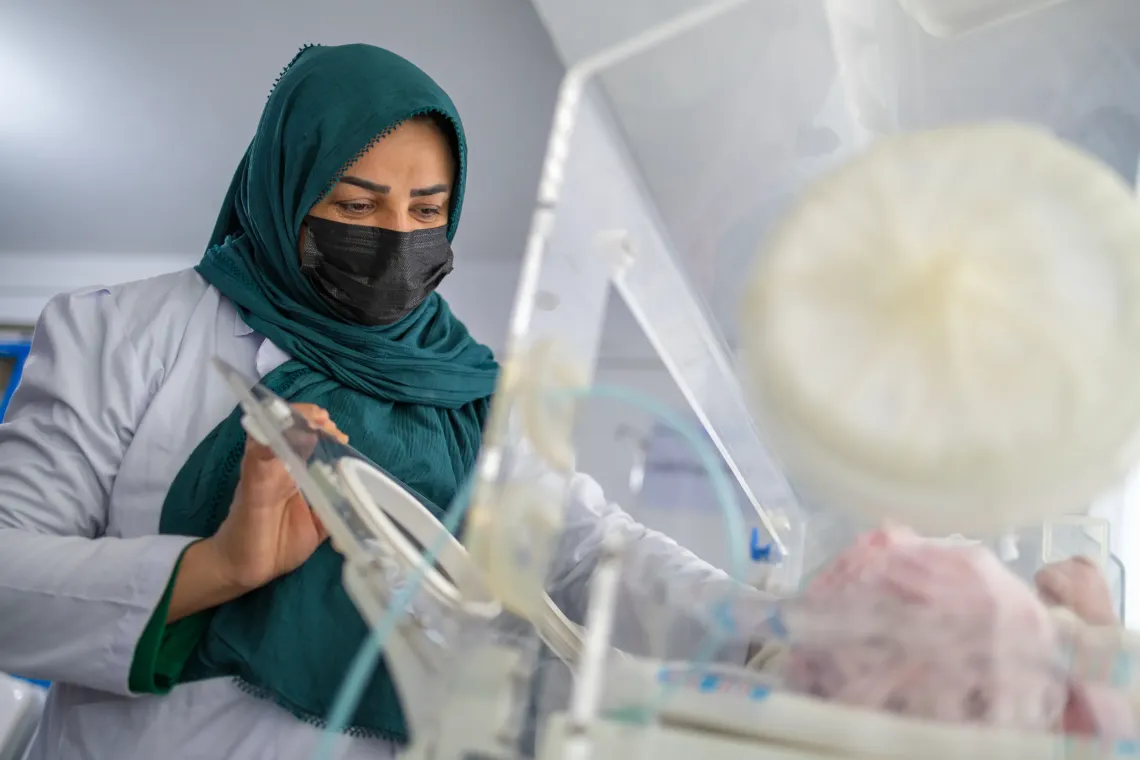
The impact of the training became clear soon after her return.
A woman arrived at the hospital suffering from severe postpartum haemorrhage (PPH), number one leading cause of maternal deaths in Afghanistan. Drawing on the knowledge and skills she had gained during the training, Suhaila quickly stabilized the patient and helped save her life.
“For the first time I could manage an excessive bleeding after delivery case with confidence using the skills and knowledge to save the mother's life,” she recalls.
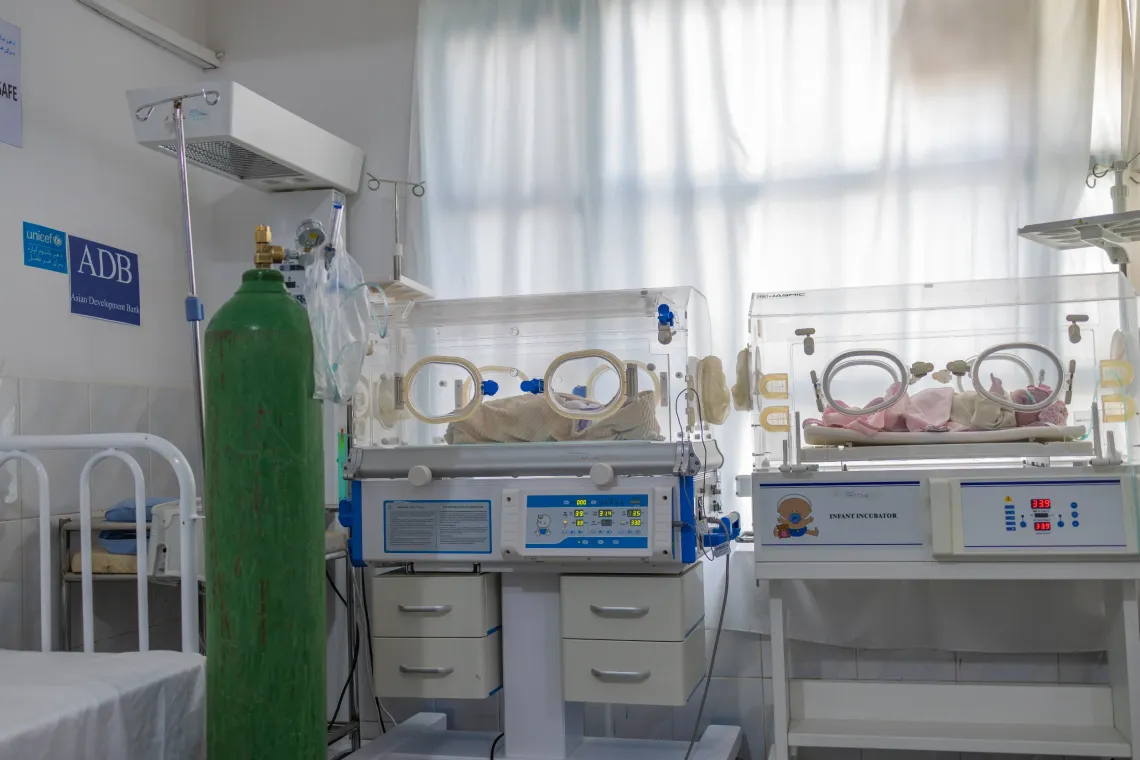
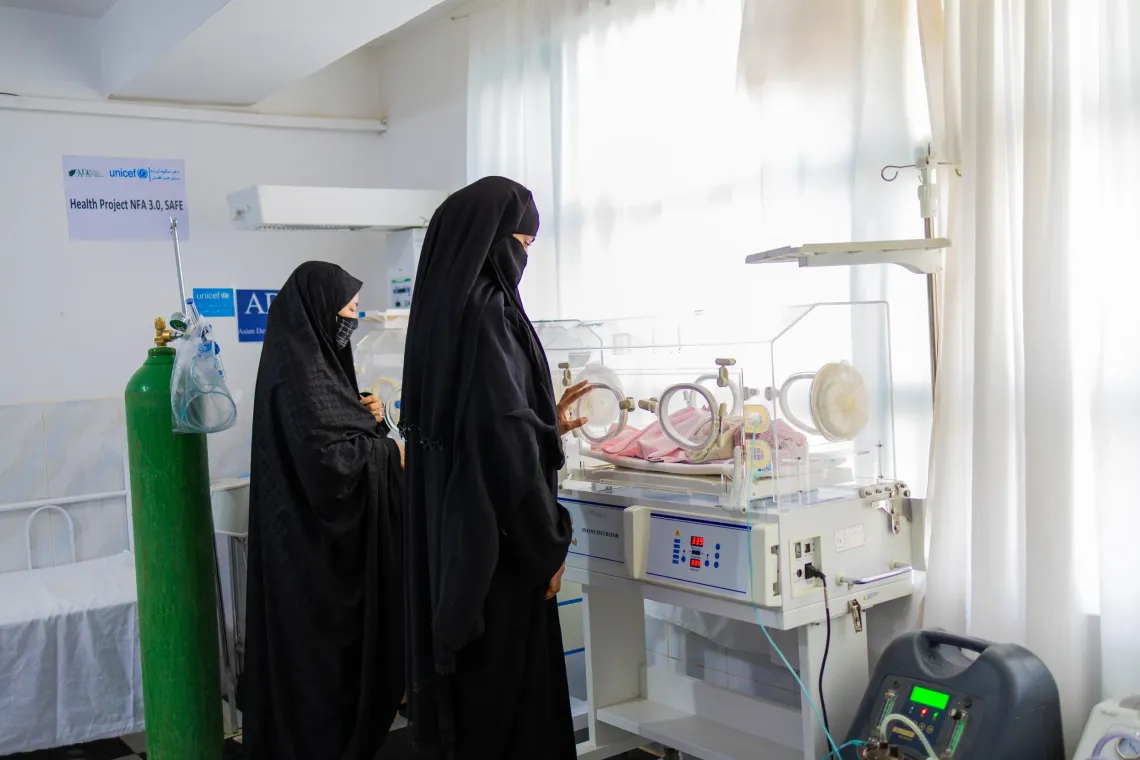
As part of the initiative, ten Mini Skills Laboratories have been established within selected health facilities. These laboratories provide ongoing mentoring and hands-on training for doctors and midwives on quality antenatal care, safe childbirth practices, postnatal care, essential newborn care, and family planning services.
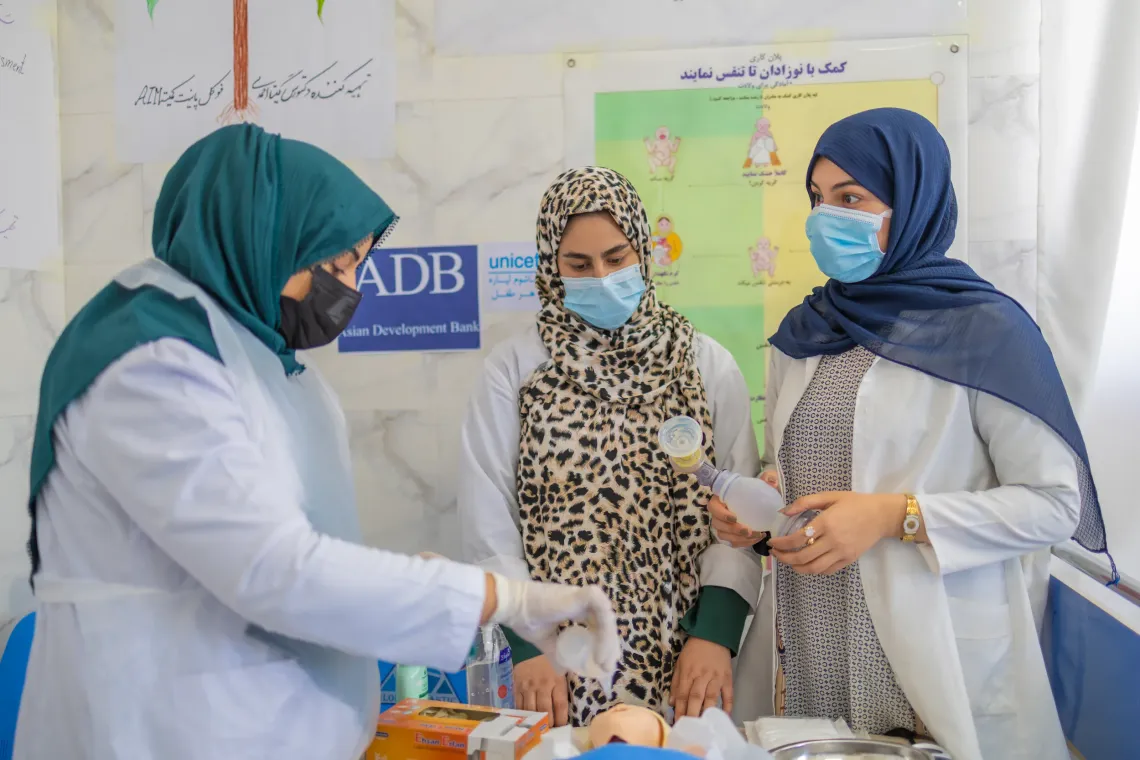
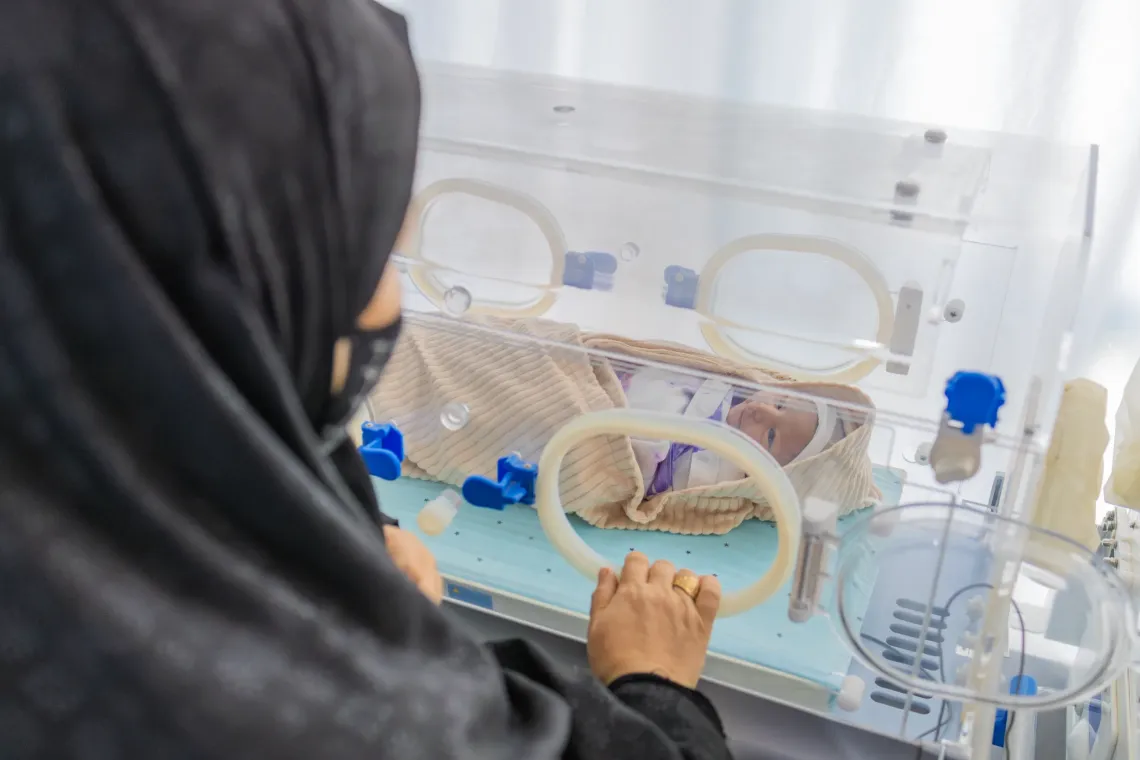
With support from the Asian Development Bank (ADB), UNICEF’s High Impact Value Added (HIVA) project is improving maternal and newborn healthcare in 55 district hospitals. The project strengthens the skills of doctors, midwives, and other health workers through training, mentorship, and supervision. It has also established 10 mini skills labs and provided life-saving equipment, such as incubators, which keep newborns warm and protected, oxygen concentrators helping patients who have difficulty in breathing, and Continuous Positive Airway Pressure (CPAP) devices, to help care for premature and sick newborns. By improving services, equipment, and the use of health data, the project is helping mothers and newborns receive better care and increasing their chances of survival and healthy growth.
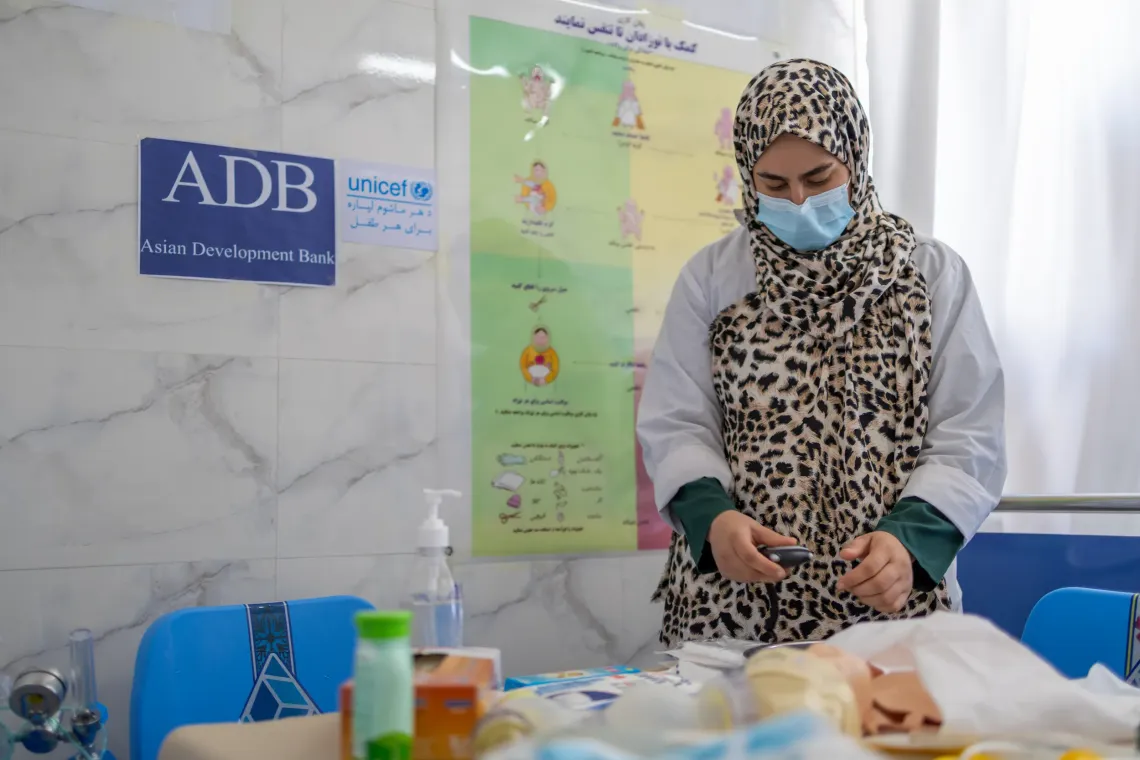
“I am learning so many things from Midwife Suhaila in this skills laboratory,” says Nabila, one of her colleagues.
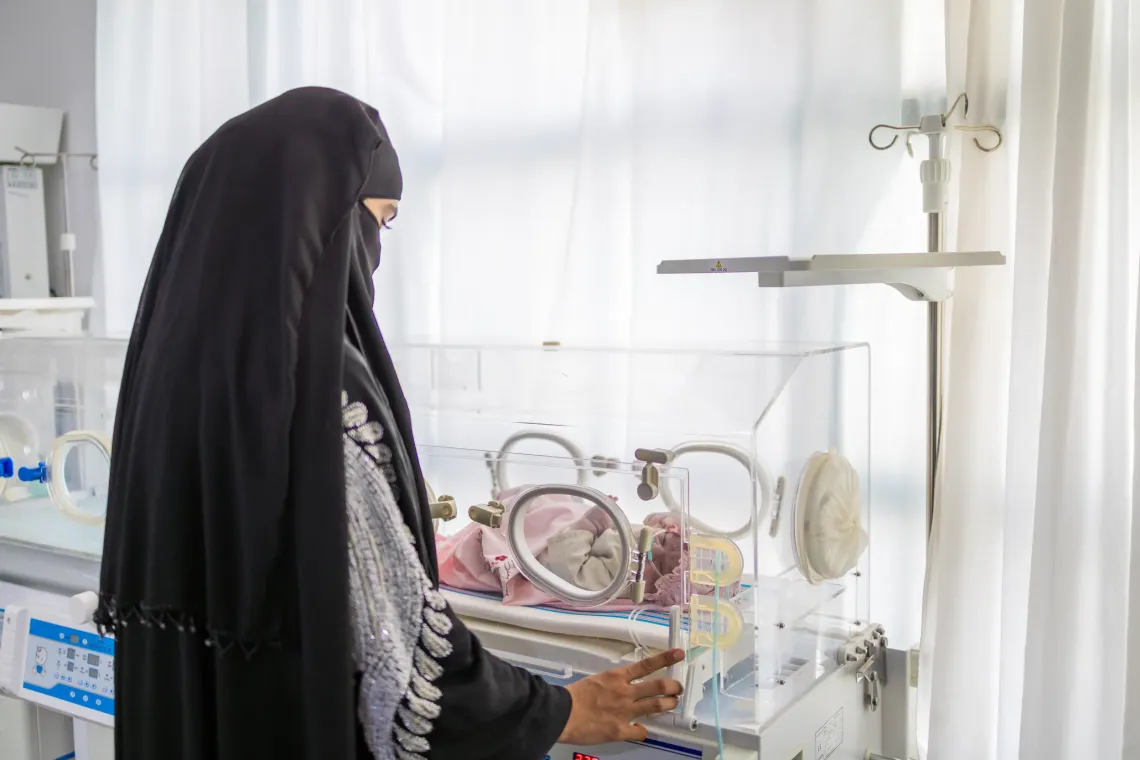
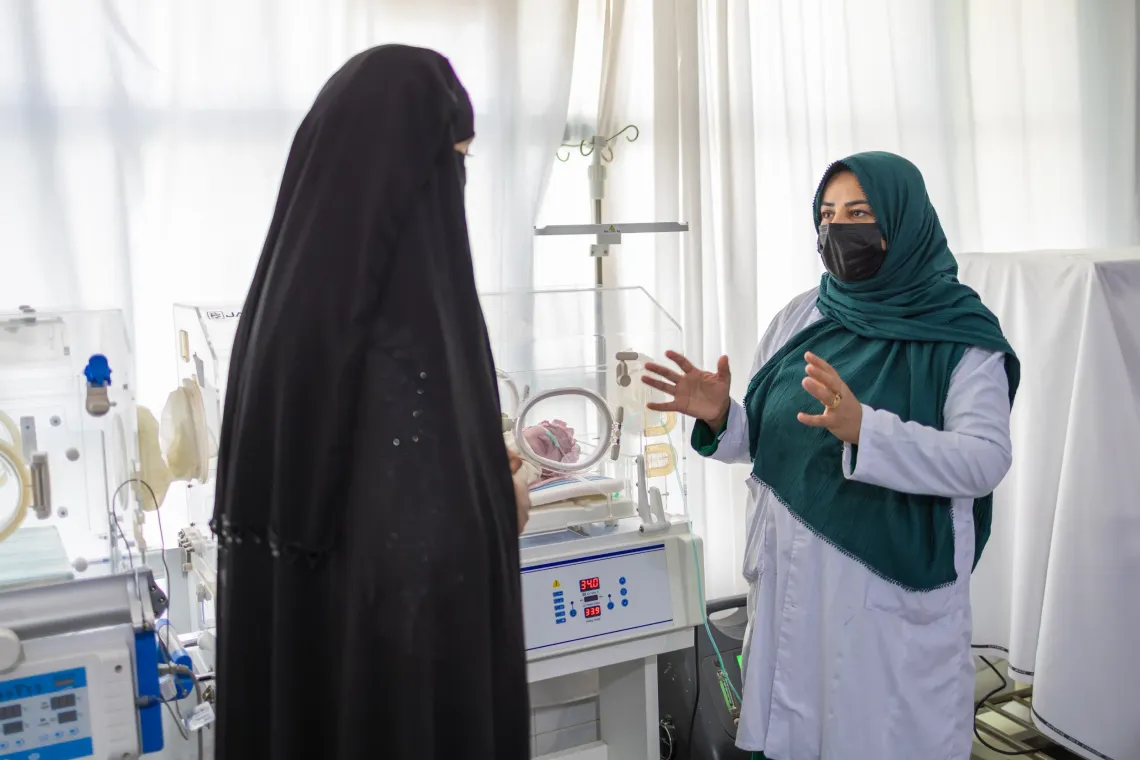
“I don’t know how to thank everyone in the hospital,” says the aunt of a newborn who required specialized support. “These machines helped save my niece’s life.”
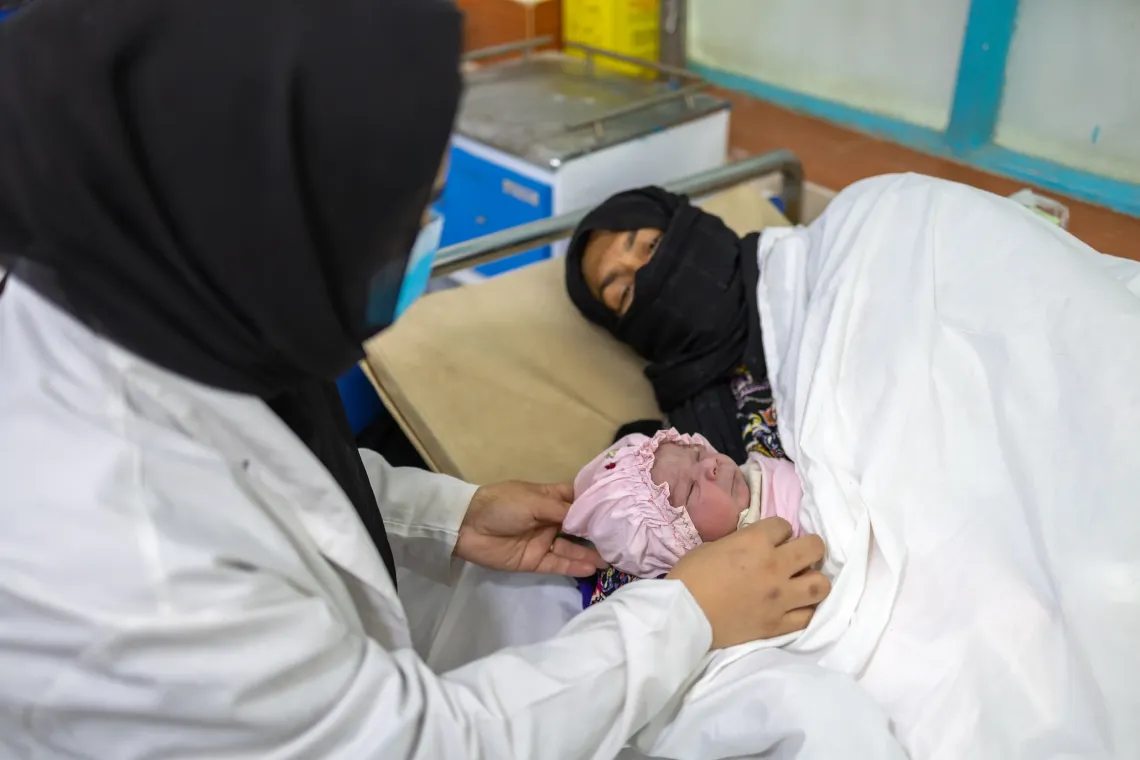
“I cannot believe that I see my baby healthy and alive,” says the newborn baby’s mother.
Another grandmother, whose granddaughter Nilofar received lifesaving care, echoes the same gratitude.
“Nilofar is alive now. It is a miracle. I cannot express how thankful I am to everyone in this hospital," adds Fatima.
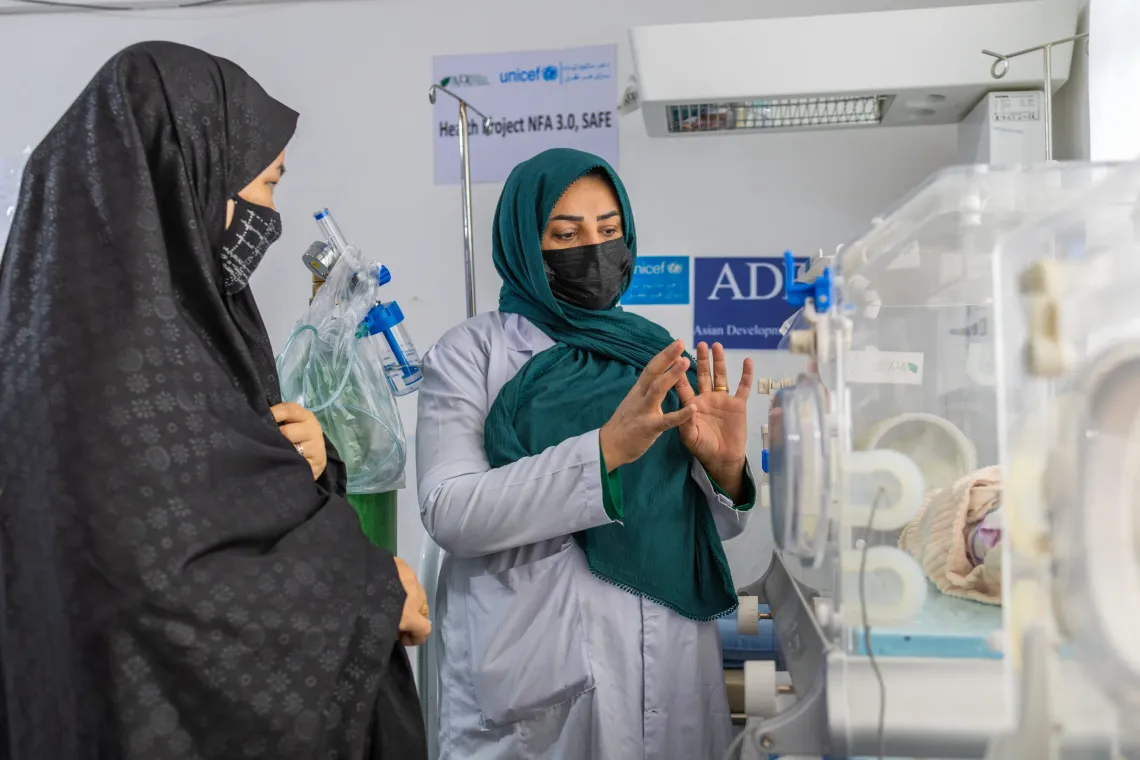
For Suhaila, stories like these are a powerful reminder of continuous learning and investment in healthcare matters.
“Before the training, I did not know how to use incubators properly. Now I can use it to help save newborn babies’ lives,” Suhaila says.
From life-saving training to essential medical equipment, investments by UNICEF and the ADB are strengthening maternal and newborn healthcare in Afghanistan. By empowering skilled health workers like Suhaila, these efforts are helping ensure that more mothers survive childbirth and more newborns are given the healthy start they deserve.