Inspired by His Mother, Serving His Community: The Making of a Health Champion
Two Generations, One Mission

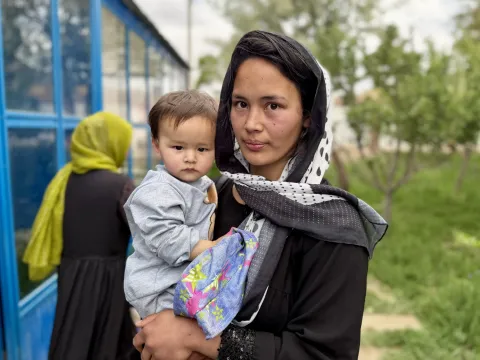
In a remote and underserved community of Spinboldak district in Kandahar, where access to healthcare remains a persistent challenge, Bibi Halima and her son Shamsullah stand as beacons of hope. As a widowed mother of seven and a dedicated Community Health Worker (CHW), Bibi Halima balances family responsibilities with her commitment to serving the health needs of her community. Together with her son Shamsullah, who serves as the male CHW at the same health post, they work as a community health team to reach women, men and children with essential health services.
After receiving UNICEF-supported Community-Based Health Care training and a CHW kit, she began providing essential services to 190 households in her health post catchment area. Each day, she visits families to share messages on maternal, newborn and child health, communicable diseases and hygiene; identifies pregnant women and refers them for antenatal care (ANC) and facility-based delivery; and follows up with caregivers of children who have not received any vaccination. She also organizes monthly women’s meetings, creating a trusted space to discuss health concerns and reinforce key messages.
At the same time, Shamsullah works with men and boys in the community, helping them understand how to keep their families healthy and encouraging them to seek medical care when it is needed. “Every day, I see how small actions can make a big difference for families in my community. By visiting households, talking with mothers, encouraging pregnant women to seek care, and helping children receive their vaccinations, I can support families to protect their health. I am proud that people trust me to listen to their concerns and guide them to the care they need,” says Bibi Halima.
Her work also includes the early identification and management of mild and moderate diarrhoea and acute respiratory infections (ARI). As a female health worker, Bibi Halima plays a particularly important role in reaching women and girls who may otherwise face barriers to accessing health information and services. Working alongside her, Shamsullah complements these efforts by engaging male family members and supporting household-level health promotion, helping ensure that health messages reach the wider community.
Inspired by his mother’s commitment, Shamsullah has strengthened his own dedication to serving the community.
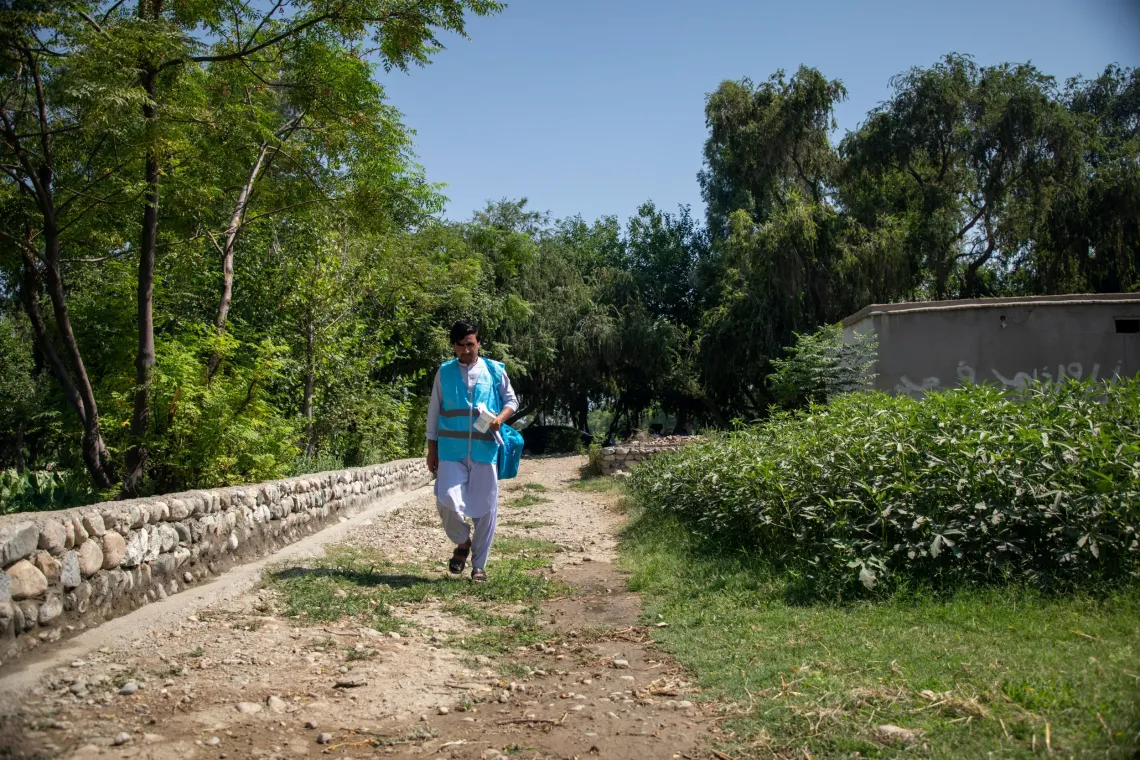
“My mother has shown me that serving your community is not just a job it is a responsibility. I have seen how much people trust her and how her support can make a real difference in their lives. She inspires me to do my part, especially by reaching men and families with health information and encouraging them to seek care when they need it. I want to continue learning from her and serving our community with the same dedication,” says Shamsullah.
Together as CHWs at the same health post, Bibi Halima and Shamsullah facilitated 287 referrals of women and children to health facilities over the past six months, including for ANC, postnatal care, skilled delivery, immunization, nutrition care, ARI, diarrhoea and suspected tuberculosis and malaria.
“Sometimes, I worry about mothers who develop complications during pregnancy or childbirth and need urgent care but cannot reach the health facility because there is no reliable transport. If we can ensure timely referral transport and responsive care at the hospital, families will have greater confidence in seeking care, and more mothers and newborns can be protected.” says Bibi Halima.
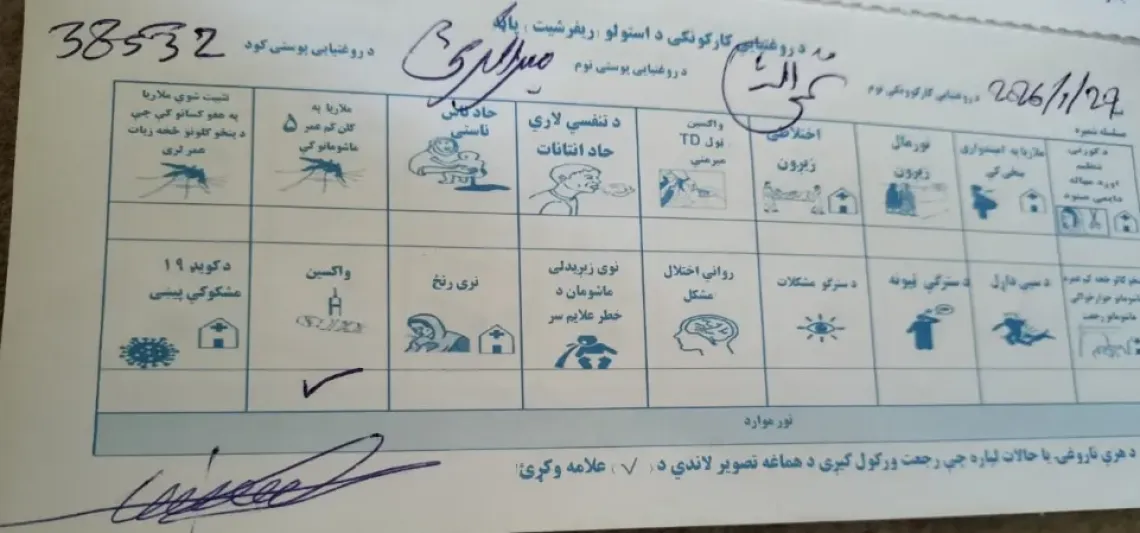
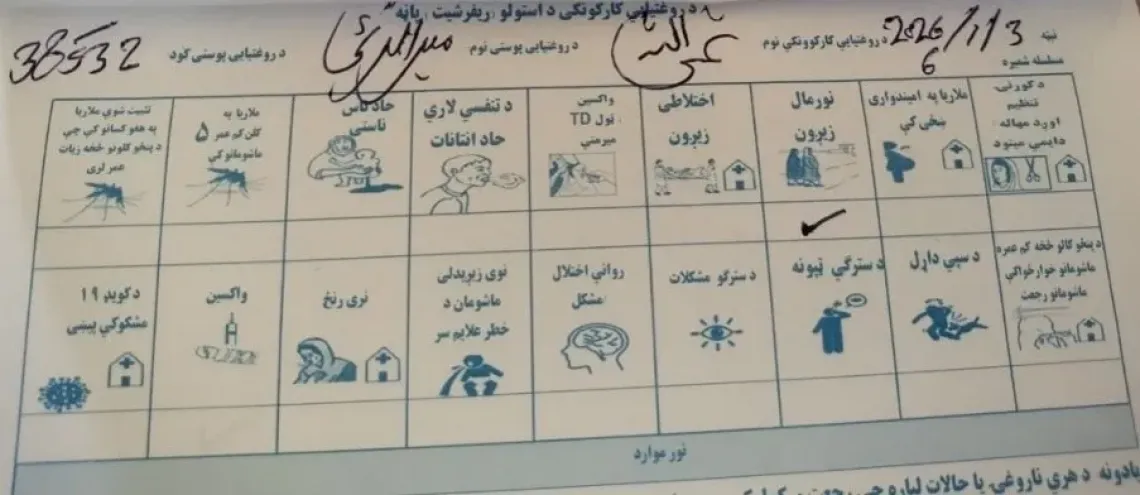
Regular supplies and appropriate recognition, including performance-based incentives for volunteer CHWs, would further support her work, strengthen motivation and improve community uptake of health services.
Bibi Halima’s story is one of resilience, dedication and impact. Through UNICEF-supported community health initiatives, CHWs like her receive training, supervision, reporting tools and essential commodities to deliver preventive and promotive services to remote communities. Strengthening referral mechanisms, supply chains and incentives will help sustain their role as a vital link between families and the formal health system. During a supervisory visit, she demonstrated strong knowledge of her role, effective case management skills and well-managed supplies. For Bibi Halima, every healthy mother, vaccinated child and family empowered with knowledge is a reminder that her work matters.
The delivery of basic health services in Kandahar is supported by the Asian Development Bank (ADB) as part of its support to 17 provinces across Afghanistan.