Equal Access, Safe Care: Putting Gender and Protection at the Heart of Healthcare in Afghanistan
Lessons from a joint health facility visit in Bamyan Province

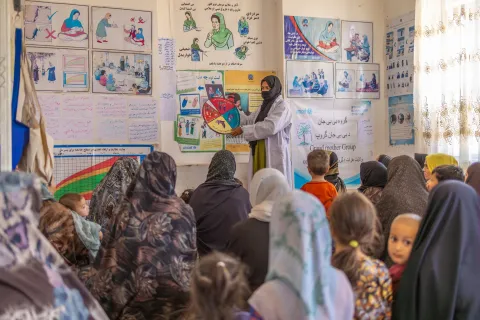
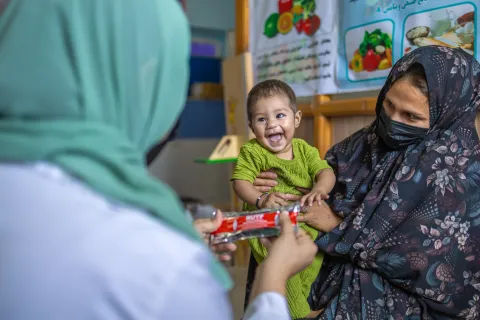
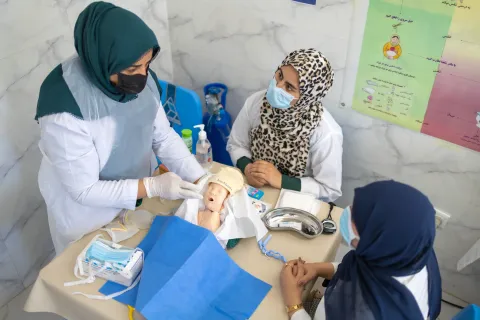
Quality health care is more than medicines, equipment and trained staff. In Afghanistan, it also depends on whether women can safely reach services, whether female health workers are available, and whether patients trust the system that serves them. A joint visit to Haidar Abad Basic Health Centre (BHC) and a Topchi Sub-Health Centre (SHC) in Bamyan Province in June 2026 demonstrated how gender equality and Protection from Exploitation and Abuse are integral to ensuring access, quality and trust in health care. Supported by UNICEF under the Asian Development Bank (ADB)-funded Strengthening Access to Essential Food Security and Health Services (SAFE) Project, the facilities serve diverse communities, including returnees.
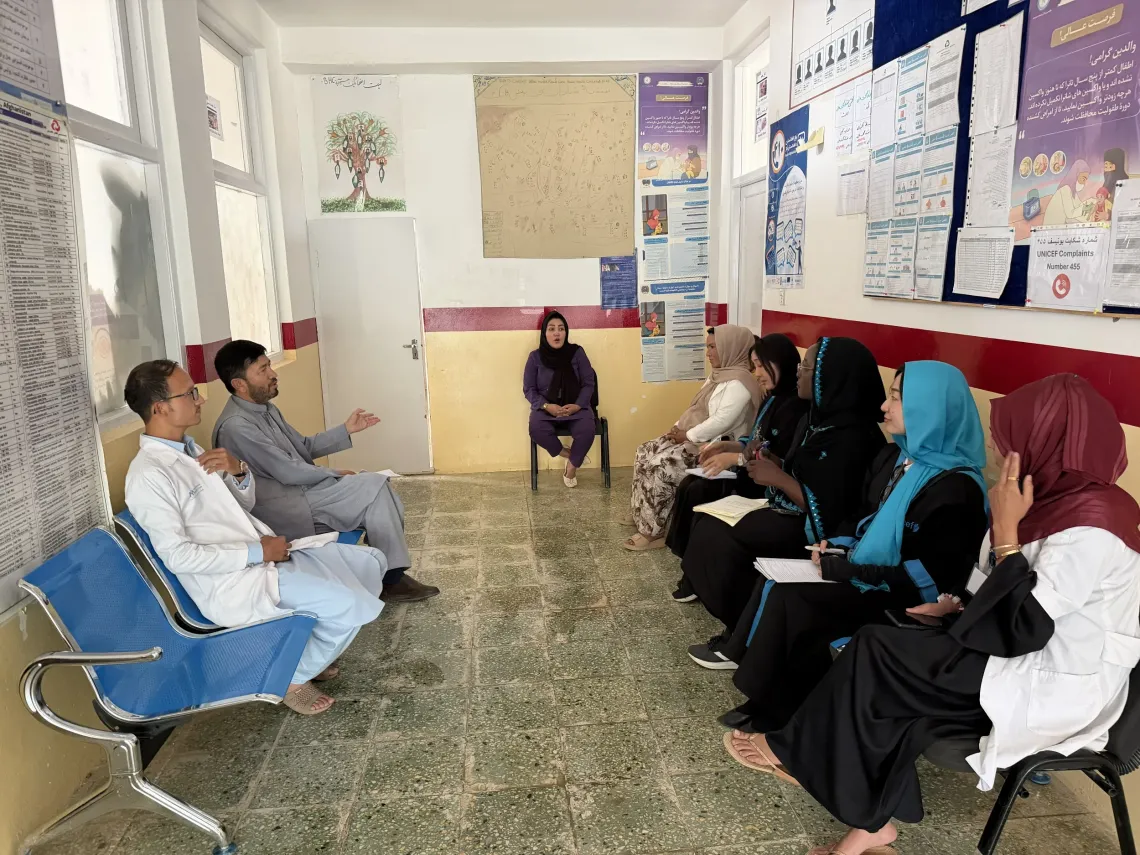
The visit explored how health services are accessed and experienced by women, children, caregivers and health workers. Discussions with facility staff highlighted that access to care is shaped by multiple factors, including decision-making autonomy, distance, transport, and social norms, and restrictions affecting women's mobility. Mahram requirements, under which women may be expected to travel with a male family member, can further influence women's ability to seek care. The availability of female health workers remains particularly important, reflecting strong cultural preference for gender-concordant care. Health workers described how the availability of a female vaccinator can influence service utilization, with lower vaccination uptake reported in some communities, including Tajik communities, when only a male vaccinator is available. This illustrates how gender considerations can directly affect access to and utilization of essential health services.
The visit also highlighted the importance of creating health facilities that respond to the needs of both service users and health workers. The absence of dedicated breastfeeding and childcare spaces was identified as a challenge not only for female staff, but also for women seeking care. For mothers attending health facilities with young children, the absence of such spaces can make visits more difficult and less comfortable. Female health workers similarly noted the challenges of balancing clinical responsibilities with caregiving duties, including childcare responsibilities at home and travel for night duty. Addressing these practical barriers can improve both the patient experience and staff retention, particularly as restrictions on girls’ education and medical training are constraining the future pipeline of female health workers.
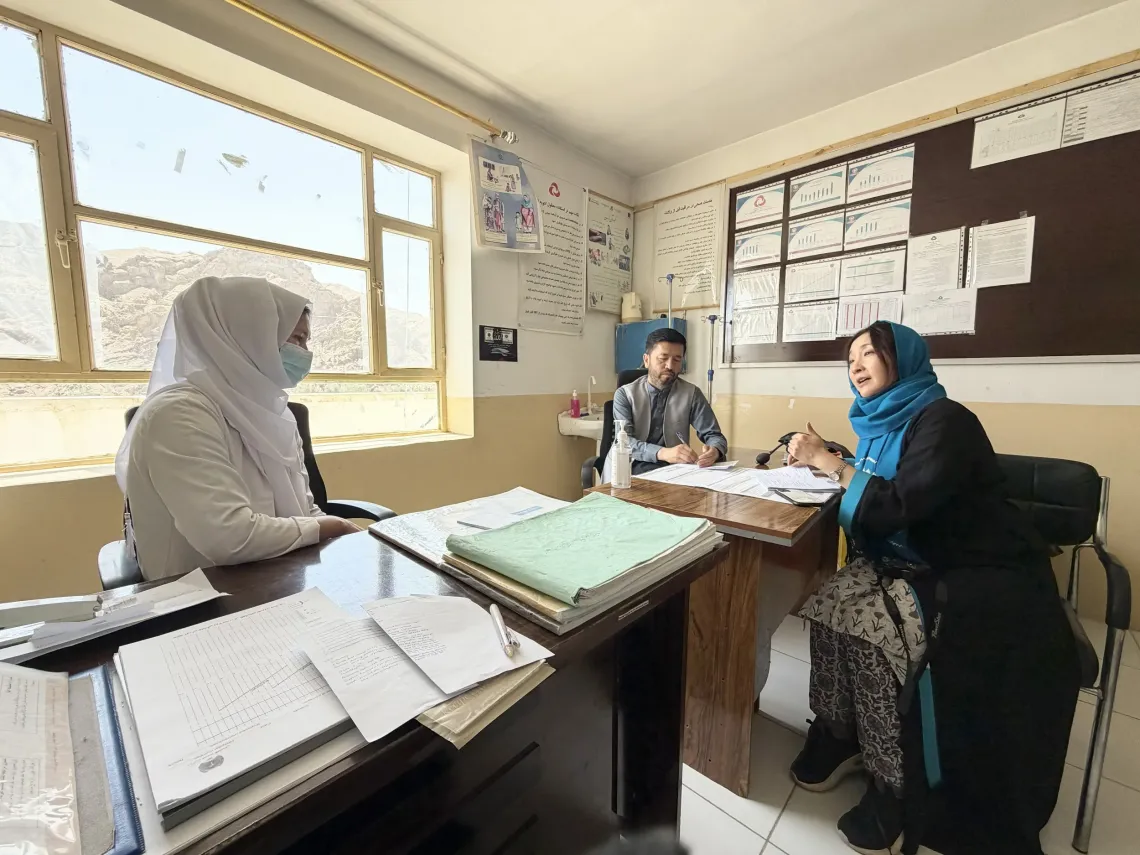
UNICEF's support through the SAFE Project goes beyond service delivery. By strengthening gender-responsive health services, supporting the health workforce and promoting facility improvements that respond to community needs, UNICEF helps create conditions that enable women and children to access care with dignity and confidence. These efforts contribute to stronger primary health care systems and improved service utilization.
Building on these gender considerations, safeguarding through Protection from Exploitation and Abuse further strengthens trust in health services. Staff demonstrated general awareness of reporting mechanisms, and UNICEF Afghanistan continues to support capacity-building, clearer roles, and accessible reporting pathways. Embedding Safeguarding into routine health service delivery helps foster safer environments for patients and health workers while reinforcing respectful, survivor-centred care.
As Catherine Makoni, Gender Programme Specialist, noted, “everything in health service is strongly connected to gender.”
The Bamyan visit demonstrated that gender equality and PSEA are not stand-alone priorities. They are essential components of resilient primary health care systems. By addressing barriers faced by both communities and health workers, UNICEF and its partners are helping ensure that health services are safer, more equitable, and more responsive to the needs of women, children, and vulnerable populations across Afghanistan. Investments in gender-responsive and safeguarded health services strengthen community trust, improve access and utilization, and contribute to more resilient health systems in a challenging context.