Afghanistan to Face Sharp Rise in Acute Malnutrition in 2027, with Over 4 Million Children projected to be in Need of urgent Treatment.
Of these, more than 1 million children are expected to suffer from the most severe form of malnutrition.
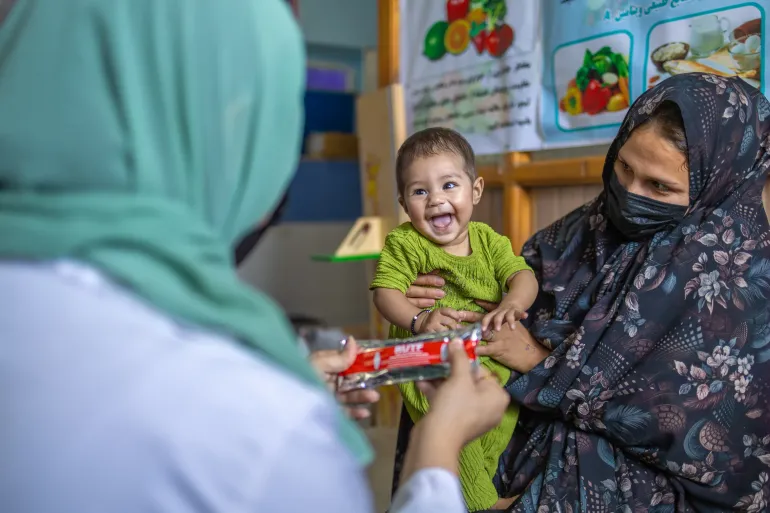
KABUL, 15 October 2026 – UNICEF and Action Against Hunger, chair and co-chair of the Afghanistan Nutrition Cluster, warned today that acute malnutrition is worsening across Afghanistan, with over 4 million children expected to require treatment in 2027, the highest number recorded in the past five years.
The latest Integrated Phase Classification (IPC) for Acute Malnutrition, released today, shows the situation next year is expected to worsen. The number of provinces facing critical levels of malnutrition has increased from 7 in 2025 to 10 in 2026 and is projected to reach 14 in 2027 — more than one-third of Afghanistan’s provinces. The 2027 prediction reflects the impact of a seasonal rise in malnutrition, as well as an anticipated funding cliff that could reduce access to preventive nutrition services and disrupt life-saving treatment for children who need it most.
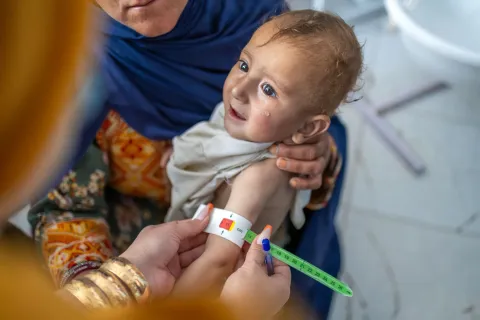
The IPC analysis shows that the most severe form of acute malnutrition is also rising fastest. An estimated 1.09 million children are projected to suffer from severe acute malnutrition in 2027, a 16 per cent increase from 2026, while nearly 3 million children are expected to experience moderate acute malnutrition. Behind these figures are children at greater risk of illness, developmental delays and, in the most severe cases, death if treatment is not available. Nearly 1.3 million pregnant or breastfeeding women are expected to suffer from malnutrition in the same period.
Multiple factors are driving this worsening crisis. For too many families, putting nutritious food on the table and accessing safe water is becoming harder. Only one in three children aged 6 to 24 months currently gets the right combination of nutritious foods to support their healthy growth and development.
Meanwhile, recurrent outbreaks of acute watery diarrhoea, measles and other preventable illnesses are increasing the risks, while nearly half of households in Afghanistan struggle to access adequate and safe water.
Cross-border disruptions have also affected the availability of essential nutrition supplies, placing additional pressure on an already overstretched response, and delaying children’s access to life-saving nutrition commodities.
“We know what works, and we know that early action saves lives. What is needed now is sustained, predictable investment to keep nutrition, health and WASH services within reach of the children and families who need them most. I have seen the resilience of families, and we need to match this with early detection, availability of nutrition commodities and treatment,” says UNICEF Afghanistan Representative Dr. Tajudeen Oyewale.
Some of the highest levels of acute malnutrition continue to be recorded in the South, where growing needs are outpacing the services available to families, leaving children and pregnant and breastfeeding women increasingly vulnerable.
“I recently visited Helmand, in Southern Afghanistan, where nutrition services have come under enormous pressure. Treating severe malnutrition saves children's lives and remains essential, but we should not wait until a child is fighting for their life before acting. Real success is measured by how many children we can prevent from becoming severely malnourished in the first place. That is the path to a healthier future for Afghanistan's children," says Cobi Rietveld, Action Against Hunger Country Director in Afghanistan.
The Nutrition Cluster warns that without urgent and sustained funding, acute malnutrition will likely worsen further. Immediate investment is needed to maintain life-saving food, nutrition and health services, alongside safe water, sanitation and livelihood support, to meet immediate needs while addressing the underlying drivers of malnutrition.
Timely funding now can prevent further deterioration, protect essential services, and reduce the human and financial cost of responding later.
Media contacts
About UNICEF
UNICEF works in some of the world’s toughest places, to reach the world’s most disadvantaged children. Across 190 countries and territories, we work for every child, everywhere, to build a better world for everyone.
UNICEF has been in Afghanistan for over 70 years. For more information about UNICEF and its work for children in Afghanistan, visit https://www.unicef.org/afghanistan/ or follow us on X, Facebook, Instagram or subscribe to our YouTube channel.