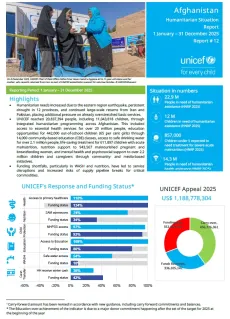
UNICEF Afghanistan Humanitarian Situation Report: 1 January - 31 December 2025
Situation Report #12
About
Highlights
Humanitarian needs increased due to the eastern region earthquake, persistent drought in 12 provinces, and continued large-scale returns from Iran and Pakistan, placing additional pressure on already overstretched basic services.
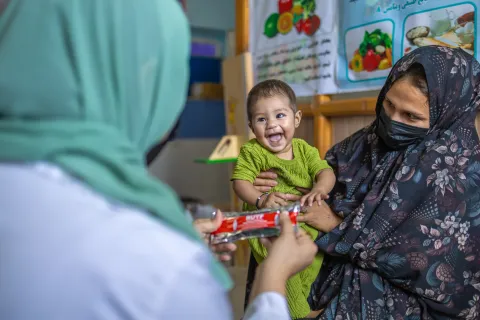
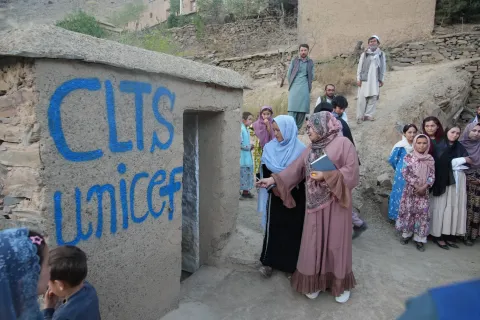
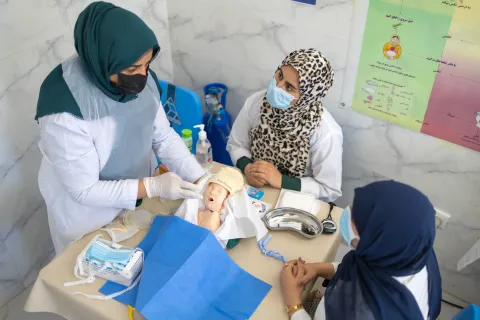
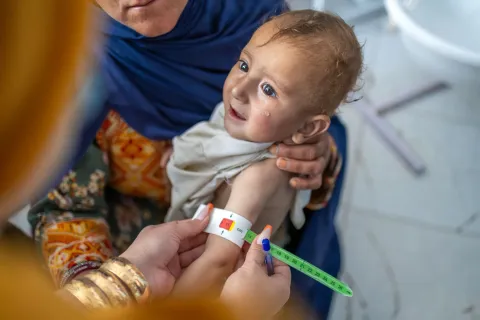
UNICEF reached 20,837,394 people, including 11,043,818 children, through integrated humanitarian programming across Afghanistan. This included access to essential health services for over 20 million people, education opportunities for 442,000 out-of-school children (65 per cent girls) through 14,000 community-based education (CBE) classes, access to safe drinking water for over 2.1 million people, life-saving treatment for 611,897 children with acute malnutrition, nutrition support to 943,567 malnourished pregnant and breastfeeding women, and mental health and psychosocial support to over 2.2 million children and caregivers through community- and media-based initiatives.
Funding shortfalls, particularly in WASH and nutrition, have led to service disruptions and increased risks of supply pipeline breaks for critical commodities.