Tool: Using, maintaining and replacing supplies
With a bit of effort, you can make sure that your supplies last for a longer time – and can be easily replaced

Your supplies won’t last forever! Many will run out, some may become damaged, and others may be lost or stolen. With a bit of effort, you can make sure that your supplies last for a longer time – and can be easily replaced.
Maintaining supplies
Use your supplies! The whole point of having supplies is to use them. Integrate them into your activities with adolescents and don’t hide them away to keep them in perfect condition or worry about ‘spoiling’ items. Use your supplies carefully… but have fun with them too!
Take good care of your supplies: The key to enjoying your supplies for a longer time is taking good care of them. Try to handle them responsibly, keep them clean, and make sure they are returned to their containers/kits after use. Make it routine to check on the condition of the items and to look for cracks, tears, sharp edges or other damage so that you can make repairs (if possible), or discard the damaged supplies.
Store your supplies somewhere safe: Make sure that you store your supplies somewhere indoors where they are safe from theft, and where they will be protected from rain, snow, high or low temperatures and dew. You can either lock the supply bags/containers themselves or put them in a cupboard or room with a lock.
Keep an inventory: Some of your supplies will be used up faster than others. Keep an inventory so that you can keep track of items that go missing, become damaged or run low. This will help you to replace supplies before they run out, and to repair those that are damaged. See Tool: How to make and use an inventory log.
Involve adolescents! Adolescents can and should play a key role in taking care of supplies, including storing them safely and transporting them. Work together to decide on ground rules for managing the supplies and then post those rules somewhere visible to everyone. Appoint volunteers to collect supplies at the end of each activity session and to manage the inventory.
See Tool: Creating ground rules for managing supplies and also the Manage Supplies guide.
Get the most out of your supplies: Do your best to use your supplies to the fullest and don’t waste anything. For example, use both sides of flip-chart paper, keep pencil stubs that still write, and find creative ways to use up scraps of paper in projects or artwork.
Be prepared: Many of the consumable items in the Supply Kits (such as pencils and paper) may run out within three months of activities with the Adolescent Kit. Be ready to replace them or to come up with alternative materials at that point.
Replace supplies locally: As much as possible, try to replenish supplies locally. This is usually much faster, cheaper and better for the environment than ordering supplies from external sources. Make sure that replacement supplies meet quality standards for safe use and are culturally appropriate.
Replace items externally: Certain supplies may be unavailable locally and may need to be purchased externally. Work with your Supply Office or liaise with UNICEF to order those items. Make sure to do so well in advance of when you will need them, as delivery may take a long time.
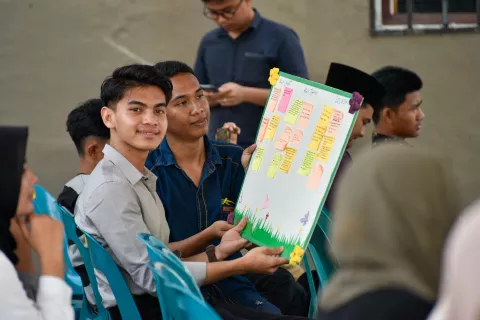
Involve adolescents! Encourage adolescents to come up with creative ideas for replacing supplies. For example, run a competition for adolescents to design new Supply Kits, or conduct a brainstorming session on recycling local materials to use as supplies.
See Activity guide: Brainstorming solutions, possibilities and project ideas.
See Tool: Creating your own supplies for more guidance on replacing supplies.



Highlights
Your supplies won’t last forever! Many will run out, some may become damaged, and others may be lost or stolen. With a bit of effort, you can make sure that your supplies last for a longer time – and can be easily replaced.