Young People Driving Transformative Innovations to tackle Climate Change
During the 2023 Zimbabwe International Trade Fair (ZITF), UNICEF hosted a Youth Innovation Challenge on #ClimateSmartAction.

The expectations were high.
At the Bulawayo-hosted2023 Zimbabwe International Trade Fair (ZITF) in the United Nations Pavillion, a sizeable crowd from various sectors waited patiently to listen to groundbreaking and innovative ideas to be presented as part of the Youth Innovation Challenge on Climate Smart Action.
Before the event, young people between the ages of 10-24 from Bulawayo were called to submit their innovative ideas to tackle climate change. The top three solutions were invited to pitch them on #ClimateChange before a panel of expert judges. The top three presented their pitches and received constructive feedback promoting the sustainability of their projects. The three groups were Emenites-Petlizer, BYO Green, and Carbonless Checkout.
UNICEF is listening! Every idea and solution to tackle the climate crisis is critical to UNICEF's efforts to pave a brighter and greener future for every child. Every idea submitted reflects children and young people's desire and eagerness to act and be agents of change.
The event brought together key partners from the government of Zimbabwe, private-sector, and youth-led organisations to create a platform to meaningfully engage and empower children and young people to be at the forefront of creating climate-smart solutions.

Emenites-Petlizer is a 100% nature-friendly organic top-dressing fertiliser made from decomposed waste, mainly plastic waste. The fertiliser addresses pollution from plastic waste and promotes healthy crop growth, improving food security.


BYO GREEN is a mobile application that seeks to train users to effectively continue their horticultural production while using as little water as possible. It is intended to solve the problem of limited access to quality horticultural education by providing a comprehensive and practical learning experience. The app also delivers specific benefits such as step-by-step tutorials, personalised advice, and a community forum for real-time feedback. By using the app, one will gain the knowledge and skills needed to adapt to the impacts of climate change and improve food security.

Carbonless Checkout is an innovative digital receipt system that reduces paper waste, harmful chemicals, and cluttered drawers. The system saves time and space and promotes eco-friendliness and adaptation to climate change. With secure and accessible digital receipts, users can easily track purchases, manage expenses, and reduce environmental impact. Ideal for eco-conscious consumers and sustainability-focused businesses, the paperless receipt system will contribute to a greener and brighter future.

The panel of five judges consisted of Egline Tawuya, UNICEF Programme Specialist Climate and Environment; Ethel Bangwayo, UNDP Economist; Justice Zvaita, Zimbabwe Climate Change Coalition Program Manager; Ruth Ncube, Zimbabwe Youth Council Provincial Manager; and Tatenda Mutasa, MECHTI Climate Change Scientist. The teams were judged using six criteria: pitch performance, usability, profitability, adaptability, viability, and scalability. After much deliberation, Carbonless Checkout won the Youth Challenge.

Babra Rwodzi, The Deputy Minister of the Environment, Climate, Hospitality, and Tourism Industry, thoroughly impressed by young people's passionate and innovative ideas, asserted the government's increased desire to surge youth engagement on this issue. "As the leaders and key decision-makers, we have an important role in creating a collaborative environment that allows children and young people to thrive and participate in issues that affect them and their future. There is an urgent call to address the climate change crisis."

Zeinab Adam, UNICEF Zimbabwe Representative, during her closing remarks, added and reinforced UNICEF's role in supporting the government of Zimbabwe to ensure children's concerns are reflected in the climate change agenda.
“UNICEF reiterates is commitment to strengthen strategic public, private and youth partnerships to harnessing and unleashing the potential of young people to accelerate climate action”

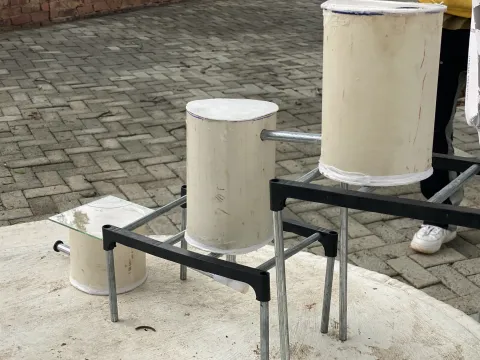
UNICEF also exhibited at the ZITF under the theme Youth in Climate Change Innovation, where Zambezi Ark, Generation Unlimited winners, had the opportunity and platform to showcase their climate innovation and flagship product, the Chigubhu Lantern. Chigubhu lanterns are LED solar rechargeable lanterns made from electronic waste houses in plastic bottles.