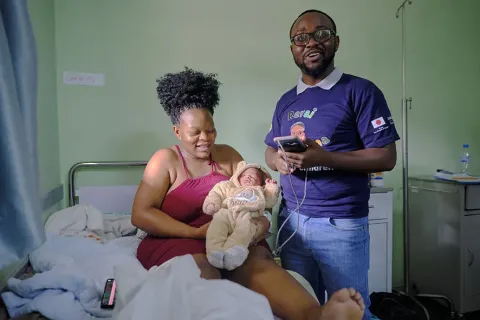
Project helps young victims of sexual violence overcome trauma in Bulawayo
“My daughter is slowly becoming herself again. The other day, I was helping her compile a document for a club she has set up at school to support other girls.
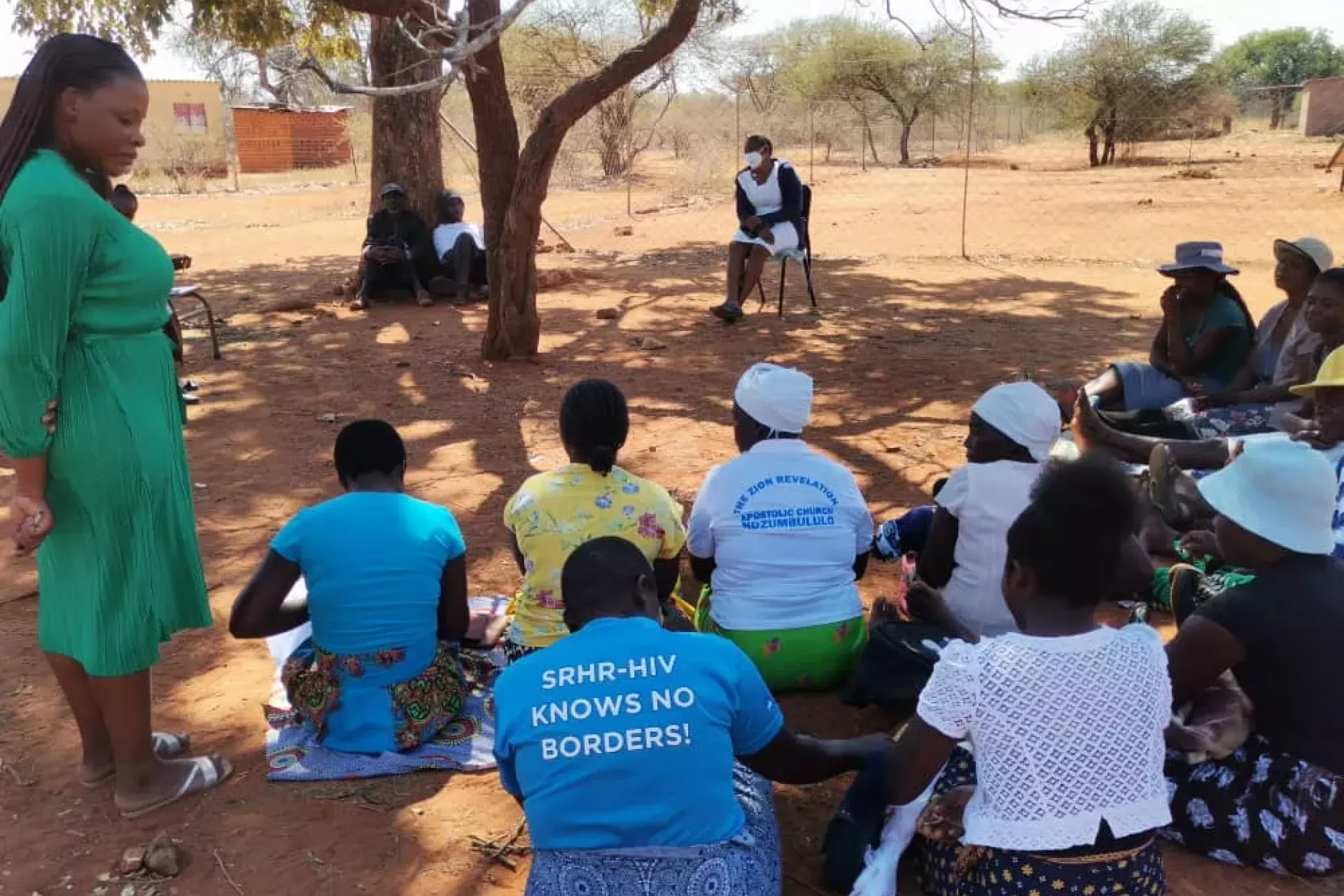
Beatrice Ncube* was devastated when her 14-year-old14-year-old daughter fell pregnant after she was abused while visiting a relative.
Ncube said her daughter Nothando* from Bulawayo’s Nketa 9 suburb was sexually abused by a 16-year-old son of her aunt’s co-tenant, who threatened to kill the victim if she told anyone about the incident.
The abuse only came to light when Nothando fell ill and was taken to hospital, where it was discovered that she was 17 weeks pregnant.
Ncube admitted that she was overwhelmed by what had befallen her daughter and struggled to cope until the case was referred to the Department of Social Development and the Regional Psychosocial Support Initiative (REPSSI) for psychosocial support.
REPSSI), which is implementing the Integrating Child Protection in Emergency Response, WASH, Cholera and Climate Change Emergency Response project together with the Ministry of Public Service and Social Welfare with support from UNICEF and funding from USAID/BHA and ECHO, has been helping many children in Nothando’s situation.
The project is part of efforts to mainstream child protection preparedness in WASH and health systems in Beitbridge, Bulawayo, Harare, and Chitungwiza.
Musasa Project and the Family Support Trust implemented the project in Beitbridge and Harare.
Nothando was assisted in getting a court order to terminate the pregnancy and had been undergoing therapy together with her mother. mother
Ncube said she has seen significant improvement in the way her daughter is handling the trauma after she started attending the REPSSI therapy sessions.
“She is now back at school and says she wants to be a journalist,” she said. “Before the therapy sessions, she had become very reserved, cutting off all her friends at school and even isolating herself at home.”
“My daughter is slowly becoming herself again. The other day, I was helping her compile a document for a club she has set up at school to support other girls.
I am truly grateful to UNICEF and REPSSI for the support they have provided us. I will certainly recommend their services to other families facing similar challenges.
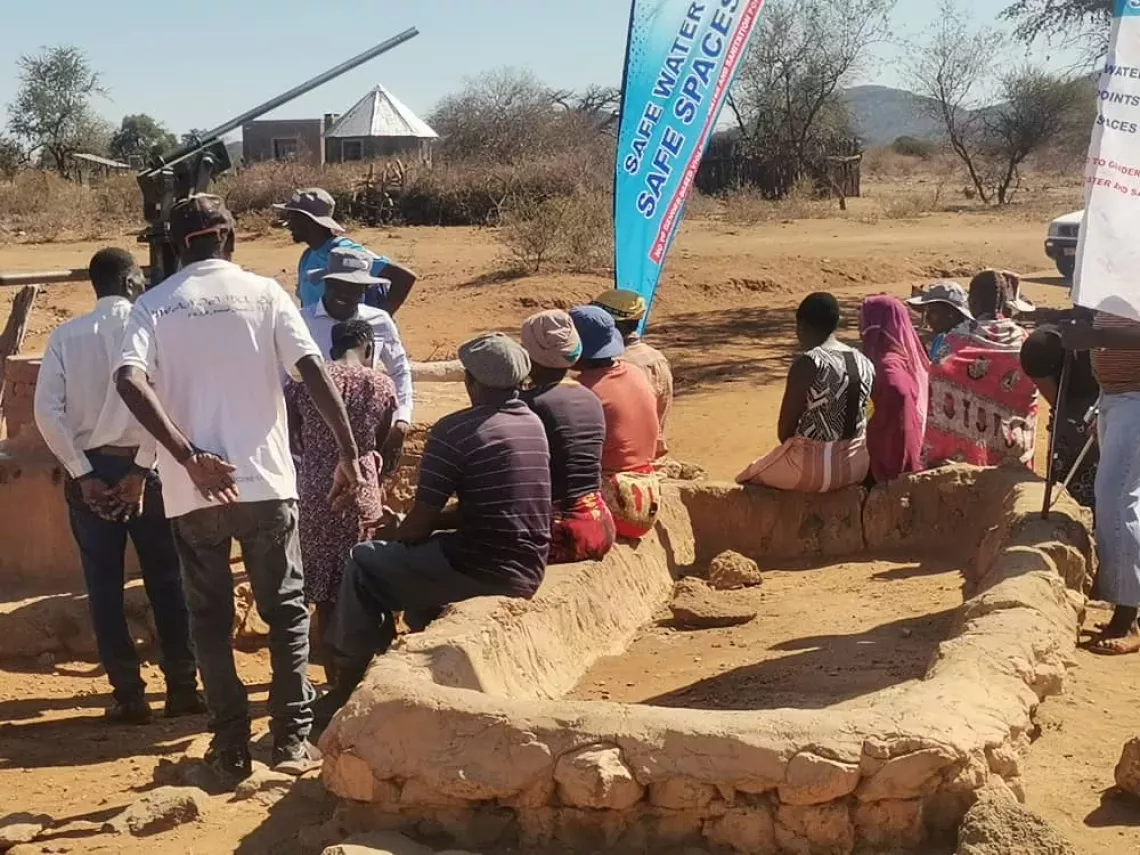
Parenting after trauma
Nyasha Muchemwa, a REPSSI programmes coordinator, said Nothando’s story demonstrated the project’s impact on families dealing with the abuse of children, which has become rampant due to social pressures such as economic hardships.
“With UNICEF support, REPSSI interventions not only address the survivor's individual needs but also recognise the impact of trauma on family relationships,” Muchemwa said.
“By facilitating dialogue between Nothando and her mother, the REPSSI officer helped them to improve their communication, offering the mother educational insights into the challenges of parenting after trauma.”
During the counselling sessions, the girl revealed that her mother appeared to be blaming her for the rape and often compared her with her siblings, which made it difficult for her to open up about the abuse.
“REPSSI played a crucial role in helping Nothando understand that her mother's reactions, while hurtful, may stem from her pain and confusion surrounding the traumatic event,” Muchemwa said.
“Such therapeutic guidance is instrumental in rebuilding trust and promoting healing within the family unit.”
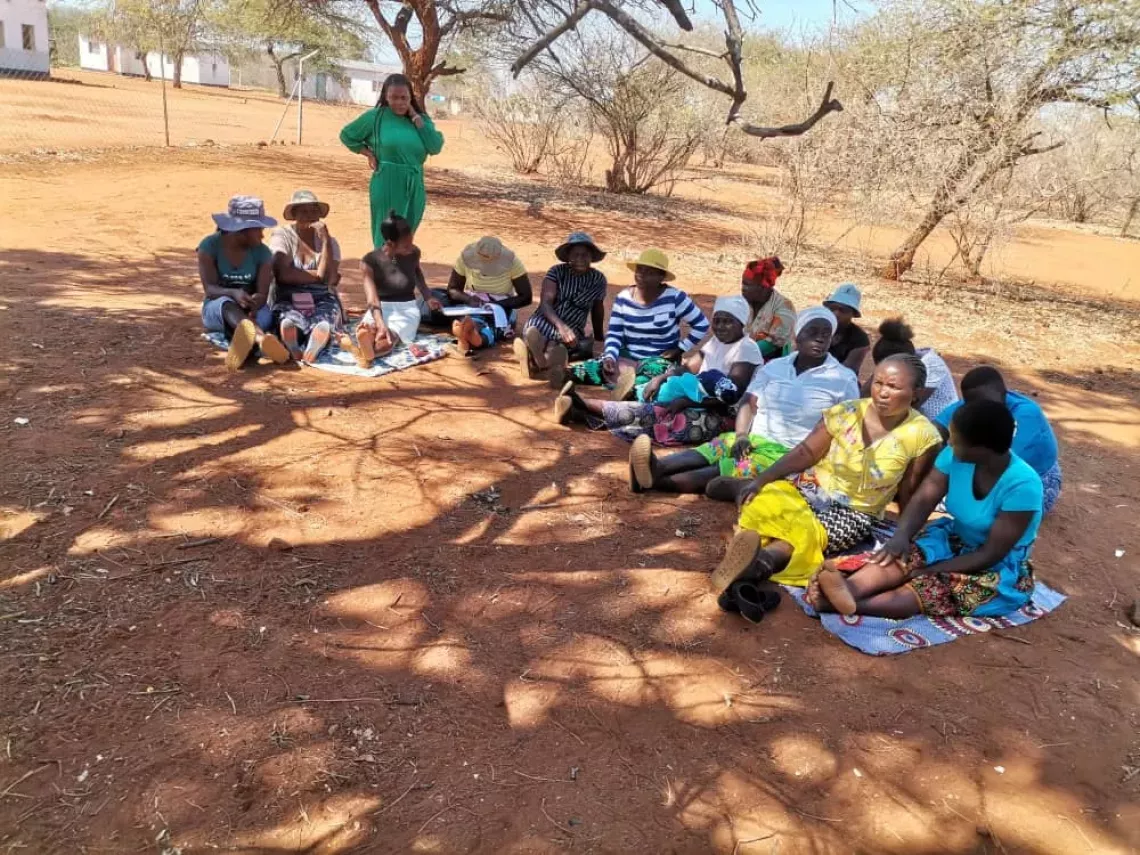
Supportive framework
REPSSI’s intervention focuses on WASH, cholera, and climate change emergencies in Bulawayo, Harare and Chitungwiza.
In cases like that of Nothando, victims of sexual abuse are assisted in accessing essential medical services and effectively engaging with the justice system.
“To further enhance support, home visits were conducted to evaluate Nonthando's living environment and assess any additional needs she might have,” Muchemwa said.
“This comprehensive evaluation aimed to inform the development of a detailed care plan tailored to Nothando's unique circumstances.
“By addressing her mental health and psychosocial needs, as well as any practical aspects of her daily life, REPSSI created a supportive framework that promoted her overall well-being and resilience in the face of adversity.
“The transformation in her relationship with her mother, shifting from blame to support, highlights the lasting impact of effective psychosocial support.”
Tapiwa Chikohwe, the district social development officer for Fort Street in Bulawayo, said cases of child abuse were on the increase in his area, and this made the support from UNICEF in building the capacity and competence of the social welfare workforce to manage child protection preparedness critical.
UNICEF’s intervention has helped mainstream child protection and disaster preparedness in WASH and health systems, targeting institutions and people who deliver humanitarian assistance.