

A name, a need: Noluthando’s quiet fight for dignity in Mpandeni East
“They asked me what Noluthando likes, what makes her smile,” she says, tears welling up. “Nobody had ever asked that before.
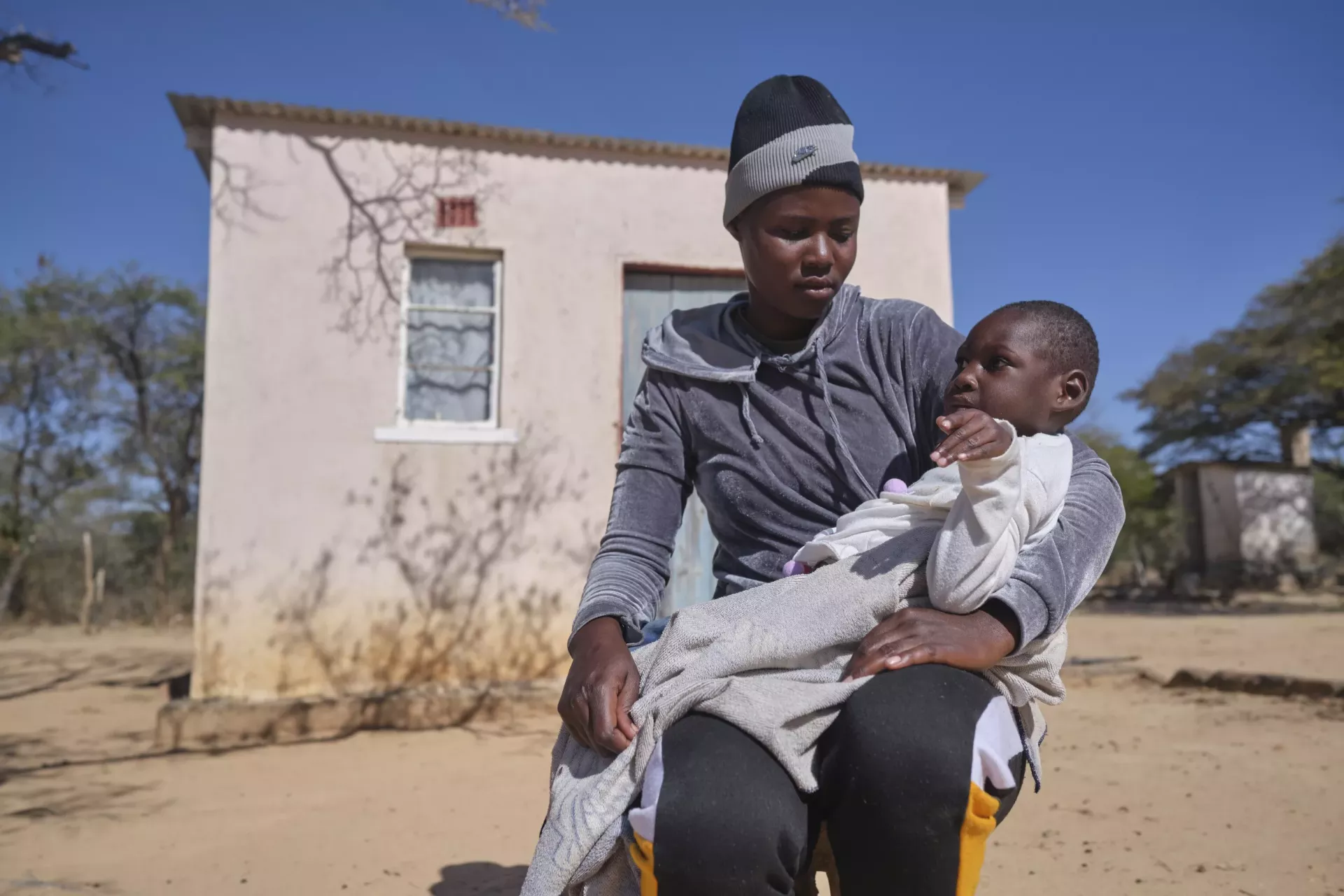
IN Mpandeni West, Mangwe District, Matabeleland South Province, a community is learning a powerful lesson in care and dignity from one of its youngest members. Four-year-old Noluthando Ncube, who is deaf and unable to walk, sit, or use her hands, is entirely dependent on her family for her every need. With quiet strength, her 20-year-old mother, Shyline Ncube, endures the daily sacrifices, holding her daughter and shining a light on the challenges faced by children with disabilities in their community.
“People used to look at her and say nothing. Now, they are starting to ask how she is. That means everything,” Shyline shares.
This glimmer of hope has come through a transformative initiative by the Ministry of Public Service, Labour and Social Welfare, with support from UNICEF, to test a disability assessment protocol of conducting community outreach fares to identify, assess, and determine disability status in a rural community of Mangwe. Thanks to the funding from SIDA through the Child Protection Fund (CPF) and the UNICEF Child Protection Global Thematic Pool. The initiative's ultimate goal is to bring disability assessments to the doorsteps of rural communities and reduce barriers to disability-inclusive services—especially for children like Noluthando.
Previously, families had to travel long distances to Plumtree, navigating multiple departments to access basic disability assessments. For Shyline, such a journey was unimaginable. Raising three young children alone, two of them her siblings—after Noluthando’s father left for Botswana—she struggles to meet daily needs, let alone afford R100 for transport to take Noluthando to Plumtree District Hospital for physiotherapy.
Thanks to this outreach model, disability assessment teams came directly to the people, setting up temporary hubs to assess and provide some medication and therapies in local wards like Mpandeni East. The team also offered various disability services, including assessments for inclusive education, referrals, psychosocial counselling, and more.
This initiative represents a whole-of-government approach, led by the Ministry of Public Service, Labour and Social Welfare, in collaboration with the Ministries of Health and Education, the National Social Security Authority (NSSA), Organisations of Persons with Disabilities, and various Civil Society Organisations. Together, they form a multidisciplinary team committed not just to identifying disabilities—but to unlocking support.
For Shyline, the change is more than procedural—it’s deeply personal. “They asked me what Noluthando likes, what makes her smile,” she says, tears welling up. “Nobody had ever asked that before. It was like now she mattered.” And now, for the first time, she is.

Noluthando needs a wheelchair, nappies, and a diet she can safely swallow. She also requires physiotherapy—available free at Plumtree District Hospital—but unreachable without transport support. Most of all, she needs to be seen, heard, and valued. “She cannot speak, but I know when she’s happy,” says Shyline as she feeds Noluthando. “This screening has made her happy. Because now we know—we are not invisible.”
On the second day of screening, dozens of children were assessed. Volunteers helped caregivers complete forms, translate information, and find reassurance. One mother whispered, “It feels like we matter, we are also people and important people in society, forsociety, for people to come to us.”
Disability in rural Mangwe has long been cloaked in silence—taboo, misunderstanding, and shame. But this initiative is rewriting that narrative.
What began as an outreach activity has become something more: a declaration that every life is worth showing up for. For one little girl in Mpandeni East, that marks the beginning of a new kind of future.
Mrs Madel Ngwenya (62), a respected Mangwe Community Childcare Worker, offered a heartfelt reflection on the transformation unfolding in her district.

“When I first heard about this outreach, I honestly didn’t believe much would come of it. We’ve seen too many promises that never reach our people. But this time, it’s different. For a child like Noluthando, who has spent her whole life hidden by distance, poverty and disability, this programme is bringing light. They didn’t wait for her mother to walk miles to Plumtree—they came right here, asked real questions, and treated them with dignity.”
She continued, her voice filled with emotion.
“This is not just about services. It’s about reminding families like Shyline’s that they are seen, that their children matter. As someone who’s worked in this community for years, I’ve never felt more hopeful. This programme—led by our government with support from UNICEF is showing us what true inclusion should look like. We are hopeful that this will bring the much-needed help and services for persons with disabilities.”


