Learning on the Move: Children in Zimbabwe enhance Climate Education Through Travel and Tourism
Bringing Zimbabwe’s heritage-based curriculum to life through climate excursions

“I didn’t have pride in my country,” says 19-year-old Siphosenkosi Mpala, a Shashane Adventist High School student in Matopo District, Matebeleland South Province of Zimbabwe. “But from the time we travelled through the country, I started to see how beautiful it is—especially the water flowing from the Chimanimani Mountains. Because of its beauty, I’ve learnt the importance of conserving our environment.”
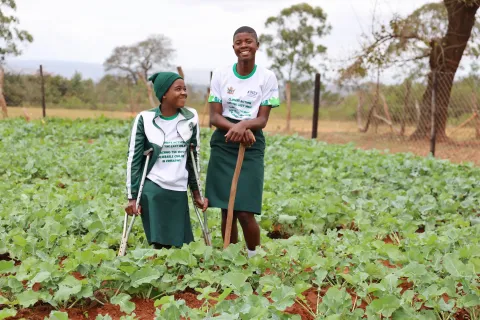
Siphosenkosi’s words reflect a journey of discovery shared by 50 young learners from Matabeleland South. For many of them, this was their first time leaving their home province, let alone seeing the majestic Chimanimani Mountains up close. This wasn’t just a school trip—it was a transformational experience.
The excursion was part of the TUI Junior Academy – Clean Green Zimbabwe Initiative Pilot Programme, an innovative partnership between UNICEF Zimbabwe, the Government of Zimbabwe, and the TUI Care Foundation. The initiative fosters environmental stewardship by engaging children as agents of change through nature-based learning, tourism, and climate education.

Experience-driven curriculum: An outdoor classroom
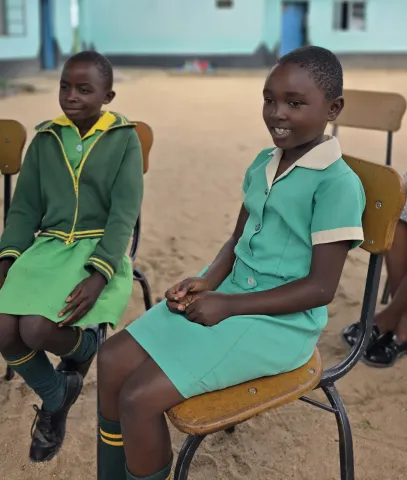
The learners were selected through a competitive art and essay competition spanned ten schools. Five children from each school emerged as winners, as their stories and artwork highlighted creative solutions to climate challenges. The competition aimed to establish a meaningful forum where young innovators can present their ideas, share lived experiences, and propose practical solutions to pressing climate change, environmental, and conservation challenges. It also catalysed forming a network of young advocates, empowering them to continue influencing and shaping conservation efforts within their communities.
The competition and excursion offered children a unique opportunity to learn about the importance of environmental protection and management. These lessons closely align with the practical learning emphasised in Zimbabwe’s heritage-based curriculum. This curriculum blends cultural heritage with modern knowledge and skills, aiming to nurture creative, innovative learners who can contribute meaningfully to their communities and the broader economy.
Hosted by Outward Bound Zimbabwe, a highly reputable non-profit organisation recognised for its experiential learning model, the excursion offered learners practical, hands-on experiences that brought environmental education to life. Learners hiked through the Chimanimani Mountain range on a guided botanical walk, identifying indigenous plants and exploring their traditional uses. Along the way, they talked about the importance of protected areas and how they are managed. The trail also brought history to life, as learners discovered ancient rock paintings, some dating back over 1,400 years, and visited caves once used for burials, deepening their appreciation for the region’s cultural and ecological heritage.
In addition to engaging with nature, the children participated in team-building and outdoor activities, such as ziplining and rafting along the Haroni River, that encouraged collaboration, problem-solving, and personal growth. These exercises were designed to help build confidence and determination, key attributes that contribute to shaping well-rounded, empowered learners.
Reflecting on the experience, Josta Nkomo, the District Schools Inspector for Matobo, highlighted its value.
He said: “Our curriculum is based on our heritage, flora, trees, and animals. Chimanimani offers so much for children to learn. Through the games and activities, they’re not only building knowledge, but also life skills like teamwork, leadership, and resilience. It’s learning through experience.”

Tourism for All: Creating Access, Inspiring Conservation
Many children came from underprivileged communities where opportunities to travel are limited. Without exposure to the country’s natural landscapes, developing a strong connection to the environment can be difficult.
The excursion offered a valuable opportunity for the learners to experience a different part of Zimbabwe, helping them to understand better to understand the importance of conservation better and motivating a sense of responsibility toward becoming environmental stewards.
While exploring Chimanimani National Park, the children saw signs of illegal gold panning, a widespread conservation threat in many parts of the country.
The discovery sparked eye-opening conversations about environmental degradation and the need to protect wildlife and vital water sources.
The learners were accompanied by their teachers as chaperones, the District Schools Inspector for Matobo, a representative from the Zimbabwe Parks and Wildlife Authority, Action24 (an implementing partner), and the Environmental Management Agency (EMA).
EMA’s role in educating the children was critical, as it is the national statutory body responsible for ensuring the sustainable management of natural resources and the protection of the environment.
This includes the prevention of pollution and environmental degradation, as well as the development of Environmental Plans for environmental management and protection.
Simon Musasiwa, the EMA representative from Matabeleland South, underscored the importance of educating children on environmental issues to promote long-term conservation.
Simon said: “It’s important to teach children about environmental conservation and help them value wildlife protection, especially those living in communities near national parks, where most of the children reside.”
At the end of the two day excursion, Emily Chiginge, a 11 year old girl from Matobo Primary School remarked “..I really enjoyed swimming in the natural pools, ziplining and hiking up the hills under tree cover. I urge everyone to really preserve and keep this environment alive as it is so that we can keep enjoying it.”
This excursion is not a standalone effort. It is part of the broader TUI Junior Academy – Clean Green Zimbabwe Initiative, jointly implemented by UNICEF Zimbabwe and the Government of Zimbabwe, with financial support from the TUI Care Foundation.
Currently being rolled out in Manicaland and Matabeleland South provinces, the programme aims to increase environmental education mainstreamed in the school curriculum, strengthen their climate resilience, and build their capacity to act as environmental stewards and advocates for change.