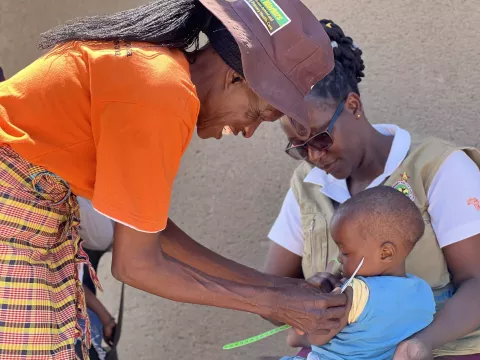
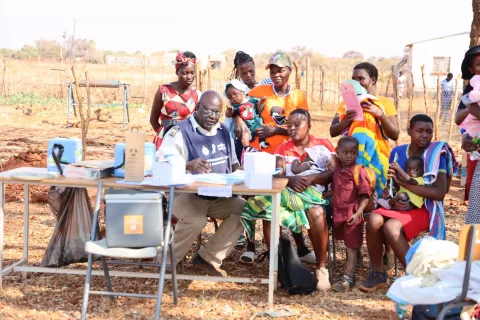
Behaviour change facilitators helping communities to focus on COVID-19 prevention and control
"The training changed my life, including the way I think and respond to situations in this COVID-19 time,” Spiwe said
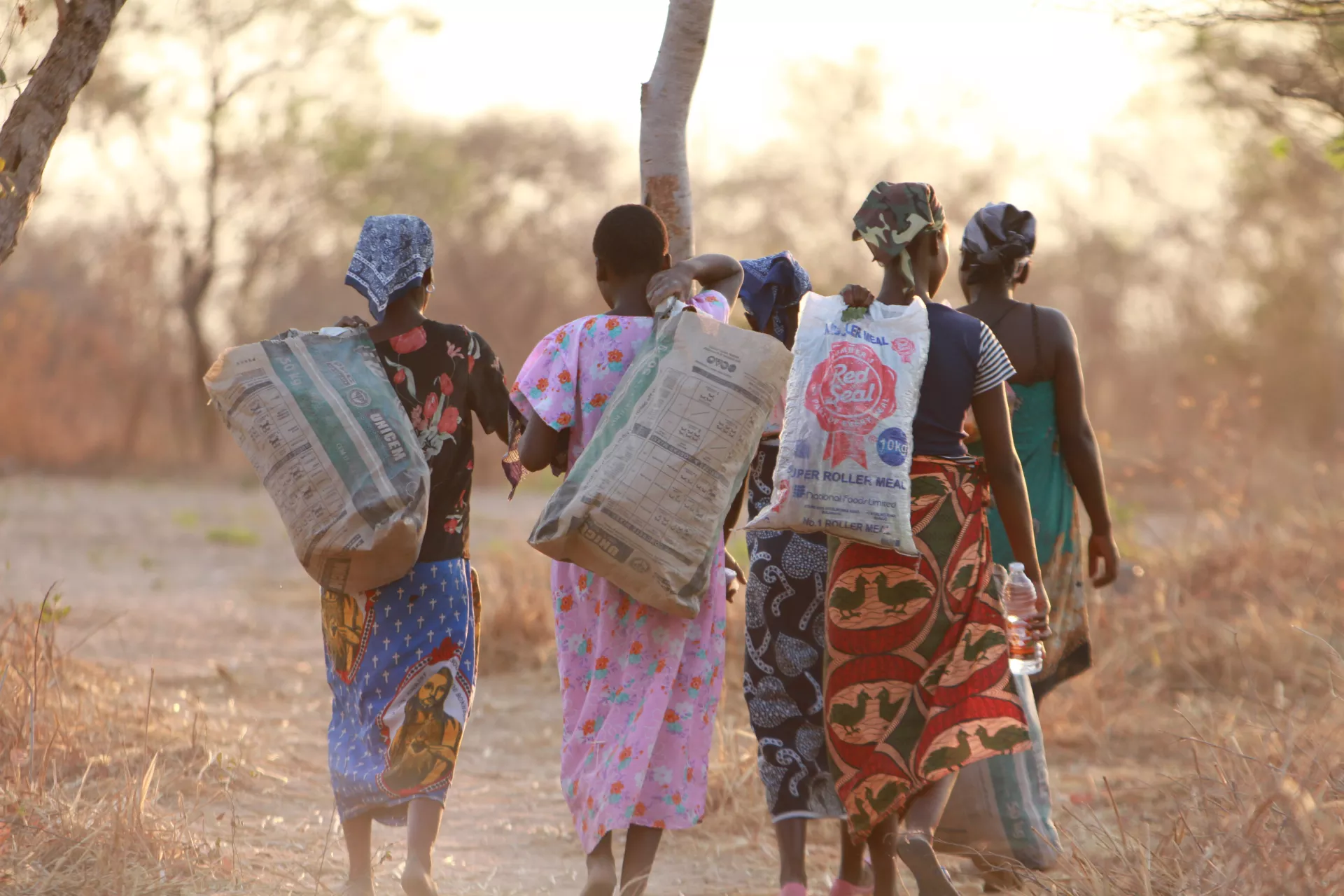
After undergoing training for Behavioural Change Facilitators (BCF) in Hurungwe District, Spiwe Mazando, a faith leader in the Apostolic Church, feels well equipped to assist her community to adapt and adhere to protective behaviors needed to prevent the spread of COVID-19.
“As a church leader, I am happy to be one of the first groups to be trained and will assist my community in adapting to this new environment. The training changed my life, including the way I think and respond to situations in this COVID-19 time,” she said.
BCFs were trained through the Apostolic Women Empowerment Trust (AWET) in collaboration with UNICEF through funding from the Health Development Fund (HDF), a multi-donor pooled funding mechanism supported by the European Union, Irish Aid, Sweden, UK Aid and Gavi.
The BFCs respond to different issues in the communities including the dissemination of information on public health such as COVID-19 prevention and control using interpersonal communication.
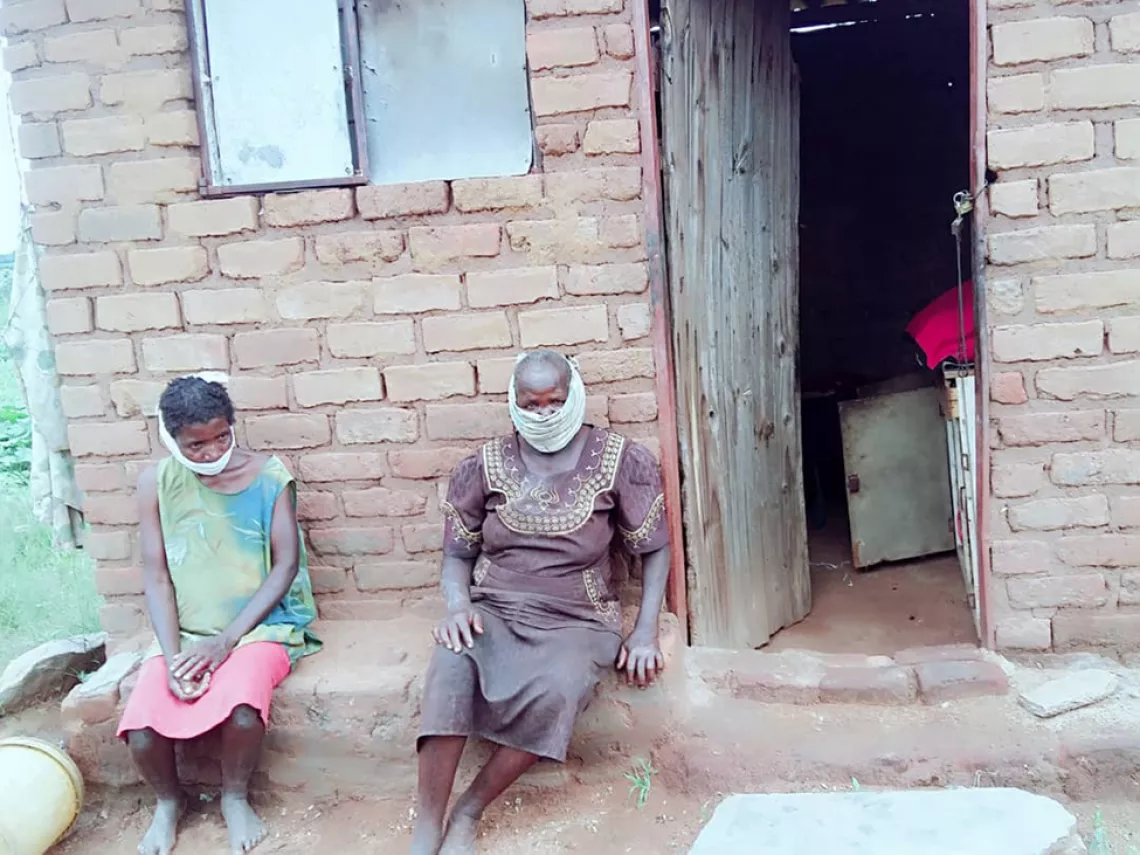
Spiwe speaks authoritatively and passionately on how COVID-19 has affected the social fabric of the church especially the moral standing of many considering that gatherings are restricted including for the purposes of worship.
“In the past, when someone died, I would go and conduct burial services and a lot of church members would come, but currently this is not ideal. I told my church members that only a limited number of family members are allowed to attend funerals,” she said.
Being a BCF is very important to Spiwe, and her main aim is to ensure that knowledge is imparted into the community and church, a place where people gather for worship as well as other cultural and religious practices. This includes educating people on the importance of preventative measures at all gatherings.
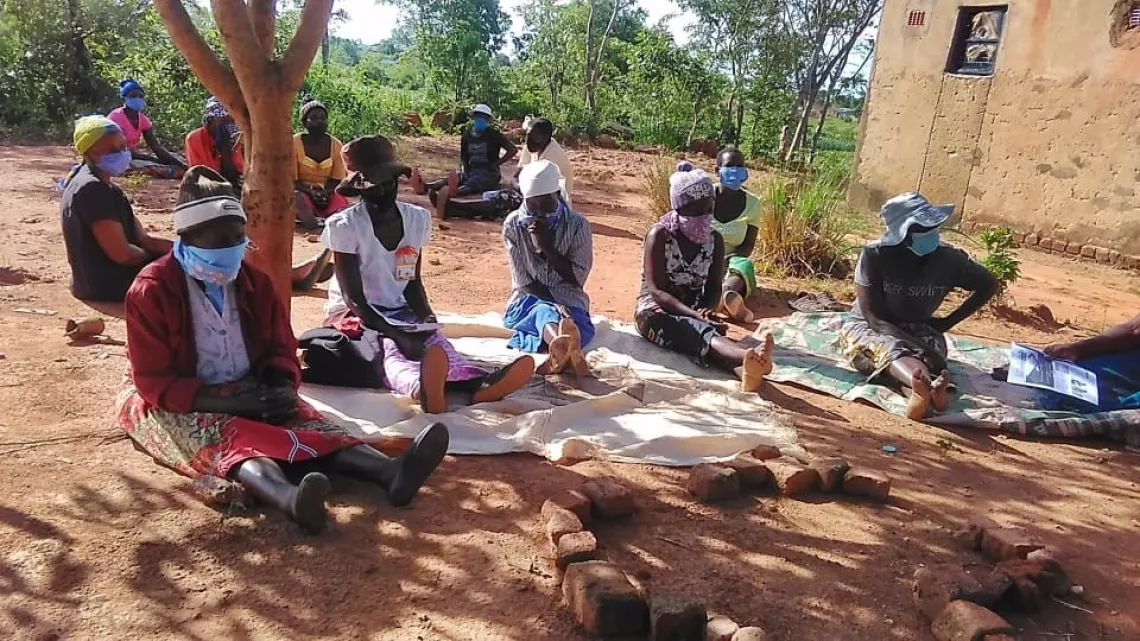
“Sometimes I go to funerals and educate people on the importance of practicing the preventive measures which include physical distancing, not shaking hands, not sleeping in the house where the corpse is and not having gatherings overnight at the place where the funeral is being conducted. I also had to emphasise the importance of wearing face masks all the times,” she said.
Despite the challenges she faced, she was determined: “There were many times when I had to tell people to go back to their homes when they were gathered at funerals.”
There has been a gradual change in attendance due to her persistence. She has also been collecting information on places where people are gathered, checking attendance and reporting COVID-19 cases through the AWET toll-free lines and encouraging others to do the same.
Faith leaders play a significant role in promoting positive behaviours in grassroots communities especially at village level. People in hard to reach communities such as rural areas need access to information especially through community influencers who are also BCF’s.