Apostolic sects embrace disability inclusion and child protection
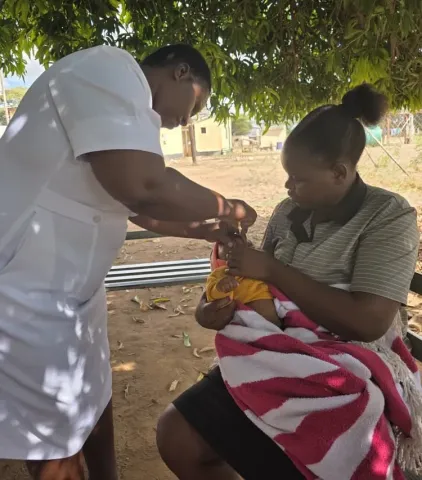
Church doctrines of most apostolic sects in Zimbabwe discourage members from using modern medicine, including immunisation of children.
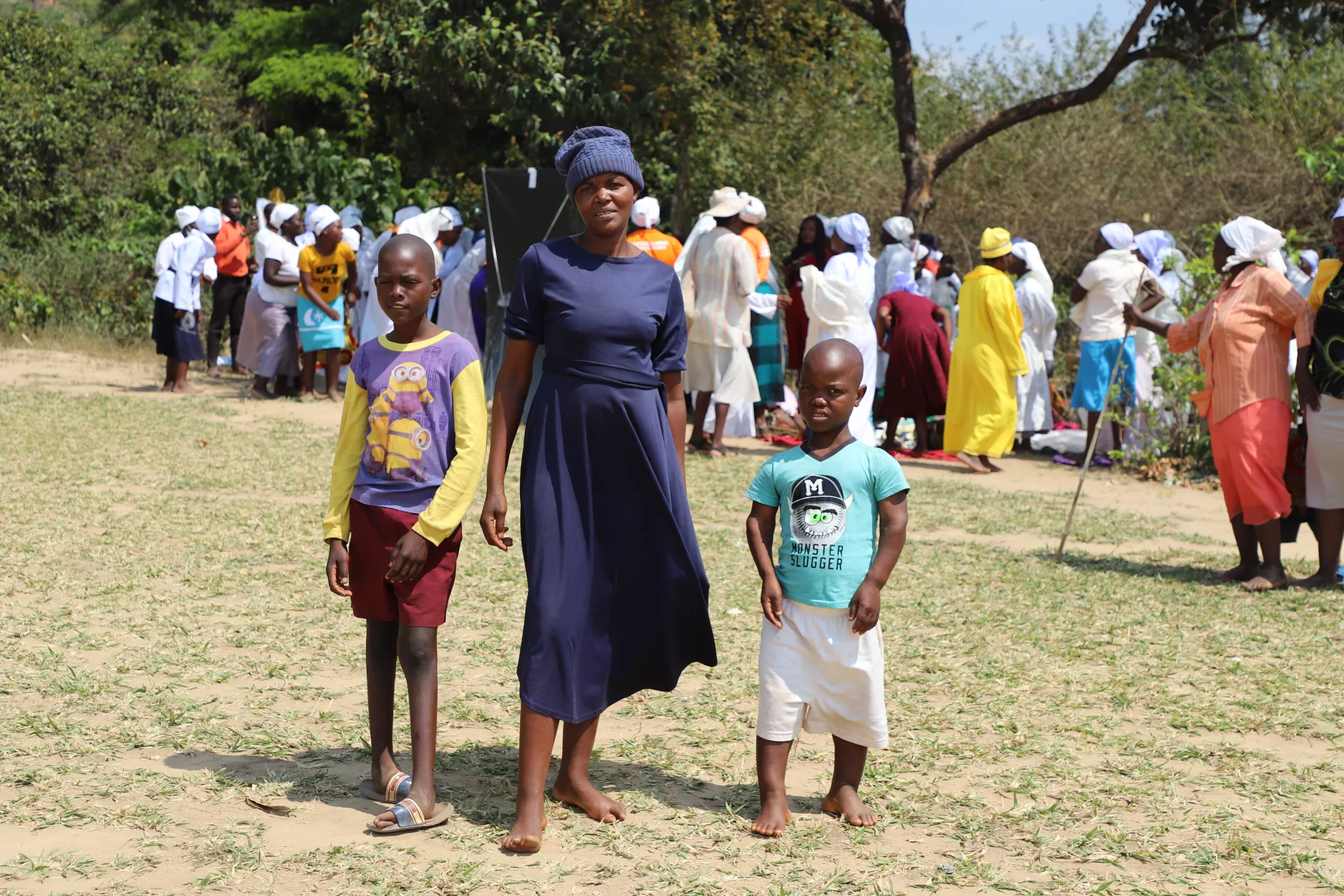
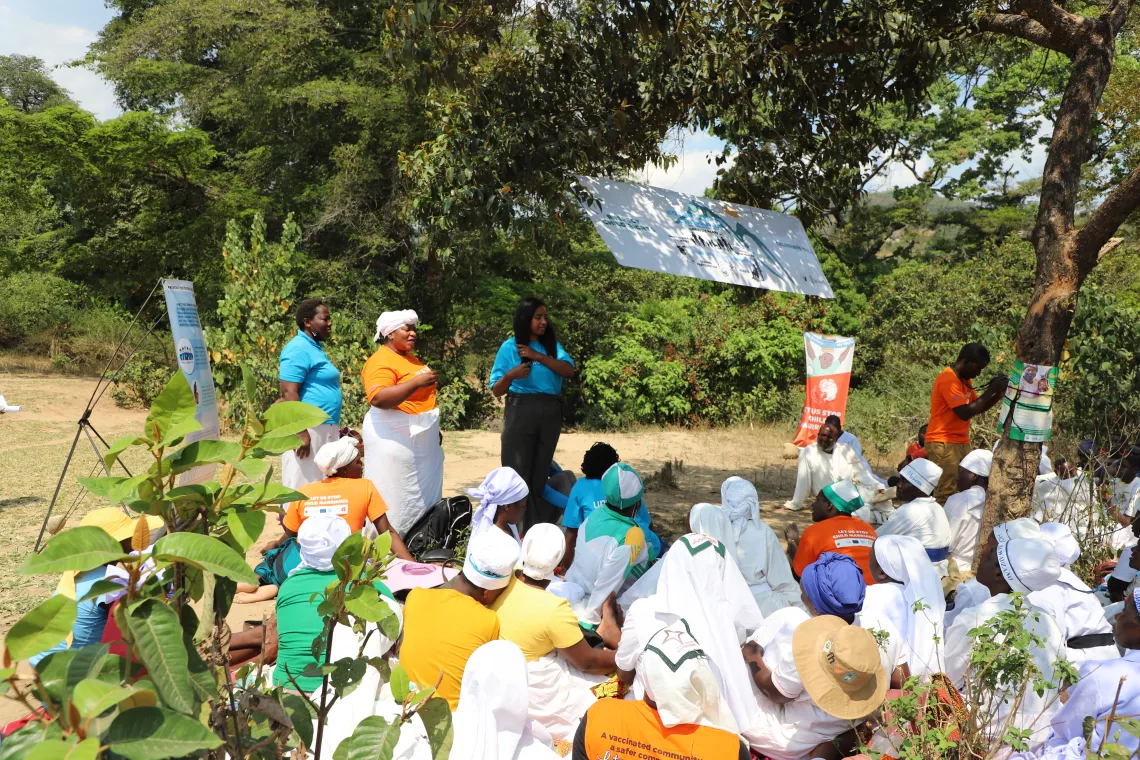
On the banks of the Pungwe River in Manicaland’s Honde Valley area, men and women from different apostolic sects gather to discuss issues that have long been taboo among Zimbabwe’s white garment indigenous churches – health-seeking behaviour and child protection.
Church doctrines of most apostolic sects in Zimbabwe discourage members from using modern medicine, including immunisation of children, but a programme by the Apostolic Women Empowerment Trust (AWET) is slowly changing that mindset.
The devotees gathered in a sports field near the meandering river were beneficiaries of an AWET programme supported by UNICEF with funding from the Norwegian Embassy for Development Corporation and the Child Protection Fund to promote disability inclusion.
AWET works with caregivers of children and adolescents with disabilities to improve parenting, participation and protection of children and adolescents in the communities.
After brief introductions that included the singing of popular hymns from the more than ten sects represented at the gathering, women took turns to share experiences about how support from UNICEF Zimbabwe had helped to enlighten them and their families about child protection and disability inclusion.
“I would like to thank UNICEF and AWET for changing my life,” said Madzimai Rumbi from the Johanne Masowe sect to huge applause.
“Before I was introduced to AWET programmes, I faced much discrimination in the community because of my disability, and we were looked down upon with my husband because he is also disabled and we were poor.
“I got help to start a small horticulture project, and, most importantly, I learnt that it is essential to have my children immunised against killer diseases.
“God only helps those that help themselves. I learnt that getting children immunised won’t stop you from going to heaven.”
Madzimai Pamela, a member of the Johanne Masowe sect who has albinism, said the AWET awareness programmes gave her self-belief and a sense of belonging.
“Through assistance from UNICEF and AWET, I got to understand that I am not on my own as I was made to believe while growing up. My condition cannot limit me,” she said.
“I received much assistance from AWET, especially during the COVID-19 lockdowns, and this included sunscreen lotion, which is difficult to get for people with my condition because of the high costs. For that, I am very grateful.”
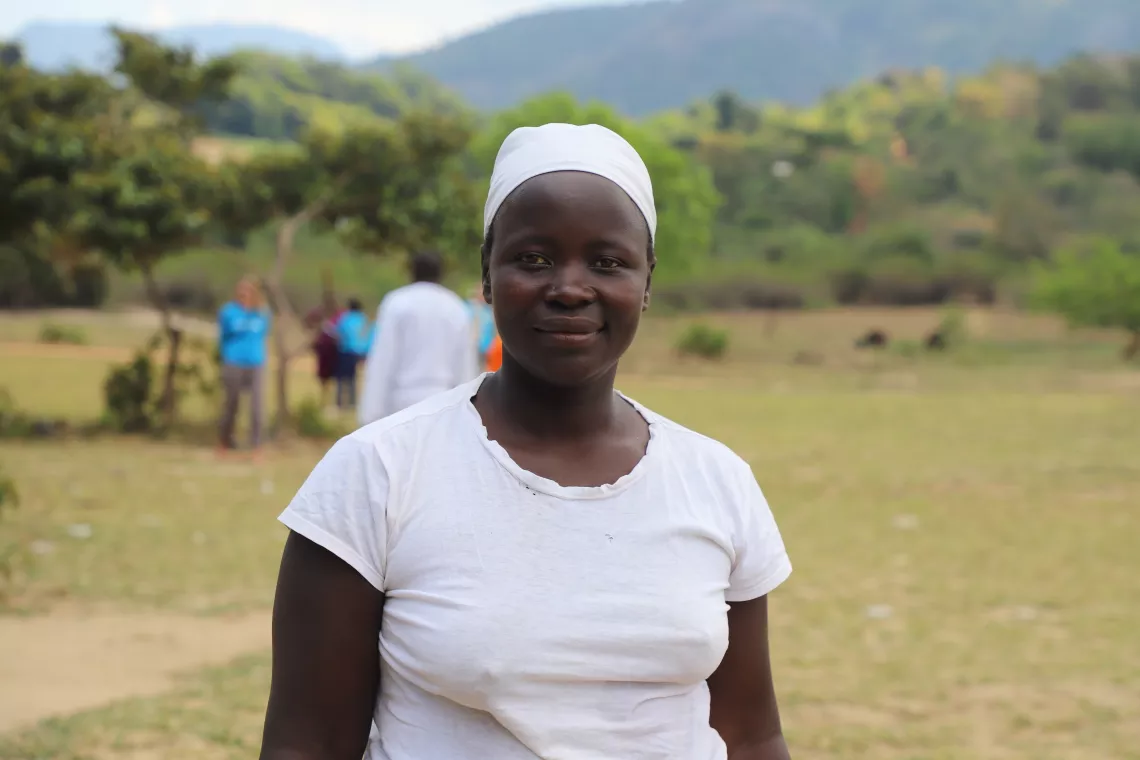
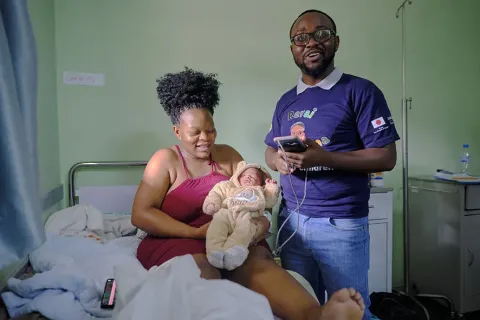
Tanyaradzwa Mujana, a mother of four from the Johanne Echishanu sect who got married as a teen, said awareness campaigns by AWET helped her realise the need to attend prenatal and antenatal clinics before giving birth for the protection of her children.
Mujana said all her children were up to date with vaccinations, and she was also assisted in furthering her education after leaving school early to get married.
“AWET assisted us a lot during COVID-19 lockdowns,” she said.
“I got to appreciate the importance of education, and I decided to go back to school, which I think was the best decision for me because I can assist my children with their homework.”
Janet Bweto, whose two sons have rickets, said she understood their condition better after receiving counselling from AWET.
“It has been difficult to raise the children because of the myths around their condition,” Bweto said.
“AWET assisted me with counselling and other necessities for the children, which lifted the burden on my shoulders.”
She, however, still struggles to get her children to school, which she said was 10 kilometres away, as they have difficulties walking.
AWET primarily works with indigenous apostolic members from diverse denominations on issues related to health, education, and mainstreaming disability inclusion with support from UNICEF.
The organisation has worked in Manicaland since 2017 within apostolic communities in Buhera, Chipinge, Chimanimani, Nyanga, Mutasa and Mutare rural.
“AWET managed to bring together apostolic members and their leadership from different apostolic churches to engage on issues that have to do with health, gender-based violence, water, sanitation and hygiene as well as gender-based violence,” said AWET head of programmes Hope Dumira.
“Community feedback mechanisms have been established where members of the apostolic community feel free to report issues to behaviour change facilitators (BCFs) from the apostolic community who then use the referral pathways to refer to service providers.
“The engagements held with the apostolic leadership have seen the establishment of male gender champions, who have taken it upon themselves to stand up for the rights of the girls and women from within the apostolic community.
“These gender champions named themselves the ‘Dare Guru’ and have been very pivotal in the male and boys engagements that AWET has been carrying out.”
The BCFs are mainly from the apostolic community, with 90% being from the different apostolic churches.
“AWET has worked with UNICEF on the health project “creating demand for vaccine uptake COVID-19 “, and there was an overwhelming response from the apostolic members as most of them have been vaccinated,” Dumira added.
Some sects represented at the Honde Valley gathering included Johanne Marange, Mwazha, Kutenda Kwevapostori, Zion Christian Church, Chitendero Chevapostori, Jekenisheni, Johanne Masowe Echishanu and Zwakazarurwa Zwemweya.
UNICEF continues to work with AWET, the Ministry of Health and Child Care and the Ministry of Women Affairs to train behaviour change facilitators that will influence social norms to change and capacitate communities to make informed decisions on protecting children and vulnerable members of society.