Government of Zimbabwe, UNICEF, and the Korea International Cooperation Agency (KOICA) Launch the Climate Action for the Last Mile Initiative
To Strengthen Climate Resilience for Children and Communities
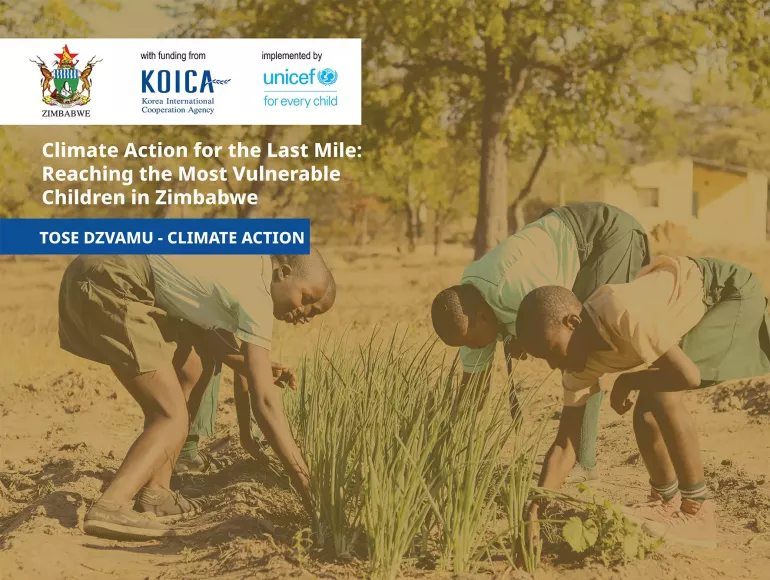
Harare, Zimbabwe, 10 March 2025 – The Government of Zimbabwe, in partnership with UNICEF, and financial support from the Korea International Cooperation Agency (KOICA), has launched the Climate Action for the Last Mile: Reaching the Most Vulnerable Children in Zimbabwe project to strengthen climate resilience for children and vulnerable communities.
The project aims to increase climate resilience for children and their communities by enhancing access to climate-smart social services and infrastructure as well as improve climate policies, finance, and institutional capacity to ensure children benefit from stronger legal frameworks, enhanced access to climate finance, climate justice, and improved climate policy frameworks to effectively address climate-related risks.
"Children face heightened risks of food insecurity, waterborne diseases, and limited access to education, all of which hinder their potential and future,” said Minister of Environment, Climate and Wildlife, Dr. Sithembiso Nyoni.
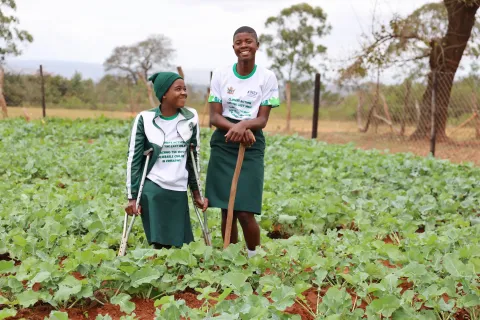
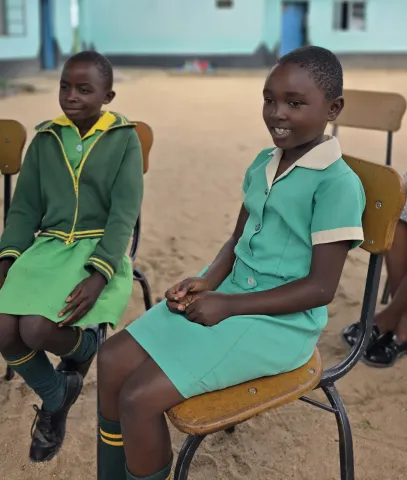
Zimbabwe faces increasing climate risks that threaten children’s access to clean water, sanitation and hygiene services, adequate nutrition, healthcare, education, and protection services. The effects of climate change disproportionately impact the most vulnerable, worsening inequalities and exposing children to food insecurity, disease, and disrupted education.
"The Climate Action for the Last Mile project will take good care of children, and the benefit will include assistance with education, health and food. But it may not remain there. The project aims also to enhance children's engagement by empowering them for active participation in climate governance," said Korean Ambassador H.E. Park Jae Kyun
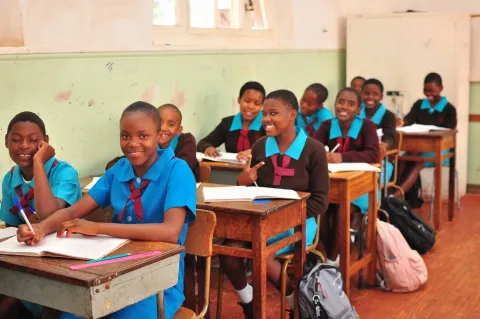
The Climate Action for the Last Mile will directly benefit 30,000 people and indirectly reach one million people, including children, by strengthening climate-smart water, sanitation, and hygiene (WASH), education, health, nutrition, child protection, and social protection systems. Additionally, it will empower children to engage in climate governance, ensuring they have a voice in shaping climate policies and decision-making processes.
“Tackling climate change requires a multi-sectoral approach, one that integrates climate adaptation into education, health, water, sanitation, and social protection systems The future of our children depends on our ability to build climate-resilient communities, strengthen our policies, and invest in sustainable solutions,” said UNICEF Representative, Etona Ekole.
This project represents continued support from the Government of Korea for sustainable development and climate resilience in vulnerable communities in Zimbabwe. Other similar initiatives by Korea include drought tolerant maize production, environment-friendly feeding of indigenous chicken by using flies' larvae and creation of green jobs for youths in rural areas.
Media contacts
About UNICEF
UNICEF promotes the rights and wellbeing of every child, in everything we do. Together with our partners, we work in 190 countries and territories to translate that commitment into practical action, focusing special effort on reaching the most vulnerable and excluded children, to the benefit of all children, everywhere.
For more information about UNICEF and its work for children, visit www.unicef.org.