Volunteers are reaching the most vulnerable via community case management
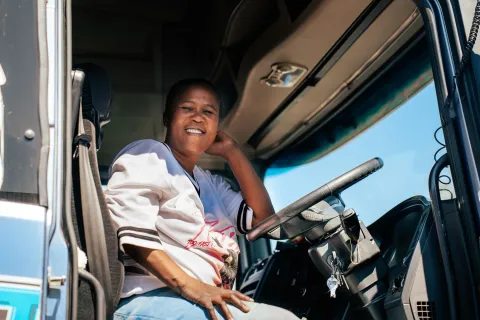
Community Welfare Assistance Committee (CWAC) volunteers are bridging the gap between Government programmes and the local community ensuring the most vulnerable families are receiving the support they need during the cholera outbreak.

UNICEF is committed to supporting the most vulnerable and this is exactly what the role of a CWAC is designed to do. Community Welfare Assistance Committees (CWACs) are groups of volunteers who have joined forces with the Social Welfare Office in Zambia to provide one-on-one support to vulnerable families in the community.
When the cholera outbreak hit Zambia, certain communities, like George Compound in Matero, Lusaka district, were some of the most impacted. Families with limited resources, poor access to safe drinking water and WASH services, are disproportionately affected, including children who, at the peak of the cholera outbreak made up about half of cholera cases in Lusaka. Thanks to funding from the Central Emergency Response Fund (CERF) community case management is strengthened. CWAC volunteers, like Mary and Martha, outreach to families in Matero who have been impacted by the cholera outbreak identifying what assistance they might need.

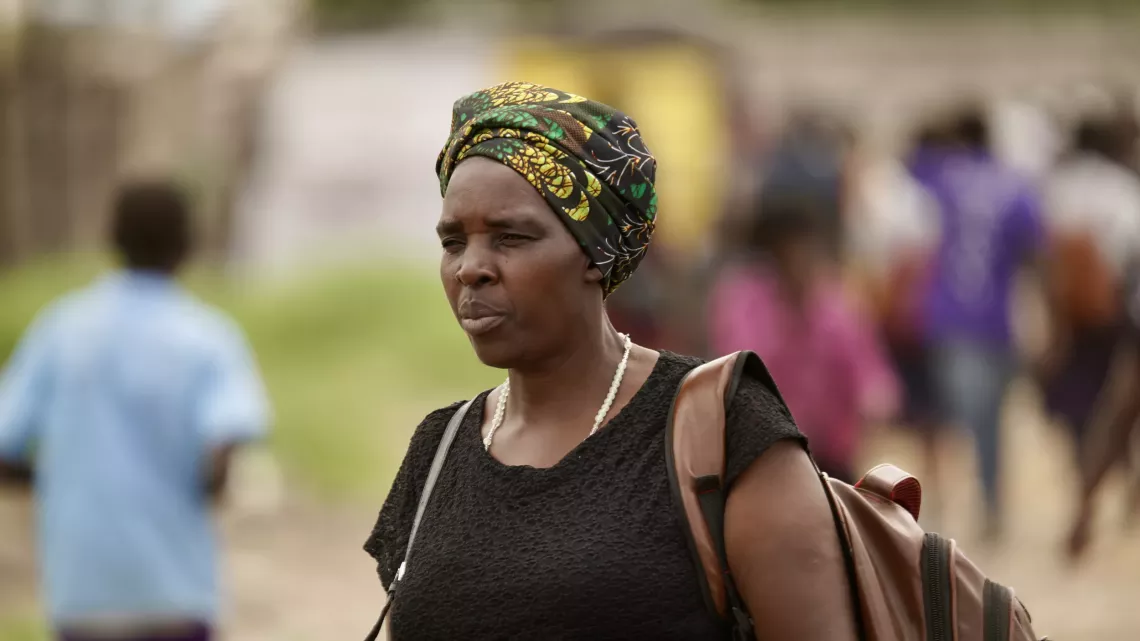
Mary and Martha belong to the Matero CWAC groups, comprising of 120 volunteers in the area. The CWAC programme is an integral component of the social welfare community case management system. It focuses on identifying and referring vulnerable individuals and households to protection services, including access to in-kind support. Starting at a community level allows for people to feel connected to the volunteers, as they normally know each other, and this makes them feel comfortable sharing their experiences. Elizabeth, a recipient of support, shares, “I feel so relieved by Mary’s visits and really like having someone to talk to.”

Mary has found her true passion in volunteering in her community and has been volunteering with the CWACs for about five years. Her dream isn’t about herself, instead she selflessly shares, “My dream is to receive further support so I can do more in my community to help others.”
Martha began volunteering with the CWACs in 2021 and shared she loves helping vulnerable communities, like those in George Compound. Now, people recognize Martha as being part of the community based social welfare system and they continuously reach out to her for support.
Mary and Martha’s day starts at 8:00 when they begin visiting families in George Compound until 16:00. They visit both new households to identify cases and returning families to provide ongoing support to families impacted by cholera. They visit some families as often as twice a week and have been doing so since the height of the cholera outbreak in January.
Each visit begins with a check-in following a series of questions allowing Mary and Martha to understand the current living conditions and challenges that each family is experiencing. Tisauke, age 93, was diagnosed with cholera in January and shared, “I look forward to my weekly visits with Martha and feel really encouraged by her support”.

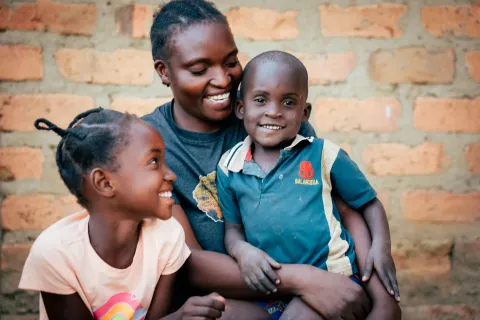
Twice a week, Mary visits Elizabeth and her family of nine to help her as she continues to cope with the recent loss of both her son and daughter. Elizabeth, age 60, now supports all of her grandkids and struggles to afford rent, school fees and food for her family causing them to only receive one meal per day. The pain and sadness in Elizabeth’s eyes was clear as she shared “Losing my children was devastating and I feel sad not being able to provide for my grandkids”. Mary refers Elizabeth to social protection programmes like the social cash transfer so she can purchase uniforms for her grandkids allowing them to attend the free government school nearby. When Elizabeth was depressed following the passing of her son and daughter, Mary provided psychosocial support helping her leave her house and reengage with her community.

Next, Mary visits two widowed sisters , Theresa and Ann, who live together and support one another, however, when the eldest sister Theresa, was diagnosed with cholera, it fell to the younger sister Ann to be the sole provider and caregiver. In a regular day, the sisters might only share a scone for breakfast with zigolo or sugar water solution and for dinner they would share a small bag of mealie meal to make nshima. Ann has found it even more difficult to afford mealie meal as the cost of maize continues to increase due to the drought. Mary ensures the social welfare office understands the lack of food the sisters have. They might be provided with in-kind support, such as cholera prevention materials like chlorine, or even food such as mealie-meal or maize flour.

Now it’s time for Martha, to meet with Tisauke’s family, who she visits once a week. Not only does she support Tisauke, who fell ill with cholera in January, but she supports the entire family, including her grandson, Royd age 31, who is now the sole provider for their family of eight after the passing of his grandfather and father. He once had a shop to sell food, however, it was demolished and he now doesn’t have the capital to reopen the shop. At ZMW 700, rent has been a burden to pay, causing him and his family only able to afford one meal per day. Tisauke shared, “It’s only God keeping us alive now.”


Similar to other families, Royd spoke to the lack of support they receive from their community and the isolation they feel because of the stigma surrounding cholera causing many people, including their families, not to visit or care for them. The personal support they receive from Martha is crucial for their well-being, both physically and mentally. Martha and the social welfare office could refer him to the community development livelihood programme, which would provide him with a start-up grant or loan to reopen his shop, allowing him to have a means of income for years to come.
Leading with compassion and empathy, CWACs are positively impacting communities one family at a time. This community structure, supported by CERF and directly tied to government structures, showcases a prime example of how integrating local, community support can allow the government and partners to reach more vulnerable families in an individualized manner. When asked what he’d like to see, Royd shared “I want Martha and the CWAC programme to have more resources allowing them to work with additional families and expand the work they’re doing.” The families of Elizabeth, Tisauke and Theresa are only a few of those whose lives have been changed for the better by the generosity and support of the social welfare community-based protection response through Community Welfare Assistance Committees.