The Story of DRIVE Initiative
How UNICEF’s Innovation is Delivering Hope on Two Wheels to the Last Mile

MWALUMINA Rural Health Center, Chongwe district, Zambia, August 2025 --- In the heart of Zambia, where rugged terrain and vast distances have long been a barrier to healthcare, a quiet revolution is rolling through the rural communities of Chongwe district within Lusaka province. It’s not a loud truck or a sophisticated drone; it’s the determined hum of a motorcycle, carrying a precious cargo of hope, health and opportunity.
The Direct delivery of Routine Immunization Vaccines for Equity (DRIVE) Initiative is a new and innovative approach to improving vaccine delivery in Zambia. It is a social enterprise approach, involving engaging community-based volunteers (CBVs), young people, and others at the local level to help deliver vaccines and health commodities directly to health facilities and outreach sites. These delivery partners will work up to 10 days in a month transporting vaccines and other Primary Health Care (PHC) commodities, and for the rest of the month, they will use the same transport asset to earn income through revenue-generating activities - helping them support themselves, their households and to maintain the vehicles, whist expanding transport options within the local economy.
This is the DRIVE initiative and it’s transforming how life-saving vaccines reach every last child. Zambia has made great strides in immunization over the past decade with more than 90 per cent of children receive the full set of DTP 3 vaccines. But challenges remain. Some districts still lag behind, and the way vaccines and supplies are distributed within the country is one of the weakest parts of the system. This often leads to shortages or near shortages in many health facilities.
Bridging the Final Frontier
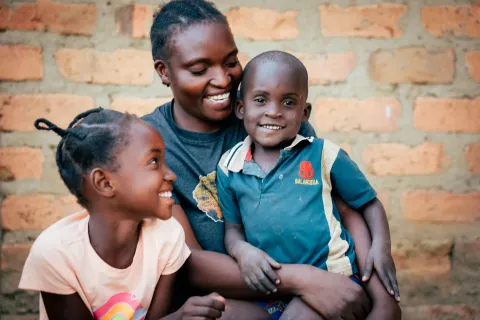
For mothers and caregivers in remote villages, getting their children vaccinated has often meant walking for hours under the scorching sun, sometimes only to find that the clinic’s vaccine stocks were depleted, immunization outreach session cancelled, or the cold chain had been compromised. These barriers left too many children vulnerable to preventable diseases.
The Government of the Republic of Zambia (GRZ), in a powerful partnership with UNICEF and with crucial funding from Gavi, the Vaccine Alliance, decided to change this. They launched DRIVE, an innovative solution that addresses the last-mile delivery challenge head-on. The model is elegantly simple yet profoundly impactful: a fleet of specially equipped motorcycles, ridden by trained young people from the very communities they serve, ensures vaccines are delivered reliably and kept at the right temperature from the district warehouse and rural health centers directly to the most remote health outposts.

The initiative will directly reduce the travelling time spent by health workers to districts to pick up vaccines, unlocking an additional 600 hours of service delivery sessions monthly.
DRIVE will prioritize an initial 1,273 health facilities in 41 districts, empowering 200 young people and impacting many more livelihoods. The selected facilities represent 74% of Zambia’s zero dose population, thus by ensuring that vaccines and other essential health commodities reach every health facility reliably and on time and by helping health workers get to outreach sites without delays, DRIVE is directly contributing to equitable healthcare delivery.
Empowering a Generation of Health Entrepreneurs
But DRIVE is about more than just logistics; it’s about people. The true genius of the model lies in its dual impact.
The initiative has created a powerful entrepreneurial opportunity for Zambia’s youth. The bike riders are not just CBVs; they are micro-entrepreneurs. They earn an income for their vital delivery services, transforming them from bystanders into active, valued contributors to their local economy and health system. This financial empowerment fosters pride, ownership and a sustainable model for the future.
The riders are carefully selected from within the communities, making them trusted faces. They understand the local context, the languages, and the challenges. This trust is a critical ingredient. These young men and women have become powerful motivators and health advocates.
They do more than drop off vaccines. They engage with mothers, fathers and community leaders, explaining the importance of immunization, addressing fears, and encouraging families to complete their children’s vaccination schedules. They are a moving, talking, caring link between the formal health system and the community’s needs.

Due to the landscape in Chongwe, some facilities are difficult to reach by motor vehicles. Therefore, a motorbike will make it easier for us to reach every child, explained Martha Zimba, one of the CBVs. Personally, I appreciate this opportunity for it will boost my life economically.
Breaking Barriers, One Vaccine at a Time
The initiative proudly boasts a diverse team of riders, with both young men and women taking the helm. In a community where women rarely ride motorbikes - let alone take on roles in health delivery, the presence of female riders on the road has become a symbol of both courage and change. These female riders are particularly powerful role models, demonstrating to young girls and mothers that women can lead, operate technology, and be champions of community health.
Their presence helps to break down gender stereotypes and inspire a new generation to see themselves in roles that were previously unimaginable.
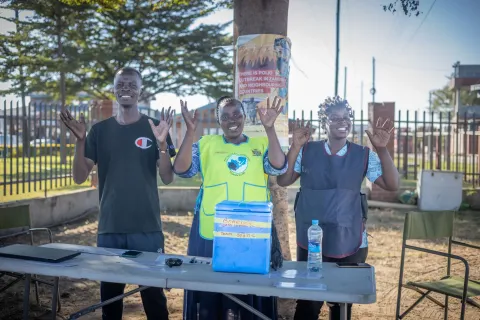
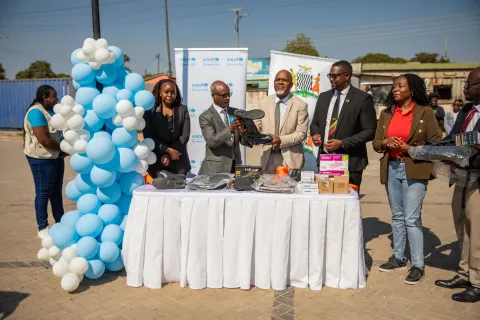
Martha Zimba is one of three female CBVs trained and equipped under the new DRIVE Initiative, launched at Mwalumina Rural Health Centre in Chongwe. Each CBV received a motorbike through a loan-to-own scheme, enabling them to deliver vaccines to health facilities and outreach sites while also generating income.
A Model of Partnership and Impact
The DRIVE initiative is a shining example of what can be achieved when visionary partners come together:
- The Government of the Republic of Zambia provides the leadership, strategy and integrates the solution into the national health system.
- UNICEF brings technical expertise in innovation, supply chain management and community engagement.
- Gavi provides critical funding that allows bold ideas to become life-saving realities.
Together, they are not just delivering vaccines; they are delivering on a promise. A promise that no child, no matter how remote their village, will be left behind. They are strengthening health systems, empowering youth, and ensuring that every child in Zambia has a fair shot at a healthy life.

With this launch, Zambia joins other countries where the DRIVE initiative is already transforming last-mile delivery including Malawi, Sierra Leone, Ethiopia and The Gambia - cumulatively providing on-demand deliveries to more than 6,000 facilities.
The story of DRIVE is the story of a journey. A journey where every kilometer traveled on a bike means a child is protected, a young person is empowered, and a community grows stronger. UNICEF Zambia is happy to tell this story #ForEveryChild and thanks Gavi for its unwavering commitment to saving lives through one vaccine at a time.