One Campaign, Different Realities
How Vaccination Teams Protected Children from Polio Across the Country

“I moved to Maala in Namwala district (Southern Province) for farming and now I am busy harvesting, but even so, I’ve come here to the clinic for the polio vaccination. Then I’ll go back to my fields,” said Monica Jalata, 26.
Determined that her daughter would not miss essential health services during the busy harvest season, Monica brought Chichi, aged one year and four months, to Busangu Health Post for her polio vaccination before returning to her fields.

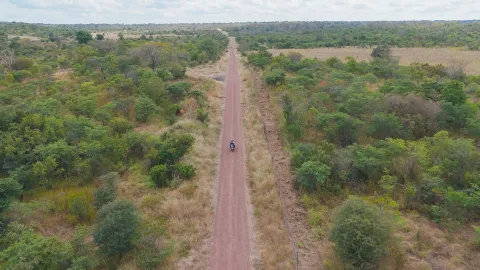
Monica’s story stands out in Namwala District, Southern Zambia, where many children under five miss critical health services such as vaccines during this time of year due to their agricultural activities. Namwala is a largely rural district where livelihoods depend on cattle ranching, fishing, and crop farming. While these activities sustain families, they also pose significant barriers to accessing routine health services.
In April, streams and rivers remain swollen from the rainy season, and many families begin their annual migration to fishing camps, where they may stay for months. Across the district, maize and sunflower fields dry in preparation for harvest. Women often leave for the fields early in the morning and return later in the day, missing visiting vaccination teams or lacking time to travel to health facilities.
But rather than wait, Monica chose to come directly to the health post, ensuring her daughter was vaccinated before harvest activities intensified.
Namwala’s experience illustrates how a single national campaign approach may play out differently from the unique challenges of the ground, requiring adaptation, persistence, and close community engagement to succeed.
“It’s important to have these campaigns and capture as many children as possible, because these families will soon be leaving for fishing and will miss many health services,” said Gloria Sankondo, facility in‑charge at Kabulamwanda Rural Health Centre.

Gloria knows firsthand how demanding the campaign was. She joined vaccination teams going door-to-door in the community and returned to the facility to attend to other patients. Despite her heavy workload, she ensured her own child was not left out.
“My youngest child is four years old. She’ll definitely get vaccinated during this campaign. I’ll be working at the facility, but the team will vaccinate her,” she said.
To deliver the campaign, district health offices formed vaccination teams at each health facility, typically comprising three members: a health worker to administer vaccines, a Community‑Based Volunteer (CBV) to record vaccinations and mark children’s fingers, and a community mobilizer to alert households and guide teams through communities. Ahead of the campaign, mobilizers conducted pre‑campaign awareness activities, ensuring families were informed and prepared. Each role proved critical to reaching children efficiently and safely.
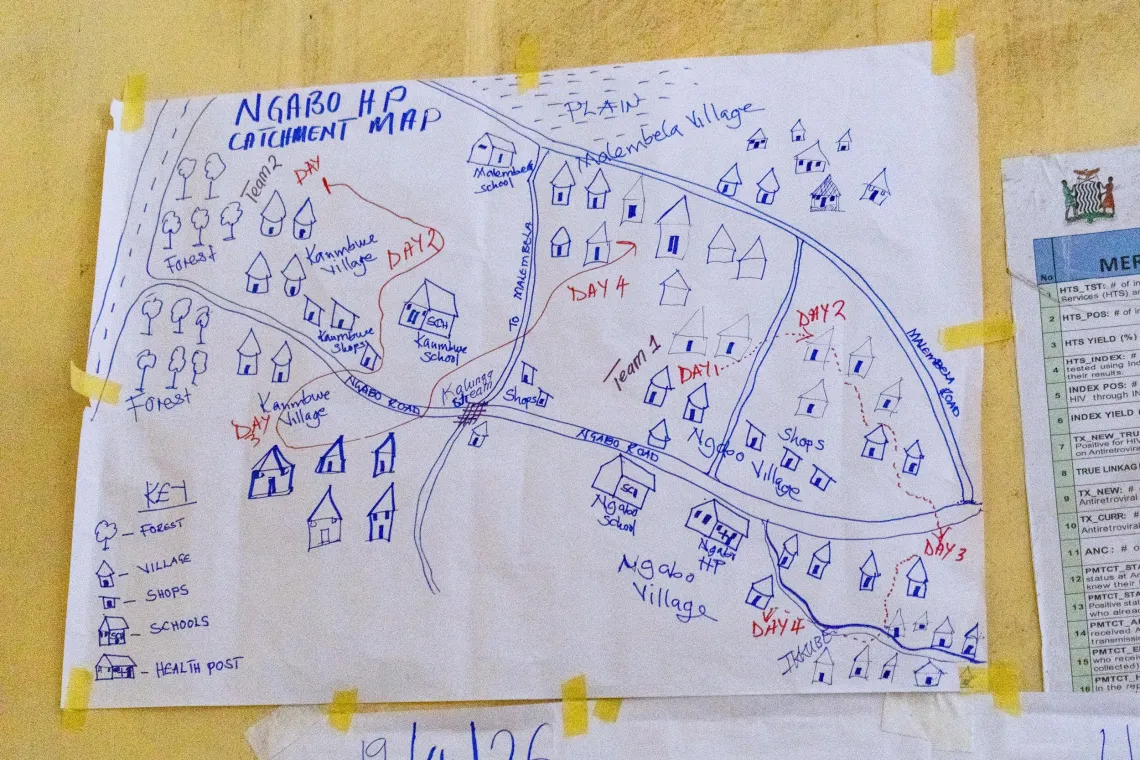
Door-to-door vaccination is an effective approach for reaching every household, particularly in remote settings. In Namwala, however, long distances meant teams progressed slowly, raising concerns among some caregivers that they might be missed. In one instance, a team from Ngabo Health Post encountered women walking with their babies toward the facility, worried the team had already passed their homes. CBVs reassured them, encouraging them to return home and wait. The women did—and their children were vaccinated at home later that day.

For caregivers like Jennifer Chembe, the door-to-door approach made all the difference. Jennifer, a mother of two children under five, was the only caregiver at home during the campaign week. Between household chores and farming responsibilities, she may not have reached the facility if services were offered only there.
“Having the team come to my home helped me a lot,” she said. “I didn’t have to choose between my work and my children’s health.”

While Namwala is predominantly rural, Choma District presents a different reality. With a mix of urban, peri‑urban, and rural neighborhoods, houses are closer together, allowing teams to move more quickly and reach more children each day, without compromising quality.


Awareness messages about the campaign were shared through radio and community mobilizers, ensuring families knew vaccinators would be visiting. Still, some caregivers were unaware of the campaign or unsure about vaccines. CBVs used these encounters to inform families.
“I didn’t know much about polio before,” said Emmanuel Lukope, 22. “Now I understand why vaccines are important. I’m happy my nephew is protected.”
Emmanuel cared for his two‑year‑old nephew, Rick Tambo, while Rick’s mother was at work. With her permission, Emmanuel ensured Rick was vaccinated, demonstrating how flexible approaches help reach children even when parents are away.

Vaccination teams also used each visit to provide broader health information when asked. CBVs like Esther Chama, who has volunteered for over a decade, brought deep community knowledge to the team’s work.
“When we vaccinate, we can also talk about nutrition or family planning if caregivers ask,” Esther said.

Persistent follow-up also matters. In Choma’s Mwapona compound, repeated visits by CBVs encouraged Brenda Manzi and Fred Phiri to fully vaccinate their children.
“I was fearful at first,” Brenda admitted. “Now I see my children are safe.”


Other than outreach vaccinations, healthcare facilities also served as static vaccination sites for families already seeking other health services or passing through the area, ensuring no child was missed.
From remote farming communities in Namwala to more densely populated urban areas like Choma, the polio campaign showed that reaching every child requires strong teamwork, flexibility, dedication, and trust. One strategy, adapted to different realities, helped ensure children received lifesaving protection against polio and other preventable diseases and had access to life-saving information, no matter where they lived.
These efforts were led by the Ministry of Health, with support from the Global Polio Eradication Initiative (GPEI) partners including WHO and UNICEF Zambia, Rotary International, and the generous financial support of the King Salman Humanitarian Aid and Relief Center (KSRelief), and the Kingdom of Saudi Arabia.
UNICEF provided essential support to the campaign by deploying 24 national and surge staff to support preparedness, coordination, technical monitoring of cold chain management of vaccines and capacity building of vaccination teams. Working alongside thousands of social mobilizers and supervisors, UNICEF helped ensure vaccination teams reached children even in remote areas, utilising a national campaign to also reduce missed opportunities for vaccination. A second round of Supplementary Immunization Activities later this year will build on these gains.