Inclusive Learning for All: Embracing Every Child’s Unique Needs
Zambia's Journey with Learning Passport
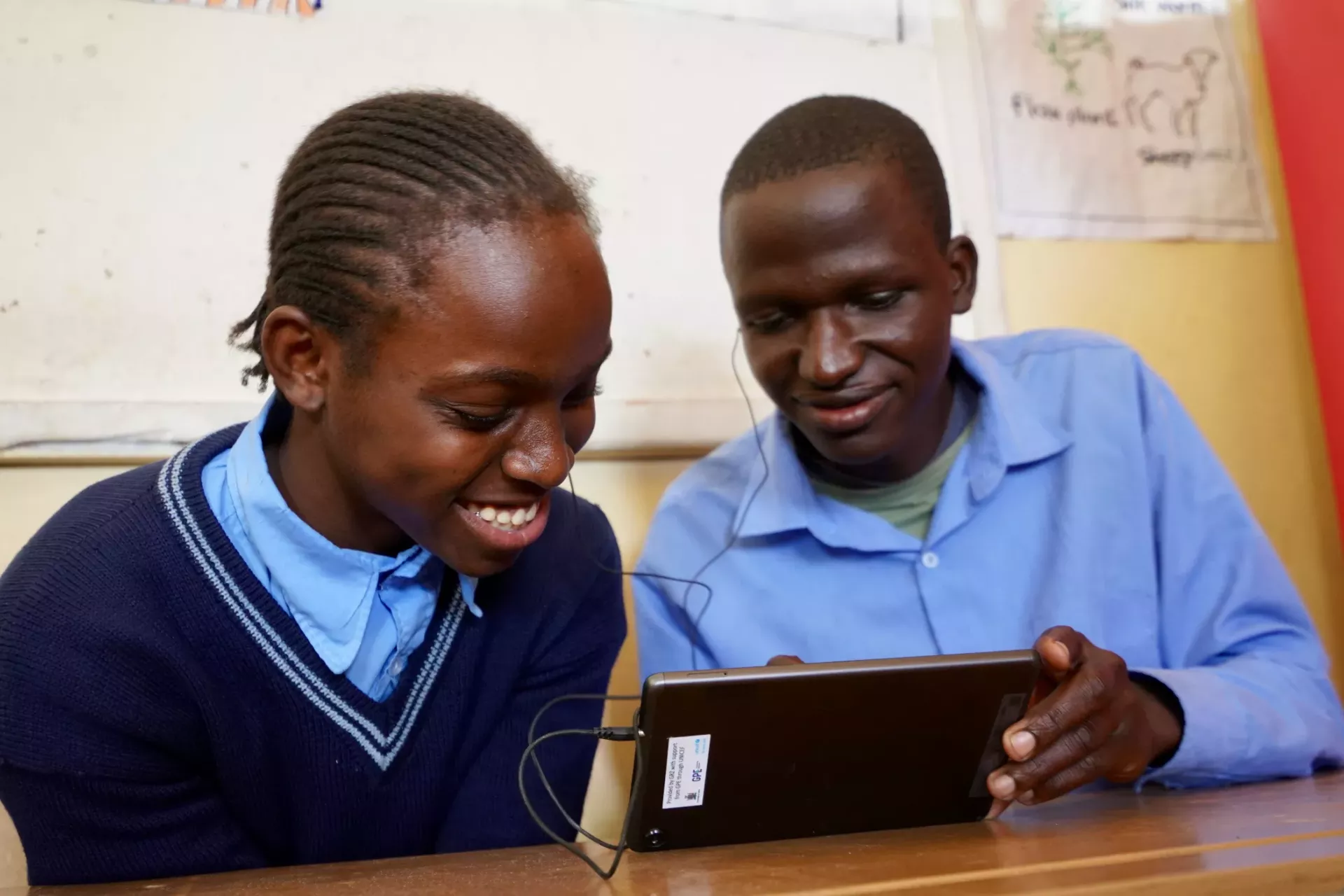
A whole new world of learning has opened for students at UTH Special School in Lusaka, a school that caters to children with disabilities and special needs. The interactive nature of the Learning Passport, UNICEF-supported educational learning platform, has left students jubilant and inspired.
“I like the Learning Passport because it gives us new ideas and we have an opportunity to discover things we have never experienced,” says Janet, a student whose enthusiasm is evident in her eyes.
A recent visit to Zambia by a UNICEF team, including Guillaume Michels, Programme Specialist and Global Chief of Deployment for Learning Passport, and Anna Childs, Digital Learning Specialist for the Eastern and Southern African Region, provided a unique and critical opportunity to engage the Ministry of Education on the progress and challenges in the education sector and the future of digital learning in the country. The aim was to address Zambia’s educational disparities by adopting a blended learning approach that ensures continued learning and quality education.
The Learning Passport, launched in Zambia in November 2022, aims to support the education sector by providing digital learning access to vulnerable children, including those with disabilities, from marginalized communities, and out-of-school children. Currently, the Zambia Learning Passport has over 6,000 users, representing an increase of more than 30 percent in the number of users in the past three months.

Witnessing the transformative impact of the Learning Passport at UTH Special School was one of the highlights of the visit. The atmosphere was filled with enthusiasm as both teachers and students shared how the platform has enriched their learning experience. Hilda Kachaka, the Head Teacher, spoke passionately about the positive changes she's observed since the introduction of the UNICEF-supported tablets with the Learning Passport. “Students are showing an increased motivation to attend school, which is having a positive impact in reducing absenteeism,” said the Head Teacher, while recognizing that it was a major issue before.
"The tablets not only capture their attention but also serve as valuable tools for supplementary lessons,” she added.
This testimony highlights the profound difference that innovative educational tools like the Learning Passport and tablets provided to schools can make a difference, particularly in enhancing engagement and learning outcomes for students with special needs.
The Learning Passport includes content from Early Childhood Education (ECE) to Grade 12 curriculum, with inclusive features such as audio and visual aids to meet the needs of children with disabilities and special needs.
Millions of children with disabilities around the world are denied their basic right to education, underscoring the urgent need for inclusive and accessible learning environments. This need encompasses accessible learning materials, inclusive curricula, assistive technologies, and proper training for teachers and administrators.
“There are an estimated 240 million children with disabilities worldwide. It is central to our work that the Learning Passport is adapted to meet their needs,” says Guillaume Michels, Education Programme Specialist at UNICEF.

Empowering Teachers: Blended Learning for Resilience and Continuity
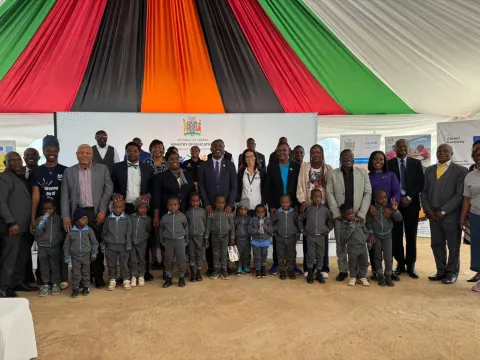
The visit also marked the first-ever Ministry-led training on blended learning in Zambia.
This groundbreaking training was conducted by UNICEF in collaboration with the Directorate of Open and Distance Education (DODE) under the Ministry of Education, a significant step forward in embracing innovative blended teaching and learning approaches.
Dr. Beatrice Machaka Botha, Director at the Directorate of Open and Distance Education (DODE), is responsible for the implementation and scale of digital learning opportunities in the Ministry of Education. Her Directorate has the mandate to increase access to, and participation in education and training, and to provide lifelong learning opportunities for school children, youths, and adults. She celebrates the Learning Passport’s accessibility and strongly advocates for empowering teachers and learners to harness digital tools to improve education outcomes in Zambia.
“In Zambia, there is a great need for teachers to have information and skills in blended and digital learning, and this training comes at the right time,” states Dr. Beatrice.

The workshop included 53 teachers with representatives of the Directorate and focused on introducing blended learning, online safety, and Universal Design for Learning. This training is especially timely given Zambia's recent forced school closures due to the cholera crisis. The ongoing drought emergency and potential future humanitarian emergencies increase the likelihood of school disruptions and closures. Tools like the Learning Passport offer an invaluable lifeline for continuity of learning during school disruptions and closures. However, many rural schools face significant challenges in accessing this crucial opportunity. Anna Childs, UNICEF Digital Learning Specialist, emphasized the urgency of addressing these barriers, particularly in rural areas.
“We want the Learning Passport to reach every child in Zambia, but we face challenges with access to devices and connectivity,” she explains. “Our plan, in partnership with the Ministry of Education, is to implement the Learning Passport offline hub. This initiative will ensure that even schools without internet access can still provide digital learning opportunities”, said Anna.
Incorporated in the training was the formal distribution of 50 Airtel hubs for teachers to take back to their schools. These hubs will provide connectivity, allowing learners and teachers to access digital learning and the Learning Passport. UNICEF’s global partnership with Airtel focuses on providing connectivity in schools. In Zambia, special attention has been given to the connectivity of schools with children with special needs to access digital learning.

A key takeaway from this experience is the pressing need for a comprehensive national strategy on digital education. Such a strategy would help to systematize, adequately resource, and fully integrate digital learning solutions into the educational system.
Moving forward, UNICEF remains committed to supporting the Ministry of Education, in this endeavor, leveraging tools like the Learning Passport and offline hubs to create inclusive digital learning opportunities for every child in Zambia. This commitment ensures that no child, regardless of their circumstances, is left behind in the journey toward quality education.