Empowering Mothers, Nurturing Futures
The Impact of Zambia's 1000 Days Social Cash Transfer Programme Amid National Crisis
Nestled within the Kalabo district of the Western Province lies the beautiful Luanginga River. Originating in Angola, it meanders through the little Kashitu compound before merging into the Zambezi River. Despite being a vital hub for fishing and various income-generating activities, the river’s beauty and practicality are often obscured by the pervasive challenges of poverty faced by the locals of Kashitu and neighboring areas. The district's reliance on seasonal activities such as fishing and small-scale farming leaves its residents vulnerable to the whims of nature.
In communities like Kashitu, poverty disproportionately affects mothers and children, exacerbating their challenges. While these women strive to provide essential nutrition and healthcare for their children, many face significant barriers. A lack of formal education and limited access to capital hinder their ability to generate income and secure resources for proper childcare.
The 1000 Days in Social Cash Transfer Pilot Programme (1000 Days in SCT), part of the United Nations Joint Programme on Social Protection (UNJPSP II), recognizes these challenges faced by mothers and children of Kalabo district and has come in to offer vulnerable mothers, expectant and/or having children under the age of two a hand of support to mitigate the effects of multiple overlapping deprivations they face.
Implemented by the Government of the Republic of Zambia through the Ministry of Community Development and Social Services (MCDSS), the pilot programme is funded by several organizations, including Irish Aid, the Swiss Agency for Development and Cooperation, UK Aid, and KfW Development Bank. This initiative is instrumental in delivering vital nutritional assistance to mothers and children in four districts across Zambia: Kalabo, Mwinilunga, Mpika, and Chipata. UNICEF Zambia provides technical support for the programme's implementation.
Ngebe Malungu is one example of the beneficiaries of this crucial support during the first 1000 days of her child's life. As a young single mother of three children, with the youngest being two years and two months old, Ngebe faces the daunting challenges of single parenthood. Residing in Hillpark Kashitu, she is intimately familiar with the struggles inherent in her situation. Lacking formal education or vocational training, Ngebe has depended on piecework opportunities to sustain her household.
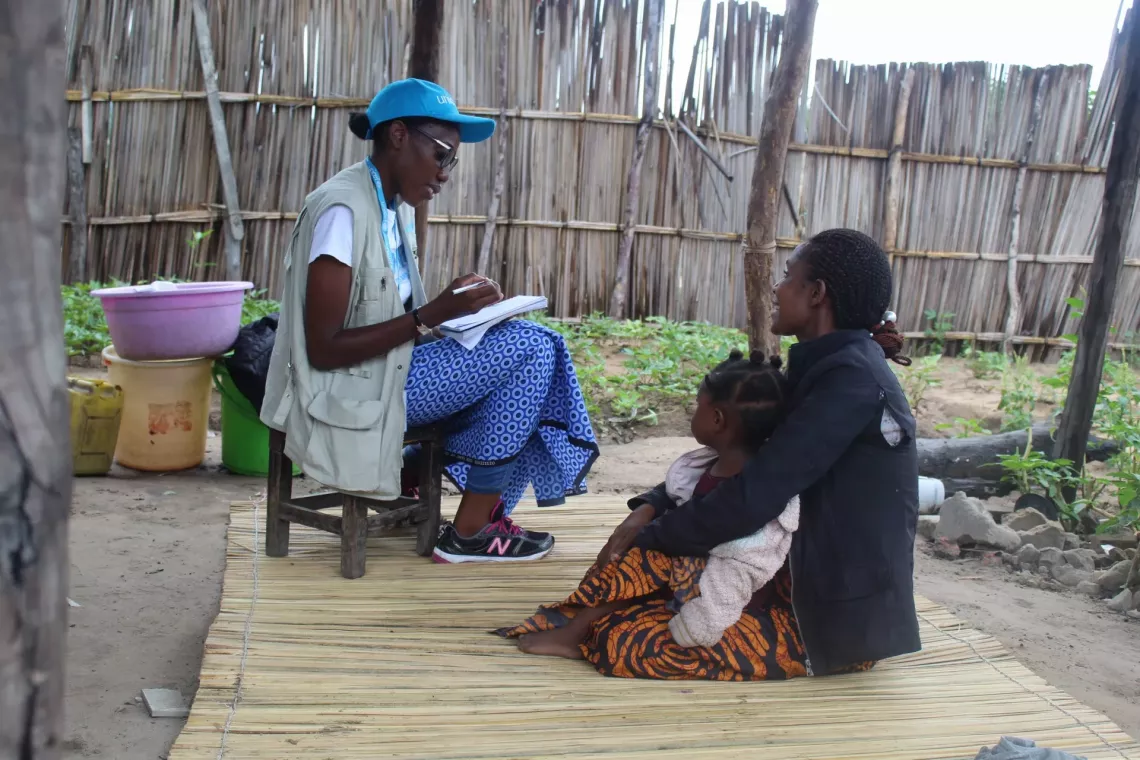
“I have always had to travel long distances looking for piecework like sweeping houses to make some money to feed my children.” Ngebe explains.
However, through the 1000 Days in SCT Pilot Programme, Ngebe has found much needed support to start income generating activities that have helped her spark self-sufficiency.
In 2023, Ngebe's path changed when she first learned about the programme through a door-to-door sensitization effort conducted by the Community Welfare Assistance Committees (CWACS). This initiative aimed to encourage expectant mothers and those with children under the age of two to participate in the 1000 Days in SCT Pilot Programme. Intrigued by the opportunity, Ngebe attended the registration sensitization meetings. Recognizing that she met the eligibility criteria, she applied for the programme that same year.
“Through the CWACS, I was told that there was registration of pregnant women and mothers with children under two years old at the nearby school in Kashitu under a programme called 1000 Days,” she recalls.
“I learned that the programme would provide support to mothers and their children, and since I was struggling to adequately feed myself and my children, I immediately registered and was enrolled in the programme,” she adds.
With ample evidence demonstrating the critical importance of the first 1000 days of a child's life on their brain development and physical health outcomes, it is important that mothers with children under 2 years of age receive support through initiatives designed to ensure a healthy and prosperous beginning for their children.
Under this programme, mothers like Ngebe are provided with monthly cash support of ZMW 550. This financial assistance is intended for the procurement of nutritious food items and other essentials necessary to support the health and well-being of their children.
“Before receiving the cash, my fellow mothers and I were told that the money was for healthy food and medicine for our children,” Ngebe says.
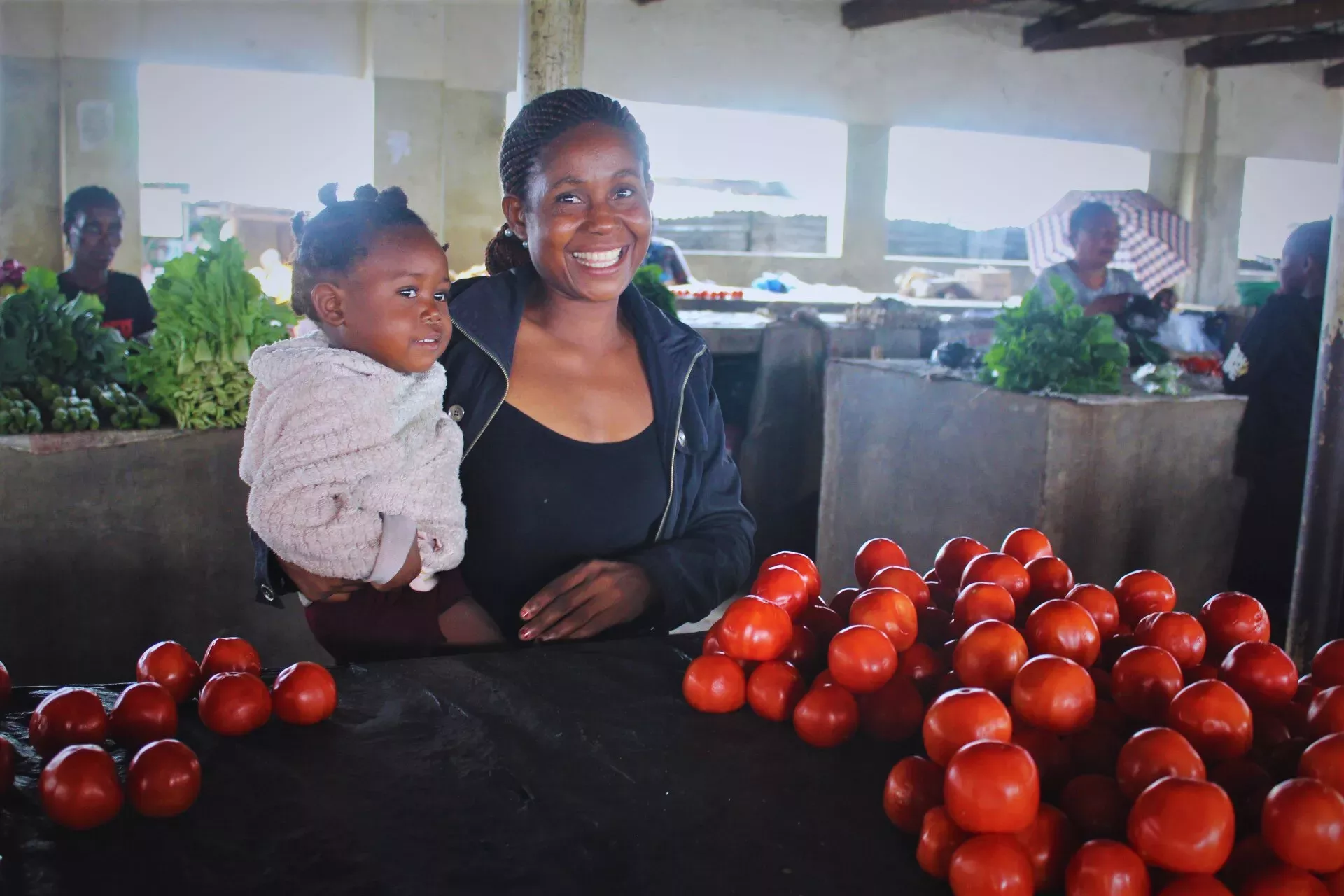
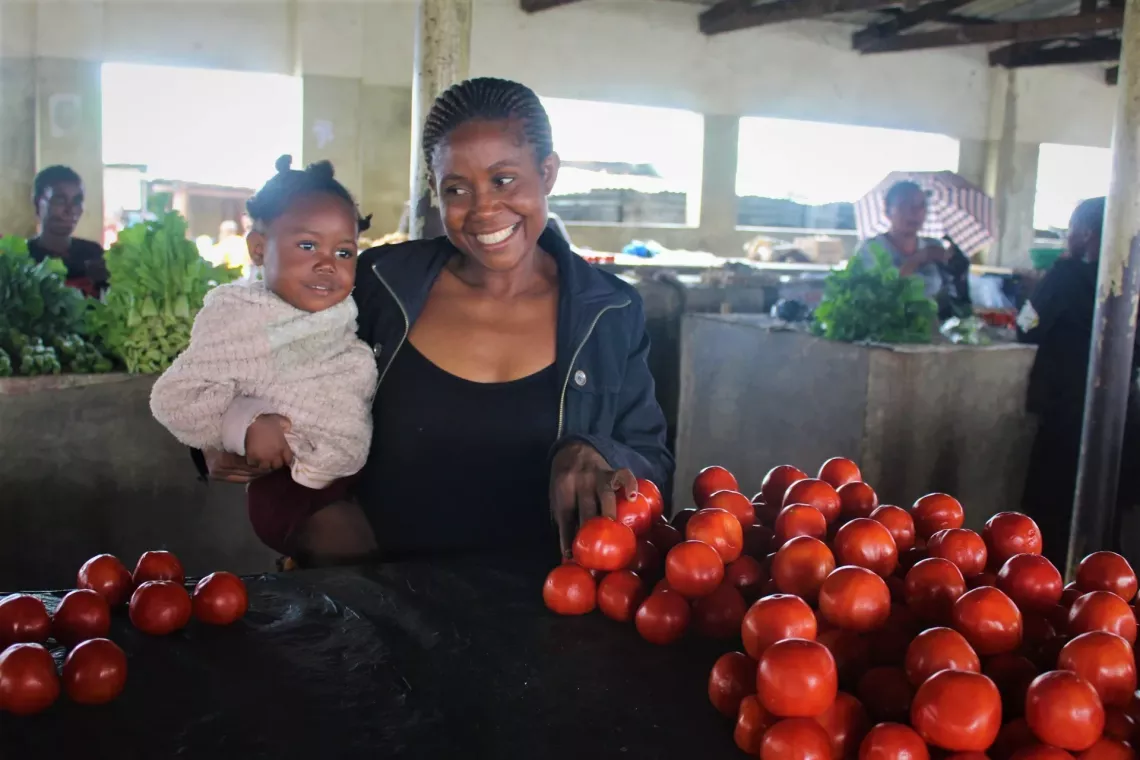
In addition to financial aid, the programme extends support to its beneficiaries through economic empowerment initiatives. Ngebe exemplifies this aspect as she utilized a portion of the cash assistance to establish a market stall in the nearby Kashitu Green Market, conveniently close to her home. Reflecting on the programme's impact, Ngebe expresses, "With the financial support from the programme, I've started a business that significantly helps me care for my children. It's been a big relief."
Thanks to this assistance, Ngebe has achieved remarkable self-sufficiency. She has garnered a profit of ZMW 400 solely from tomato sales and diversifies her income by selling various food items at the local market. This entrepreneurial endeavor ensures a steady income stream for her family, empowering her to provide for their needs effectively.
“I now sell tomato, onion and other vegetables at the nearby Kashitu market, which is better than travelling long distances looking for piecework,” she says.
In addition to her market stall venture, Ngebe has wisely utilized the cash support to bolster her income by cultivating a garden for self-sustenance. At the entrance to her home sprawls a flourishing garden, abundant with various vegetables, including Cassava leaves, locally known as Shombo. This strategic initiative not only supplements her family's nutritional needs but also enhances their economic stability by reducing reliance on external sources for food.
To ensure the sustainability of the benefits derived from the programme, Ngebe has implemented a thoughtful strategy. She regularly contributes a portion of her profits from her sales at the market to her local Savings and Internal Lending Communities (SILC). This proactive approach not only fosters a culture of saving but also provides a financial safety net for Ngebe and her family. At the end of the year 2024, she eagerly anticipates the dividends shared among the members, further enhancing her financial stability and resilience.
As the 1000 Days in Social Cash Transfer programme and the broader UNJPSP II approach their conclusion by the end of 2024, Ngebe reflects on her journey with a sense of empowerment. "Now that the programme is ending, we have a place to start, when it comes to taking care of ourselves," she affirms.
Despite the renewed hope brought about by the support of programmes like the 1000 Days in Social Cash Transfer Programme, Zambia's current state of national emergency, marked by a declared Drought crisis by His Excellency the President of the Republic of Zambia, Hakainde Hichilema, presents a looming threat of further setbacks for mothers like Ngebe and children under the programme for the remainder of the year. This national crisis underscores the urgent need for shock-responsive initiatives, including programmes such as the 1000 Days in Social Cash Transfer Programme. These initiatives are crucial to safeguarding the well-being of Zambia's children during this challenging period and beyond.