From door to door, Community-Based Volunteers help families stay safe after the floods in Lundazi
How Community-Based Volunteers are protecting families from waterborne diseases in flood-affected communities in Zambia

LUNDAZI District, Eastern Province, Zambia, March 2025 --- Heavy rains have affected Zambia since December 2025 causing significant damage to homes, farmlands, roads and bridges, disrupting the lives of more than 259,000 people across 47 districts in the country and 40,000 people in Lumezi and Lundazi districts alone. With damaged latrines and contaminated water sources, the risk of waterborne diseases such as diarrhoea, cholera and typhoid has also increased.
In Lumezi and Lundazi districts, among the hardest hit by the floods, communities have been facing these challenges for months. When homes, health and livelihoods are affected, community support becomes a lifeline.
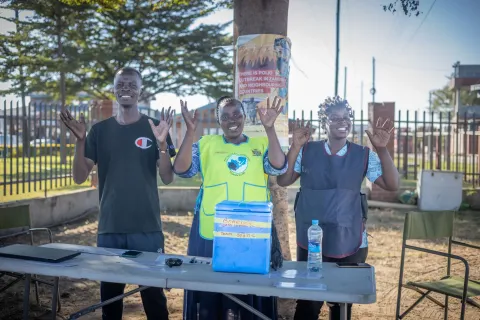
To help mitigate the impacts of the floods and prevent the spread of further waterborne diseases, UNICEF has been working closely with World Vision Zambia to support the Ministry of Health in strengthening community-based health responses. Community-Based Volunteers (CBVs) are receiving refresher trainings to help families protect themselves during the crisis. These volunteers move from house to house sharing life-saving information on hygiene, while also monitoring children under five for malnutrition and helping identify cases of malaria.
Christine Zulu is one of these dedicated Community-Based Volunteers. She walks through the villages of Lumezi district every day, checking on the health of families and sharing prevention messages to ensure people know how to protect themselves from water-borne diseases.
I move door to door to deliver hygiene messages. I want to reduce infections of diarrhoea and cholera. I also educate people on how to prevent malaria.
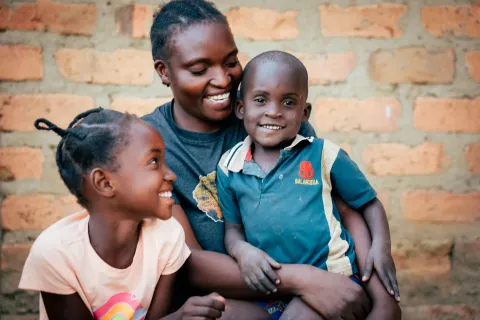
During one of her visits to Ntembwe Village, Lundazi district, Christine met Elizabeth Ngulube, a 22-year-old mother of one child. Elizabeth’s household was in great distress: she, her husband and their child had all fallen ill with diarrhoea following the floods. Other relatives in the village who had shared meals with the family were also experiencing the same symptoms.
The whole family had diarrhoea. At the beginning, we thought it was poisoning from the food we bought, Elizabeth recalls.
After speaking with the family, Christine suspected the illness was linked to poor sanitation conditions following the floods. Floodwaters can damage latrines, disrupt infrastructure and contaminate safe water sources, making it easier for germs to spread within households and through contaminated domestic utensils.
Christine shared essential information on sanitation and hygiene practices and explained how floods can increase the risk of waterborne diseases such as cholera. She also showed the family how to prepare a simple oral rehydration solution using salt and sugar to help treat dehydration caused by diarrhoea. Within days, the family began to recover. “Christine saved our lives,” Elizabeth says. “I did not know what to do when we were all sick. She helped us prepare the salt and sugar solution, and that was our first step to recovery.”
During flood emergencies, sharing clear, life-saving information, also known as risk communication, it is critical, not only to keep people safe but also to prevent a potential outbreak. Community-based volunteers like Christine bridge knowledge gaps by helping families like Elizabeth’s take simple but essential steps to protect their health and prevent further contamination. By reaching households directly, every day, their work also helps communities return to their daily livelihoods more quickly.

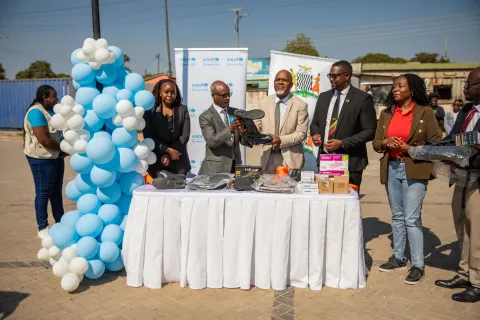
These comprehensive efforts have improved the lives of thousands of people affected by the floods in Zambia. UNICEF is grateful for the support received through the United Kingdom’s Foreign, Commonwealth & Development Office (FCDO) which has helped reaching more than 45,000 people, including children, in Lumezi and Lundazi with a comprehensive package of emergency services thanks to the deployment of trained community-based volunteers.
These efforts have not only given communities immediate relief, but they have also built life-saving knowledge for their future.