A day in the life of a Community-Based Volunteer
Celebrating the dedicated volunteers of our communities


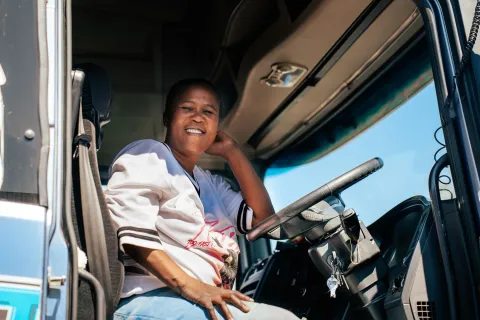
LUSAKA, Zambia, January 2024 --- “As a nurse, I am inspired by the profound impact volunteers bring to healthcare facilities. Witnessing their contributions firsthand has fueled my own desire to make a difference in my community. That's why I eagerly joined the Red Cross as a volunteer, to improve the well-being of those around me,” shared Susan, who is playing a key role in the cholera response as Community-Based Volunteer (CBV).
Community-Based Volunteers bridge the gap between communities and health facilities, ensuring essential access for vulnerable populations, particularly children and women. Recognizing their invaluable contribution, UNICEF Zambia has trained and deployed 240 CBVs in partnership with the Zambia Red Cross and 350 CBVs in partnership with the Ministry of Health in response to the ongoing cholera outbreak. These collaborations aim to bolster the response efforts and effectively address the urgent needs of affected communities.
Susan Peleti, a 26-year-old trained nurse, serves diligently at the Kapwepwe Health Post located in Lilanda township within Lusaka. It was through her work that she crossed paths with a dedicated volunteer from the esteemed Red Cross organization. This encounter opened Susan's eyes to the significance of selflessly assisting others and effecting positive change in their lives. Susan resolved to join this impactful movement and since then, she has participated in various community sensitization programs, actively playing her part in raising awareness amid the grave challenges of the COVID-19 pandemic and, currently, the prevailing threat of the cholera outbreak.
When she's not working as a nurse, her day typically begins at 7:00 am when she joins a dedicated team of male and female volunteers. This group divides itself into smaller teams and delegates specific zones of work. Functioning as vital foot soldiers, they embark on door-to-door campaigns within the community. Working for a period of 2 to 3 hours per day, each volunteer aims to visit and connect with approximately 10 to 15 households throughout their assigned shift.
“When I visit a location, I take the time to engage with community members, conducting thorough inspections of their sanitary facilities, waste disposal areas, and ensuring access to safe water sources. However, my work doesn't stop there—I also make it a point to connect with individuals on a personal level, engaging in meaningful conversations to assess the well-being of their households. I inquire about their understanding of the current cholera outbreak and educate them on effective preventive measures," explained Susan.

During sensitization, CBVs face myths and beliefs hindering healthcare access and adherence to prevention guidelines. Susan faces challenges during door-to-door assignments, including refusal due to time constraints or requests for supplies like chlorine and soap before engagement. Furthermore, she endures verbal abuse, especially from intoxicated community members.
“Despite the challenges and negative encounters, I remain steadfast in my belief in the positive impact we are making on the communities. Instead of giving up, I strategize and look forward to a better day," Susan stated.

Susan credits the mass community turnout for receiving the Oral Cholera Vaccine to the successful campaigns and informative engagement strategies implemented.
Susan and her colleagues employ various strategies to ensure effective communication with the communities. They distribute brochures containing life-saving messages and illustrative pictures. They conduct practical demonstrations to illustrate the recommended practices, and they make it a point to use multiple languages in their communication efforts, to ensure that everyone is included and can understand the information being shared.
For the work of the CBVs to flourish, they recognize the importance of collaboration with various stakeholders, including community and civic leaders. These partnerships have been crucial in guaranteeing compliance with and effective implementation of the teachings delivered to the communities. Notably, through the invaluable support of the Lusaka City Council and the Water and Sanitation Forums, resources such as water bowsers and trucks have been made available. This has facilitated the regular emptying of filled-up latrines and the collection of garbage at no cost to the community.

“We all have a part to play in reducing the risk of cholera outbreaks. It is imperative that we embrace the power of collaboration and unity. By initiating health sensitizations well in advance of any potential outbreak and proactively implementing preventive measures, we can effectively safeguard our communities,” Susan eloquently emphasizes the need for concerted efforts in her perspective on what needs to be done further.
Let us join hands and work together to create a healthier and safer future for all.