Building Resilience Through Nutrition
The Impact of SUN II on Manungu's Lead Farmers Amidst Devastating Drought

Introduction
Meet Mweene Credias, a lead farmer based in Manungu village of Monze district under the SUN II program. As lead farmers, they are small-scale cultivators trained to grow nutritious crops such as orange maize, orange sweet potatoes, Mbereshi beans, moringa, groundnuts, cowpeas, sunflower for oil, pumpkins and a variety of vegetables. Additionally, they engage in beekeeping and maintain orchards with oranges, bananas, guavas and pawpaw.
Nutritional Benefits of SUN II
"The SUN II program has been a game changer for us," says Mweene. "It has equipped us with invaluable knowledge on smart climate agriculture techniques and post-harvest practices that help us preserve the nutrients in our food for future use. Thanks to this training, we now grow and store fish, vegetables, fruits, and grains, which has greatly improved the nutritional quality of our diets and boosted our overall health and well-being."
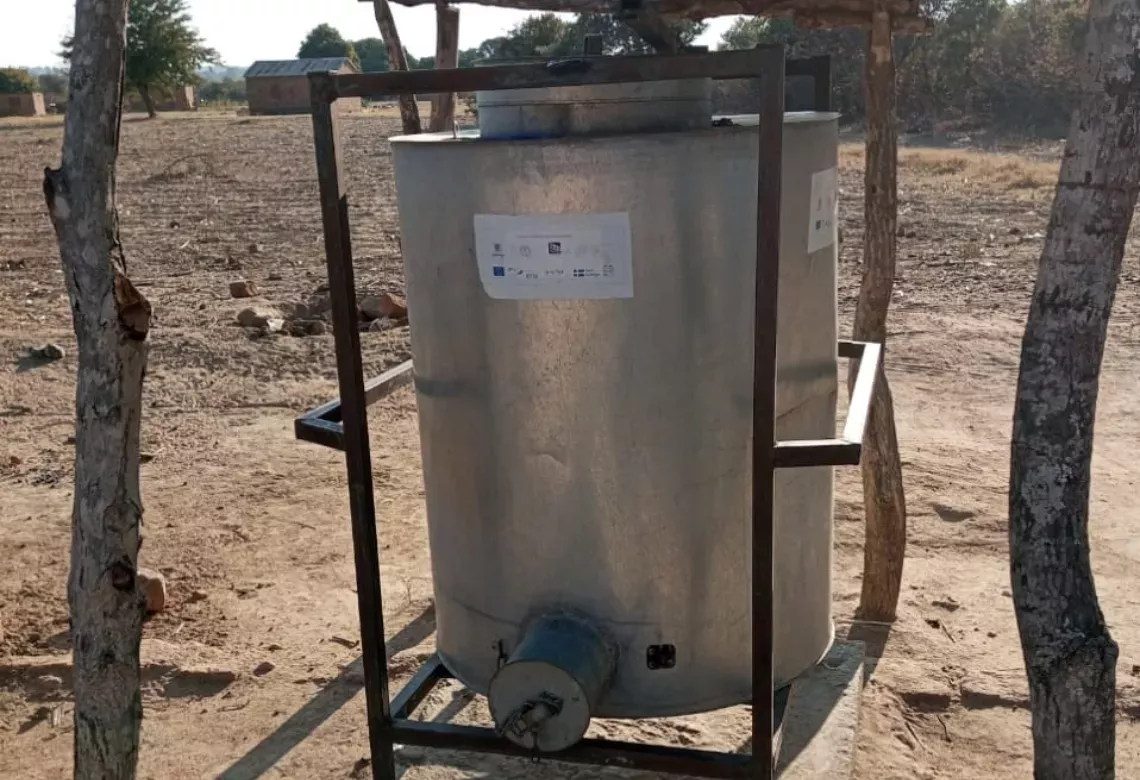
Through SUN II, farmers like Mweene have also benefited from strong collaborations with health facilities and Nutrition Support Groups (NSGs), further promoting community health. "The program has connected us with health facilities and NSGs, which has really strengthened the health of our communities. We've also received storage bins from the Ministry of Agriculture to help us keep our harvests safe and secure," Mweene adds.
One of the most impactful innovations introduced by SUN II is keyhole gardening, a sustainable and efficient method for growing plants, especially in arid or nutrient-poor environments. "Keyhole gardening has been a true lifesaver during this drought," says Mweene. "The garden is designed to conserve water, and its layered construction retains moisture in the soil. We use materials like cardboard, straw, compost, and soil to create a nutrient-rich environment for our plants. The keyhole design allows easy access to the garden without compacting the soil, which means better plant growth and water retention."
For Mweene and many others, keyhole gardening has proven to be an essential tool for survival in these challenging times. "Even with the severe water shortages, our keyhole garden is thriving. We’ve been able to grow fresh vegetables, despite the drought, by using wastewater from dishwashing to water the garden. It’s truly made a difference for us," he says with gratitude.


“Despite severe groundwater scarcity leading to the drying up of our fields and gardens, our keyhole garden is thriving. Its efficient design requires minimal water, and we further enhance its sustainability by using wastewater from dishwashing for irrigation, we are one of the few that can eat fresh vegetables during this drought,” Mweene explains.
Improved Agricultural Practices and Community Collaboration
"Thanks to the SUN II program, we now collaborate closely with health facilities and have built strong connections with Nutrition Support Groups (NSGs). One of the most impactful initiatives we've implemented is the 'savings for change' program. This has allowed us to save enough money to buy essential household items like salt and sugar, which we couldn’t afford before," explains Mweene.
"Before SUN II, I only cultivated maize and didn’t realize how important crop diversification was. Through the program and interactions with NSGs, I’ve learned how to prepare a variety of nutritious foods. I’ve also shared this knowledge with other farmers in the community," she adds.
Mweene has taken this a step further by distributing crops like Mberesh beans, orange maize, and orange sweet potatoes to not only the program's target groups but also to other farmers in the area.
"Even after SUN II ends, I’m committed to continuing the cultivation of these crops and sharing what I’ve learned with others," Mweene says.
Challenges and Devastating Impact of the Drought
"Despite the progress we've made through SUN II, we still face significant challenges," shares Mweene. "Our community dams were stocked with fish, but unfortunately, most of the fish were stolen before we could harvest them. Moving forward, it would be better if lead farmers were entrusted with the management of the fishponds to prevent such losses."
He continues, "The severe drought has devastated our crops, leaving them dried up. We’re lobbying for boreholes to help with the water scarcity, as it's critical to our survival. Our moringa tree nursery failed due to the drought, and had we received chickens instead, they would have been more manageable for our community under these harsh conditions."
Mweene describes the overwhelming impact of the drought on their community. "The drought has been devastating. Our crops have withered, and now we’re facing a seed shortage because all our seeds have dried up. Pregnant and lactating mothers in our community are struggling to follow the nutritional guidelines SUN II taught us. Instead, they’re eating just to feel full, which compromises their health."
With the SUN II program closing out during such a difficult time, Mweene stresses the importance of ongoing community engagement. "It's critical to consider a radio program for lead farmers and NSGs to keep the community informed about ongoing activities and updates. The timing of this closeout is unfortunate, as it coincides with a severe drought that has consumed our seeds and dried up our pawpaw and banana crops," he says, expressing concern for the future.
Resilience Built Through SUN II
"Despite these challenges, the resilience we've built through SUN II is clear," says Mweene. "The knowledge and practices we've adopted have helped us better withstand crises like this drought. By focusing on nutritious crops and smart agriculture, we've gained the skills needed to manage and lessen some of the impacts we're facing."
However, he acknowledges that the road ahead remains difficult. "The biggest challenge is still water scarcity. Even if we receive new seeds now, without a reliable water source, they'll likely dry up again," he explains. "As we move forward, securing consistent access to water and continuing education and support through community programs will be crucial to sustaining The SUN II Programme, with its multisectoral approach, has brought transformative changes to communities. Through your funding and support, farmers have been empowered to improve agricultural practices, enhance nutritional standards and strengthen community resilience. The knowledge and resources provided have not only addressed immediate needs but have also laid a strong foundation for long-term progress. The programme has fostered collaborations with health facilities, strengthened our savings initiatives and provided us with the tools and knowledge to tackle malnutrition.